When you click on links to various merchants on this site and make a purchase, this can result in this site earning a commission. Affiliate programs and affiliations include, but are not limited to, the eBay Partner Network.
How to change your NP273 Transfer Case Input Shaft
As part of my build, I needed to change out the input shaft of my transfer case to match the G56 transmission. In order to do that, I purchased the appropriate input shaft (and ended up buying a new chain). Links to the parts I used:
I also ended up having to get two new seals, which I sourced locally. They are the seal for the input shaft and the seal for the front driveshaft. The National part numbers for the two seals are: 710652 and 710653.
To start, clean up the outside of the transfer case to get rid of all the junk that gets on it from driving around. Remove the drain plug and fill plug, drain the fluid. Remove the 10mm bolts from the outside of the two case halves. I used an impact and zipped them right out. They’ll also need cleaned up before you put them back in. I used a wire wheel to clean mine up. Next, you have to remove a minimum of either the front driveshaft flange or the rear driveshaft flange. This is in order to get the chain back on. If you just split the case (like I did the first time around), it’ll come apart, but there’s no real way to get it back together that I saw. I recommend removing the front driveshaft flange. To remove, grab an impact and zip the nut off. It’s torqued on there pretty good. I was able to remove the flange by hand. Clean the area up as you go because you’ll find all sorts of dirt everywhere. Pry out the seal around the front driveshaft. Remove the C-Clip that holds the front driveshaft gear in the case (from the outside of the case). For this (and the others) you’ll need a good pair of c-clip pliers (the ones with the flat ends). I picked up a pair from Advanced Auto that worked pretty good. From there, I used a solid piece of round stock and a dead blow hammer and worked around the case anywhere there’s something solid. Be gentle as the case is aluminum and you don’t want to break something off. A few smacks and the case will start to open up. Once it’s opened up, you can wiggle it around and get it all the way apart. Inside parts will likely come out, so be careful. There’s nothing in there that’s small, but there are items that are oriented in a certain way. Once you have the rear of the case half off, you should have the mainshaft and the front driveshaft, along with the chain stuck to the rear of the case. You may have to tap the end of the front shaft to get it out of the case along the same plane as the chain and mainshaft. Take the rear case half and set it in a 5-gallon bucket. This will allow you to remove and clean up the parts. Remove the front shaft by pulling up and pushing it a bit sideways. This will allow you to remove the chain. Set the parts aside, leaving the mainshaft in the case. Likely, the shift fork and gear will have stayed with the front half of the case, which will have the synchronizer gear coming off of the mainshaft. Just make sure you’re aware of the orientation of everything. Remove the pump pickup tube by pulling it up from the screen and pulling the tube out of the pump. Clean it all up. I used a rage and compressed air to blow all the junk out of the screen. And it was full. I found that the sealant used (at the factory likely) was throughout the case. It was the squeeze out from the inside of the case. Clean up the flange of the rear case half to get all the old sealant. I used a scotchbrite pad, which works really well. Take a good look at all the bearings and other parts and make sure they’re serviceable. Replace the pickup by putting it into the pump and sliding the pickup back into its place. Make sure the inside of the case is clean. Place the new (or old if it doesn’t need replaced) chain back on the mainshaft. Insert the front shaft into the chain. Slide the assembly back into place in the bearing of the rear case. If it’s a new chain, it’ll be a tight fit. Don’t force it, it’ll go in. Place the shift fork, along with the shift fork gear back into the rear case half. You’ll have to slide the shift fork gear into place by pushing the shaft into the hole. It’s spring loaded, so it takes some wiggling. I wrapped a piece of wire around the shift fork, ran it through the fill hole, and secured it to a screwdriver to keep the spring compressed and the shift fork in place. This will allow you to put the case halves back together later. Set the assembly aside. Remove the shift actuator and associated gear that sits in the planetary from the front case half. Set aside. Remove the c-clip from the rear of the planetary in the front half of the case. Remove the seal from the input shaft on the outside of the front case half. Be careful not to muck up the case while prying it out. It’ll be pretty solidly in there. Remove the C-clip on the front of the input shaft and slide the input shaft and planetary out of the case. Remove the c-clip holding the input shaft in the front of the planetary. Remove the input shaft from the planetary. Remove the bearing/cup combination from the old input shaft by tapping it out. Pay attention to the position of the bearing in the shaft, as it supports the front of the mainshaft inside the input shaft. I used a 12V Cummins wrist pin I had laying on the workbench, but a large socket should work just fine. The wrist pin was the perfect size. Drive the old bearing cup back into the new input shaft. If you forget this step (like I did the first time), and don’t go back and put it in, your transmission will dump all its fluid into your transfer case. Not a good outcome. I remembered and had to take it back apart and put it in. Clean the inside, flange, and magnet of the front case half. Place the new input shaft into the planetary and install the c-clip to hold the input shaft in. Insert the assembly back into the front case half, install the large c-clip to hold the assembly in place. Replace the c-clip in the front of the input shaft. Replace the input shaft seal in the front of the case. You may want to clean up the inside of the case where the seal sits as it will likely be corroded a bit. I used a bit of emery cloth on mine. Place the shift actuator and gear back in place, making sure that the slide pin and gear are firmly in place. Time to put things back together. Place the rear case half assembly on a firm footing on a workbench or place where you can easily get to it. Use anaerobic sealer around the entirety of the case half, making sure to go around all the bolt holes. You don’t need to use a lot, but make sure you get solid coverage. Lift the front case half up and start to slide things together, starting with the shift fork rod. These are tight tolerance parts, so you need to be careful not to move it around too much or the loaded spring will pop out and you’ll have to re-secure everything in there (hence the wire we wrapped around it previously). It took me a few tries of putting it back together to come up with the wire trick. Keep sliding everything together, making sure the shift fork rod, mainshaft, and front shaft are all lined up. Once you get it most of the way back together, you can gently tap the case halves together with a dead blow hammer. You’ll have to make sure the case halves line up as they have dowel pins. Use blue Loctite on the threads of the case half, not the bolts. Snug all the bolts up around the whole case. I couldn’t find a manual for this transfer case, so I didn’t know what the torque setting the bolts were supposed to have. Off to the Interwebs, I found some folks saying ~35 foot pounds, so I went with that. Mistake. As I was torqueing the bolts, I felt like they were going to strip out the case at that torque. So, I went down to 30, still too tight. 25, felt pretty good, but not great. Down to 20, that worked. Went around all of them, and then back to 25. Mistake #2. I snapped one off. Great! Back open with the case, removed the broken bolt, cleaned everything up, more sealant, back together. This time, I just tightened by calibrated arm. Remove the wire wrapped around the shift fork rod. Install the front driveshaft flange and associated nut. The torque spec I found on the nut is 190-230 foot pounds, which is pretty tight. I used a couple of bolts and a pipe to hold the flange, but I only torqued the nut to 80 foot pounds. I need to do a bit more research into the torque on this nut. If anyone has the actual spec, I’d love to know! Install drain plug. Refill with your fluid of choice, install fill plug. If you lay the case on the floor, make sure the air vent is plugged or otherwise higher than the fluid level, or it’ll run out on the floor out of the vent. Ask me how I know.
There you have it! One input shaft (and chain in my case) changed! On to the pics!
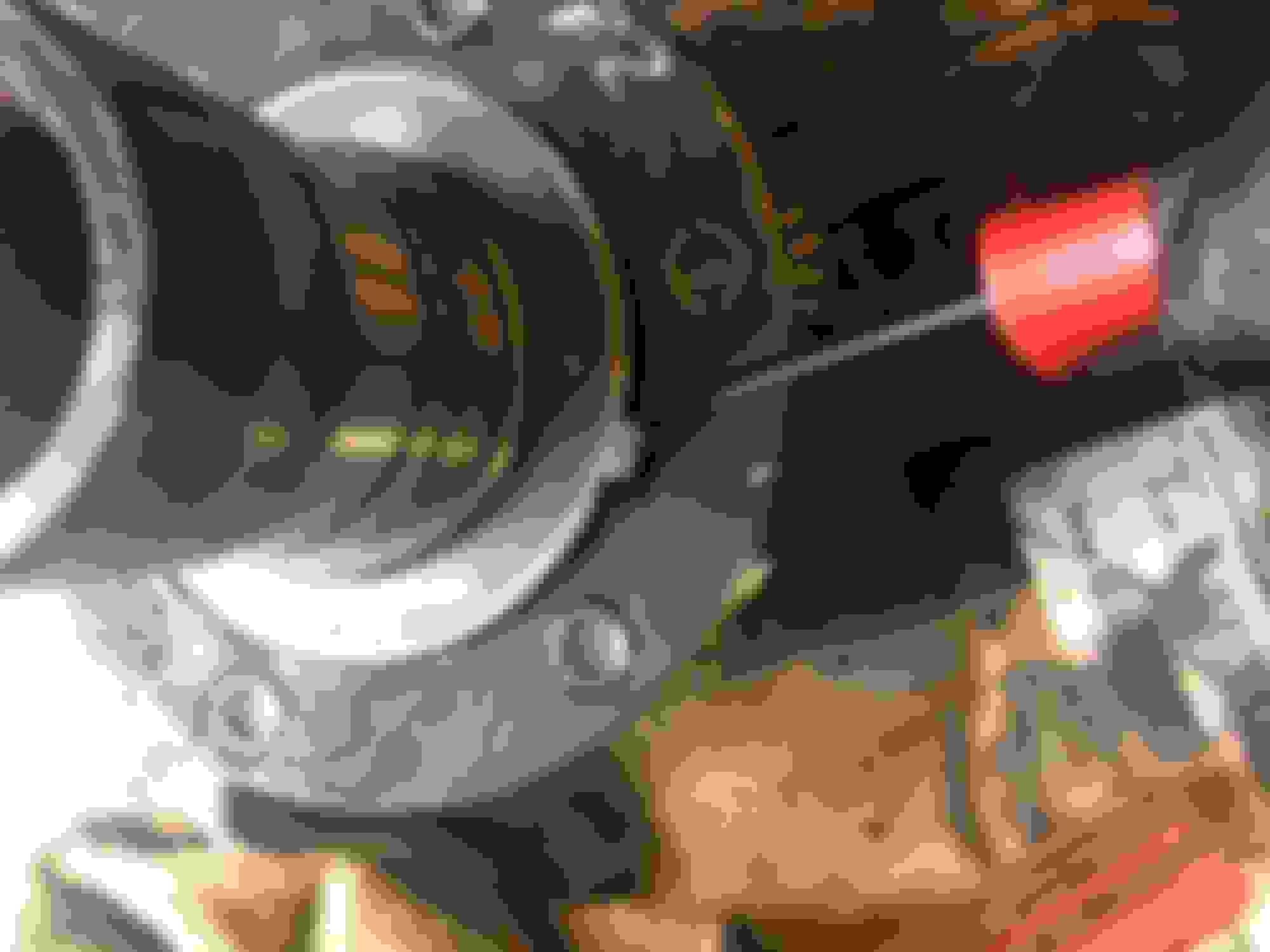
Hopefully I can get the pics to upload... Case splitting Opened up a bit Junk floating around in my case Pickup junk Pickup screen Junk behind the pickup There was quite a bit behind the pickup Rear half with the chain and front shaft removed
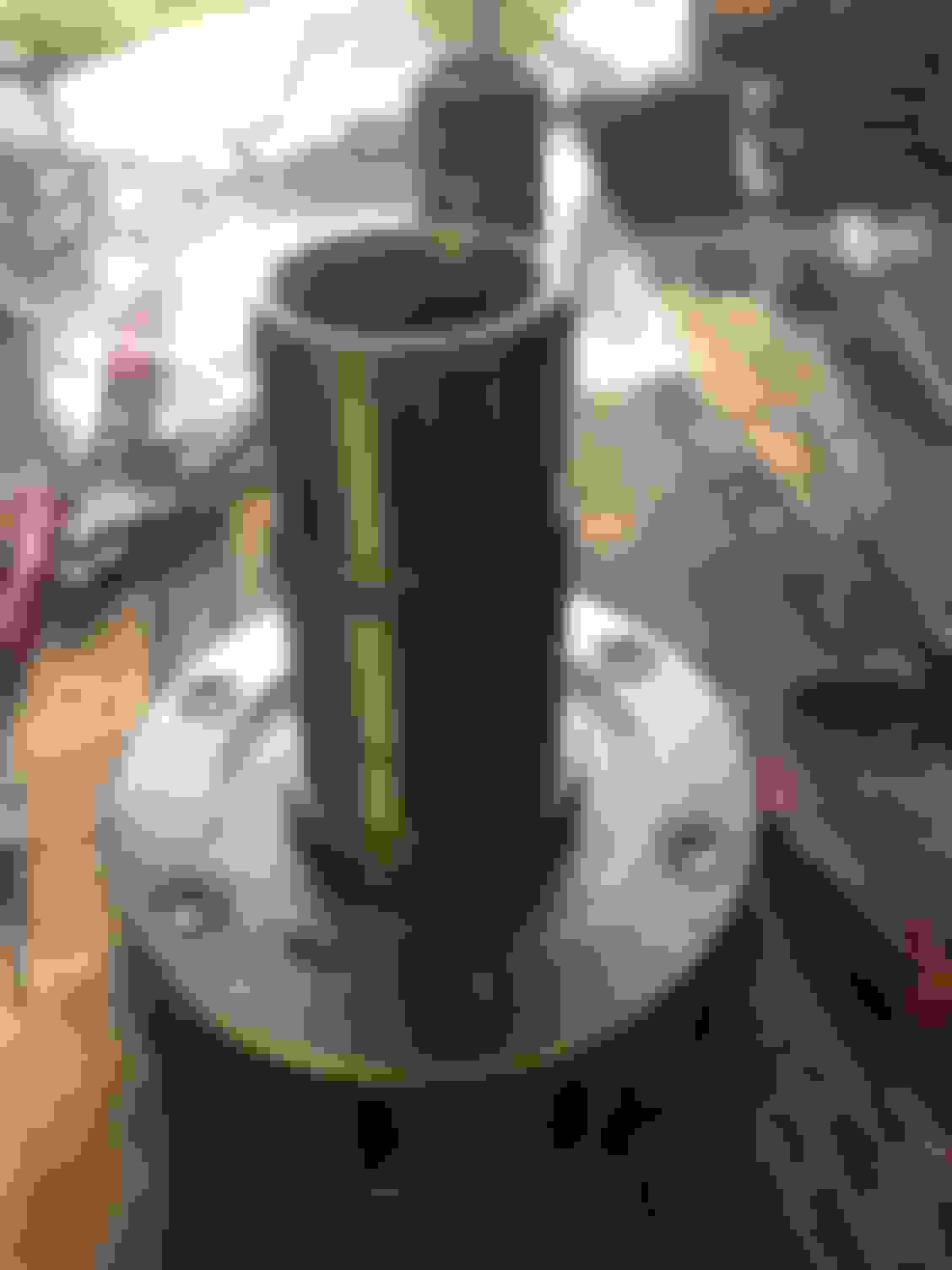
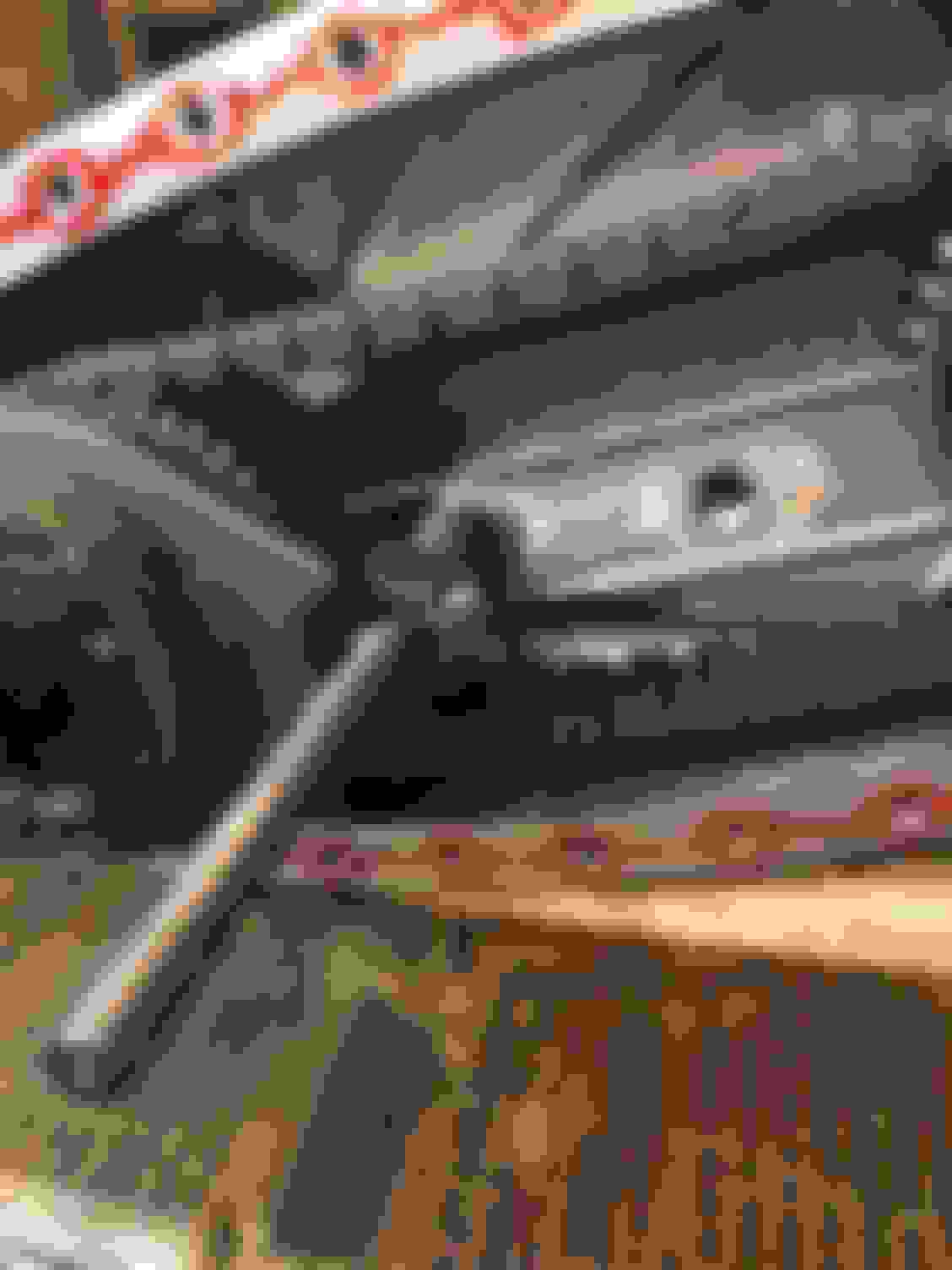
More pics of the case Shift fork. All the plastic/rubber was in really good shape Front shaft seal removal. It's in there pretty good! You can see the c-clip on the front shaft. Front shaft fully removed. Large c-clip for the planetary Planetary installed with bearing cup ready to be driven in. Bearing cup Careful putting this back in. Don't want to warp it. C-clip that holds the input shaft in the planetary
Input shaft change continued Once you remove the clip, this flat plate must be removed. Lifts right out. Under the washer is another washer. Make sure you notice the orientation. New input shaft installed in the planetary. New input shaft and planetary installed back into the case with the c-clip installed. This is the orientation of the shift forks in the assembled position. Here's how I wrapped the wire to get the case back together. It pulls out easily once everything is back together. This is actually the new chain installed. Ready for final assembly New seal installed on front shaft New seal installed on input shaft. I just love spilling brand new fluid all over the floor!
What is you reason for going with the G56 transmission instead of the ZF6? The G56s don't have the best reputation.
Couple of things. One was overall price of the project. A ZF6-750 runs about $2K used, with god knows how many miles. Then you have to add in an adapter plate ($600 for steel, double for aluminum). The clutch and flywheel combination are not a “run to the parts store” item. Compare to the G56, it’s about double the cost all in. Plus I already had the flywheel housing and I got a pretty good deal on the transmission itself ($1500). If I would have found a ZF6-750 for that price, I probably would have went with it. As far as longevity and durability, the ZF is a much better transmission, especially when you get to the 500HP+ range behind a 12V. The torque is what gets them. The G56 does not have a center support like the ZF, so gear rollover is a real problem and the risk of splitting the case gets much higher in higher HP/torque applications. But, for my application, the G56 should be more than sufficient because I’ll be running around 300-350 HP. And I don’t not rod at all. So for me it shouldn’t be an issue. The guys that run them in pulling tucks and beat the crap out of them tear them up pretty regularly. Also, dodge specified automatic transmission fluid, whereas Mercedes recommends 75 or 90 weight gear lube. Most folks run Delvac 50. I’ll run the 75W90 and see where it gets me. Another problem dodge had was the two piece flywheel they installed to keep them from being noisy. They just don’t last and are more of a pain that what they’re worth. I’ll be running a standard solid flywheel and a single disk clutch.
If if I ever ruin it, I’ll probably switch to the ZF. I’ll keep my eyes peeled for one and pick it up if the opportunity arises.
Awesome, AWESOME how-to, ExSwap! I followed your post to a 't' to mount the np273 from my Excursion to a Getrag 360. I also scanned your build thread & noticed a manual shift for your t-case...did you swap to an np271 or convert your electronic shift to manual? If the later, I would absolutely LOOOOOVE to see a write up on how you did it Thanks for the post!
Rezvani's Latest Post-Apocalytic Monster Is a Ford F-150 Raptor Underneath
Slideshow: Called the Fortress, the 850-horsepower pickup combines Raptor underpinnings with military-inspired features, survival equipment, and a starting price of $285,000.














 Thanks for the post!