






Solved my city mpg problem

Thread Starter
|
New User
Joined: Mar 2010
Posts: 7
Likes: 0
Solved my city mpg problem
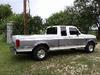
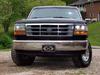
So after driving 4 or 5 tanks of gas or so on my new to me f150, I had discovered that I had a strange mpg problem. I could get almost 20 mpg on the highway but only 8-10 in the city, always averaging about 12.5. The truck runs great, it’s a 94 extended cab 4.9 auto with 210K miles. It's been bazaar to me how my gas mileage can be so good and so bad.
Well I figured it out. I’ve only used the rear tank since I’ve had it, and I did check the front tank when I bought it and it was empty. So today I decide to flip the switch, and surprise, the gauge goes to ¾ tank. I guess gas is being pumped from the back tank to the front. Drove it 40 miles today on the front tank, it works fine. That is where my gas is going
I’ve done some research and this problem seems mainly with 89 to 93 f150s
I’m so happy to solve my poor city gas mileage problem, but now should I worry about this? Or just run it off the front tank? I assume when you switch to the front tank the back tank quits pumping. Is this problem common for 94 and later trucks?
Well I figured it out. I’ve only used the rear tank since I’ve had it, and I did check the front tank when I bought it and it was empty. So today I decide to flip the switch, and surprise, the gauge goes to ¾ tank. I guess gas is being pumped from the back tank to the front. Drove it 40 miles today on the front tank, it works fine. That is where my gas is going
I’ve done some research and this problem seems mainly with 89 to 93 f150s
I’m so happy to solve my poor city gas mileage problem, but now should I worry about this? Or just run it off the front tank? I assume when you switch to the front tank the back tank quits pumping. Is this problem common for 94 and later trucks?

Postmaster
Joined: Apr 2008
Posts: 4,802
Likes: 1
Pulls from one tank but returns into the other, the switchover valve gets stuck and causes it - I didn't know gassers have that issue too, but with diesels (at least the older ones) it's a very common thing as the stupid assembly actually has two valves inside it, one for the supply and one for the return lines, and it's usually the return one that gets stuck for whatever reason.
Postmaster
Joined: Apr 2008
Posts: 4,802
Likes: 1
Trending Topics

Fleet Mechanic
Joined: Apr 2008
Posts: 1,724
Likes: 2
From: Vancouver BC Canada
There have been a couple of diagrams posted on how the FDM's work, but basically, both pumps are plumbed into the same lines. When you select a tank, that FDM is energized and the return valve opens for that FDM. The valve is inside the FDM body. My understanding is that, when the crossflow happens in these setups, the return valve sticks open in the other tank and some or all of the returning fuel bleeds off into that tank. I don't think they are serviceable.
FTE Stories
Ford Trucks for Ford Truck Enthusiasts

Top 6 Best Deals Available on New Fords & Lincolns Right Now
Brett Foote
This Hennessey Takes the Expedition Tremor's Off-Roading Capability to the Next Level
Verdad Gallardo
Top 10 Fords at 2026 Carlisle Ford Nationals
Joe Kucinski
3 Best / 3 Worst Parts of Modern Ford Ownership
Brett Foote
10 Amazing Upgrades That Solve Common Ford Truck Owner Headaches
Pouria Savadkouei
Every 2026 Ford Engine Explained
Brett Foote
10 Ugly Ford Trucks That We Still Kinda Love
Joe Kucinski
10 Things Every Truck Owner NEEDS (2026 Edition)
Michael S. Palmer
Rezvani's Latest Post-Apocalyptic Monster Is a Ford F-150 Raptor Underneath
Verdad Gallardo
Postmaster
Joined: Apr 2008
Posts: 4,802
Likes: 1
There have been a couple of diagrams posted on how the FDM's work, but basically, both pumps are plumbed into the same lines. When you select a tank, that FDM is energized and the return valve opens for that FDM. The valve is inside the FDM body. My understanding is that, when the crossflow happens in these setups, the return valve sticks open in the other tank and some or all of the returning fuel bleeds off into that tank. I don't think they are serviceable.

Thread Starter
|
New User
Joined: Mar 2010
Posts: 7
Likes: 0
So if I am understanding this correctly I should only have a problem if the front tank is full and I'm using the rear tank because the return line could overflow the front tank? If that is the case then I will just use the front tank. It is yet to be determined if the front tank is pumping to the rear tank. I don't think that it is.
Bill, you are probably right, but I hope your wrong. When ever I figure out a for sure way to measure mileage I will report.
Bill, you are probably right, but I hope your wrong. When ever I figure out a for sure way to measure mileage I will report.
Postmaster
Joined: Apr 2008
Posts: 4,802
Likes: 1
You can still use the rear tank, just don't switch to it before the front tank is empty - basically you fill both tanks and run off the front one till it's empty (thus you have plenty of space in it for the return flow through the bad valve), then you switch to the rear tank and run it till it reads empty too (which will happen much faster than it did with the front tank), then switch back to the front tank to use up all the extra fuel that should have gone back to the rear tank in the first place but never made it cause of the stuck valve.
