





"urban cowboy"
Thread Starter
|
Senior User
Joined: Oct 2009
Posts: 396
Likes: 0
From: toledo oh
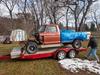
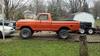
yea its the one with him in it, and i "LOL" when he was on the freeway and put in a dip and then spit in a beer bottle hahaha. its an alright movie i guess, but his truck is slick
Laughing Gas

Joined: Mar 2007
Posts: 754
Likes: 2
From: southwest Wisconsin
Trending Topics
Tuned
Joined: Mar 2009
Posts: 419
Likes: 4

FTE Stories
Ford Trucks for Ford Truck Enthusiasts

10 Things Every Truck Owner NEEDS (2026 Edition)
Michael S. Palmer
Rezvani's Latest Post-Apocalyptic Monster Is a Ford F-150 Raptor Underneath
Verdad Gallardo
Top 10 Most Expensive Ford Trucks Ever Sold on Bring a Trailer
Joe Kucinski
2027 Ford Super Duty Buyer's Guide (Every Model, Engine, & Package)
Brett Foote
Top 10 Ford Truck Tragedies
Joe Kucinski
AEV FXL Super Duty - the Super Duty Raptor Ford Doesn't Make
Brett Foote
Lobo Vs Lobo: Proof the F-150 Lobo Should Be Even Lower!
Michael S. Palmer
Ford's 2001 Explorer Sportsman Concept Looks For a New Home
Verdad Gallardo
10 Best Ford Truck Engines We Miss the Most!
Joe Kucinski

Post Fiend
Joined: Jul 2006
Posts: 6,948
Likes: 44
Mickey Gilley owned (Co owned) this night club and recording studio in Pasadena Texas long before the movie.
Mickey Gilley probably did not need the help of the movie to put this place on the map. It can be argued that Gilleys put Pasadena Texas on the map.
This little Honkey Tonk was the largest ever. Approx 6,000 person capacity. Thats a fairly large facility.
Mickey was the headliner act but this place brought big names and plenty of artists. Oh, Gilleys was also a recording studio.
These artists were not only recorded, but they played nightly on radio. This radio broadcast was carried over several hundred radio stations that included global broadcasts via "Armed Forces radio".
This place was an icon far before the movie. Just some random trivia.

Post Fiend
Joined: Oct 2007
Posts: 10,501
Likes: 5
From: Faibanks Ak.
You need to do a little research Gilley never owned or co owned gilleys, Sherwood did same as johnny lees. Gilley even sued sherwood trying to get his name off of it. If you will check onthe owner of the broadcast studio and the tv show you will find sherwood there too. Gilleys is where gilley started out among some other bars in the area way before anybody heard of him. and yes gilleys was quite a dance hall, but me and lots of others quit going there after the movie came out and it became a tourist attraction. For a couple of years it didn't matter what part of the country I was in people asked me about gilleys.
Post Fiend
Joined: Jul 2006
Posts: 6,948
Likes: 44
You need to do a little research Gilley never owned or co owned gilleys, Sherwood did same as johnny lees. Gilley even sued sherwood trying to get his name off of it. If you will check onthe owner of the broadcast studio and the tv show you will find sherwood there too. Gilleys is where gilley started out among some other bars in the area way before anybody heard of him. and yes gilleys was quite a dance hall, but me and lots of others quit going there after the movie came out and it became a tourist attraction. For a couple of years it didn't matter what part of the country I was in people asked me about gilleys.
I understood that Gilley owned the rights to the name as well as the recording portion of the then dance hall and bar. I understood this to take place during the time that Gilley was becoming a star Sherwood Cryer provided a facility that was in turn going to be a place for Mickey and others such as Jerry Lee and Jimmy Swaggart. Part of the money that Mickey earned was paid by shares, or stake in the valuable property.
The law suit as I understand was to gain complete control of the still largest honkey tonk, and this was awarded to Mickey by a judge in about 88 or 89, shortly before the fire. This was not to have his name taken off, it as simply for Mickey to prove wrong doing and take over the entire ball of wax.
As I read an autobiography of Mickey, it implied (actually stated) that he was a business owner and partner to Sherwood Cryer.
I stand corrected if this was not fact.
Certified Thread Hijacker


Joined: Aug 2001
Posts: 14,441
Likes: 60


Senior User
Joined: Dec 2004
Posts: 317
Likes: 0
From: Mackinaw, IL
Not by me... credits at the bottom. And yes... very nice trucks in "Urban Cowboy"
GILLEY'S. Gilley's was a nightclub located in Pasadena, Texas, from 1970 to 1990. The club, owned by Sherwood Cryer, had been previously called Shelly's. Cryer decided to reopen it in 1970 under the name Gilley's, with budding musician Mickey Gilley as partner. Gilley, who grew up in Ferriday, Louisiana, with cousins Jerry Lee Lewis and Jimmy Swaggart, wanted to call the club the "Den of Sin," but Sherwood insisted on naming it Gilley's, since Mickey Gilley himself was to be the headlining act.
Gilley's launched Mickey Gilley's career, for the club was an instant success. It filled to capacity nightly soon after the opening. It had a shooting gallery, showers for truckers, a rodeo arena with mechanical bulls, pool tables, punching bags, and a dance floor big enough for thousands. It had a 6,000-person capacity and is listed in the Guinness Book of World Records as the world's largest honky-tonk. Gilley's was open seven days a week, from 10 A.M. to 2 A.M. Its motto was "We Doze but We Never Close." Dramatic economic growth occurred along the Texas Gulf Coast in the late 1970s, especially in Houston. Many residents of Pasadena worked in the Houston-area petrochemical plants, and they used Gilley's as a place to socialize.
Loretta Lynn, Ernest Tubb, Emmylou Harris, and Roseanne Cash all played at Gilley's, along with many other famous country artists. Most performances were recorded live and archived, and the nightly shows were broadcast weekly on radio from 1977 to1989. "Live from Gilley's" was carried nationally by over 500 stations. Thanks to Armed Forces Radio, the show was also broadcast around the globe.
In 1978 Aaron Latham published "The Ballad of the Urban Cowboy: America's Search for True Grit" in the September 12 issue of Esquire magazine. Cryer had urged Latham to write this article, based on Latham's experiences at Gilley's, in hopes that a movie would be made of the story. The movie Urban Cowboy began filming in 1979. Most of the movie was filmed inside Gilley's. It starred John Travolta and Debra Winger as the characters Bud and Sissy, who meet at Gilley's, marry, separate, and then reunite.
Gator Conley, a regular at Gilley's, was considered the best dancer and mechanical bull rider; the director used him frequently throughout the movie. Conley stated, "A lot of people say the movie made Gilley's, but actually it was the other way around." Urban Cowboy, a box office hit, brought Gilley's into American pop culture and made the club one of Houston's main tourist draws. Even after the fad passed, Gilley's continued to draw crowds. The Academy of Country Music awarded Gilley's the title "best nightclub of the year" in 1984.
Eventually Mickey Gilley became frustrated because he believed that Cryer failed to maintain the place and present quality acts. Cryer refused to make major renovations over the years, and fans were complaining of dirty restrooms and a bad parking lot, among other problems. Gilley, who thought this reflected poorly on his name, sued to gain control of the club in 1988, claiming that Cryer had been keeping profits. The jury awarded Gilley the club and forced Cryer to pay Gilley $17 million. Cryer had to give up much of his real estate to pay the debt.
The club operated under Gilley briefly after the lawsuit, until the judge ordered it closed in 1989 due to loss of profits. Gilley rescued the tapes of the live shows before a suspicious fire burned the club down in 1990. The Pasadena school district has owned the lot since 1992. In the early 2000s the property was still mired in tax liens, unpaid taxes amounted to more than the property was worth, and PISD was searching for a buyer. In November 2005 all remaining structures, including the rodeo arena, were demolished to clear the site for the construction of a middle school. The restored Gilley's sign can be seen about a mile away at the Cowboy Ranch restaurant.
Mickey Gilley opened Gilley's Dallas in 2003 to serve patrons in the Dallas-Fort Worth Metroplex. The honky tonk included a large dance floor and the famous mechanical bull.
BIBLIOGRAPHY: All Music Guide (http://www/allmusic.com/cg/amg/dll), accessed January 16, 2003. Bob Claypool, Saturday Night at Gilley's (New York: Delilah / Grove Press, 1980). Robert Crowe, Gregory Curtis, "Looking for Love," Texas Monthly, November 1998. Gilley's Dallas (Gilley's Dallas), accessed April 2, 2008. Houston Chronicle, November 9, 2005. Bill Porterfield, The Greatest Honky-Tonks in Texas (Dallas: Taylor, 1983).
GILLEY'S. Gilley's was a nightclub located in Pasadena, Texas, from 1970 to 1990. The club, owned by Sherwood Cryer, had been previously called Shelly's. Cryer decided to reopen it in 1970 under the name Gilley's, with budding musician Mickey Gilley as partner. Gilley, who grew up in Ferriday, Louisiana, with cousins Jerry Lee Lewis and Jimmy Swaggart, wanted to call the club the "Den of Sin," but Sherwood insisted on naming it Gilley's, since Mickey Gilley himself was to be the headlining act.
Gilley's launched Mickey Gilley's career, for the club was an instant success. It filled to capacity nightly soon after the opening. It had a shooting gallery, showers for truckers, a rodeo arena with mechanical bulls, pool tables, punching bags, and a dance floor big enough for thousands. It had a 6,000-person capacity and is listed in the Guinness Book of World Records as the world's largest honky-tonk. Gilley's was open seven days a week, from 10 A.M. to 2 A.M. Its motto was "We Doze but We Never Close." Dramatic economic growth occurred along the Texas Gulf Coast in the late 1970s, especially in Houston. Many residents of Pasadena worked in the Houston-area petrochemical plants, and they used Gilley's as a place to socialize.
Loretta Lynn, Ernest Tubb, Emmylou Harris, and Roseanne Cash all played at Gilley's, along with many other famous country artists. Most performances were recorded live and archived, and the nightly shows were broadcast weekly on radio from 1977 to1989. "Live from Gilley's" was carried nationally by over 500 stations. Thanks to Armed Forces Radio, the show was also broadcast around the globe.
In 1978 Aaron Latham published "The Ballad of the Urban Cowboy: America's Search for True Grit" in the September 12 issue of Esquire magazine. Cryer had urged Latham to write this article, based on Latham's experiences at Gilley's, in hopes that a movie would be made of the story. The movie Urban Cowboy began filming in 1979. Most of the movie was filmed inside Gilley's. It starred John Travolta and Debra Winger as the characters Bud and Sissy, who meet at Gilley's, marry, separate, and then reunite.
Gator Conley, a regular at Gilley's, was considered the best dancer and mechanical bull rider; the director used him frequently throughout the movie. Conley stated, "A lot of people say the movie made Gilley's, but actually it was the other way around." Urban Cowboy, a box office hit, brought Gilley's into American pop culture and made the club one of Houston's main tourist draws. Even after the fad passed, Gilley's continued to draw crowds. The Academy of Country Music awarded Gilley's the title "best nightclub of the year" in 1984.
Eventually Mickey Gilley became frustrated because he believed that Cryer failed to maintain the place and present quality acts. Cryer refused to make major renovations over the years, and fans were complaining of dirty restrooms and a bad parking lot, among other problems. Gilley, who thought this reflected poorly on his name, sued to gain control of the club in 1988, claiming that Cryer had been keeping profits. The jury awarded Gilley the club and forced Cryer to pay Gilley $17 million. Cryer had to give up much of his real estate to pay the debt.
The club operated under Gilley briefly after the lawsuit, until the judge ordered it closed in 1989 due to loss of profits. Gilley rescued the tapes of the live shows before a suspicious fire burned the club down in 1990. The Pasadena school district has owned the lot since 1992. In the early 2000s the property was still mired in tax liens, unpaid taxes amounted to more than the property was worth, and PISD was searching for a buyer. In November 2005 all remaining structures, including the rodeo arena, were demolished to clear the site for the construction of a middle school. The restored Gilley's sign can be seen about a mile away at the Cowboy Ranch restaurant.
Mickey Gilley opened Gilley's Dallas in 2003 to serve patrons in the Dallas-Fort Worth Metroplex. The honky tonk included a large dance floor and the famous mechanical bull.
BIBLIOGRAPHY: All Music Guide (http://www/allmusic.com/cg/amg/dll), accessed January 16, 2003. Bob Claypool, Saturday Night at Gilley's (New York: Delilah / Grove Press, 1980). Robert Crowe, Gregory Curtis, "Looking for Love," Texas Monthly, November 1998. Gilley's Dallas (Gilley's Dallas), accessed April 2, 2008. Houston Chronicle, November 9, 2005. Bill Porterfield, The Greatest Honky-Tonks in Texas (Dallas: Taylor, 1983).