


car tires causing sway?
Thread Starter
|
Modular motor junkie
Joined: May 2009
Posts: 6,190
Likes: 8
From: Texas
car tires causing sway?
I went to buy a WD hitch and the guy told me before I did that I should get
helper springs on the back of my truck and replace the P235 trailer tires with
LTs to fix the sway, that the tires are the biggest part of it.
Any truth to that?
I have always used car tires.
It is on a 7,000 pound cap. double axle.
helper springs on the back of my truck and replace the P235 trailer tires with
LTs to fix the sway, that the tires are the biggest part of it.
Any truth to that?
I have always used car tires.
It is on a 7,000 pound cap. double axle.
Super Moderator


Joined: Aug 2003
Posts: 25,479
Likes: 742
From: Isanti, MN

Originally Posted by bill11012
Any truth to that?
For the record, you shouldn't be using car tires OR "LT" tires. You should be using "ST" trailer tires! Just out of curiosity, how long do old car tires last you?
I ask that because the reason there is an "ST" class of tire is because trailer service is VERY hard on tires! The suspensions are stiffer, they are loaded heavier, and during a sharp turn the tires get scrubbed across the asphalt sideways. All of this is very hard on tires!
The idea that your incorrect tires are causing sway is a myth at best. Sway is caused by lots of factors, such as center of gravity, distance from hitch ball to rear axle of tow vehicle, distance from hitch ball to trailer axles, surface area of trailer, weight and layout of cargo on trailer, etc. None of these have anything to do with the tires on the trailer.
A good WD setup is about the best money you could spend to improve the safety and stability of your tow. Air helper springs in the rear would also be helpful if you plan on continuing to overload your van in the future.
Not to sound arrogant or judgmental, but the guy who told you this is ignorant of what makes a safe towing setup. He should really do some research on the subject before he continues passing his opinion out as fact.
And BTW, you do have electric brakes and a good brake controller, right?
Thread Starter
|
Modular motor junkie
Joined: May 2009
Posts: 6,190
Likes: 8
From: Texas
thanks Tom, I am planning a set of air or overload springs.
Which is better?
I can see pros and cons to both, but I don't know which to go with.
I added brakes on both axles 2 weeks ago, and the difference is big!
Before that I had no trailer brakes at all, and I was burning through pads and rotors like you would not believe.
I have made my 2 biggest loads since, and I am very glad I had them.
The tires hold up pretty good, I run used ones because I go through 1-2 a month at the
scrap yard, running sharp stuff over.
I have never blown one, or worn one down to the wear indicator.
I am sure they would hold up much longer under different circumstances.
Yes, I do plan to keep over loading, I did this Tuesday.
22K gross combined weight on the scales.
Had to keep to the back roads to avoid state troopers.
I did not want to have them pull me over and ask me to pull up on a set of scales, I was 5k over the combined rating of all 4 axles.

That is as far is I will ever push it, I was 4K over my guess.
The steel plate was heavier then I thought.
Which is better?
I can see pros and cons to both, but I don't know which to go with.
I added brakes on both axles 2 weeks ago, and the difference is big!
Before that I had no trailer brakes at all, and I was burning through pads and rotors like you would not believe.
I have made my 2 biggest loads since, and I am very glad I had them.
The tires hold up pretty good, I run used ones because I go through 1-2 a month at the
scrap yard, running sharp stuff over.
I have never blown one, or worn one down to the wear indicator.
I am sure they would hold up much longer under different circumstances.
Yes, I do plan to keep over loading, I did this Tuesday.
22K gross combined weight on the scales.
Had to keep to the back roads to avoid state troopers.
I did not want to have them pull me over and ask me to pull up on a set of scales, I was 5k over the combined rating of all 4 axles.
That is as far is I will ever push it, I was 4K over my guess.
The steel plate was heavier then I thought.

Cargo Master

Joined: Dec 2007
Posts: 2,196
Likes: 120
From: Carstairs Alberta
ummmm yes car tires have much less stiff sidewalls, than ST trailer tires. softer sidewalls= more sway. the tire makers and car makers have gone to low profile tires to reduce sidewall flex to improve cornering, however they are still too lightweight a tire for hauling a load, they also are a compromise to provide a nice ride. on a trailer its much more important to not sway than comfort because no one rides in the trailer. i know lots of farmers around here who use old car tires, every trip to go horse back riding they have to put on the spare to come home, broken belts/plies. they only go 30-50 miles tops to where they ride. one friend switched to LT's and trailer tires he no longer has to change tires every trip. if i read right your trailer has 2 7000 pound axles? check the weight rating of the car tires you have on it now.... oh hey don't bother asking me or anyof the other internet experts, go ask a reputable tire dealer what handling issues car tires on a trailer can cause
Cargo Master
Joined: Dec 2007
Posts: 2,196
Likes: 120
From: Carstairs Alberta
yeah i would say they should have a pretty good idea. My younger bro is a tire tech at a large chain in western Canada and takes his job pretty seriously. he has given a least one friend poop for car tires on his horse trailer, for exactly the reasons stated. sway and tire failure. by nature of trailer vs car any trailer is more prone to sway so sway resistance is more important than comfort.

Elder User
Joined: May 2004
Posts: 812
Likes: 1
From: Northwest Florida
Since it's not a large profile trailer, I'd guess it's not wind or buffeting from another vehicle causing the sway. Are you loading it with too much weight behind the axles? Imbalanced weight sway is more dangerous than wind sway.
A WD hitch alone won't stop sway other than to get more weight to the front wheels of the tow vehicle. There are a few WD/antisway combination hitches, but a cheaper application is a simple anti-sway bar. It's not much more than a friction brake applied between the tow vehicle hitch and the trailer nose frame.
Check out RV.net for tons of towing info.
This is as I understand it!
A WD hitch alone won't stop sway other than to get more weight to the front wheels of the tow vehicle. There are a few WD/antisway combination hitches, but a cheaper application is a simple anti-sway bar. It's not much more than a friction brake applied between the tow vehicle hitch and the trailer nose frame.
Check out RV.net for tons of towing info.
This is as I understand it!
Trending Topics
Thread Starter
|
Modular motor junkie
Joined: May 2009
Posts: 6,190
Likes: 8
From: Texas
FTE Stories
Ford Trucks for Ford Truck Enthusiasts

10 Things Every Truck Owner NEEDS (2026 Edition)
Michael S. Palmer
Rezvani's Latest Post-Apocalyptic Monster Is a Ford F-150 Raptor Underneath
Verdad Gallardo
Top 10 Most Expensive Ford Trucks Ever Sold on Bring a Trailer
Joe Kucinski
2027 Ford Super Duty Buyer's Guide (Every Model, Engine, & Package)
Brett Foote
Top 10 Ford Truck Tragedies
Joe Kucinski
AEV FXL Super Duty - the Super Duty Raptor Ford Doesn't Make
Brett Foote
Lobo Vs Lobo: Proof the F-150 Lobo Should Be Even Lower!
Michael S. Palmer
Ford's 2001 Explorer Sportsman Concept Looks For a New Home
Verdad Gallardo
10 Best Ford Truck Engines We Miss the Most!
Joe Kucinski
Thread Starter
|
Modular motor junkie
Joined: May 2009
Posts: 6,190
Likes: 8
From: Texas
Since it's not a large profile trailer, I'd guess it's not wind or buffeting from another vehicle causing the sway. Are you loading it with too much weight behind the axles? Imbalanced weight sway is more dangerous than wind sway.
A WD hitch alone won't stop sway other than to get more weight to the front wheels of the tow vehicle. There are a few WD/antisway combination hitches, but a cheaper application is a simple anti-sway bar. It's not much more than a friction brake applied between the tow vehicle hitch and the trailer nose frame.
Check out RV.net for tons of towing info.
This is as I understand it!
A WD hitch alone won't stop sway other than to get more weight to the front wheels of the tow vehicle. There are a few WD/antisway combination hitches, but a cheaper application is a simple anti-sway bar. It's not much more than a friction brake applied between the tow vehicle hitch and the trailer nose frame.
Check out RV.net for tons of towing info.
This is as I understand it!
I load the front about 15% heavier than the back.
The sway is from both wind from tall loads and the front tires of the van towing being too light from all the tongue weight.
I was told that before I address that, I need better trailer tires and helper springs.

FTE Leadership Emeritus

Joined: Sep 2000
Posts: 7,298
Likes: 45
From: Southern California
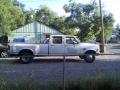
Ditto. Looking at your photo, it looks like uneven weight distribution is causing the sway. You have too much weight on your drive axle and not enough on the steering axle. So with an overloaded trailer the tail is waging the dog. My advice, get a WD hitch and stay within the trailer's gross.
Senior User
Joined: Nov 2008
Posts: 113
Likes: 0
From: Western NC
I wouldn't wait for overload springs on the rear before you add weight distribution. You will actually reduce the weight on the rear axle when you distribute it to the front. That will be the biggest handling upgrade you can do to your current rig.
Super Moderator
Joined: Aug 2003
Posts: 25,479
Likes: 742
From: Isanti, MN
Wow, this is gonna be a fun thread! 
Consider for a moment what causes sway. Sway is NOT caused by lateral motion over the axles. Sway is caused by a number of different factors and has most to do with center of gravity, proper tongue weight, and proper weight distribution.
He's exactly right. Trailer sway is when the rear axle of the tow vehicle stays planted and the front axle of the tow vehicle can't stop the lateral motion. When you put a large amount of tongue weight behind your rear axle you lever weight off of your steering axle. This throws most of your weight on your "pivot" axle and off of your front axle, which is your best friend when it comes to controlling sway. A proper WD hitch would put that weight back on the front axle and help it control the rig, while also allowing you to safely apply as much tongue weight as necessary to keep things stable.
All other comments regarding car tires are true; they will not last long and probably aren't the safest choice for a trailer tire. I'd never put one on a trailer, but it has NOTHING to do with sway!
You want air helper springs, NOT the metal bolt-ons. Air helper springs allow you to put as much spring assist as you want on your rear suspension, which lets you adjust the suspension for each load. When you're empty, deflate the bags to 5 PSI and it won't hurt your unloaded ride. When loaded most kits can provide up to 5,000 lbs worth of spring assist simply by pumping them up. Metal helper springs will simply make your truck ride like a brick and not give you ability to adjust your suspension.
Sorry I couldn't reply sooner, Bill. I was given a last minute load and I had to get to Flagstaff ASAP...
Consider for a moment what causes sway. Sway is NOT caused by lateral motion over the axles. Sway is caused by a number of different factors and has most to do with center of gravity, proper tongue weight, and proper weight distribution.
Originally Posted by horsepuller
Ditto. Looking at your photo, it looks like uneven weight distribution is causing the sway. You have too much weight on your drive axle and not enough on the steering axle. So with an overloaded trailer the tail is waging the dog. My advice, get a WD hitch and stay within the trailer's gross.
All other comments regarding car tires are true; they will not last long and probably aren't the safest choice for a trailer tire. I'd never put one on a trailer, but it has NOTHING to do with sway!
You want air helper springs, NOT the metal bolt-ons. Air helper springs allow you to put as much spring assist as you want on your rear suspension, which lets you adjust the suspension for each load. When you're empty, deflate the bags to 5 PSI and it won't hurt your unloaded ride. When loaded most kits can provide up to 5,000 lbs worth of spring assist simply by pumping them up. Metal helper springs will simply make your truck ride like a brick and not give you ability to adjust your suspension.
Sorry I couldn't reply sooner, Bill. I was given a last minute load and I had to get to Flagstaff ASAP...
Thread Starter
|
Modular motor junkie
Joined: May 2009
Posts: 6,190
Likes: 8
From: Texas
Ok, I will get the WD hitch and air springs, and as my tires get worn out replace them with the proper trailer tires.
EDIT: Are light truck tires ok? I can get them used, $20 per tire.
EDIT: Are light truck tires ok? I can get them used, $20 per tire.
Thread Starter
|
Modular motor junkie
Joined: May 2009
Posts: 6,190
Likes: 8
From: Texas
horse puller,
I never meant to load it that heavy, I greatly miss judged the weight of sheets of 5/8 steel plate and a few old plows.
1/2 of the problem with it sitting down in back is steel plate over the axle, the other half is tongue weight.
I had it balanced, The long over hang acts like a leverage bar and it has the rear sitting higher then the front with just 3,000-4,000 on the trailer.
I never meant to load it that heavy, I greatly miss judged the weight of sheets of 5/8 steel plate and a few old plows.
1/2 of the problem with it sitting down in back is steel plate over the axle, the other half is tongue weight.
I had it balanced, The long over hang acts like a leverage bar and it has the rear sitting higher then the front with just 3,000-4,000 on the trailer.