When you click on links to various merchants on this site and make a purchase, this can result in this site earning a commission. Affiliate programs and affiliations include, but are not limited to, the eBay Partner Network.
I don't post often, but read a ton. Now I have an issue I really need help on. Couple of months ago the wife and I felt the a/c on the EX was not performing as usual. (2000 EX, XLT, 2wd, V-10, 115K miles) So, I did the standard practice of throughly cleaning and straighting the fins of the condenser. Then I opened the access cover to the heater core and made sure the blend door and control door were not jammed and operating properly -- no problems found. So, I resorted to the dealership which told me there were no leaks and the refrigerant level was good. "It's just getting old and tired" was the best they could do to the tune of $100. I noticed this weekend that the water from the a/c was draining from a slightly different spot under the truck. Hmmmmmm......so I pulled the inner fender cover from the front passanger wheel to inspect the evaporator drain and here is what I found:
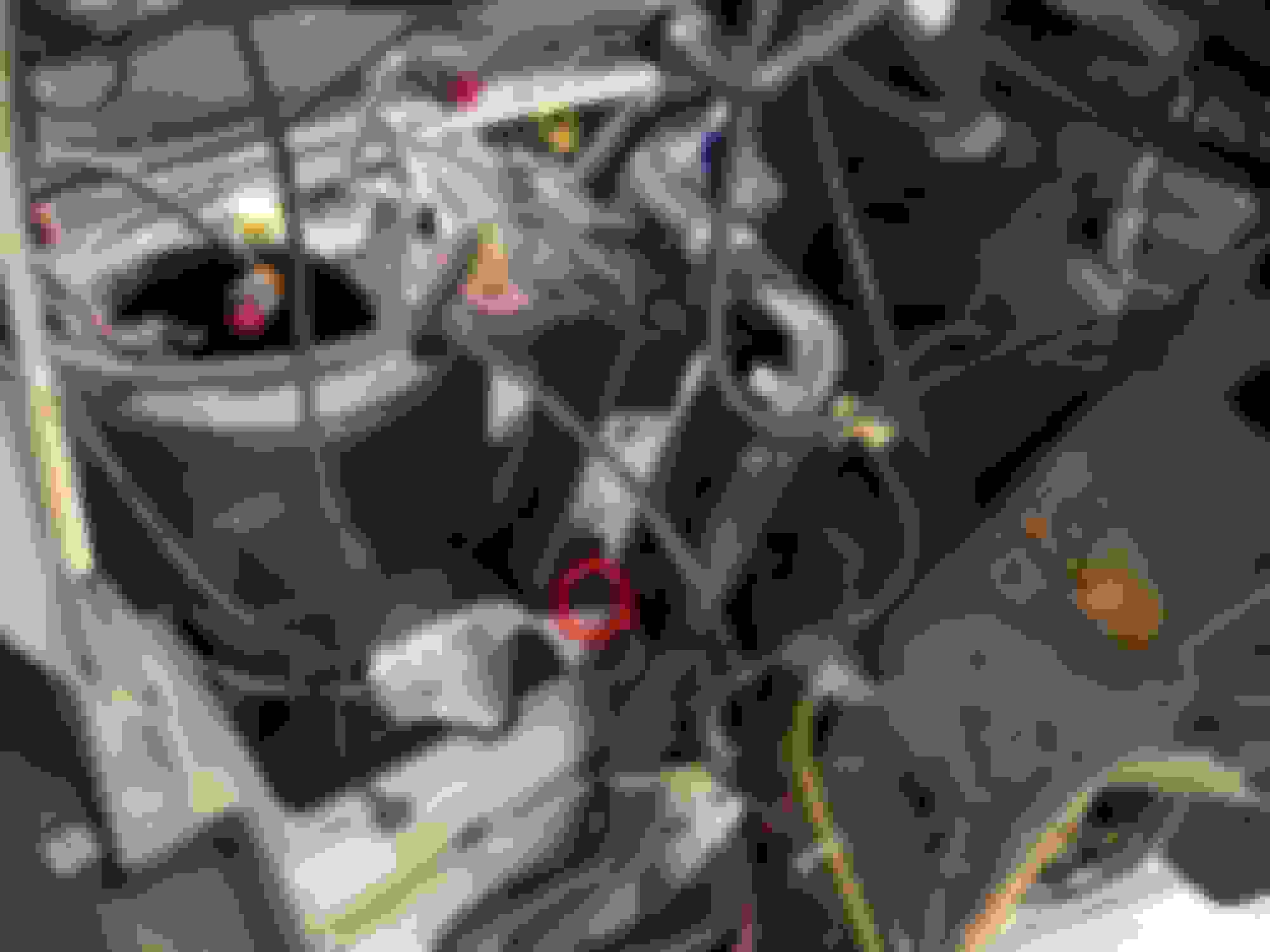
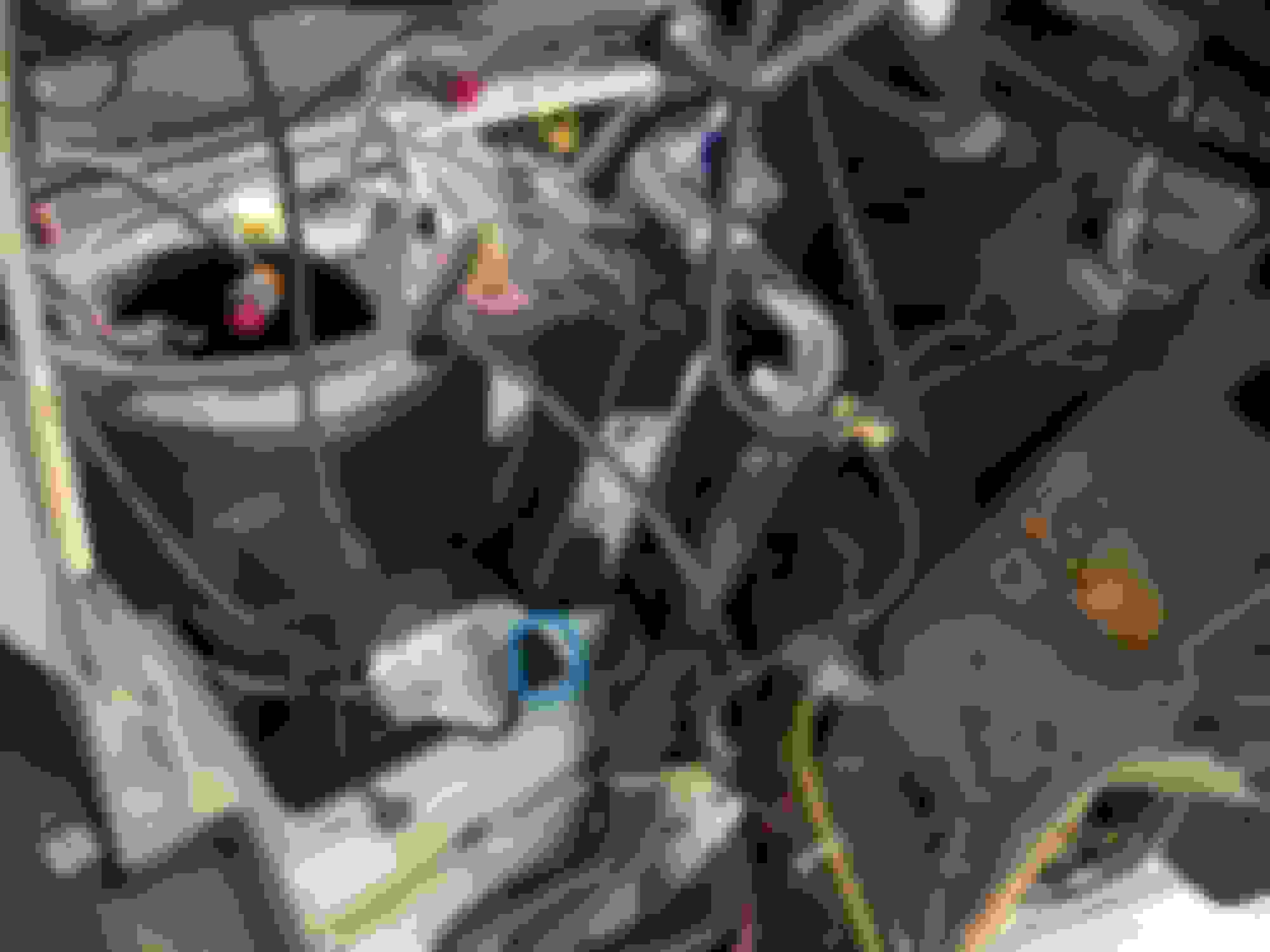
No water (dry as a bone!) is draining from the drain tube. However, there is water draining from the evaporator box just forward of the drain tube. This is hard to explain, so I took a picture and it is posted in my gallery. The green arrow shows where it should be draining & the red one shows where it IS draining.
Here's the fun part: In normal a/c mode, freezing cold air is blowing out of the drain tube and where the water is currently draining from. In Max a/c, no air blows from the drain tube but cold air still exits from the current drain point.
Now I know where all my cold air is going -- outside!! Problem is, I haven't a clue of where to start in fixing this problem. Suggestions?
Man, that is weird. I think the only thing you can do is to pull the whole HVAC ducting or at least little by little to find out what is blocking it all up.
Thanks Monsta...I've got a 3-day weekend coming up (yeah!!) and a box full of tools. I want to get this fixed...as far as the snakes go: actually - yes, but I don't even want to go there!
Anybody out there that can help me narrow it down?
As far as I can tell and reach, there are no obstructions to the drain tube...cold air is flowing out of the tube when in regular a/c mode. No airflow or water when in Max a/c.
This is a real old thread I realize, but did you ever figure out what was blocking the drain hole? If so, what did yo have to do to fix it?
thank you.
Kilauea
dust that collects inside the housing gets turned to mud from the condensation, the mud blocks the drain tube and now the water raises until it finds a way to drain.
Since the original poster mentioned removing the inner fender liner to gain access, he must be referring to the front coil, and drain. The front evap box does not have a drain tube, there is a molded half circle opening, 1 quarter on each half that makes the drain exit. It can still get clogged I suppose with a build up of dust to mud, but it's a fairly large opening, and is located below the evap coil after the fan, so that drain hole is part of the forced air over the coil, and will have positive air discharge coming out of it. There IS an actual stubby drain hose for the heater core that comes through the firewall.
Just wanted to say thanks for your reply. With the assistance of your photo I was able to feel around on the firewall and locate the metal ring that is around the ac drain hole. Without your input I wouldn’t have known what I was looking, or rather feeling, for. Sure enough it was clogged with mud.
Since your original post, did you by chance put on a pvc elbow on the drain hole to try to deep dust from being pushed by air into the housing? Ford parts says that they make this elbow for later models F150s but I am not sure if a) it will fit my F250 or b) if it stays on.
Just wondered if by chance you tried this. Thanks again for your original post and picture all those years ago that helped me locate the ac drain and for your reply to my recent question concerning what the problem was.