



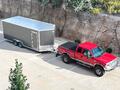

Why would this be here?

Thread Starter
|
Trailering
Joined: Feb 2016
Posts: 17
Likes: 4
Just be aware that not all "over the axle" air bag brackets are created equally.
My air bag story: Air Lift 57298 & 88298 Install
My air bag story: Air Lift 57298 & 88298 Install
Thread Starter
|
Trailering
Joined: Feb 2016
Posts: 17
Likes: 4
Thank you for the pic. Also, thanks to everyone’s input. I will let you all know if I end up buying the truck. I am hesitant to drop the coin as these trucks have gone up in price quite a bit. I’ll also be traveling back in time from my current 6.0 SRW auto to a DRW 7.3 ZF6.

Laughing Gas


Joined: Jun 2013
Posts: 1,098
Likes: 514
From: Yokosuka Japan
Thank you for the pic. Also, thanks to everyone’s input. I will let you all know if I end up buying the truck. I am hesitant to drop the coin as these trucks have gone up in price quite a bit. I’ll also be traveling back in time from my current 6.0 SRW auto to a DRW 7.3 ZF6.
and whats the downside to that? Dually more load control less sway, ZF6... sounds good to me... OH yeah and a 7.3 that does not blow like a hooker during fleet week! dayum son what you waiting for?

Thread Starter
|
Trailering
Joined: Feb 2016
Posts: 17
Likes: 4
Well, I had an inspection done on the truck since it’s on the other side of the country, and it was not great. So I used Lemon Squad to do the inspection which was recommended to me by someone who recently used them. I was hesitant due to seeing some reviews, but I went ahead anyways. Well, this report came with a great write up and 489 detailed pics. They took paint measurements, road tested the truck. Despite a clean car fax, there was significant body repairs done along the passenger side, cab corner, and tailgate. Oil leaks were evident and some other weird stuff. Noise was present from input shaft bearing after the truck came to temp and they suggested further diagnosis. Needless to say, I’m a bit broken hearted that I will not be moving forward to purchase this truck. Looked good from far, but far from good. Needless to say, I am still in the market for a clean early model F350 Super Duty

Super Moderator


Joined: Dec 2011
Posts: 13,337
Likes: 6,117

Well, I had an inspection done on the truck since it’s on the other side of the country, and it was not great. So I used Lemon Squad to do the inspection which was recommended to me by someone who recently used them. I was hesitant due to seeing some reviews, but I went ahead anyways. Well, this report came with a great write up and 489 detailed pics. They took paint measurements, road tested the truck. Despite a clean car fax, there was significant body repairs done along the passenger side, cab corner, and tailgate. Oil leaks were evident and some other weird stuff. Noise was present from input shaft bearing after the truck came to temp and they suggested further diagnosis. Needless to say, I’m a bit broken hearted that I will not be moving forward to purchase this truck. Looked good from far, but far from good. Needless to say, I am still in the market for a clean early model F350 Super Duty
However, that being said, if such a business inspects all manner of cars and trucks, then while that in and of itself may be advantageous, as the broad experience broadens the perspective of the vehicle inspectors... the very breadth of that perspective may simultaneously be a detriment, as something that would seem "amiss" in a Toyota Corolla, like an oil leak, might not be as big of a deal killer if found in a 7.3L Super Duty.
It sometimes of takes a person with specific experience with the 7.3L Fords to recognize what is worrisome, versus what is par for the course. A person familiar with the 7.3L will know that the most dramatic and catastrophic looking oil leak in the 7.3L, is actually the cheapest and easiest to fix (HPOP fitting O-ring). They will know that wetness around the rear main seal does not automatically mean that the rear main seal is actually leaking.
The foregoing situations are simply said as examples to communicate a concept, and are not intended to speak to any specifics contained in the report that you received, which I obviously have not seen. The point to the concept being communicated is that it is possible to end up bypassing what could be a fair deal on this vintage of truck (as well as get stuck with a costly cold turkey) when relying on an inspector who may not have as much specific experience with this particular genre of truck.
As another example, my passenger front fender has some body damage, even though my truck has NEVER been in a collision. It would certainly look like some body repair work has been done, if I were to sell the truck and the inspector pulled the wheel well liner down and saw some damage. Then, the inspector might paint me as a liar, since I swore up and down that the truck has never been in a wreck.
How would you know who to believe? Out of caution, you would believe the inspector, and I wouldn't blame you.
But in reality, the fender damage was done when my right front tire blew out inside a nearly mile long tunnel, and I couldn't pull over until getting out of the tunnel, and the tread flap of the tire whipped around repeatedly until I could get safely to the side of the road after emerging from the tunnel.
I went to Ford and bought a brand new OEM fender, fender liner, and several other OEM parts that I guessed might be affected, and put all those new parts away, because from a distance, one cannot see that the fender is damaged, and I wanted to wait until I repainted the entire truck before installing the new fender and related parts.
Of course, if I repaint the entire truck, the inspector, after pulling out their paint film thickness meter, will then exclaim... ah ha! This truck has been repainted. Therefore it must have been in a terrible wreck. Then out comes their flash light, where they find a Ford OEM part number with the letter Z in the 4th position, indicating that it is a replacement part, not the original production part that the truck was built with. Ah HA! more evidence of a collision, they will say.
But in reality, there was no collision. My truck is 25 feet long, and cannot fit in normal garage, and I don't have an aircraft hanger large enough to store the Goodyear Blimp like FTN has attached to his kitchen. After 24 years baking in the western sun, the clear coat has blistered away on the horizontal surfaces, exposing the base coat to searing UV, tree sap, and bird poo... so the paint looks terrible, and one day I'd like to fix that.
Yet naturally, as a buyer, you are justified to be skeptical, and choose to go with the inspector's findings that indicate "major" body work, despite the fact that unless the inspector finds something wrong to warn a client about, the fees that the inspector charges will seem unjustified.
So it can be a Catch 22, darned if you do, darned if you don't... when relying on an inspection service (which is again, a good idea) to inspect a vehicle. There certainly is a lot of deceit out there nowadays, but while rare, there can be a few decent people out there too, particularly among older folks, who grew up with a different mindset than what seems prevalent today.
You could end up passing up a truck that has been fastidiously cared for under the hood and chassis, even though the paint looks like crap. Or even though the truck has obviously been repainted. It is actually quite difficult to do what you are doing, and I am in no way criticizing your method. I am just presenting counterpoints to simultaneously weigh and balance as your search continues.
You foreshadow You foreshadow? Is a 6.7 looming in your not too distant future?
Thread Starter
|
Trailering
Joined: Feb 2016
Posts: 17
Likes: 4
I never heard of such a used car inspection service until your post. Seems like a reasonable idea, and a needed business.
However, that being said, if such a business inspects all manner of cars and trucks, then while that in and of itself may be advantageous, as the broad experience broadens the perspective of the vehicle inspectors... the very breadth of that perspective may simultaneously be a detriment, as something that would seem "amiss" in a Toyota Corolla, like an oil leak, might not be as big of a deal killer if found in a 7.3L Super Duty.
It sometimes of takes a person with specific experience with the 7.3L Fords to recognize what is worrisome, versus what is par for the course. A person familiar with the 7.3L will know that the most dramatic and catastrophic looking oil leak in the 7.3L, is actually the cheapest and easiest to fix (HPOP fitting O-ring). They will know that wetness around the rear main seal does not automatically mean that the rear main seal is actually leaking.
The foregoing situations are simply said as examples to communicate a concept, and are not intended to speak to any specifics contained in the report that you received, which I obviously have not seen. The point to the concept being communicated is that it is possible to end up bypassing what could be a fair deal on this vintage of truck (as well as get stuck with a costly cold turkey) when relying on an inspector who may not have as much specific experience with this particular genre of truck.
As another example, my passenger front fender has some body damage, even though my truck has NEVER been in a collision. It would certainly look like some body repair work has been done, if I were to sell the truck and the inspector pulled the wheel well liner down and saw some damage. Then, the inspector might paint me as a liar, since I swore up and down that the truck has never been in a wreck.
How would you know who to believe? Out of caution, you would believe the inspector, and I wouldn't blame you.
But in reality, the fender damage was done when my right front tire blew out inside a nearly mile long tunnel, and I couldn't pull over until getting out of the tunnel, and the tread flap of the tire whipped around repeatedly until I could get safely to the side of the road after emerging from the tunnel.
I went to Ford and bought a brand new OEM fender, fender liner, and several other OEM parts that I guessed might be affected, and put all those new parts away, because from a distance, one cannot see that the fender is damaged, and I wanted to wait until I repainted the entire truck before installing the new fender and related parts.
Of course, if I repaint the entire truck, the inspector, after pulling out their paint film thickness meter, will then exclaim... ah ha! This truck has been repainted. Therefore it must have been in a terrible wreck. Then out comes their flash light, where they find a Ford OEM part number with the letter Z in the 4th position, indicating that it is a replacement part, not the original production part that the truck was built with. Ah HA! more evidence of a collision, they will say.
But in reality, there was no collision. My truck is 25 feet long, and cannot fit in normal garage, and I don't have an aircraft hanger large enough to store the Goodyear Blimp like FTN has attached to his kitchen. After 24 years baking in the western sun, the clear coat has blistered away on the horizontal surfaces, exposing the base coat to searing UV, tree sap, and bird poo... so the paint looks terrible, and one day I'd like to fix that.
Yet naturally, as a buyer, you are justified to be skeptical, and choose to go with the inspector's findings that indicate "major" body work, despite the fact that unless the inspector finds something wrong to warn a client about, the fees that the inspector charges will seem unjustified.
So it can be a Catch 22, darned if you do, darned if you don't... when relying on an inspection service (which is again, a good idea) to inspect a vehicle. There certainly is a lot of deceit out there nowadays, but while rare, there can be a few decent people out there too, particularly among older folks, who grew up with a different mindset than what seems prevalent today.
You could end up passing up a truck that has been fastidiously cared for under the hood and chassis, even though the paint looks like crap. Or even though the truck has obviously been repainted. It is actually quite difficult to do what you are doing, and I am in no way criticizing your method. I am just presenting counterpoints to simultaneously weigh and balance as your search continues.
You foreshadow You foreshadow? Is a 6.7 looming in your not too distant future?
However, that being said, if such a business inspects all manner of cars and trucks, then while that in and of itself may be advantageous, as the broad experience broadens the perspective of the vehicle inspectors... the very breadth of that perspective may simultaneously be a detriment, as something that would seem "amiss" in a Toyota Corolla, like an oil leak, might not be as big of a deal killer if found in a 7.3L Super Duty.
It sometimes of takes a person with specific experience with the 7.3L Fords to recognize what is worrisome, versus what is par for the course. A person familiar with the 7.3L will know that the most dramatic and catastrophic looking oil leak in the 7.3L, is actually the cheapest and easiest to fix (HPOP fitting O-ring). They will know that wetness around the rear main seal does not automatically mean that the rear main seal is actually leaking.
The foregoing situations are simply said as examples to communicate a concept, and are not intended to speak to any specifics contained in the report that you received, which I obviously have not seen. The point to the concept being communicated is that it is possible to end up bypassing what could be a fair deal on this vintage of truck (as well as get stuck with a costly cold turkey) when relying on an inspector who may not have as much specific experience with this particular genre of truck.
As another example, my passenger front fender has some body damage, even though my truck has NEVER been in a collision. It would certainly look like some body repair work has been done, if I were to sell the truck and the inspector pulled the wheel well liner down and saw some damage. Then, the inspector might paint me as a liar, since I swore up and down that the truck has never been in a wreck.
How would you know who to believe? Out of caution, you would believe the inspector, and I wouldn't blame you.
But in reality, the fender damage was done when my right front tire blew out inside a nearly mile long tunnel, and I couldn't pull over until getting out of the tunnel, and the tread flap of the tire whipped around repeatedly until I could get safely to the side of the road after emerging from the tunnel.
I went to Ford and bought a brand new OEM fender, fender liner, and several other OEM parts that I guessed might be affected, and put all those new parts away, because from a distance, one cannot see that the fender is damaged, and I wanted to wait until I repainted the entire truck before installing the new fender and related parts.
Of course, if I repaint the entire truck, the inspector, after pulling out their paint film thickness meter, will then exclaim... ah ha! This truck has been repainted. Therefore it must have been in a terrible wreck. Then out comes their flash light, where they find a Ford OEM part number with the letter Z in the 4th position, indicating that it is a replacement part, not the original production part that the truck was built with. Ah HA! more evidence of a collision, they will say.
But in reality, there was no collision. My truck is 25 feet long, and cannot fit in normal garage, and I don't have an aircraft hanger large enough to store the Goodyear Blimp like FTN has attached to his kitchen. After 24 years baking in the western sun, the clear coat has blistered away on the horizontal surfaces, exposing the base coat to searing UV, tree sap, and bird poo... so the paint looks terrible, and one day I'd like to fix that.
Yet naturally, as a buyer, you are justified to be skeptical, and choose to go with the inspector's findings that indicate "major" body work, despite the fact that unless the inspector finds something wrong to warn a client about, the fees that the inspector charges will seem unjustified.
So it can be a Catch 22, darned if you do, darned if you don't... when relying on an inspection service (which is again, a good idea) to inspect a vehicle. There certainly is a lot of deceit out there nowadays, but while rare, there can be a few decent people out there too, particularly among older folks, who grew up with a different mindset than what seems prevalent today.
You could end up passing up a truck that has been fastidiously cared for under the hood and chassis, even though the paint looks like crap. Or even though the truck has obviously been repainted. It is actually quite difficult to do what you are doing, and I am in no way criticizing your method. I am just presenting counterpoints to simultaneously weigh and balance as your search continues.
You foreshadow You foreshadow? Is a 6.7 looming in your not too distant future?
I really appreciate your input. When I showed my wife the report, she suggested I try to speak with the inspector because obviously I am paying for a service for him to nitpick and find issues. Like you mentioned, many of these “issues” may be easy and cheap to resolve and I may be losing the opportunity to purchase an overall decent truck. Considering the hardships I have gone through with my 6.0l, I just don’t want a repeat. Again, well written response that is greatly appreciated.
FTE Stories
Ford Trucks for Ford Truck Enthusiasts

Top 10 Fords at 2026 Carlisle Ford Nationals
Joe Kucinski
3 Best / 3 Worst Parts of Modern Ford Ownership
Brett Foote
10 Amazing Upgrades That Solve Common Ford Truck Owner Headaches
Pouria Savadkouei
Every 2026 Ford Engine Explained
Brett Foote
10 Ugly Ford Trucks That We Still Kinda Love
Joe Kucinski
10 Things Every Truck Owner NEEDS (2026 Edition)
Michael S. Palmer
Rezvani's Latest Post-Apocalyptic Monster Is a Ford F-150 Raptor Underneath
Verdad Gallardo
Top 10 Most Expensive Ford Trucks Ever Sold on Bring a Trailer
Joe Kucinski
2027 Ford Super Duty Buyer's Guide (Every Model, Engine, & Package)
Brett Foote
Lead Driver


Joined: Jul 2017
Posts: 6,862
Likes: 2,335
From: WV

Originally Posted by Rjf250
Considering the hardships I have gone through with my 6.0l, I just don’t want a repeat.

Seriously though, good luck on your search.
Originally Posted by udsuth78
A 6.7? Who the hell would want one of those? All that HP torque, and fuel economy. That's just crazy talk.

Don’t forget about the 10 speeds to help it all get down the road.

Lead Driver


Joined: Oct 2005
Posts: 6,129
Likes: 1,919
From: Ponca City, OK
Those things ain't right. A 10 speed automatic is some kind of crime against the universe or something. Somebody had to have sold their soul to the devil to bring that abomination into this world. Remember when 10 speeds were only available in manual shift big trucks and bicycles?