



Compression Test Results- Help Me Understand

Thread Starter
|
Mountain Pass
Joined: Apr 2022
Posts: 138
Likes: 11
Compression Test Results- Help Me Understand
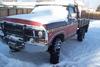
Hello- this forum has been so valuable to me over the years. I bought my 1974 F250 with zero experience working on cars and have done a ton to it. And everyone on this forum has helped me along the way. That said, the truck has been running rough recently. After about 30 minutes of driving, it lurches and occasionally backfires. The logical thing was a carburetor but before I did that, I did a compression test. And here are the results ( I did each cylinder 3x )
1- 96,96,96
2- 100,100,101
3- 34, 34, 34 and then did it wet and got 40,40,40
4-100,100, 100
5-75,75,75 and then wet and got 75,75,75
6-100,100,100
7-95,90,90
8-90,90,90
I know I have a problem but don't know what the problem is or how severe it could be. Shot engine ? Head gasket ?
Any help would be greatly appreciated.
Thanks.
1- 96,96,96
2- 100,100,101
3- 34, 34, 34 and then did it wet and got 40,40,40
4-100,100, 100
5-75,75,75 and then wet and got 75,75,75
6-100,100,100
7-95,90,90
8-90,90,90
I know I have a problem but don't know what the problem is or how severe it could be. Shot engine ? Head gasket ?
Any help would be greatly appreciated.
Thanks.

Lead Driver


Joined: Oct 2018
Posts: 7,845
Likes: 2,353
What is the known history of the engine? this test was done with the throttle held open? it would appear the engine is pretty tired with a couple bad ones. the why isn't that important you'll figure that out on teardown.
It could be several things but the only one you're going to fix without pulling the engine is on the top end. pull the valve cover and see if there's anything wrong with the rocker or pushrod on #3.
It could be several things but the only one you're going to fix without pulling the engine is on the top end. pull the valve cover and see if there's anything wrong with the rocker or pushrod on #3.
Cargo Master

Joined: Nov 2009
Posts: 2,364
Likes: 117
From: starship enterprise
happy to see it is a learning curve. Agreed that if the compression test was performed correctly and accurately, there is a major repair coming. Any additional information might help such as spark plug condition and appearance, any indication of oil or coolant usage, any exhaust smoke, and blow by or crankcase pressure. If you do not understand this then research can lead you to hopefully contemplating and understanding how to check for it. There are lots of things could cause at this point. As far as understanding what the compression test means, it is fundamentals that an engine is an air pump and compression is the ability to retain the air within the pump, and a compression test designates that the higher cylinders are not leaking, or sealing more completely, the lower cylinders are leaking somewhere like head, valve, head gasket, rings, cylinder wall, or the valve is not opening causing air to not enter into combustion chamber, such as bent push rod, bad cam lobe, damaged rocker arm, so on. The oil in the cylinder is a way to simulate a better seal on a bad ring generally, indicating that if compression comes up with oil issue is like to be in the cylinder, where your added oil test was still very low, that would indicate to me there is additional problems other than within the cylinder itself. A leakdown test can possibly indicate more of pinpoint to the problem. However, at this point, I feel that that is just more compiled data for your own vehicle to waste more time.
I would guess the engine must come apart, atleast some what. You are possible to remove valve cover and rockerarm and find an issue, however my intuitiveness would lead me to believe that something caused that issue and additional investigation is generally necessary. As you remove parts from your FE engine, be VERY cautious and careful as there are some special shaped bolts in the upper end that are VERY easily mixed with ordinary bolts and if these bolts are all removed and hot tanked and cleaned and reinstalled in incorrect orientation, you might as well kiss that engine bye bye.
I would guess the engine must come apart, atleast some what. You are possible to remove valve cover and rockerarm and find an issue, however my intuitiveness would lead me to believe that something caused that issue and additional investigation is generally necessary. As you remove parts from your FE engine, be VERY cautious and careful as there are some special shaped bolts in the upper end that are VERY easily mixed with ordinary bolts and if these bolts are all removed and hot tanked and cleaned and reinstalled in incorrect orientation, you might as well kiss that engine bye bye.
Thread Starter
|
Mountain Pass
Joined: Apr 2022
Posts: 138
Likes: 11
I bought the truck 2 years ago and was a bit misled from the owner. Long story, but I came to find out it had sat for probably 15 years prior. The test was done with the pedal pushed to the floor and turning over the ignition. 6 plugs were light brown and one was dark black. No unusual coolant or oil leaks other than what is a rear main seal below with oil kind of everywhere. I had 2 mechanics look at it prior to the compression test and both stated the engine ran great ( did not do any testing ) and the backfire / sputtering was surely due to a bad carb. That is why this compression comes as such a surprise. When I pull the valve cover, what am I looking for to determine if there is anything wrong with the rocker or pushrod ? This will be my first time looking at such. MANY THANKS.

Tuned
Joined: Apr 2023
Posts: 363
Likes: 108
I'm not a mechanic and there are a lot of people with a lot more knowledge than me, but I'd start with pulling the passenger valve cover. it's likely going to be the easiest and cheapest problems to identify and address as to why your down on cylinder 3.
could be the valves are sticking in the valve guilds (which means they might be able to be worked free) you can do this by taping on the rockers over the valves with a mallet. good moving valves will make a metallic sound when they move from being hit by the mallet than come back to contact the seat. a stuck one makes a flatter sound. you can also turn the motor over and you'd likely see the rocker moving but it coming off the top of the valves to a significant degree. the only thing here is it might be better to look for a cracked valve spring first because almost off of those checks would be similar with a cracked spring.
I'd also be checking to make sure the cylinder 3 rockers are moving. if they aren't that could be as simple as a bent push rod (taking some tension of the rocker and spinning the push rod with your fingers would identify if it's bent) if it's not bent and not moving it's likely a wiped cam lobe or a collapsed lifter. those are obviously going to be harder to fix, but still likely not machine shop time.
if all that looks good, you will likely want to do a valve lash adjustment. they should be hydraulic lifters so that makes it easier in that you are just removing all of the lash between the rocker and the valve and no need to use feeler gauges, but it can be pretty difficult your first time if you are following the traditional method which involves getting each cylinder to where each valve starts to open. what i was taught with hydraulic lifters was to check every rocker and adjust to zero lash while spinning the push rod, then turn the motor 90 degrees with a socket on the crank and do it again until you've turned the motor over at least 2 times. if you are still finding some lash after 2 rotations, keep doing the adjustments until you stop finding and lash between the rockers and valves.
if this didn't locate the compression issue, it's in the bottom end, and it likely needs to go to the machine shop.
could be the valves are sticking in the valve guilds (which means they might be able to be worked free) you can do this by taping on the rockers over the valves with a mallet. good moving valves will make a metallic sound when they move from being hit by the mallet than come back to contact the seat. a stuck one makes a flatter sound. you can also turn the motor over and you'd likely see the rocker moving but it coming off the top of the valves to a significant degree. the only thing here is it might be better to look for a cracked valve spring first because almost off of those checks would be similar with a cracked spring.
I'd also be checking to make sure the cylinder 3 rockers are moving. if they aren't that could be as simple as a bent push rod (taking some tension of the rocker and spinning the push rod with your fingers would identify if it's bent) if it's not bent and not moving it's likely a wiped cam lobe or a collapsed lifter. those are obviously going to be harder to fix, but still likely not machine shop time.
if all that looks good, you will likely want to do a valve lash adjustment. they should be hydraulic lifters so that makes it easier in that you are just removing all of the lash between the rocker and the valve and no need to use feeler gauges, but it can be pretty difficult your first time if you are following the traditional method which involves getting each cylinder to where each valve starts to open. what i was taught with hydraulic lifters was to check every rocker and adjust to zero lash while spinning the push rod, then turn the motor 90 degrees with a socket on the crank and do it again until you've turned the motor over at least 2 times. if you are still finding some lash after 2 rotations, keep doing the adjustments until you stop finding and lash between the rockers and valves.
if this didn't locate the compression issue, it's in the bottom end, and it likely needs to go to the machine shop.
Thread Starter
|
Mountain Pass
Joined: Apr 2022
Posts: 138
Likes: 11
Here is a quick video that may or may not be helpful. The push rods spin freely ( not sure how to take tension off the rocker ? ) and everything looks pretty similar. That said, I really dont know what I am looking at. As for hitting the rockers with a mallet, how much force is involved ? Let me know if your expert eyes see anything out of whack. THANKS.
Lead Driver
Joined: Oct 2018
Posts: 7,845
Likes: 2,353
Nothing there that would cause low compression, so it's internal.
You're looking at a teardown and rebuild. you could mess around and try to squeak a few more miles out of it but it's not worth it in my opinion.
You're looking at a teardown and rebuild. you could mess around and try to squeak a few more miles out of it but it's not worth it in my opinion.
Trending Topics

Fleet Mechanic


Joined: Feb 2022
Posts: 1,369
Likes: 705
Agreed. Forget the outliers, you’re low everywhere with respect to compression. Pull the engine (it’s easy), have it gone through by a competent machine shop, and enjoy for the next 20 years.
FTE Stories
Ford Trucks for Ford Truck Enthusiasts

AEV FXL Super Duty - the Super Duty Raptor Ford Doesn't Make
Brett Foote
Lobo Vs Lobo: Proof the F-150 Lobo Should Be Even Lower!
Michael S. Palmer
Ford's 2001 Explorer Sportsman Concept Looks For a New Home
Verdad Gallardo
10 Best Ford Truck Engines We Miss the Most!
Joe Kucinski
2026 Shelby F-150 Off-Road: Better Than a Raptor R?
Brett Foote
2027 Super Duty Carhartt Package First Look: 12 Things You NEED to Know!
Michael S. Palmer
10 Most Surprising 2026 Ford Truck Features!
Joe Kucinski
Top 10 Ford Trucks Coming to Mecum Indy 2026
Brett Foote
5 Best / 5 Worst Ford Truck Wheels of All Time
Joe Kucinski
Laughing Gas

Joined: Feb 2011
Posts: 995
Likes: 317
Get a leak down tester, Harbor Freight has them. Then go to Youtube University, learn, and do the leak down test. Armed with results from the leak down you will then have an accurate path forward without poking and hoping.
My gut says the engine probably needs rebuild but in your situation, facts are your friend. Nothing is cheap anymore and you don't want to be guessing.
My gut says the engine probably needs rebuild but in your situation, facts are your friend. Nothing is cheap anymore and you don't want to be guessing.

Tuned
Joined: Apr 2023
Posts: 363
Likes: 108
Here is a quick video that may or may not be helpful. The push rods spin freely ( not sure how to take tension off the rocker ? ) and everything looks pretty similar. That said, I really dont know what I am looking at. As for hitting the rockers with a mallet, how much force is involved ? Let me know if your expert eyes see anything out of whack. THANKS.
everything is moving good and nothing appears stuck so tapping the rocker on the valve side is unnecessary.
it being in the valve train was wishful thinking that it could be something cheap and easy. time to take the block to the machine shop

Tuned
Joined: Jun 2018
Posts: 458
Likes: 123
From: Arkansas
There's nothing really to gain or learn doing a leak down test, you have one cylinder so low on compression that it's not contributing and that's why you have one black plug. It's probably a burnt/leaky valve since the test barely improved with the cylinders wet. Having someone do a basic rebuild shouldn't be exorbitantly expensive but it'll probably be $2-3k if you farm it all out. Good time to hunt for a 390 core with a good crank/rods as I'm assuming you have a 360. When I did mine my builder had another customer with a cracked 390 block and he got me the crank/rods from that for like $50
Thread Starter
|
Mountain Pass
Joined: Apr 2022
Posts: 138
Likes: 11
Im a bit confused. Some are saying pull the engine and rebuild the whole thing. Others are saying pull the heads and have them machined. Doesnt a leakdown test provide clarity on where in the engine the issue lies and thus you would know if its just the heads that need to be pulled or the whole thing ?

Fleet Mechanic
Joined: Feb 2022
Posts: 1,369
Likes: 705
If you really want to do a leakdown test it will only serve to confirm the poor state of the rings. I guess you could do it just to learn the process, but I think it’s a wasted effort. Pulling the heads is pointless based on what you have told us and is a pain in the butt to do while the engine is in the truck anyway. You definitely have a completely dead cylinder, but all of the other ones are quite low as well. As mentioned above, if all you want is a basic rebuild it’s pretty cheap and will give you a lot of peace of mind as well. Just pull it.
Cargo Master
Joined: Nov 2009
Posts: 2,364
Likes: 117
From: starship enterprise
looking for blow by while engine is running will tell you some useful information. If there is measurable blowby then rings are likely a concern. Blow by has been known to come (rarely) from head gasket or valve guides, but generally rings. If you have little or no blow by and good oil pressure, the bottom end might be ok and just cylinder head issues need be addressed. A leak down test can measure this from cylinder to cylinder, I do not love leak down because if there is a small bad area in a cylinder, performance is impacted only minor and often not even noticeable because the piston travel by that one bad area so fast, like my 400 for example in 2016 I bored and rtebuilt and had 2 holes that had a bad spot in the bore on both in a similar area. I felt that it would clean at 0.030 over and I did not offset the boring bar to cut heavy on that side of the wall so it took 0.015 from the bad area and when finished those bad spots were still there. I ran the engine 10k miles and did a compression test just to see, those "bad" cylinders were exactly same. Engine has 50k HARD miles on it now. and starting to tire. I pulled it and resealed it in november. I guess it to make another 25k and be in need of a major going through. Now, moral of the story is if that cylinder had a leak down performed and the piston was setting directly on that imperfection within the bore, it would indicate major loss when stopped but the engine may not be effected in the same manner while running, hence the blow by monitor is often a more thorough test in my opinion, however in the event a leak down test indicates major leakage within the rings and there is no blow by to speak of, you know whats likely happening, you have bore imperfections.

Thread
Thread Starter
Forum
Replies
Last Post
truck crazy man
1987 - 1996 F150 & Larger F-Series Trucks
17
Feb 6, 2014 07:50 PM
rheal
FE & FT Big Block V8 (332, 352, 360, 390, 406, 410, 427, 428)
1
Apr 15, 2012 06:03 AM
MONAVIERONJON
Pre-Power Stroke Diesel (7.3L IDI & 6.9L)
3
Oct 15, 2009 11:50 PM
TheNomad
Big Block V8 - 385 Series (6.1/370, 7.0/429, 7.5/460)
11
Jun 18, 2008 08:35 PM