When you click on links to various merchants on this site and make a purchase, this can result in this site earning a commission. Affiliate programs and affiliations include, but are not limited to, the eBay Partner Network.
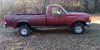
I will be picking up a 1994 F-150 4x4 that I purchased at auction this week. As this will be my first project truck, I'm wondering if some of you project veterans have any specific process, checklists or general starting points that you use to prioritize and kick off your repairs?
I know that this truck has some rust issues to address with the body (as well as some small body repairs), but other than that I haven't gone over it in detail to see what other fixes are needed.
Some specific questions:
Other than obvious fixes that need to happen (i.e. leaking oil, won't run, etc.) are there any upgrades/improvements to these models of trucks that you like to prioritize?
Do you have a checklist of things you look over that are common issues? I'm ex-military so I'm thinking of something like a PMCS checklist
Any common "hidden issues" that you would specifically look for?
Any specific parts-sourcing resources you would recommend?
For me, I do a bunch of research. See if there are any "known issues", like what is the most common parts that fail. Really evaluate the project with harsh eyes. See the project for what it really is. Make a list of all the issues that can be seen, then do cost analyst. Determine what the budget can handle and stick with it. Projects are secondary to house and family. Getting family involved could help project progress. Knowing personal limitations is financially good and good for one's sanity. Ask a lot of questions when in doubt and double check the responses that are given. Cosmetic is aesthetics. A beautiful vehicle that can not move under its own power is a paper weight or yard art, until it is mobile. Have realistic goals about the project. Stick to the plan and make little steps toward the goal. Cleaning the engine compartment has little financial cost, but makes it easier to work under the hood and can be motivational to do more. Little things add up, pace yourself. Most of all have fun with it. If it becomes a burden, think long and hard about cutting it loose. The next project might actually be the "one" and lessons learned on a successful or failed project are valuable. Best of luck with the truck.
I did mine back to front. When I bought it, it was drivable and had been registered "historic" in Maryland, which meant a lot of mechanical systems had been modified and neglected.
I didn't plan to do it back to front, it's just how it happened. I took the oversized tires and aftermarket wheels off, and set the truck on cinder blocks, outside.
I took the bed off and set it on saw horses.
I removed the fuel tanks, painted the frame, installed new fuel tanks, pumps and DFR.
Pulled the rear axles and did outer bearings and seals, drums, shoes, etc.
Moved to the front axle, then the cab floors, then rear quarters.
I kept it covered with a tarp. I kept the rear frame covered with plywood and the drums and rotors covered with garbage bags.
Weather and life events slowed me down. It took 5 years to complete. It's mechanically restored. The paint job is not professional.
I have $8 to $10 K in it, including purchase price and clutch, pressure plate, rear main seal, slave cylinder and windshield installation, which I paid to have done.
I now have to force myself to drive anything else.
A list of unexpected things that slowed me down:
Broken rear differential center pin retaining bolt.
Firewall flex that required a reinforcement plate.
A tap broken off in the driver's side exhaust manifold flange, by a previous owner.
Having to fabricate front brake dust shields.
Waiting for consecutive days of good weather to do paint and body work. Rear differential center pin retaining bolt. All the dust shields I found for sale, were reconditioned. I made my own. Firewall reinforcement plate.
Although I have not rebuilt any of these trucks YET I find that dealing with the drivetrain and getting it to move under it's own power is the first step of a project. In this case I would start on the engine. Try to get it running and see if it will move. Some people forget so DO NOT FORGET TO CHECK THE FLUIDS BEFORE DOING ANYTHING. Try to find out when it last ran if you can. That can usually indicate how long it's been since it potentially ran and can change the prep process on trying to get it to run. It doesn't hurt to try to find out why the truck was parked either but understandable if that's not an option. If it's a full rebuild I like to tear down the engine first and see what all needs love. Sure doesn't hurt to get the block inspected by a machine shop. Make a list of what you all need and then while waiting on parts at the same time or before you tear down the engine look over the frame and determine what all needs replaced. While waiting on engine parts (and tranny parts if needed) it's good to take the time and replace things like the brakes and suspension components. Now here's where it can vary on what to do next. I personally like to get a working drivetrain and make the truck road worthy. Once it's all buttoned up drive it enough to wear in the engine. I think 1500 miles should do it but everyone does it different. After it's all broken in start working a specific parts of the body. I would start with the box and work your way forward. You can do it all at once or one at a time. Although this might be useful there are many factors to the way this process is done. You may need to skip or add steps depending on the condition of the truck.
That's my 2 cents. Sorry if it seems kind of jumbled up but I hope this was somewhat useful.
Thanks for the reply: All good points and recommendations.
Project definition - don't need to drive it and have a big barn, so probably willing to strip it down (within reason) to fix whatever needs fixed.
Will have more details/pics once I get the vehicle picked up, it was essentially a city work truck that is in pretty good condition at 125,000 miles. Other than knowing that it runs without any "apparent" issues is about all I have at this point.
I will be picking up a 1994 F-150 4x4 that I purchased at auction this week. As this will be my first project truck, I'm wondering if some of you project veterans have any specific process, checklists or general starting points that you use to prioritize and kick off your repairs?
I know that this truck has some rust issues to address with the body (as well as some small body repairs), but other than that I haven't gone over it in detail to see what other fixes are needed.
Some specific questions:
Other than obvious fixes that need to happen (i.e. leaking oil, won't run, etc.) are there any upgrades/improvements to these models of trucks that you like to prioritize?
Do you have a checklist of things you look over that are common issues? I'm ex-military so I'm thinking of something like a PMCS checklist
Any common "hidden issues" that you would specifically look for?
Any specific parts-sourcing resources you would recommend?
Any general tips or advice for this model?
That's all good advice and pointers. Thankfully this thing is running (being used as a city work truck) and probably received regular maintenance but you never know until you climb under and over everything.
Good call on cutting it loose if it becomes too much - really have been looking for a project to have fun with and learn more about the process of making something what you want it to be.
did you do any rust removal on the frame before painting it? If so, what did you do?
I wire brushed it with brushes that fit in a drill. The rust was surface rust. This is a picture of a section I wiped off with the sole of my boot. Rust and mud.
I followed POR15's directions to the letter. That included degreaser, liquid metal etch and I brushed two coats of paint on.
I worked my way forward, and a few months after I did the rear of the frame, I got to the front. This is a picture I took of the shocks but it shows the frame.
Rezvani's Latest Post-Apocalytic Monster Is a Ford F-150 Raptor Underneath
Slideshow: Called the Fortress, the 850-horsepower pickup combines Raptor underpinnings with military-inspired features, survival equipment, and a starting price of $285,000.


 What is your process when starting a new Project?