






Quick spool valve

Thread Starter
|
More Turbo


Joined: Oct 2020
Posts: 546
Likes: 261
Quick spool valve
We have seen a ton of cool upgrades and changes to the T4 world in the last year or two. A lot of you have spent your hard earned money on going to a 363 or smaller exhaust housings, and just experimenting and reporting the results. Some have tried the turbonator which seems to have amazing results but some hardships to get to those results.
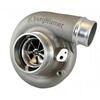
I keep an eye on the 7.3 Facebook groups too and someone posted this. I don’t think it would work as good as a turbonator which has more benefits once the kinks are worked out but what are your thoughts on this? May be a happy medium, less moving parts, help spool up a little.
https://dieselpumpuk.com/products/quick-spool-valve-v2-water-cooled
https://www.dodo-racing.com/produkt/t4-quick-spool-valve/
I did some research and it appears the results seem to be beneficial but figured I’d share and open up the discussion.
I keep an eye on the 7.3 Facebook groups too and someone posted this. I don’t think it would work as good as a turbonator which has more benefits once the kinks are worked out but what are your thoughts on this? May be a happy medium, less moving parts, help spool up a little.
https://dieselpumpuk.com/products/quick-spool-valve-v2-water-cooled
https://www.dodo-racing.com/produkt/t4-quick-spool-valve/
I did some research and it appears the results seem to be beneficial but figured I’d share and open up the discussion.
Cargo Master
Joined: May 2018
Posts: 2,442
Likes: 993
Would have to cut out the twin scroll of the T4 flange on the motor. It may not flow quite enough from both banks of the engine unless the up-pipes were redesigned. Just brainstorming, I have often wondered how well those work.

It's a Van Gogh


Joined: Feb 2010
Posts: 7,813
Likes: 1,335
From: Elk Grove, CA

I gather the basic idea is you can use a bigger turbo with this thing. Helps bridge the big/small turbo gap. It restricts volume of airflow down low so the speed of the air that passes is faster. This increases turbine speed at low boost levels so the big turbo comes on sooner down low. Then when it opens up (controlled how I dunno) you get full boost from the big turbo.
Thread Starter
|
More Turbo
Joined: Oct 2020
Posts: 546
Likes: 261
no doubt it’s better. Better on bottom and top end with the variable AR.
this may just help improve your existing setup a tad by spending a 1/3 of the money before blow off valves and other requirements
this may just help improve your existing setup a tad by spending a 1/3 of the money before blow off valves and other requirements

Fleet Owner
Joined: Jun 2004
Posts: 25,090
Likes: 1,112
From: Rio Rico, AZ.
Trending Topics
Cargo Master
Joined: May 2018
Posts: 2,442
Likes: 993
FTE Stories
Ford Trucks for Ford Truck Enthusiasts

3 Best / 3 Worst Parts of Modern Ford Ownership
Brett Foote
10 Amazing Upgrades That Solve Common Ford Truck Owner Headaches
Pouria Savadkouei
Every 2026 Ford Engine Explained
Brett Foote
10 Ugly Ford Trucks That We Still Kinda Love
Joe Kucinski
10 Things Every Truck Owner NEEDS (2026 Edition)
Michael S. Palmer
Rezvani's Latest Post-Apocalyptic Monster Is a Ford F-150 Raptor Underneath
Verdad Gallardo
Top 10 Most Expensive Ford Trucks Ever Sold on Bring a Trailer
Joe Kucinski
2027 Ford Super Duty Buyer's Guide (Every Model, Engine, & Package)
Brett Foote
Top 10 Ford Truck Tragedies
Joe Kucinski
Fleet Owner
Joined: Jun 2004
Posts: 25,090
Likes: 1,112
From: Rio Rico, AZ.
Or are we even talking about the same thing? What I'm talking about the the type of exhaust housing that has the moving vanes in them that change the angle of attack in relation to the position of the exhaust turbine wheel.
Cargo Master
Joined: May 2018
Posts: 2,442
Likes: 993
Yes, same thing
Fleet Owner
Joined: Jun 2004
Posts: 25,090
Likes: 1,112
From: Rio Rico, AZ.
Well, OK. Without studying up on their engineering strategy I'll just accept this answer for that particular application. It's just the first time that I've ever heard of a diesel engine with no throttle plate requiring a blow off valve.
Cargo Master
Joined: May 2018
Posts: 2,442
Likes: 993
The way the actuator controls the vanes causes the turbo to surge under certain situations requiring a BOV.
Fleet Owner
Joined: Jun 2004
Posts: 25,090
Likes: 1,112
From: Rio Rico, AZ.
That seems like a backwards way of doing things. The way my TDIs are tuned is the vanes default to wide open and a vacuum controlled actuator pulls them closed. When the PCM sees enough boost, it releases the vacuum to the canister and the vanes open up. At idle, the vanes are fully closed and when checking on things with the Vag-Com it will actually show a few millibars above atmosphere at idle. No blow off valve in this design or in any other diesel from them that I am aware of.