When you click on links to various merchants on this site and make a purchase, this can result in this site earning a commission. Affiliate programs and affiliations include, but are not limited to, the eBay Partner Network.
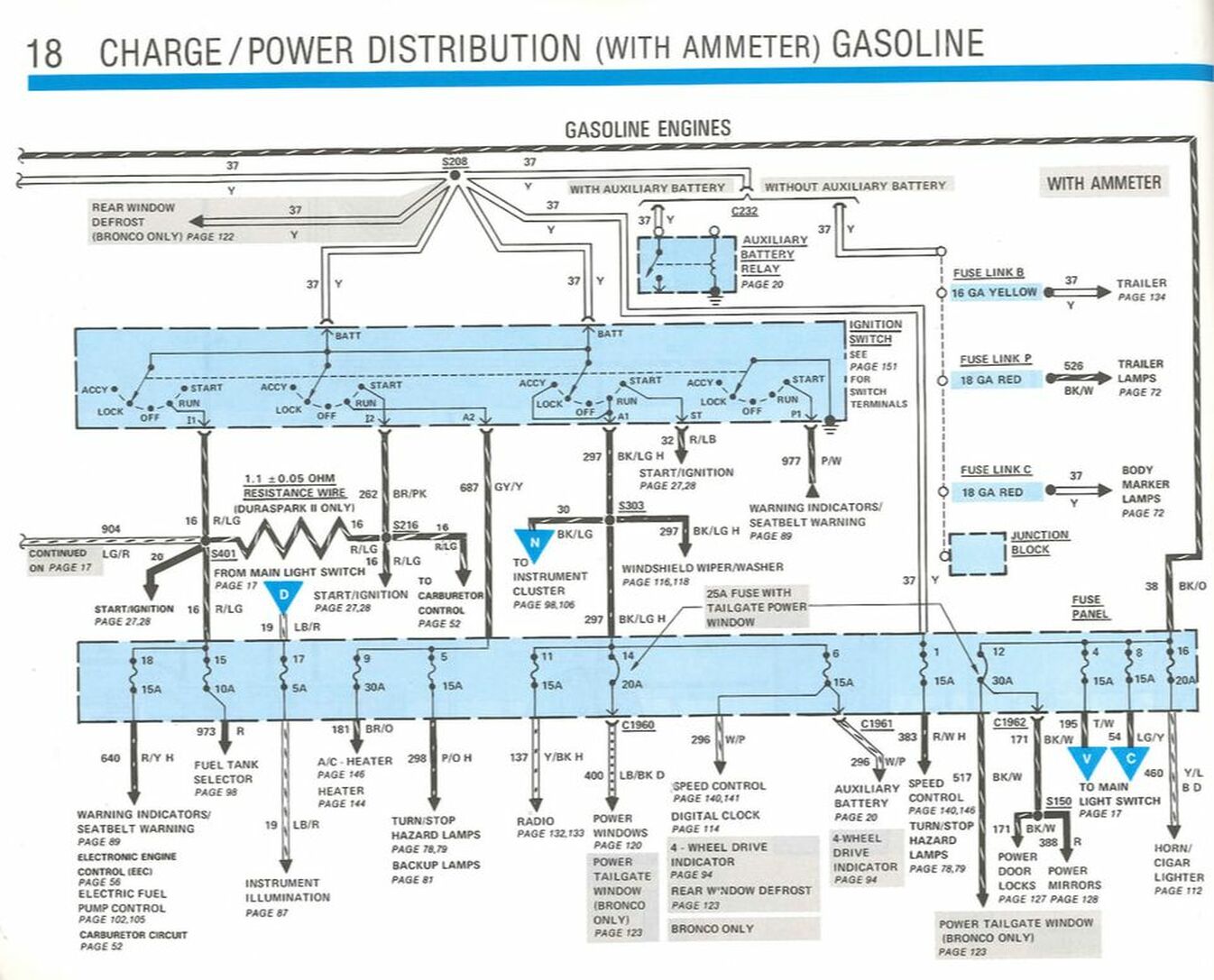
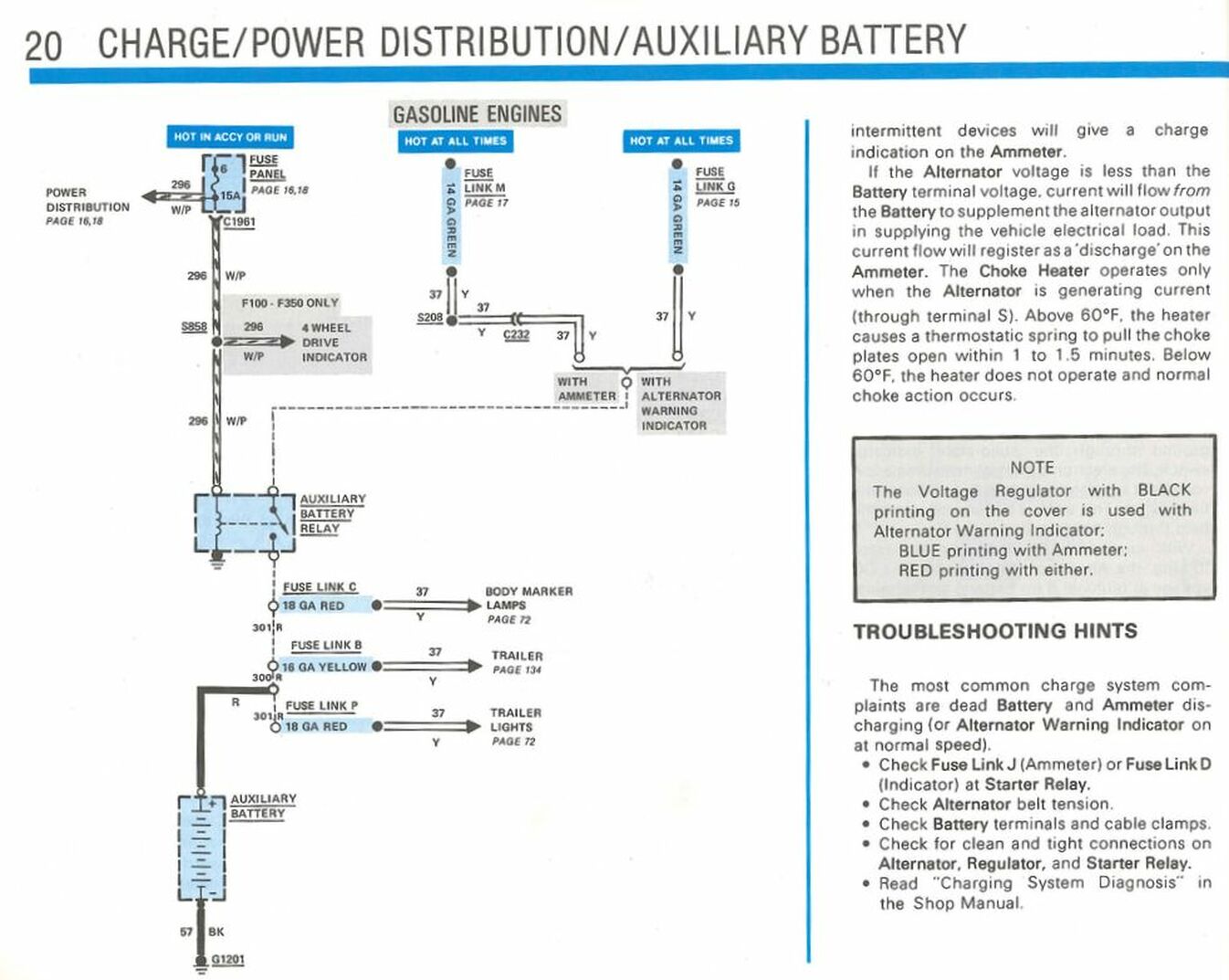
Hello: My first time posting here, I have a 1985 Ford F-250 with a 351W 5.8L, Truck came with a factory second battery I have my Camper, winch and accessory lights connected to it, I have a three way refrigerator and when traveling I run it on 12V power, when I stopped and switched off the 12V power I went into the camper and the lights wouldn't work, I then started and ran the truck and still no lights this worked once before when I accidently left the fridge on all day without the truck running, I then went to a local tire center and they told me the battery was dead it was 10 years old, I purchased a new battery, they then checked the voltage and found that the main battery was charging but the second battery was not, I then went to Napa and purchased a new Dual battery relay Solenoid and replaced the old one on the firewall, to test I drove home with the refer on 12V once I got home the lights worked on the camper, I then connected the trickle chargers on both batteries, The main battery had the green light come on right away but the second battery took over night so I'm thinking its still not being charged, is there someone that could help me out with this issue.
Thank You!!
Mark
Since your truck came with dual batteries is there a dual gauge set up also - just curious… if not I’d recommend running tests on the alternator output, particularly the current flowing to the secondary battery. I have a non-factory dual battery set up and with the engine running the dual battery isolator allows current flow to the main battery first and once it reaches capacity it then allows current flow to the auxiliary/secondary battery. So my second battery doesn’t receive a charging current until the first one is full - so to speak.
With that said, the primary battery needs to be in good health too in order for things to work right
Appreciate the message, No just a single gauge, the main battery is from 2017 and I keep a trickle charger on it year around, I will have to get an electrical tester and see if I can figure it out. When it comes to doing mechanical work I'm pretty proficient but not so good at electrical when trying to find issues like this, I purchased the truck in 89 and have done 90% of the work on it my self.
Again thanks for the response.
Mark
I added an auxiliary battery on my ‘84 F250, duplicating the factory setup. I haul a camper with 3-way fridge, powered by 12v while driving. The whole arrangement works wonderfully.
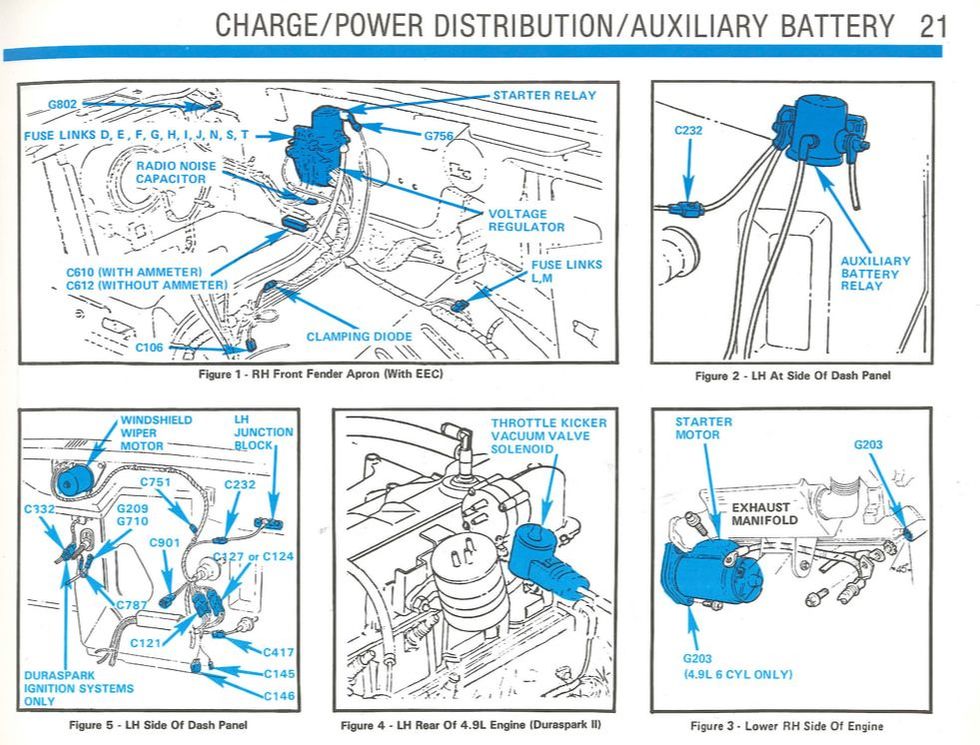
Test to see if the auxiliary battery relay is closing when the ignition is on. This is the big relay on the firewall, near the master cylinder. Mine makes an audible clunk when it cycles. IIRC, it’s fairly quiet when I turn on the ignition, but quite loud when I turn off the key. It’s easy to hear inside the cab.
If you hear the clunk, that means the relay is receiving the command to operate. It does not mean the heavy internal contacts are making a good connection to send charging power to the auxiliary battery, but at least the control circuit is good.
With a good clunk, the next step would be to put a voltmeter on the auxiliary battery and start the engine. Hold about 1500 RPM to ensure the alternator is charging. You should see around 13.7v. Compare with the voltage present at the main battery. The two values should be nearly identical, maybe 0.1v difference at most.
If no clunk when cycling the key, measure the voltage on the small terminal on the side of the relay. You should have battery voltage there with the key in the Run position. If not, check the fuse. I think it’s fuse #6 but will have to look up that tomorrow.
Thanks, I ordered one of those and another style that's a pencil type with an alligator clip should have them within a day or so then I can start testing.
I do hear a clunk and I checked all the fuses in the fuse box on the drivers side under the dash and there all good, I will have a tester shortly and will test the voltage.
OK, I got both testers and tested this weekend, with the tester plugged into the ciggeret lighter it was 14.6 at 1500 RPM and idle, I then tested the main battery while idling and it was 14.6, second spare battery was at 12.9, but after it idled for a bit it tested 14.3, I then turned on the fridge and the second spare battery that's connected to it was 13.2 at idle. With the engine off both battery's tested at about 13.4.
Correct me if I'm wrong but its looking like everything is working ok.
Mark
Those numbers don't look bad. The second battery voltage seems a little low at first, but that may be due to a marginally sized conductor between the two batteries. That may be limiting the rate of charge reaching the second battery. Not really a problem, but the accountants at Ford were not going to let you have a single strand of wire above the absolute minimum.
With the fridge drawing power at the same time, think of it like trying to fill a bath tub with the drain partially open. And with a marginally sized wire restricting current flow, it's as if the spigot was not fully open.
My camper setup is similar to yours. Before leaving on a trip, I like to connect a charger overnight on the second battery, to make it easier on the charging system once underway.
He also did the 2nd battery at idle and ice box on so if driving the ALT would also put out more and think the volts would come up.
Unless you have a 3G ALT installed.
Dave ----
A couple more thoughts, offered for free and worth every penny:
What is your typical driving pattern with the camper? Do you typically drive to a campsite within a couple of hours to stay for a few days? If so, and concerned about keeping the second battery fully charged, you could safely precool the fridge at home on propane or 110V, and then switch off the fridge while driving. Once you arrive, run the fridge on propane or 110V if available. The contents of the fridge will stay cool just fine for several hours.
If you do want to continue running the fridge on 12V while traveling, but keep forgetting to switch it off if you make a stop along the way, consider a low voltage disconnect. I installed a Cole Hersee 48610 in my camper's refrigerator 12V circuit. With the engine running, and available voltage above 13.0V, the fridge is connected to the battery. With the engine off, and battery voltage drops below 12.1V under load (usually within a minute or two), the fridge is automatically disconnected. Once you start the engine again and available voltage climbs over 13.0V (right away), the fridge is automatically reconnected. This is super handy when making short stops:
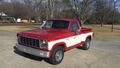
Well typically 2hrs or so this last trip was 4 plus, I usually pre-cool the fridge with 110 the night before never thought of not using the 12v short term not a bad idea could also depend on the outside temperature as well though its a good option. When traveling I turn off the 12v when stopping but sometimes I forget and it is a pain too turn it off and back on at every stop, the low voltage disconnect would be a great option I'm going to consider both and really appreciate the ideas!! I attached a photo of my truck and camper just washed it ready for the next trip, I typically drive it a half dozen or less times a year.
This Hennessey Takes the Expedition Tremor's Off-Roading Capability to the Next Level
Slideshow: The VelociRaptor Expedition gains a lift, upgraded suspension, Brembo brakes, and trail-ready equipment while retaining the stock 440-horsepower EcoBoost V6.
Rezvani's Latest Post-Apocalyptic Monster Is a Ford F-150 Raptor Underneath
Slideshow: Called the Fortress, the 850-horsepower pickup combines Raptor underpinnings with military-inspired features, survival equipment, and a starting price of $285,000.