


Add-A-Leaf Or Blocks... ?
Thread Starter
|
Laughing Gas


Joined: Nov 2013
Posts: 1,022
Likes: 79
From: A dirty little town in OR
Add-A-Leaf Or Blocks... ?
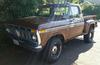
My 85 Flareside is currently sitting 1" higher in the front than the rear, consistent at all 4 corners. It's not very noticeable, not exactly a "Carolina Squat", but l want to raise the rear 1.5-2.0 inches.
If l go with blocks, is putting them on top of the stock spacers considered block-stacking? My 76 had ~1 inch blocks placed this way and l'd always thought they came from the factory like that... l have seen factory lift blocks before. I'd be using very short, tapered blocks. If l need to pull out the factory spacers, I'll have to use taller blocks to achieve the same lift.
OTOH, an add-a-leaf of the same advertised height will net me similar lift numbers while leaving the OEM setup mostly alone. As a bonus, l may even gain some spring rate, should l ever decide to haul or tow anything.
If l go with blocks, is putting them on top of the stock spacers considered block-stacking? My 76 had ~1 inch blocks placed this way and l'd always thought they came from the factory like that... l have seen factory lift blocks before. I'd be using very short, tapered blocks. If l need to pull out the factory spacers, I'll have to use taller blocks to achieve the same lift.
OTOH, an add-a-leaf of the same advertised height will net me similar lift numbers while leaving the OEM setup mostly alone. As a bonus, l may even gain some spring rate, should l ever decide to haul or tow anything.

Moderator


Joined: Jan 2001
Posts: 56,997
Likes: 2,742
From: Virginia

Most factory blocks have wings on them to bump against the rubber bumper on the frame. Is yours like this? If it is, you will want to put any added blocks on the bottom underneath the factory block, so the bumpers still work correctly. If you don't, you run the risk of a broken spring when going over a bump with one wheel and a bunch of weight in the bed.
With all the rules we have in Va, they allow blocks in the rear. I have 4 inch blocks on mine from a lift kit someone put on it before I got it. It has a little axle wrap to it when you have a heavy load behind, but other than that no problems. The blocks on mine are square, not wedged shape. I would think wedged shape would throw your pinion angle off.
With all the rules we have in Va, they allow blocks in the rear. I have 4 inch blocks on mine from a lift kit someone put on it before I got it. It has a little axle wrap to it when you have a heavy load behind, but other than that no problems. The blocks on mine are square, not wedged shape. I would think wedged shape would throw your pinion angle off.

Tuned
Joined: Sep 2014
Posts: 472
Likes: 104
Most factory blocks have wings on them to bump against the rubber bumper on the frame. Is yours like this? If it is, you will want to put any added blocks on the bottom underneath the factory block, so the bumpers still work correctly. If you don't, you run the risk of a broken spring when going over a bump with one wheel and a bunch of weight in the bed.
With all the rules we have in Va, they allow blocks in the rear. I have 4 inch blocks on mine from a lift kit someone put on it before I got it. It has a little axle wrap to it when you have a heavy load behind, but other than that no problems. The blocks on mine are square, not wedged shape. I would think wedged shape would throw your pinion angle off.
With all the rules we have in Va, they allow blocks in the rear. I have 4 inch blocks on mine from a lift kit someone put on it before I got it. It has a little axle wrap to it when you have a heavy load behind, but other than that no problems. The blocks on mine are square, not wedged shape. I would think wedged shape would throw your pinion angle off.
Doesn't matter how you do it.
Wedge shaped spacers are sold to correct the pinion angle
Thread Starter
|
Laughing Gas
Joined: Nov 2013
Posts: 1,022
Likes: 79
From: A dirty little town in OR
I'm aware that there will be some amount of driveline angle correction, especially with the short wheelbase. How much l'll need will have to be determined after the lift is in, small as it's gonna be. 1 1/2 inch would be perfect
And yes,@Franklin2 , lve got the spacers w wings on em, the ones that look like little blacksmith anvils. I couldn't remember where the blocks were placed on my 76 and don't have any pics of it, but now that you mention it, l'm sure they were underneath those spacer, bumpstop banging anvil-looking things.
Right now l'm leaning towards the Add-a-Leaf option, mostly because l just don't like the way blocks look from the back.
Moderator
Joined: Jan 2001
Posts: 56,997
Likes: 2,742
From: Virginia
You will have to explain this to me. Moving the axle straight down with parallel blocks should not change the pinion angle. Shackle extensions will change the pinion angle. Shackle flip kits will change the pinion angle. Add-a Leaf shouldn't change the pinion angle I wouldn't think either.
Tuned
Joined: Sep 2014
Posts: 472
Likes: 104
I could try to explain what this article does and try to find some good pictures to help everyone visualize what I am trying to say....but alas this is easier and probably more accurate.
there has also beenasimilarpost here on fte but I can't find it.
https://4xshaft.com/blogs/general-te...veshaft-angles
there has also beenasimilarpost here on fte but I can't find it.
https://4xshaft.com/blogs/general-te...veshaft-angles
Moderator
Joined: Jan 2001
Posts: 56,997
Likes: 2,742
From: Virginia
I could try to explain what this article does and try to find some good pictures to help everyone visualize what I am trying to say....but alas this is easier and probably more accurate.
there has also beenasimilarpost here on fte but I can't find it.
https://4xshaft.com/blogs/general-te...veshaft-angles
there has also beenasimilarpost here on fte but I can't find it.
https://4xshaft.com/blogs/general-te...veshaft-angles
Trending Topics
Tuned
Joined: Sep 2014
Posts: 472
Likes: 104
You say, I am just lifting it up parallel to the original surface.
As you gaze at your mental image you realize that you have increased the drive shaft angle because the pinion angle has changed.
The pinion angle is designed by engineers into the components based on their intended purpose.
if your pinion angle is returned to the stock value the driveshaft angles can be decreased to something less stressful on the u joints and they will run smoother.
Jeeps are so short it is a good example.
Checking on drive shaft and pinion angles can be accomplished cheap and should be done anytime the height of the vehicle changes beyond the original.
FTE Stories
Ford Trucks for Ford Truck Enthusiasts

3 Best / 3 Worst Parts of Modern Ford Ownership
Brett Foote
10 Amazing Upgrades That Solve Common Ford Truck Owner Headaches
Pouria Savadkouei
Every 2026 Ford Engine Explained
Brett Foote
10 Ugly Ford Trucks That We Still Kinda Love
Joe Kucinski
10 Things Every Truck Owner NEEDS (2026 Edition)
Michael S. Palmer
Rezvani's Latest Post-Apocalyptic Monster Is a Ford F-150 Raptor Underneath
Verdad Gallardo
Top 10 Most Expensive Ford Trucks Ever Sold on Bring a Trailer
Joe Kucinski
2027 Ford Super Duty Buyer's Guide (Every Model, Engine, & Package)
Brett Foote
Top 10 Ford Truck Tragedies
Joe Kucinski
Moderator
Joined: Jan 2001
Posts: 56,997
Likes: 2,742
From: Virginia
get a mental image for a moment...
You say, I am just lifting it up parallel to the original surface.
As you gaze at your mental image you realize that you have increased the drive shaft angle because the pinion angle has changed.
The pinion angle is designed by engineers into the components based on their intended purpose.
if your pinion angle is returned to the stock value the driveshaft angles can be decreased to something less stressful on the u joints and they will run smoother.
Jeeps are so short it is a good example.
Checking on drive shaft and pinion angles can be accomplished cheap and should be done anytime the height of the vehicle changes beyond the original.
You say, I am just lifting it up parallel to the original surface.
As you gaze at your mental image you realize that you have increased the drive shaft angle because the pinion angle has changed.
The pinion angle is designed by engineers into the components based on their intended purpose.
if your pinion angle is returned to the stock value the driveshaft angles can be decreased to something less stressful on the u joints and they will run smoother.
Jeeps are so short it is a good example.
Checking on drive shaft and pinion angles can be accomplished cheap and should be done anytime the height of the vehicle changes beyond the original.
If you keep the angle of the engine/transmission at the factory 3 degrees downward to the rear, and then purposely point the rearend nose higher, you will get vibration. The only way you can do this is to convert the u-joint at the rear of the transmission to a double cardan joint. You can then point the rear diff up to lessen the u-joint angles. He also explains this in the article you linked to.




Cross-Country
Joined: Jan 2022
Posts: 92
Likes: 20
From: Pa
If i were you. I would simply add air shocks. They are the cheapest, easiest route. You can raise any car/truck 1-2 inches. Problem with add a leafs is they make the suspension entirely too firm. Same deal with blocks. You have a lot of flexibility with air shocks. You can adjust your ride height and firmness of suspension in seconds at any given time. I have had them on several classic vehicles over the past several years. They last many years, they are very dependable, cheap and easy to install. Add a leafs and blocks are not worth the results. I’m a big fan of air shocks. I have a set on a 71 Oldsmobile Cutlass that have been on that car for nearly 40 years. Still work like they did when they were new. They are also great on pickups because you can increase the strength of your suspension when hauling a heavy load. In seconds. They also offer a very nice ride. You don’t have the same flexibility with worn out springs, blocks or adding a spring.

FTE Legend
Joined: Nov 2015
Posts: 30,939
Likes: 4,124
From: Angier, NC
If i were you. I would simply add air shocks. They are the cheapest, easiest route. You can raise any car/truck 1-2 inches. Problem with add a leafs is they make the suspension entirely too firm. Same deal with blocks. You have a lot of flexibility with air shocks. You can adjust your ride height and firmness of suspension in seconds at any given time. I have had them on several classic vehicles over the past several years. They last many years, they are very dependable, cheap and easy to install. Add a leafs and blocks are not worth the results. I’m a big fan of air shocks. I have a set on a 71 Oldsmobile Cutlass that have been on that car for nearly 40 years. Still work like they did when they were new. They are also great on pickups because you can increase the strength of your suspension when hauling a heavy load. In seconds. They also offer a very nice ride. You don’t have the same flexibility with worn out springs, blocks or adding a spring.
Shock mounts were never meant to support weight even if sold to do so.
Can you even buy air shocks any more?
Air bags are a better way to go and meant to support the weight.
If you have coils out back they make them to go inside the springs.
On leaf springs the bottom goes on the axle housing the upper on the frame.
I can see a "Add a Leaf" making the ride ruff as you have upped the weight the springs can carry but do tell me how adding a block of 1 inch makes it ride ruff if you have not changed the spring rate? Same springs so same ride is the way I see it.
As like Dave adding a 1" block would not change the pinon angle as the axle is going straight down.
The drive shaft angle may change a little but not the axle pinion or transmission / transfer case angles.
Also at 1" I cant see the Ujoints binding like you might get with a 4" and will with a 6" lift but would not hurt to check just in case.
Same goes for drive shaft pull out on the splines. I dont think you have to worry but check to make sure.
I would like to know why the front is higher than the rear?
New springs up front or bad / weak springs out back?
Dave ----
Tuned
Joined: Sep 2014
Posts: 472
Likes: 104
If i were you. I would simply add air shocks. They are the cheapest, easiest route. You can raise any car/truck 1-2 inches. Problem with add a leafs is they make the suspension entirely too firm. Same deal with blocks. You have a lot of flexibility with air shocks. You can adjust your ride height and firmness of suspension in seconds at any given time. I have had them on several classic vehicles over the past several years. They last many years, they are very dependable, cheap and easy to install. Add a leafs and blocks are not worth the results. I’m a big fan of air shocks. I have a set on a 71 Oldsmobile Cutlass that have been on that car for nearly 40 years. Still work like they did when they were new. They are also great on pickups because you can increase the strength of your suspension when hauling a heavy load. In seconds. They also offer a very nice ride. You don’t have the same flexibility with worn out springs, blocks or adding a spring.
Best thing I ever did to my truck.
