When you click on links to various merchants on this site and make a purchase, this can result in this site earning a commission. Affiliate programs and affiliations include, but are not limited to, the eBay Partner Network.
Good Morning!
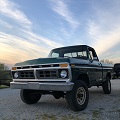
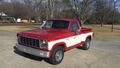
This is my first post here, so as an introduction, I am a young man from Virginia who works on old cars with my dad. Currently we own a 75 F100 4spd and a 77 Chrysler New Yorker with a 440.
I have been experiencing some issues with my brakes, and I wanted to post here to get your all's thoughts on this. To give the full story: Our 1975 F100 was power drums on all 4 wheels. About 3 weeks ago my dad and I did the rear brakes and installed a new master at the same time. We had a bit of trouble reinstalling the drum, as it seemed that when the self adjuster was tight, the drum could not fit on, so in order to get the drum on the self adjuster seemed super loose. We bled the master on the car, then bled the rear brakes. Have yet to bleed the front simply because I haven't had a chance to install the new wheel cylinders yet.
Once we started driving it, the brakes seemed to get worse, as I feel it was only braking in the rear. The drums also made a very loud scraping noise both when driving and super loud when braking, not sure if that is normal. The brakes were pretty bad for a while but usable, but yesterday, I noticed the brakes getting progressively worse as I was driving home. I had to stop the truck on a hill on my way home, and upon hitting the brakes, the pedal went almost all the way to the floor and then felt like hitting a brick wall. It has about 5% of its old stopping ability. Additionally, the brake pressure warning light illuminated for the first time.
Upon inspection, the master cylinder was still full (with a slight leak between the cap and master cylinder) and I could not see any brake fluid leaks around the body.
Any ideas on what I should do? My plans are to replace the front brakes and then maybe install a different master?
Thanks,
75custom360
I’d check all four wheels for leaks, but specifically the front for a failed wheel cylinder. These trucks have a combination block that has a closing barrel between front and rear brake
lines. In the event of a front or rear failure, the barrel will slide to the that side, blocking flow to that part of the system, and triggering a switch that illuminates the brake warning light. Drums are pretty easy to work on, but can be pretty easy to screw up too. The hardware is specific to each side(as you probably know) but I screwed up and mixed the adjuster up and drove myself nuts trying to figure out what was going on. Start with a proper inspection and go from there. Another thing to check and possibly replace are the flex hoses going to the front wheels and rear axle.
Usually go back to what you did and make sure it was correctly done. Sometimes the emergency brake cable seizes , making it difficult to install the drum. I'd check the rears first before doing the fronts. The self adjusters are right and left side. They might be marked with an R and L. The master cylinder might have an adjustable push rod.
Where in VA? (I'm W of Martinsville)
Sounds like the master cylinder has an internal leak.
Also after loosening the rear brake adjuster to get the drum on, did you then adjust the rear brakes back after the drum was on? Self adjusting brakes only self adjust if applied briskly while backing up, and then just a click or two at a time so they need to be adjusted close when new.
Seems like more than 1 issue going on. Sounds like something was not right in rear drum assembly. What do you mean "when self adjuster is tight"? They are never tight or loose. Just adjusted to where you have a slight drag when turning wheel by hand.
As mentioned by 68 Flareside I've ran across more incorrectly installed drum brakes and/or mismatched parts than I can count. Use photos in a shop manual to make 100% sure everything is CORRECTLY installed. Next did you compare new shoes to old shoes to insure they are EXACTLY the same? I would pull both rear drums and inspect. A loud scraping noise is NOT normal.
Always best to bench bleed a master cylinder in a vise before installing. You said the master was bled on car. Depending how that was done, you could have air in the fronts now. There have been numerous instances where a mismatched master cylinder is installed. Never trust an auto parts to give you the right part. Always closely compare old to new part before installing. And don't turn in an old part for a core refund until new parts are working. Must compare the depth of hole at rear of old master cylinder (where the push rod contacts) to new master. They need to be identical.
Seems like more than 1 issue going on. Sounds like something was not right in rear drum assembly. What do you mean "when self adjuster is tight"? They are never tight or loose. Just adjusted to where you have a slight drag when turning wheel by hand.
As mentioned by 68 Flareside I've ran across more incorrectly installed drum brakes and/or mismatched parts than I can count. Use photos in a shop manual to make 100% sure everything is CORRECTLY installed. Next did you compare new shoes to old shoes to insure they are EXACTLY the same? I would pull both rear drums and inspect. A loud scraping noise is NOT normal.
Always best to bench bleed a master cylinder in a vise before installing. You said the master was bled on car. Depending how that was done, you could have air in the fronts now. There have been numerous instances where a mismatched master cylinder is installed. Never trust an auto parts to give you the right part. Always closely compare old to new part before installing. And don't turn in an old part for a core refund until new parts are working. Must compare the depth of hole at rear of old master cylinder (where the push rod contacts) to new master. They need to be identical.
I think Mark hit it on the head, more than 1 thing going on here. Also note just because the parts are new dose not mean they and good.
I see you did the rear brakes and as pointed out you adjust the shoes so the drum will go on then adjust so you can turn the wheel with some drag.
You only did half a job (rear) then going to do the front? I would have done ALL brake work at the same time before driving the truck.
Rear brakes with new wheel cyl., Front brakes with new wheel cyl. Where new spring kits used? May not be needed but could be nice.
REPLACE ALL RUBBER HOSES. They go bad on the inside and you can not see that.
Then replace the master. And do not bleed on car. This needs to be done on the bench!
Adjust the brakes front & rear before bleeding the system starting at the farthest wheel from master and working closer.
At this point if everything was done right and the parts are good from the start the brakes should be 100%.
Now you said you hear a grinding noise? Pull the wheels to find why and fix before driving it any more.
FYI I installed a master & booster on my 81 F100 little over 2 years ago.
Rest of my system had all new parts.
The pedal was never really great but it stopped.
A few weeks ago I replaced the Ebrake cables, wrong ones were installed at rebuild time.
When went to hit the brakes the pedal went to the floor?
Everything was adjusted right so we tried to bleed the system but the pedal never really "pumped up".
I replace the master with a new, not rebuilt, and a little bleeding and the brakes have never been so good.
Again new parts, master in this case, can be bad out of the box.
Dave ----
Im from Chesapeake, VA, super close to the NC border. I put the left self adjuster on driver's side, and right on the passenger side, believe that should be correct
Usually go back to what you did and make sure it was correctly done. Sometimes the emergency brake cable seizes , making it difficult to install the drum. I'd check the rears first before doing the fronts. The self adjusters are right and left side. They might be marked with an R and L. The master cylinder might have an adjustable push rod.
Where in VA? (I'm W of Martinsville)
I am from Chesapeake, VA, just north of the NC border
I had the left self-adjuster on the driver's side and right on the passenger side, believe that is correct.
When I stated that they were loose, what I meant is that the self-adjuster spring was super loose in its hole, so I expanded the adjuster, which tighted the spring, however, then I could not put the drum on. I was never able to find a spot where the spring was tight and the drum would fit on. Also, I only did the rears because I was a bit intimidated by pulling all the hub stuff out for the 4WD, but after doing some research that doesn't seem too bad...
My plan is to do a new master and the fronts at the same time while examining the rears. Not sure about the scraping noise, but I will post pics of my set up and anything interesting I find. Also, do I need to do a new proportioning (adjuster) valve or will that reset itself?
That seems to be the "new normal" sad to say. I went through 4 NAPA fuel pumps for my 87 before going to another brand. One pump lasted 4 miles
Any suggestions for brand? I went for raybestos. Also, this time, I will bench bleed the master instead of doing it in the car. Another thing I noticed is immediately after doing the brakes, there was a ton of pedal travel before any brakes were applied, does anyone know a reason for this?
I think Mark hit it on the head, more than 1 thing going on here. Also note just because the parts are new dose not mean they and good.
I see you did the rear brakes and as pointed out you adjust the shoes so the drum will go on then adjust so you can turn the wheel with some drag.
You only did half a job (rear) then going to do the front? I would have done ALL brake work at the same time before driving the truck.
Rear brakes with new wheel cyl., Front brakes with new wheel cyl. Where new spring kits used? May not be needed but could be nice.
REPLACE ALL RUBBER HOSES. They go bad on the inside and you can not see that.
Then replace the master. And do not bleed on car. This needs to be done on the bench!
Adjust the brakes front & rear before bleeding the system starting at the farthest wheel from master and working closer.
At this point if everything was done right and the parts are good from the start the brakes should be 100%.
Now you said you hear a grinding noise? Pull the wheels to find why and fix before driving it any more.
FYI I installed a master & booster on my 81 F100 little over 2 years ago.
Rest of my system had all new parts.
The pedal was never really great but it stopped.
A few weeks ago I replaced the Ebrake cables, wrong ones were installed at rebuild time.
When went to hit the brakes the pedal went to the floor?
Everything was adjusted right so we tried to bleed the system but the pedal never really "pumped up".
I replace the master with a new, not rebuilt, and a little bleeding and the brakes have never been so good.
Again new parts, master in this case, can be bad out of the box.
Dave ----
Good point, I will also replace all the hoses and check those rear brakes. One more question, I installed new cables for the e-brake since mine were cut. The e-brake works enough to barely hold the truck on a slight incline, but it seems to have very little impact on holding the car. Any ideas on why?
I am from Chesapeake, VA, just north of the NC border
I had the left self-adjuster on the driver's side and right on the passenger side, believe that is correct.
When I stated that they were loose, what I meant is that the self-adjuster spring was super loose in its hole, so I expanded the adjuster, which tighted the spring, however, then I could not put the drum on. I was never able to find a spot where the spring was tight and the drum would fit on. Also, I only did the rears because I was a bit intimidated by pulling all the hub stuff out for the 4WD, but after doing some research that doesn't seem too bad...
My plan is to do a new master and the fronts at the same time while examining the rears. Not sure about the scraping noise, but I will post pics of my set up and anything interesting I find. Also, do I need to do a new proportioning (adjuster) valve or will that reset itself?
Thank you all for the help,
75custom360
If you can when the drum is off take a picture as you have to have that spring in the wrong hole.
BTW when ever doing brake work DO 1 SIDE AT A TIME!
This way you have the other side to go look at on how it goes back together like now LOL
Originally Posted by 75custom360
Any suggestions for brand? I went for raybestos. Also, this time, I will bench bleed the master instead of doing it in the car. Another thing I noticed is immediately after doing the brakes, there was a ton of pedal travel before any brakes were applied, does anyone know a reason for this?
That is a good brand, Wagner would be another.
But before you count that master dead bench bleed it and try again.
Unless you pressure bleed the system you will never get the air out of the master when on the truck.
Originally Posted by 75custom360
Good point, I will also replace all the hoses and check those rear brakes. One more question, I installed new cables for the e-brake since mine were cut. The e-brake works enough to barely hold the truck on a slight incline, but it seems to have very little impact on holding the car. Any ideas on why?
Well if they were like the first set I put on mine the return springs that push on the arm inside the drums was to long and could not get the drum on. My fix was to cut the springs shorter but were still to long and got coil bind.
My fix was to get the right cables and got to say it works pretty good now.
Untill you get the rear brakes working with no grinding and adjusted right I would not worry on the Ebrake.
How far down dose the pedal go? You also have adjustment on the cables.
Dave ----
Isn't that "T" washer between the adjusting cable an shoes upside down? Don't know if it really makes much difference. Good idea to put some brake lube on the retainer where the cable rides and on the self adjuster threads. Note that the "long" shoe goes to the rear of the vehicle. Notice where the tops of the shoes are tight against the pin. If the emergency brake cable is adjusted too tight , one shoe or both will not be touchingthe pin. Also a bit of lube on the backing plate nubs where the shoes ride.
Nice picture,tbear thanks for sharing.
This Hennessey Takes the Expedition Tremor's Off-Roading Capability to the Next Level
Slideshow: The VelociRaptor Expedition gains a lift, upgraded suspension, Brembo brakes, and trail-ready equipment while retaining the stock 440-horsepower EcoBoost V6.
Rezvani's Latest Post-Apocalyptic Monster Is a Ford F-150 Raptor Underneath
Slideshow: Called the Fortress, the 850-horsepower pickup combines Raptor underpinnings with military-inspired features, survival equipment, and a starting price of $285,000.




 No external leaks visible but, pedal goes to the floor.