



2013 Eco-BOOM

Thread Starter
|
New User
Joined: Oct 2019
Posts: 17
Likes: 0
2013 Eco-BOOM
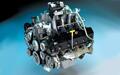
Well after me owning my eco-boost for 30K miles it went Boom.
2013 , 3.5L , Screw 6.5FT Bed, Max Tow , build date 10/12
Purchased the Truck in AUG 2019 , 86K Miles
First issue at 89K miles with Shudder
- Change Plugs Gapped .030
- Change Coil Packs
- Drilled Weep Hole
- Installed UPR Mega Catch Can
- 5-Star 87 Perf/Tow Tune
2nd issue at 95K Miles with right side manifold
- Peeled that manifold back and got it replaced
3rd issue at 110K Miles the left side manifold peeled back
4th issue at 114K miles the engine went BOOM
Pulled the plugs and they were GREEN with corrosion, definitely moisture
For as much as I loved and invested in this truck I feel I did everything right here, Ford said no to help so now I'm down to two options:
1) Used 2017 Motor w/ turbos 70K Miles , I understand I can run everything just need to swap the intake manifold
Can anyone confirm that?
2) New Long Block, CR Performance Headers (To prevent peel back & OE is out of stock), New Cats (SPD Down Pipes), New OEM turbos, ? Newer Ford CAC?
I know my current inter cooler was an AC style with the 2014's being the AD, I've seen info on the AD's being inefficient but I don't care about power at this point just reliability. I can't find the AD model intercoolers at this point only DL3Z6K775B which says it's for 13-17 models. Do they have the baffles that the 2014s have inside them? Yes they are inefficient but if they keep my engine from blowing so be it. I know the 15+ got the electric fins that open and close air flow so I'm unsure if it would "solve" the problem on a 2013 truck.
2013 , 3.5L , Screw 6.5FT Bed, Max Tow , build date 10/12
Purchased the Truck in AUG 2019 , 86K Miles
First issue at 89K miles with Shudder
- Change Plugs Gapped .030
- Change Coil Packs
- Drilled Weep Hole
- Installed UPR Mega Catch Can
- 5-Star 87 Perf/Tow Tune
2nd issue at 95K Miles with right side manifold
- Peeled that manifold back and got it replaced
3rd issue at 110K Miles the left side manifold peeled back
4th issue at 114K miles the engine went BOOM
Pulled the plugs and they were GREEN with corrosion, definitely moisture
For as much as I loved and invested in this truck I feel I did everything right here, Ford said no to help so now I'm down to two options:
1) Used 2017 Motor w/ turbos 70K Miles , I understand I can run everything just need to swap the intake manifold
Can anyone confirm that?
2) New Long Block, CR Performance Headers (To prevent peel back & OE is out of stock), New Cats (SPD Down Pipes), New OEM turbos, ? Newer Ford CAC?
I know my current inter cooler was an AC style with the 2014's being the AD, I've seen info on the AD's being inefficient but I don't care about power at this point just reliability. I can't find the AD model intercoolers at this point only DL3Z6K775B which says it's for 13-17 models. Do they have the baffles that the 2014s have inside them? Yes they are inefficient but if they keep my engine from blowing so be it. I know the 15+ got the electric fins that open and close air flow so I'm unsure if it would "solve" the problem on a 2013 truck.
Super Moderator


Joined: Aug 2003
Posts: 25,479
Likes: 742
From: Isanti, MN

1) Used 2017 Motor w/ turbos 70K Miles , I understand I can run everything just need to swap the intake manifold
Can anyone confirm that?
Can anyone confirm that?
Thread Starter
|
New User
Joined: Oct 2019
Posts: 17
Likes: 0
This is the listing they have 3 different engines available right now. My guess this would be not from an F150 as they are aware of the year interchange. Id call and verify before ordering.
https://www.ebay.com/itm/FORD-F150-E....m46890.l49292
The failure its self was me towing from NC to WV which I due about once every two months with 7klbs. This tow it was super cold and snowing. Got the misfires pulling up the mountain. I let out the throttle and thankfully it coasted to the top and cleared the code. Easied back into it and happened again. Pulled over drained the catch can about half full. Then proceeded again and still the issue. Pulled the plugs and changed them. Truck ran fine from there till about 30 miles from home on the way back. Just went boom cruising on the way back. Thought I blew a tire, it sent the #2 rod out the block.
https://www.ebay.com/itm/FORD-F150-E....m46890.l49292
The failure its self was me towing from NC to WV which I due about once every two months with 7klbs. This tow it was super cold and snowing. Got the misfires pulling up the mountain. I let out the throttle and thankfully it coasted to the top and cleared the code. Easied back into it and happened again. Pulled over drained the catch can about half full. Then proceeded again and still the issue. Pulled the plugs and changed them. Truck ran fine from there till about 30 miles from home on the way back. Just went boom cruising on the way back. Thought I blew a tire, it sent the #2 rod out the block.
Thread Starter
|
New User
Joined: Oct 2019
Posts: 17
Likes: 0
One other thing to add, does anyone know service interval on the catch cans? We all recommend running run and I have been for the last 25k miles. But what would happen if one of the check valves got stuck?
I sent a message to UPR about how often they should be changed and didn't get a reply. I almost wonder if the check valve got stuck? I mean all that crud we collect does go through them
If that happened would it act as a syphon under boost? I know the check valves are for alternating when it is under boost or under vaccum.
I sent a message to UPR about how often they should be changed and didn't get a reply. I almost wonder if the check valve got stuck? I mean all that crud we collect does go through them
If that happened would it act as a syphon under boost? I know the check valves are for alternating when it is under boost or under vaccum.
Super Moderator
Joined: Aug 2003
Posts: 25,479
Likes: 742
From: Isanti, MN
One other thing to add, does anyone know service interval on the catch cans? We all recommend running run and I have been for the last 25k miles. But what would happen if one of the check valves got stuck?
I sent a message to UPR about how often they should be changed and didn't get a reply. I almost wonder if the check valve got stuck? I mean all that crud we collect does go through them
If that happened would it act as a syphon under boost? I know the check valves are for alternating when it is under boost or under vaccum.
I sent a message to UPR about how often they should be changed and didn't get a reply. I almost wonder if the check valve got stuck? I mean all that crud we collect does go through them
If that happened would it act as a syphon under boost? I know the check valves are for alternating when it is under boost or under vaccum.
Catch cans are common among enthusiasts who peruse Internet forums, but are in the extreme minority overall. No idea if it contributed to your failure, but I think that's more likely than anything to do with your CAC. Obviously it has nothing to do with the manifold problems you had, but I would replace with a stock unit and leave it the heck alone.

Fleet Mechanic
Joined: Jul 2010
Posts: 1,354
Likes: 31
From: Winnipeg
I'm very suspicious of catch cans being used in below freezing temperatures. The sellers of these units should caution buyers of their systems temperature limits but I'm pretty sure they're not tested in various climates. Not saying it was your failure cause, but the way they mount the can outside of the engine compartment just doesn't cut it for me since they not only hold oil but condensed water vapor as well.
https://www.f150ecoboost.net/threads...istance.63305/
https://www.f150ecoboost.net/threads...istance.63305/
Trending Topics
Thread Starter
|
New User
Joined: Oct 2019
Posts: 17
Likes: 0
I'm very suspicious of catch cans being used in below freezing temperatures. The sellers of these units should caution buyers of their systems temperature limits but I'm pretty sure they're not tested in various climates. Not saying it was your failure cause, but the way they mount the can outside of the engine compartment just doesn't cut it for me since they not only hold oil but condensed water vapor as well.
https://www.f150ecoboost.net/threads...istance.63305/
https://www.f150ecoboost.net/threads...istance.63305/
FTE Stories
Ford Trucks for Ford Truck Enthusiasts

10 Things Every Truck Owner NEEDS (2026 Edition)
Michael S. Palmer
Rezvani's Latest Post-Apocalyptic Monster Is a Ford F-150 Raptor Underneath
Verdad Gallardo
Top 10 Most Expensive Ford Trucks Ever Sold on Bring a Trailer
Joe Kucinski
2027 Ford Super Duty Buyer's Guide (Every Model, Engine, & Package)
Brett Foote
Top 10 Ford Truck Tragedies
Joe Kucinski
AEV FXL Super Duty - the Super Duty Raptor Ford Doesn't Make
Brett Foote
Lobo Vs Lobo: Proof the F-150 Lobo Should Be Even Lower!
Michael S. Palmer
Ford's 2001 Explorer Sportsman Concept Looks For a New Home
Verdad Gallardo
10 Best Ford Truck Engines We Miss the Most!
Joe Kucinski
Logistics Pro
Joined: Dec 2003
Posts: 3,777
Likes: 863
From: Foothills of NC
One major problem you had was being in the unfortunate position of having only direct injection. Ford has since gone to dual injection in order to help control fuel dilusion and carbon coated intake valves.
The short distance I drive to work would be a disaster for a direct injection engine. I would probably have more gas in the crankcase than oil.
Look at all the problems Kia/Hyundai has with the 2.4 DI engine. They have blamed the problem on everything but what is really wrong.
They took a port injection engine and introduced high compression and direct injection on an engine not designed for those forces.
The short distance I drive to work would be a disaster for a direct injection engine. I would probably have more gas in the crankcase than oil.
Look at all the problems Kia/Hyundai has with the 2.4 DI engine. They have blamed the problem on everything but what is really wrong.
They took a port injection engine and introduced high compression and direct injection on an engine not designed for those forces.

Super Moderator


Joined: Jan 2008
Posts: 40,024
Likes: 1,519
From: Maine, Virginia
So sorry for your loss, this is catastrophic for sure.
I noticed you stated that you drilled the weep hole and added a catch can. Why have both? The weep hole alone should have been more than sufficient. With you pulling hard through the mountains, you're in boost all the time and should have easily pushed everything out the weep hole.
Additionally, there's no way for sure to know how the truck was maintained for it's first 86K miles. The xtra care that you took since purchase couldn't have been enough to offset what may not have been done correctly. The point being, if the previous owner(s) followed Ford's oil change recommendations, the truck would have had 8 oil changes prior to your ownership. My 2011 truck has 107K on it and the oil has been changed 21 times.
Anyway, I do understand and appreciate your frustrations with the ecoboost. This engine has been overheated and or under maintained prior to your ownership.
I noticed you stated that you drilled the weep hole and added a catch can. Why have both? The weep hole alone should have been more than sufficient. With you pulling hard through the mountains, you're in boost all the time and should have easily pushed everything out the weep hole.
Additionally, there's no way for sure to know how the truck was maintained for it's first 86K miles. The xtra care that you took since purchase couldn't have been enough to offset what may not have been done correctly. The point being, if the previous owner(s) followed Ford's oil change recommendations, the truck would have had 8 oil changes prior to your ownership. My 2011 truck has 107K on it and the oil has been changed 21 times.
Anyway, I do understand and appreciate your frustrations with the ecoboost. This engine has been overheated and or under maintained prior to your ownership.
Super Moderator
Joined: Aug 2003
Posts: 25,479
Likes: 742
From: Isanti, MN
I vote fix with OEM components, either new or used, and drive it. These things rarely catastrophically fail, so it was either a fluke, consequence of the mods, or previous owner's use. The odds of this happening again are extremely small.
Bone-stock trucks very rarely blow up. Trying to "bulletproof" anything may just poison the well.
Bone-stock trucks very rarely blow up. Trying to "bulletproof" anything may just poison the well.
Logistics Pro
Joined: Dec 2003
Posts: 3,777
Likes: 863
From: Foothills of NC
If you go with a used engine, look at the intake valves with a scope before installing the engine. They may be carboned up, which may cause random misfire. Most dealerships have the tools to walnut shell, or some other media, clean the valves.
Super Moderator
Joined: Jan 2008
Posts: 40,024
Likes: 1,519
From: Maine, Virginia
My neighbor had a 2012 mirror image of my 2011 truck and decided to have his valves walnut blasted by some hack and ended up needing a new cat and then a whole new set of issues started. He sold the truck for a song and swore off the ecoboost engines even after being advised not to tinker with it.
The best way to keep a Gen 1 ecoboost clean is to put your foot into it and smile as the smooth quiet power sets you back in your seat.
Super Moderator
Joined: Aug 2003
Posts: 25,479
Likes: 742
From: Isanti, MN
Is this really a problem, though? I can't think of a single instance where someone's valves caused a problem. I remember @ford390gashog mentioned awhile back that he's never seen it in his fleet, either.
I don't think it's an issue in the real world. Which makes catch cans a solution in search of a problem.
I don't think it's an issue in the real world. Which makes catch cans a solution in search of a problem.