When you click on links to various merchants on this site and make a purchase, this can result in this site earning a commission. Affiliate programs and affiliations include, but are not limited to, the eBay Partner Network.
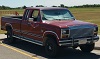
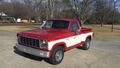
I have an 85 f250 with a 6.9 IDI diesel. I have had trouble starting it in the mornings. It will start right up, die after a second or two and then after 30 seconds or so it’ll start again and run like normal. Does anybody have any ideas on what this could be? Just got a 460 that will be my daily but want to fix this for my brothers first truck.
Do you have to crank much to get it to start the second time?
Have you evaluated for air in the lines or a bad fuel pump?
The folks in the pre-powerstroke diesel section of the forum are wizards with this stuff.
It has a mechanical fuel pump so it doesn’t prime before start like an electric pump would. It does take quite a bit of cranking to get it to start the second time. I have bled the fuel lines and everything, and that does not seem to be the issue.
90% likely you have intrusion in the return lines somewhere. I would suggest a new set of lines/caps if you have not already done so. I had similar issues when I got my 86' 6.9L. Just that change did wonders for starting after having sat for any length of time.
I also eventually moved to a facet e-lift pump and ran new line from the tank. Once you make that change you might never go back.
The fuel pump pumps fuel from the tank to the filter on the front pass side of the engine. Since you have a early truck, you might have a water separator mounted somewhere separately. That should be bypassed already. If it's not, bypass it and take it out of the system. Apparently they gave a lot of trouble.
Anyway, after the filter the fuel feeds the injection pump. There is usually a small fuel bypass line coming from the filter and going to the return system. The return system are the small lines and caps going from injector to injector. All this return system ends up at the main return line at the rear of the engine where it leads back to the fuel tank.
How this system works; Everything is full of fuel and the engine runs fine. Then you stop the engine. Every line on top of the engine should be sealed air tight. This includes the two o-rings on the top of each injector for the return system. When everything is tight, the fuel stays up in the system and everything works fine. If there is a minor leak on any of the small return lines anywhere on the engine, or a small leak from one of the o-rings on the top of the injectors, this lets air into the system and lets the fuel drain back to the tank.
In other words, this works like taking a straw and plunging it in your drink, and then putting your finger over the end of the straw and drawing the straw full of drink out of the glass. As long as you keep the end of the straw sealed, the drink will stay in the straw. This is how your fuel system works.
When you get a small air leak in the system, the fuel drains back to the tank and leaves a large air pocket. But there is still fuel in the metal injector lines. So it will start right up till that large air pocket hits the injectors, and then the engine quits. Then you are cranking and cranking till you get rid of the air pocket and it runs. Depending on how large the air leak is, is how long you can let it sit before the air pocket returns. If you park the truck on a steep hill with the rearend up, it will help slow the drain back to the tank.
The most common places for leaks are the water separator if you still have it, the o-rings and lines on the injectors, any other small return lines on top of the engine, and the fuel heater on top of the fuel filter can leak and let air in. Look the top of the engine over carefully. Any dampness on any of the fuel lines is a sign that it's letting air into the system.
You can use a length of clear vinyl hose in-line between the fuel pump and fuel filter to look for signs of air intrusion. I also suggest moving the clear hose between the fuel select valve and the fuel pump; as well as, between the fuel filter and the injection pump. If you see any air bubbles this indicates air intrusion and that is the DEVIL for our old IDIs!
Look for a post from Hobohilton on this page as he is going through this right now he also has worked on diesels so he has a grip how they should run.
Dave ----
I'm working my way through the long cranking / hard starting issues.... Previous owner was using starting fluid so that compounds the issues.
Hobo
I'm trouble shooting the hard start, long cranking now.... Start looking at the simple things before the more expensive parts swapping. It really does not take much air in the system to cause issues... Air compresses and liquid does not.
One of the key things to look for when a diesel is cranking over but not starting is what's coming out of the tailpipe. If nothing is coming out of the tailpipe, you have a fuel problem. If lots of white stinky smoke is coming out of the tailpipe, you have fuel,, but not enough heat or compression in the cylinders for it to fire. A diesel requires heat to fire, it has no sparkplugs
True..... As I continue to diagnose the issues, I have a feeling that even though my glow plugs are getting "voltage" they may not be getting enough "amperage".... Bubba has put a lot of Band-aids on many things on this truck. The patching / splicing of electrical wires and components appeared to be one of his favorite areas to mess with. I'm at the point of gathering some heavy duty components and rebuilding the wiring harness from the glow plug solenoid all the way to the glow plugs.
I'm questioning the integrity of the after market wiring harnesses offered for the older trucks. The Chinese are putting really thick insulation on really small wires in an effort to mislead the consumers.
One of the key things to look for when a diesel is cranking over but not starting is what's coming out of the tailpipe. If nothing is coming out of the tailpipe, you have a fuel problem. If lots of white stinky smoke is coming out of the tailpipe, you have fuel,, but not enough heat or compression in the cylinders for it to fire. A diesel requires heat to fire, it has no sparkplugs
I do get quite a bit of smoke and a big burst when it finally starts, so I do believe that it’s getting fuel, but it’s not pure from air, like you said previously.
True..... As I continue to diagnose the issues, I have a feeling that even though my glow plugs are getting "voltage" they may not be getting enough "amperage".... Bubba has put a lot of Band-aids on many things on this truck. The patching / splicing of electrical wires and components appeared to be one of his favorite areas to mess with. I'm at the point of gathering some heavy duty components and rebuilding the wiring harness from the glow plug solenoid all the way to the glow plugs.
I'm questioning the integrity of the after market wiring harnesses offered for the older trucks. The Chinese are putting really thick insulation on really small wires in an effort to mislead the consumers.
Hobo
If you are in this year forum, I am assuming you might have the old style glowplug controller? The type that screws into the engine? If you do, has it been replaced? The original ones like to stick in the on position and burn up your glowplugs. My little bit later truck has the later style controller that mounts to the top rear of the engine, and they can cause problems also, especially if your wiring connections to the controller are iffy, or you have a bad glowplug. I converted mine to manual glowplugs and don't have a problem with it anymore.
Also make sure you only use the Beru brand glowplugs. The motorcraft plugs are Beru and the international brand plugs are made by Beru.
Update: I finally got the time to work on it and replaced all the return lines and injector caps. The kit was about $100 that included all the lines and caps pre cut to the right length. That fixed the problem and after running it a few times to get the left over air out of the lines, it started right up this morning.
This Hennessey Takes the Expedition Tremor's Off-Roading Capability to the Next Level
Slideshow: The VelociRaptor Expedition gains a lift, upgraded suspension, Brembo brakes, and trail-ready equipment while retaining the stock 440-horsepower EcoBoost V6.
Rezvani's Latest Post-Apocalyptic Monster Is a Ford F-150 Raptor Underneath
Slideshow: Called the Fortress, the 850-horsepower pickup combines Raptor underpinnings with military-inspired features, survival equipment, and a starting price of $285,000.