


86 f150 issues

Thread Starter
|
Junior User
Joined: Jul 2015
Posts: 68
Likes: 1
Hey franklin and those following,
finally got er running. Turns out the fuel pressure was non existent because of a clogged filter. I’ll send a pic later but this thing has 4 ports on it Two (in/out) for return and two for pressure. When I took this filter housing apart I saw what looked like some kind of check valves that were rusted prettt good. So today I verified pressure to that filter and there was nothing coming out. Took it apart and blew air through each port and got nothing on the pressure port until I removed those check valves. They’re some kinda spring loaded valve. What the heck are they and should I be concerned about replacing them ?
finally got er running. Turns out the fuel pressure was non existent because of a clogged filter. I’ll send a pic later but this thing has 4 ports on it Two (in/out) for return and two for pressure. When I took this filter housing apart I saw what looked like some kind of check valves that were rusted prettt good. So today I verified pressure to that filter and there was nothing coming out. Took it apart and blew air through each port and got nothing on the pressure port until I removed those check valves. They’re some kinda spring loaded valve. What the heck are they and should I be concerned about replacing them ?
FTE Legend


Joined: Nov 2015
Posts: 30,898
Likes: 4,120
From: Angier, NC

With out going back thru your posts you have duel tanks?
If so I wonder if the check valves are so one pump will not fill the other tank?
Would have to see this device you talk of and see what ports are in & out and where the check valves are located.
Did you replace the unit or just pull out the check valves?
Dave ----
If so I wonder if the check valves are so one pump will not fill the other tank?
Would have to see this device you talk of and see what ports are in & out and where the check valves are located.
Did you replace the unit or just pull out the check valves?
Dave ----
Thread Starter
|
Junior User
Joined: Jul 2015
Posts: 68
Likes: 1
Hey Fuzz,
I converted this to a single rear tank (38). I basically removed the guts of those valves. Not sure it’s correct to refer to them as such but that did clear the fuel pressure issue. Now I’m getting 33psi at idle. I wonder what those valves actually do? I suppose they could be related to a dual tank set-up but I’m unsure. I’m thinkin they provide dampening of flow to prevent surge. The question now is what affect will leaving them out have? Is there a down side? Should I replace that filter housing completely? Perhaps another member will weigh in on that. For now it’s running great and of course it will need more attention but thanks for your post
I converted this to a single rear tank (38). I basically removed the guts of those valves. Not sure it’s correct to refer to them as such but that did clear the fuel pressure issue. Now I’m getting 33psi at idle. I wonder what those valves actually do? I suppose they could be related to a dual tank set-up but I’m unsure. I’m thinkin they provide dampening of flow to prevent surge. The question now is what affect will leaving them out have? Is there a down side? Should I replace that filter housing completely? Perhaps another member will weigh in on that. For now it’s running great and of course it will need more attention but thanks for your post
FTE Legend
Joined: Nov 2015
Posts: 30,898
Likes: 4,120
From: Angier, NC
Being you had duel tanks if you follow the lines from that filter assy. do any of the lines go to the tank that was removed?
With out looking at the assy. I want to say they kept the fuel from 1 tank going to the other thru the return lines when not used.
Dave ----
With out looking at the assy. I want to say they kept the fuel from 1 tank going to the other thru the return lines when not used.
Dave ----
Thread Starter
|
Junior User
Joined: Jul 2015
Posts: 68
Likes: 1
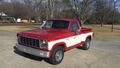
This truck had a 351 carb motor originally Along about 1991 an injected 302 replaced the 351. As far as I know it only had a single tank. We wanted a larger single tank so we went with the 38 mounted between the frame rails in back. Now that it’s running I’m sure more stuff will need attention. This truck sat in front of my brother in laws place for several years untouched.
Ive noticed the idle hunts a bit so probably an IAC valve isn’t far off but gonna pull some codes first and give it some time before doing anymore work
Ive noticed the idle hunts a bit so probably an IAC valve isn’t far off but gonna pull some codes first and give it some time before doing anymore work

Moderator


Joined: Jan 2001
Posts: 56,980
Likes: 2,735
From: Virginia
That thing you took apart with the check valves sounds like the switching valve for the dual tank fuel injection setup. With the fuel injection setup they did not have a electrical switching valve like the carbed trucks. They had a switching valve that worked on fuel pressure from the pumps. So when you powered the rear pump, the fuel pressure coming up the line would move that stuff inside the valve, and that would send the fuel to the engine and let it return to the proper tank. Activate the front pump and the pressure from it would move things around in the valve so the fuel was routed properly to the front tank. I think Ford called it a "fuel reservoir". Did it look like this?

Thread Starter
|
Junior User
Joined: Jul 2015
Posts: 68
Likes: 1
Hey Franklin,
That "reservoir" looks very similar to whats on this truck. Do you think leaving those check valves out would be a problem on a single tank system? No signs of leaks , 33 psi at the rail at idle, and starts better after a sleight timing adjustment ( measured 6 btdc changed to 10 btdc with spout removed). Only have the tach on the dash to check idle rpm. What should it be? I have noticed the high pressure pump is pretty noisy, seems kinda loud but its working. I wasn't real happy with the quality of pump I got but I wasn't stopping at that point. A decent Bosch pump came outta there but was completely frozen. the was no way to get it apart without damaging it. We were and still are over keyed on cost. Like we never pulled the rail or injectors which for now they seem ok. Takes about an hour before the pressure begins to drop. So for now I'm gonna start looking at better quality fuel pump options. Might be awhile before I get back to it though.
Jcris
That "reservoir" looks very similar to whats on this truck. Do you think leaving those check valves out would be a problem on a single tank system? No signs of leaks , 33 psi at the rail at idle, and starts better after a sleight timing adjustment ( measured 6 btdc changed to 10 btdc with spout removed). Only have the tach on the dash to check idle rpm. What should it be? I have noticed the high pressure pump is pretty noisy, seems kinda loud but its working. I wasn't real happy with the quality of pump I got but I wasn't stopping at that point. A decent Bosch pump came outta there but was completely frozen. the was no way to get it apart without damaging it. We were and still are over keyed on cost. Like we never pulled the rail or injectors which for now they seem ok. Takes about an hour before the pressure begins to drop. So for now I'm gonna start looking at better quality fuel pump options. Might be awhile before I get back to it though.
Jcris
FTE Stories
Ford Trucks for Ford Truck Enthusiasts

2027 Ford Super Duty Buyer's Guide (Every Model, Engine, & Package)
Brett Foote
Top 10 Ford Truck Tragedies
Joe Kucinski
AEV FXL Super Duty - the Super Duty Raptor Ford Doesn't Make
Brett Foote
Lobo Vs Lobo: Proof the F-150 Lobo Should Be Even Lower!
Michael S. Palmer
Ford's 2001 Explorer Sportsman Concept Looks For a New Home
Verdad Gallardo
10 Best Ford Truck Engines We Miss the Most!
Joe Kucinski
2026 Shelby F-150 Off-Road: Better Than a Raptor R?
Brett Foote
2027 Super Duty Carhartt Package First Look: 12 Things You NEED to Know!
Michael S. Palmer
10 Most Surprising 2026 Ford Truck Features!
Joe Kucinski
Moderator
Joined: Jan 2001
Posts: 56,980
Likes: 2,735
From: Virginia
If you only have a single tank, I would take the fuel reservoir out of the system. You have the unused ports plugged off correct? No tank and pump for them to go to correct? Does it have a filter down in the bottom of it?
Thread Starter
|
Junior User
Joined: Jul 2015
Posts: 68
Likes: 1
Hey Franklin,
That "reservoir" looks very similar to whats on this truck. Do you think leaving those check valves out would be a problem on a single tank system? No signs of leaks , 33 psi at the rail at idle, and starts better after a sleight timing adjustment ( measured 6 btdc changed to 10 btdc with spout removed). Only have the tach on the dash to check idle rpm. What should it be? I have noticed the high pressure pump is pretty noisy, seems kinda loud but its working. I wasn't real happy with the quality of pump I got but I wasn't stopping at that point. A decent Bosch pump came outta there but was completely frozen. There was no way to get it apart without damaging it. I should have gone with a Bosch replacement. I never pulled the rail or injectors which for now they seem ok. Takes about an hour before the pressure begins to drop. So for now I'm gonna start looking at better quality fuel pump options. Might be awhile before I get back to it though.
I thought about taking that reservoir out and may yet do so.e But for now I think I'll just leave it. I suspect other issues are going to require more attention first, Like that noisy pump.
thanks for following along.
Jcris
Jcris
That "reservoir" looks very similar to whats on this truck. Do you think leaving those check valves out would be a problem on a single tank system? No signs of leaks , 33 psi at the rail at idle, and starts better after a sleight timing adjustment ( measured 6 btdc changed to 10 btdc with spout removed). Only have the tach on the dash to check idle rpm. What should it be? I have noticed the high pressure pump is pretty noisy, seems kinda loud but its working. I wasn't real happy with the quality of pump I got but I wasn't stopping at that point. A decent Bosch pump came outta there but was completely frozen. There was no way to get it apart without damaging it. I should have gone with a Bosch replacement. I never pulled the rail or injectors which for now they seem ok. Takes about an hour before the pressure begins to drop. So for now I'm gonna start looking at better quality fuel pump options. Might be awhile before I get back to it though.
I thought about taking that reservoir out and may yet do so.e But for now I think I'll just leave it. I suspect other issues are going to require more attention first, Like that noisy pump.
thanks for following along.
Jcris
Jcris
Moderator
Joined: Jan 2001
Posts: 56,980
Likes: 2,735
From: Virginia
Like I said all that stuff in there is for switching the tanks, if you only have one tank you do not need it. Unless there is a filter in the bottom, in which case you decide to keep it and gut it out, or take it out and put some sort of other filter in place of it.
You have no choice in the idle speed. You may think you do by turning that screw, but you are messing up by doing that. The computer sets the idle rpm itself, the idle stop screw on the injected engines should be set so a low percentage of idle air goes through the butterfly, and the rest of the idle air is controlled by the IAC valve. Believe me I have messed with these things for several years, if it's not running right and you need to fudge the idle screw, do what you have to do. But when it's right, the engine barely turns over when you unplug the IAC wiring plug, and that makes the throttle position sensor correct (it tells the computer if it's in the idle area or above idle opening) and it just makes the engine run better on deceleration when driving down the road.
After it's all warmed up and idling, unplug the IAC plug and see what the motor does. If it quickly dies, the idle screw is too far closed. If it just keeps running like it was with it plugged in, the idle screw is too far open. If you unplug it and it barely idles and then sometimes it will quit, then that is about right.
You have no choice in the idle speed. You may think you do by turning that screw, but you are messing up by doing that. The computer sets the idle rpm itself, the idle stop screw on the injected engines should be set so a low percentage of idle air goes through the butterfly, and the rest of the idle air is controlled by the IAC valve. Believe me I have messed with these things for several years, if it's not running right and you need to fudge the idle screw, do what you have to do. But when it's right, the engine barely turns over when you unplug the IAC wiring plug, and that makes the throttle position sensor correct (it tells the computer if it's in the idle area or above idle opening) and it just makes the engine run better on deceleration when driving down the road.
After it's all warmed up and idling, unplug the IAC plug and see what the motor does. If it quickly dies, the idle screw is too far closed. If it just keeps running like it was with it plugged in, the idle screw is too far open. If you unplug it and it barely idles and then sometimes it will quit, then that is about right.
Thread Starter
|
Junior User
Joined: Jul 2015
Posts: 68
Likes: 1
Thanks for the tips especially on setting idle. I did not know that was computer controlled. Next time I’m there i’ll check all that stuff. Most of the stuff on this motor appears to be from the early 90’s So when in doubt I’m just replacing it. I did just gut that filter and left it in place. There is a new filter in it which I figured couldn’t hurt. Still need to pull codes again. So far I have not touched the idle adjust screw if that’s even what it’s called. This truck has a lot of rust but after removing the bed it’s not so bad. I’m concerned about the cab though. I pulled the windshield mouldings just to clean and inspect. It really needs to be pulled to check the frame. I’m not much of a welder but I suspect there’s rust to be repaired. The firewall looks ok but I can’t see it well enough. Under the dash though there area a couple of areas that show a lot of rust. The gas pedal and especially the linkage look like they need to be replaced. I want to remove the seat and all carpet to access more thoroughly. Any ideas on that ?
Thanks again Franklin,
Jcris
The list for repairs is growing rapidly
take care
Thanks again Franklin,
Jcris
The list for repairs is growing rapidly
take care
Moderator
Joined: Jan 2001
Posts: 56,980
Likes: 2,735
From: Virginia
It would be very unusual to have bad rust high up in the firewall area. The areas that rust out the most are under your feet, along the rocker, and the cab corner. Also the lower door. You will find when looking for repair parts, that panels for all the common rust areas can be bought and welded in place to repair it. You usually do not see panels for the front fenders, most people just replace the whole fender. You can get complete doors also.
Thread Starter
|
Junior User
Joined: Jul 2015
Posts: 68
Likes: 1
We aren’t necessarily looking to replace any panels Even the ones that are marginal may not get replaced. If this were my truck the entire cab would have been removed and the frame sand blasted Find the real issues and repair them. But this truck is not meant for anything other than minimal use. The more I get into the more I see that I want to do. For now we will just limp along and see how it goes. Hey , it’s running and moving for the first time in a few years. I just hope we can keep it alive long enough to make it actually reliable.
Thanks so much,
Jcris
Thanks so much,
Jcris
Thread Starter
|
Junior User
Joined: Jul 2015
Posts: 68
Likes: 1

Hey,
Is there a way to utilize a reed type switch to more accurately read fuel level ? I had to modify the new in-tank pump for the return and pickup inside the tank. Didn't look like there was a way for the float to be modified enough to show increased tank volume . I'm going to google it and see what comes up.
Jcris