When you click on links to various merchants on this site and make a purchase, this can result in this site earning a commission. Affiliate programs and affiliations include, but are not limited to, the eBay Partner Network.
So this isn't really Ford related, but there seems to be some really knowledgeable RV trailer people here. So my kids school had an old Shasta 1400 trailer that they had converted and been using as a consession trailer at their sporting events. Someone donated a new one, so I was able to pick up the Shasta for $250. It will require a bit of rebuilding, window sealing, re-framing etc. The plan is to make it back into a TT for weekend excursions and soccer tournaments. My question is about the LP system. I was wondering if I could get a definitive answer on what type of piping/tubing to use? I have done a lot of residential black piping in my time as an HVAC contractor, but I didn't know if this was the norm for a TT as well? If so, is it black piping all the way to the appliance, or is there a flex style hose that is used at some point?
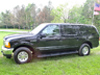
Here are some pics of the trailer and my first floorplan drawing:
Older trailers like that typically had black pipe run underneath with some sort of flex pipe (maybe just copper line?) to the appliance. Newer trailers use rubber hose. I expect the hose would be more $$ but much easier to use.
Older trailers like that typically had black pipe run underneath with some sort of flex pipe (maybe just copper line?) to the appliance. Newer trailers use rubber hose. I expect the hose would be more $$ but much easier to use.
The hose would be easier, I just want to make sure I am setting it up safely. All I will need it for is the fridge, water heater, cook top and heater. They should all be in the front of the trailer within 5-6 ft of each other. I am debating installing some kind of permanent propane heater, but for the time being I will be using my Mr Buddy heater that I use when van camping. They make an extension hose for it that has a quick connect and regulator so I could connect it to the trailer LP system.
From more reading it appears that the suggestion is to run a trunk under the trailer in black pipe and then do individual runs off the trunk to the appliances. Now the confusion is what to run to the appliances. I have seen recommendations for soft copper off the trunk all the way to the appliances, black pipe all the way to the appliances and black or copper as close to the appliance as possible and then use a short rubber propane hose.
Black pipe trunk lines, schedule 80 if possible. Soft drawn copper with flare connection to appliance. No residential flex lines.
Thanks. I didn't specify about the flex lines. Yes, no residential flex lines. So copper all the way to the appliance with no RV grade rubber lines in-between?
What I am trying to accomplish appliance wise is to use a 2 burner camping stove mounted to the counter top in a way that I can easily take it outside to cook as well when it's nice, or if I am cooking something that would cause a lingering smell in the trailer (like bacon). I know they have LP quick connects that might work. I could put one in the kitchen and 1 outside, but I am curious about their safety factor.
Same thing with the heater, since I am planning on starting out using my Mr Heater. They sell the flex LP line with a quick connect for attaching it.
I know that I would want to minimize connections inside the trailer to reduce the possibility of leaks. Also, with LP being heavier than air I was debating putting a vent in the floor near the appliances so that any possible leaked LP would flow out of the trailer instead of pooling.
You don't need a vent in the floor. Do a pressure test,and a leak (soap) test.Do a few more soap tests after you tow it some.The propane quick connection is safe.I have one in my trailer . Make sure the black pipe is properly secured. U bolts should work.
Rezvani's Latest Post-Apocalyptic Monster Is a Ford F-150 Raptor Underneath
Slideshow: Called the Fortress, the 850-horsepower pickup combines Raptor underpinnings with military-inspired features, survival equipment, and a starting price of $285,000.