When you click on links to various merchants on this site and make a purchase, this can result in this site earning a commission. Affiliate programs and affiliations include, but are not limited to, the eBay Partner Network.
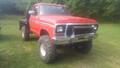
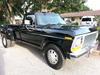
Pics are worth a million words. One thing to keep in mind based on my experience. Cold air on carb systems does not produce the same gains as FI engines. Warmer air assists the atomization of the liquid fuel as it travels through your intake which increase efficiency and burn rate. More air ie; Ram Air/forced induction is the preferred method for carb systems for gains.
I like the idea of getting cold air from o/s the engine bay as your second example seems to do. Cold air is denser and, thus, carries more oxygen. Ram effects are probably going to be small to non-existant at sub-sonic speeds but its always better to have more air than you can make use of rather than less.
There was a thread on hood scoops recently but since our trucks have so much frontal area (think barn door), converting any part of that surface to air intake just seems like it has to be a step in the right direction.
So please do share any hard or anecdotal data that you gather. Inquiring minds want to know.
The OE system, at least on my '78 is "cold ram air". It picks up cooler slightly pressurized air from in front of the radiator cowl. There is a vacuum operated butterfly in the snorkel that picks up manifold heated air at low and part throttle then switches to cool ram air with heavy throttle.
Pretty sophisticated!
Also pretty low capacity I believe. A warmed up engine would need a bigger setup for best performance.
I have a double snorkle air cleaner but only run one 4" hose at a time. In the summer it goes to the front firewall for outside air. In the winter down to the header area for war air. 4" is probably more than enough inlet up to 6,000rpm.
This Hennessey Takes the Expedition Tremor's Off-Roading Capability to the Next Level
Slideshow: The VelociRaptor Expedition gains a lift, upgraded suspension, Brembo brakes, and trail-ready equipment while retaining the stock 440-horsepower EcoBoost V6.