


What size manifold studs?

Thread Starter
|
New User
Joined: Feb 2015
Posts: 8
Likes: 0
What size manifold studs?
Just swapping out the exhaust for EFI and still deciding on an intake manifold, and it was recommended to me I replace the bolts with some studs instead. What size and thread type do I need for this. This is on an '85 F-150 300 ci Inline six. Also where would one normally purchase these?
Lead Driver


Joined: Mar 2008
Posts: 7,188
Likes: 384
From: Near Los Angeles
Just swapping out the exhaust for EFI and still deciding on an intake manifold, and it was recommended to me I replace the bolts with some studs instead. What size and thread type do I need for this. This is on an '85 F-150 300 ci Inline six. Also where would one normally purchase these?
Lead Driver
Joined: Mar 2008
Posts: 7,188
Likes: 384
From: Near Los Angeles
That will cost you $5.00. Ha ha. Just messing with you. Good luck. Glad to help.

Cargo Master


Joined: Mar 2014
Posts: 2,031
Likes: 72

Used hilco as well. Did the same stuff except I purchased the flange nuts as well. Ended up using the self locking nuts with the lock washers and the factory washers. The thick washers from hilco are not all that wide and barely catch on the flanges for the manifolds.
Followed another forum member's advise on torquing per sequence and not doing all 30 pounds at once.
Followed another forum member's advise on torquing per sequence and not doing all 30 pounds at once.
Senior User
Joined: Oct 2020
Posts: 111
Likes: 0
I was able to buy my studs right off Amazon.
The measurements on the studs are:
The coarse end goes in the block.
As for the nuts,
The measurements on the studs are:
3/8-16 x 3/8-24 x 2
The coarse end goes in the block.
As for the nuts,
18-8 Stainless Steel Hex Flange Nut
I reused the OEM washers. You can buy them, but I don't know the spec - someone posted it in a forum here somewhereTrending Topics

Laughing Gas
Joined: Feb 2016
Posts: 908
Likes: 119
I'm a big fan of only running studs in the minimum number of places required to hand the manifolds in place and then running bolts everywhere else. That way if you ever need to open it up again you only have to get rusted nuts off a handful of studs.
FTE Stories
Ford Trucks for Ford Truck Enthusiasts

3 Best / 3 Worst Parts of Modern Ford Ownership
Brett Foote
10 Amazing Upgrades That Solve Common Ford Truck Owner Headaches
Pouria Savadkouei
Every 2026 Ford Engine Explained
Brett Foote
10 Ugly Ford Trucks That We Still Kinda Love
Joe Kucinski
10 Things Every Truck Owner NEEDS (2026 Edition)
Michael S. Palmer
Rezvani's Latest Post-Apocalyptic Monster Is a Ford F-150 Raptor Underneath
Verdad Gallardo
Top 10 Most Expensive Ford Trucks Ever Sold on Bring a Trailer
Joe Kucinski
2027 Ford Super Duty Buyer's Guide (Every Model, Engine, & Package)
Brett Foote
Top 10 Ford Truck Tragedies
Joe Kucinski
Senior User
Joined: Oct 2020
Posts: 111
Likes: 0
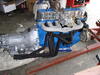
Here's what mine looked like before I threw on the combination manifold yesterday:

Here's what it looked like after

Laughing Gas
Joined: Feb 2016
Posts: 908
Likes: 119
Bolts and studs both come out just fine but the nuts on the studs frequently bring the stud with them. Using bolts saves the time spent getting the nuts off the studs and reinstalling the studs if you ever have to service it again.
Is fine thread easier to torque more accurately and reliably? Sure. Is it enough to matter in this application? I don't think so.
You can do any service you want on the head (short of porting) without removing the manifolds. If you install the manifolds right you should never have to touch them again.
Is fine thread easier to torque more accurately and reliably? Sure. Is it enough to matter in this application? I don't think so.
You can do any service you want on the head (short of porting) without removing the manifolds. If you install the manifolds right you should never have to touch them again.
Senior User
Joined: Oct 2020
Posts: 111
Likes: 0
Bolts and studs both come out just fine but the nuts on the studs frequently bring the stud with them. Using bolts saves the time spent getting the nuts off the studs and reinstalling the studs if you ever have to service it again.
Is fine thread easier to torque more accurately and reliably? Sure. Is it enough to matter in this application? I don't think so.
You can do any service you want on the head (short of porting) without removing the manifolds. If you install the manifolds right you should never have to touch them again.
Is fine thread easier to torque more accurately and reliably? Sure. Is it enough to matter in this application? I don't think so.
You can do any service you want on the head (short of porting) without removing the manifolds. If you install the manifolds right you should never have to touch them again.
I'm not sure if this would help, but you can double nut the studs to preload them. I saw a video that suggested you preload them to 24 ft /lbs. I didn't do that because I was afraid of doing damage. I also don't think that applies to studs where it's butting up against the end of the thread.
IDK, I'll be honest, I used studs because I thought it would be easier to hang the manifold. I don't actually think that ended up being true.

Senior User
Joined: Oct 2020
Posts: 111
Likes: 0
So... I'm assuming that's a risk of snapping off a bolt in the block?