


Weight Ratings

Thread Starter
|
Senior User
Joined: Nov 2012
Posts: 192
Likes: 0
From: Central Iowa
Weight Ratings
So I haven't really seen any conclusive thread anywhere about the weight ratings of these trucks.
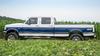
I have a 1989 Ford F350, 4.56 gears, 7.5L high-altitude V8, E4OD, 3.5"HD rear brakes, dual rear wheels, tow package, and a Sterling 10.25. The GVWR is 10,000lbs.
The Ford dealer said I can tow up to 22,000lbs trailer weight with my setup. I polled another Ford dealer and they said the same thing.
I don't have an owners manual, but does this sound reasonable? The truck handles perfectly with that load, never has any trouble stopping, always steers good, matter of fact you can hardly tell that a trailer is behind it.
I have a 1989 Ford F350, 4.56 gears, 7.5L high-altitude V8, E4OD, 3.5"HD rear brakes, dual rear wheels, tow package, and a Sterling 10.25. The GVWR is 10,000lbs.
The Ford dealer said I can tow up to 22,000lbs trailer weight with my setup. I polled another Ford dealer and they said the same thing.
I don't have an owners manual, but does this sound reasonable? The truck handles perfectly with that load, never has any trouble stopping, always steers good, matter of fact you can hardly tell that a trailer is behind it.
Thread Starter
|
Senior User
Joined: Nov 2012
Posts: 192
Likes: 0
From: Central Iowa
Thanks for the specs.
It still seems strange to me that a 1 ton truck could only tow 16,00lbs trailer weight? Not saying that the book is wrong...
Then the next question, factory ratings aside, what would seem like a reasonable load?
It still seems strange to me that a 1 ton truck could only tow 16,00lbs trailer weight? Not saying that the book is wrong...
Then the next question, factory ratings aside, what would seem like a reasonable load?

Post Fiend
Joined: Apr 2004
Posts: 6,473
Likes: 4
From: Lafayette, IN
However, you're talking about a 25-year-old truck that has 25 years of rust and metal fatigue on the frame and suspension... Bottom line: it's not as sturdy as when it rolled off the assembly line.
Jason
Thread Starter
|
Senior User
Joined: Nov 2012
Posts: 192
Likes: 0
From: Central Iowa
For one, it's a manufacturer rating, so it's probably a bit conservative (though the cynic in me would say that they want your truck to break sooner rather than later so they can sell you another one) for liability's sake.
However, you're talking about a 25-year-old truck that has 25 years of rust and metal fatigue on the frame and suspension... Bottom line: it's not as sturdy as when it rolled off the assembly line.
Jason
However, you're talking about a 25-year-old truck that has 25 years of rust and metal fatigue on the frame and suspension... Bottom line: it's not as sturdy as when it rolled off the assembly line.
Jason
BTW the truck has the original paint on the frame, I've spent a lot of time inspecting it to see if I could find paint peeling/bubbling or rusting on the frame and have not found any yet.
As for metal fatigue, that is actually the first time I have heard that, and it is an interesting point. I suppose if it was used off-road or was flexed significantly on a regular basis it could fatigue parts to the point of being unsafe. I would assume Ford would have built in plenty of leeway to account for normal highway usage.
Compared to the truck we used before to tow, the Ford is like a dream. It's handling is exceptional, even towing overload (if you base upon the factory rating, here in Iowa we simply pay extra taxes to tow over the factory rating...).
I know of several places around here that have their ford F350's re-rated legally to tow higher loads, and if I rebuild this truck eventually I will do the same, and that does assume you accept the liability.

Posting Guru
Joined: Feb 2013
Posts: 1,555
Likes: 1
I do suspect it is a bit conservative.
BTW the truck has the original paint on the frame, I've spent a lot of time inspecting it to see if I could find paint peeling/bubbling or rusting on the frame and have not found any yet.
As for metal fatigue, that is actually the first time I have heard that, and it is an interesting point. I suppose if it was used off-road or was flexed significantly on a regular basis it could fatigue parts to the point of being unsafe. I would assume Ford would have built in plenty of leeway to account for normal highway usage.
Compared to the truck we used before to tow, the Ford is like a dream. It's handling is exceptional, even towing overload (if you base upon the factory rating, here in Iowa we simply pay extra taxes to tow over the factory rating...).
I know of several places around here that have their ford F350's re-rated legally to tow higher loads, and if I rebuild this truck eventually I will do the same, and that does assume you accept the liability.
BTW the truck has the original paint on the frame, I've spent a lot of time inspecting it to see if I could find paint peeling/bubbling or rusting on the frame and have not found any yet.
As for metal fatigue, that is actually the first time I have heard that, and it is an interesting point. I suppose if it was used off-road or was flexed significantly on a regular basis it could fatigue parts to the point of being unsafe. I would assume Ford would have built in plenty of leeway to account for normal highway usage.
Compared to the truck we used before to tow, the Ford is like a dream. It's handling is exceptional, even towing overload (if you base upon the factory rating, here in Iowa we simply pay extra taxes to tow over the factory rating...).
I know of several places around here that have their ford F350's re-rated legally to tow higher loads, and if I rebuild this truck eventually I will do the same, and that does assume you accept the liability.
Thread Starter
|
Senior User
Joined: Nov 2012
Posts: 192
Likes: 0
From: Central Iowa
I am exempt from cdl because it is for farming. However I am going to be getting my class d1 license to ensure I am properly licensed. Theres a bunch of confusion out here in iowa around the subject of needing a cdl... For operation between farms or for farm purposes a cdl is not needed. That much is clear. Taking to dot officers they don't care about whether we have the right license or not since we aren't commercial, but they have been cracking down on light trucks more recently. But I did finally figure out that I need a class d endorsement 1 license for what I am doing so I am working on obtaining it. Until then I tow within limits for my non cdl drivers license.
Trending Topics
Senior User
Joined: Apr 2010
Posts: 227
Likes: 1
So I haven't really seen any conclusive thread anywhere about the weight ratings of these trucks.
I have a 1989 Ford F350, 4.56 gears, 7.5L high-altitude V8, E4OD, 3.5"HD rear brakes, dual rear wheels, tow package, and a Sterling 10.25. The GVWR is 10,000lbs.
The Ford dealer said I can tow up to 22,000lbs trailer weight with my setup. I polled another Ford dealer and they said the same thing.
I don't have an owners manual, but does this sound reasonable? The truck handles perfectly with that load, never has any trouble stopping, always steers good, matter of fact you can hardly tell that a trailer is behind it.
I have a 1989 Ford F350, 4.56 gears, 7.5L high-altitude V8, E4OD, 3.5"HD rear brakes, dual rear wheels, tow package, and a Sterling 10.25. The GVWR is 10,000lbs.
The Ford dealer said I can tow up to 22,000lbs trailer weight with my setup. I polled another Ford dealer and they said the same thing.
I don't have an owners manual, but does this sound reasonable? The truck handles perfectly with that load, never has any trouble stopping, always steers good, matter of fact you can hardly tell that a trailer is behind it.
FTE Stories
Ford Trucks for Ford Truck Enthusiasts

Top 10 Fords at 2026 Carlisle Ford Nationals
Joe Kucinski
3 Best / 3 Worst Parts of Modern Ford Ownership
Brett Foote
10 Amazing Upgrades That Solve Common Ford Truck Owner Headaches
Pouria Savadkouei
Every 2026 Ford Engine Explained
Brett Foote
10 Ugly Ford Trucks That We Still Kinda Love
Joe Kucinski
10 Things Every Truck Owner NEEDS (2026 Edition)
Michael S. Palmer
Rezvani's Latest Post-Apocalyptic Monster Is a Ford F-150 Raptor Underneath
Verdad Gallardo
Top 10 Most Expensive Ford Trucks Ever Sold on Bring a Trailer
Joe Kucinski
2027 Ford Super Duty Buyer's Guide (Every Model, Engine, & Package)
Brett Foote
Posting Guru
Joined: Feb 2013
Posts: 1,555
Likes: 1
I am exempt from cdl because it is for farming. However I am going to be getting my class d1 license to ensure I am properly licensed. Theres a bunch of confusion out here in iowa around the subject of needing a cdl... For operation between farms or for farm purposes a cdl is not needed. That much is clear. Taking to dot officers they don't care about whether we have the right license or not since we aren't commercial, but they have been cracking down on light trucks more recently. But I did finally figure out that I need a class d endorsement 1 license for what I am doing so I am working on obtaining it. Until then I tow within limits for my non cdl drivers license.
Thread Starter
|
Senior User
Joined: Nov 2012
Posts: 192
Likes: 0
From: Central Iowa
Heh. if you don't mind me asking, you use a cdl or a class d?
I'm down in the SE here.
I'm down in the SE here.
Thread Starter
|
Senior User
Joined: Nov 2012
Posts: 192
Likes: 0
From: Central Iowa
depending on which farm I'm going to its almost 70 miles and partly on the interstate so I just have to comply..
Posting Guru
Joined: Feb 2013
Posts: 1,555
Likes: 1
thats another thing, i usually take gravel secondary roads or low/no maintenance roads so its rare to even meet another vehicle, also gravel roads dont have weight ratings like paved roads, as i was overloaded and met a dot and he said i was fine since i was on the secondary road which happened to be a low/no maintenance road
Thread Starter
|
Senior User
Joined: Nov 2012
Posts: 192
Likes: 0
From: Central Iowa
thats another thing, i usually take gravel secondary roads or low/no maintenance roads so its rare to even meet another vehicle, also gravel roads dont have weight ratings like paved roads, as i was overloaded and met a dot and he said i was fine since i was on the secondary road which happened to be a low/no maintenance road
What the DOT has pretty much always said is that they are worried about commercial drivers not farmers or individuals.
I'm actually calling the DOT office now to see if I can get a straight answer on whether I need farm plates or not when towing using a class d. ill probably be I'm hold for the next hour lol.
The advantage of having a class d is that I don't have to stop at weigh stations, and I am not subject to safety inspections either but I do a pre trip anyways...
Fleet Owner


Joined: May 2009
Posts: 21,437
Likes: 76
From: Gilbert, PA
And your truck will not like it one bit
I think that is a BIT much for a 240hp gas truck
18k would be a better number