




Where to Find a Basic PSD System Description/Operation

Post Fiend
Joined: Sep 2006
Posts: 7,426
Likes: 6
From: Sioux Falls, SD
..............
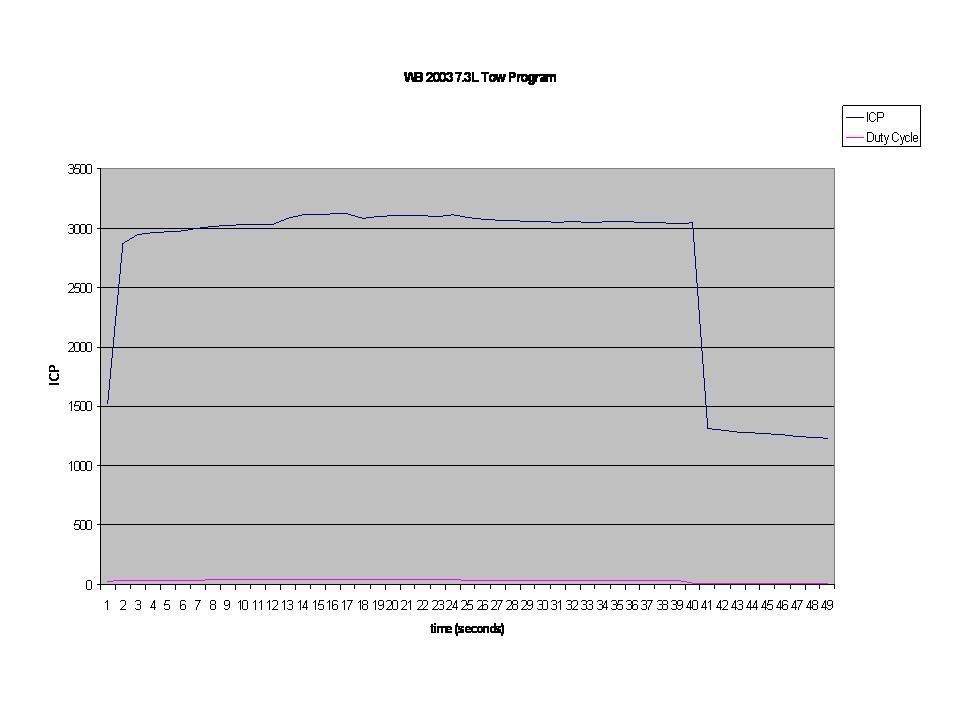
Our HEUI injection system needs 500 psi of engine oil to start, and can reach up around 3,000 psi while driving. The high pressure oil is used to actuate parts of the injector to fire fuel into the cylinder. After leaving the injector, the oil is discharged back up under the valve cover and drains back to the crank case from there. The shearing and pressure the oil is put under is why it's imperative to run a properly rated diesel oil with the anti-foaming additive.
When the oil pressure is right inside the heads, the IDM (injector driver module) is used to activate the injectors based on inputs it receives from the PCM.
Our HEUI injection system needs 500 psi of engine oil to start, and can reach up around 3,000 psi while driving. The high pressure oil is used to actuate parts of the injector to fire fuel into the cylinder. After leaving the injector, the oil is discharged back up under the valve cover and drains back to the crank case from there. The shearing and pressure the oil is put under is why it's imperative to run a properly rated diesel oil with the anti-foaming additive.
When the oil pressure is right inside the heads, the IDM (injector driver module) is used to activate the injectors based on inputs it receives from the PCM.
With a software tool like AE (auto Enginuity http://www.autoenginuity.com/) you can monitor just about every engine system on the 7.3L. For example here is a graphy of the injector control pressure Chris explained above. You can see the HPOP pressure can range from 500 to 3000 depending on the requested demand/engine load. This software comes in very handy when trying to diagnose HPOP health (especialy after adding power modifications since it is ussally the HPOP that will send a SES light during higher HP settings) and diagnose engine codes.

Thread Starter
|
Senior User
Joined: Oct 2010
Posts: 407
Likes: 2
From: Mobile, AL
My wife can't figure out why I spend so much time reading random posts. She calls this site "Truckbook." There seem to be plankowners on this site, each with a particular knowledge area, that are WAY better than any Ford at fixing problems. And they do it all without even seeing the truck! Amazing....

Posting Guru
Joined: Feb 2010
Posts: 1,411
Likes: 1
From: Opelika, AL
My wife can't figure out why I spend so much time reading random posts. She calls this site "Truckbook." There seem to be plankowners on this site, each with a particular knowledge area, that are WAY better than any Ford at fixing problems. And they do it all without even seeing the truck! Amazing....
lol...the facebook of trucks!!! never thought of it that way

you are right...there are a lot of great people here. finding this site kinda restored my faith in humanity.
Thread Starter
|
Senior User
Joined: Oct 2010
Posts: 407
Likes: 2
From: Mobile, AL
Ok, so seeing if we can finish the oil cycle....LPOP scavenges from the pan and pulls it up to lube the motor and into the HPOP reservoir which forces oil to the injectors which also have fuel going to them via fuel lines. The air from the turbo is introduced to the cylinder in a separate chamber. When the injector fires, it is from the HPOP oil pressure (varies w/engine RPM) and fuel goes into the cylinder that also has hot air and then combustion takes place.
After the oil leaves the injector, it flows down the heads (under the valve covers, which is why you can take the covers off to see if injectors are firing, the oil will squirt but not crazy if you don't rev the motor) and back into the pan.
So, the oil is supplied in parallel to left and right but then serial to the cylinders? It seems the HPOP supplies left and right side simultaneously and then in turn from front to back (1-3-5-7 on passenger and 2-4-6-8 on driver sides, respective). That is why there are so many issues with the #8 injector? Why not the #7, too, if they are supplied in series?
Which makes me ask about the oil crossover concept. So, the heads don't get HPOP oil of equal pressure? In theory they should, but I guess if there are obstructions or failing injectors pressure can diminish over the length of the run to #7 and #8. So, the HPx mod seeks to equalize the oil pressure over the injectors. Can it really do this if the HPOP pushing the oil thru lines to the injectors? Can the crossover supply the required oil to the injectors (under such high pressure)? Or am I missing something here.
Another side purpose here is to learn which mods are good for engine longevity, high performance, reliability, etc. Seems some are specific for pushing lots of power while others are applicable to just making the motor last longer/experience less maintenance issues (kinda like preventative maintenance).
After the oil leaves the injector, it flows down the heads (under the valve covers, which is why you can take the covers off to see if injectors are firing, the oil will squirt but not crazy if you don't rev the motor) and back into the pan.
So, the oil is supplied in parallel to left and right but then serial to the cylinders? It seems the HPOP supplies left and right side simultaneously and then in turn from front to back (1-3-5-7 on passenger and 2-4-6-8 on driver sides, respective). That is why there are so many issues with the #8 injector? Why not the #7, too, if they are supplied in series?
Which makes me ask about the oil crossover concept. So, the heads don't get HPOP oil of equal pressure? In theory they should, but I guess if there are obstructions or failing injectors pressure can diminish over the length of the run to #7 and #8. So, the HPx mod seeks to equalize the oil pressure over the injectors. Can it really do this if the HPOP pushing the oil thru lines to the injectors? Can the crossover supply the required oil to the injectors (under such high pressure)? Or am I missing something here.
Another side purpose here is to learn which mods are good for engine longevity, high performance, reliability, etc. Seems some are specific for pushing lots of power while others are applicable to just making the motor last longer/experience less maintenance issues (kinda like preventative maintenance).
Post Fiend
Joined: Sep 2006
Posts: 7,426
Likes: 6
From: Sioux Falls, SD
.............So, the HPx mod seeks to equalize the oil pressure over the injectors. Can it really do this if the HPOP pushing the oil thru lines to the injectors? Can the crossover supply the required oil to the injectors (under such high pressure)? Or am I missing something here.
 ,
, 
The left graph is ICP at idle -stock, the right graph is ICP at idle with the HPX crossover
To help answere the longevity mods question. Here are a few.
1. The in-tank fuel and pre-pump mod. This mod helps eliminate air entering the fuel system once the tank gets below 1/4. The stock mixing chamber design can lead to air being sucked into the fuel system below 1/4 tank. Getting the air out of the system is good for the injectors and has the side benefit of quieting down the diesel cackle some. Plus the added pre-pump fuel filter/water seperator will add another level of filtration.
2. Regulated return or fuel crossover kits
longevity benefits of this are increased fuel flow through the heads, eliminating starvation of the #8 cylinder. Any air bubbles in the fuel system can pass through the heads and out the regulators return port to the tank instead of through the fuel injectors (increased injector life and less injector noise). I did this mod to kind of "protect my investment" in the new injectors.
3. Used Oil Analysis - not really a "mod", but a tool to get a good snapshot of the internal wear, overall engine condition, and effectiveness of the air intake system. For $15 it is worth it IMO.
4. If/when you add a chip/tuner you will increase your EGT's. So then the focus tends to result in mods that will lower those higher EGT's. Here are some that will do this:
a more free flowing exhaust (4", 5")
air intake system
EBPV removal
AIH removal
intercooler upgrade
Hopefully I answere some of you points and didn't get off track to much

They key is to have an end result or final goal for the truck. What will be the primary focus? A power machine? Towing? Strictly longevity? Maybee a bit of each. But with a goal in mind it is then easier to plan a course of action.

Post Fiend
Joined: Mar 2007
Posts: 26,966
Likes: 50
From: Texas
So, the oil is supplied in parallel to left and right but then serial to the cylinders? It seems the HPOP supplies left and right side simultaneously and then in turn from front to back (1-3-5-7 on passenger and 2-4-6-8 on driver sides, respective). That is why there are so many issues with the #8 injector? Why not the #7, too, if they are supplied in series
Trailering
Joined: Dec 2004
Posts: 20
Likes: 0
From: Metro Detroit
Great reading... I just learned why my truck hisses after it's idled for awhile after start up.
"jeronlines", does that make you feel like less of an idiot asking questions?
I too want to learn basic stuff regarding the PSD. Pass the popcorn and keep it coming...
"jeronlines", does that make you feel like less of an idiot asking questions?
I too want to learn basic stuff regarding the PSD. Pass the popcorn and keep it coming...
FTE Stories
Ford Trucks for Ford Truck Enthusiasts

Top 10 Fords at 2026 Carlisle Ford Nationals
Joe Kucinski
3 Best / 3 Worst Parts of Modern Ford Ownership
Brett Foote
10 Amazing Upgrades That Solve Common Ford Truck Owner Headaches
Pouria Savadkouei
Every 2026 Ford Engine Explained
Brett Foote
10 Ugly Ford Trucks That We Still Kinda Love
Joe Kucinski
10 Things Every Truck Owner NEEDS (2026 Edition)
Michael S. Palmer
Rezvani's Latest Post-Apocalyptic Monster Is a Ford F-150 Raptor Underneath
Verdad Gallardo
Top 10 Most Expensive Ford Trucks Ever Sold on Bring a Trailer
Joe Kucinski
2027 Ford Super Duty Buyer's Guide (Every Model, Engine, & Package)
Brett Foote
Post Fiend
Joined: Nov 2007
Posts: 9,549
Likes: 14
From: Payson, AZ
To get the same effect of balancing the HPO in each cylinder head that is achieved by installing an HPX you can remove the check valves
from each HPO outlet on the HPOP. This has been recommended by more then one HPOP modifier.
The check valve in each outlet is just a spring and disc.
from each HPO outlet on the HPOP. This has been recommended by more then one HPOP modifier.
The check valve in each outlet is just a spring and disc.
Thread Starter
|
Senior User
Joined: Oct 2010
Posts: 407
Likes: 2
From: Mobile, AL
So, I've been thinking and reading a lot and I think the oil system is pretty well covered. The only mod to it is really a form of increasing flow to the #8. This is accomplished via a crossover line or removing the HPOP check valves. In either case, pressure is equalized across the rails/galleys and the result is smoother delivery and firing.
On to the fuel system? I need to read more about it before I can even post an intelligent description.
On to the fuel system? I need to read more about it before I can even post an intelligent description.
Thread Starter
|
Senior User
Joined: Oct 2010
Posts: 407
Likes: 2
From: Mobile, AL
To help answere the longevity mods question. Here are a few.......They key is to have an end result or final goal for the truck. What will be the primary focus? A power machine? Towing? Strictly longevity? Maybee a bit of each. But with a goal in mind it is then easier to plan a course of action.


New User
Joined: Feb 2011
Posts: 4
Likes: 0
Hi all,
New to this forum. I enjoyed reading the info posted here regarding the over view of how it all works. Can anyone confirm this? The IDM is controlled by the PCM based on input from Cam Position Sensor, correct? Hence the reason a 7.3L will shut down when the CPM fails?
Been forced to learn this info the hard way (spent too much money chasing an injector stiction problem!) so this thread is a great deal of valuable knowledge! Thanks for posting it!
Mudtug2
New to this forum. I enjoyed reading the info posted here regarding the over view of how it all works. Can anyone confirm this? The IDM is controlled by the PCM based on input from Cam Position Sensor, correct? Hence the reason a 7.3L will shut down when the CPM fails?
Been forced to learn this info the hard way (spent too much money chasing an injector stiction problem!) so this thread is a great deal of valuable knowledge! Thanks for posting it!
Mudtug2

Cargo Master


Joined: May 2010
Posts: 3,047
Likes: 10
From: Snohomish, WA

The PCM takes signals (inputs) from the various sensors. It sends signals (outputs) to the IDM. So yes if the CPS fails the PCM cannot determine RPM, so the engine will shut down or not start.
Post Fiend
Joined: Mar 2007
Posts: 26,966
Likes: 50
From: Texas
The CPS is used to read the timing of the engine so the PCM and IDM know when to fire the injectors. If the CPS goes out the engine shuts down instead of risking injecting fuel at the wrong time and possibly blowing apart the motor.