
10 Ways To Ruin Your Ford Truck
You could unknowingly be shortening the lifespan of your Ford truck by making these 10 mistakes. Filed under How NOT to Own a Ford Truck!






How NOT to Own a Ford Truck!
If you have a Ford truck, you probably want to maintain it properly so it will last you a long time. Afterall, new trucks are anything but cheap.
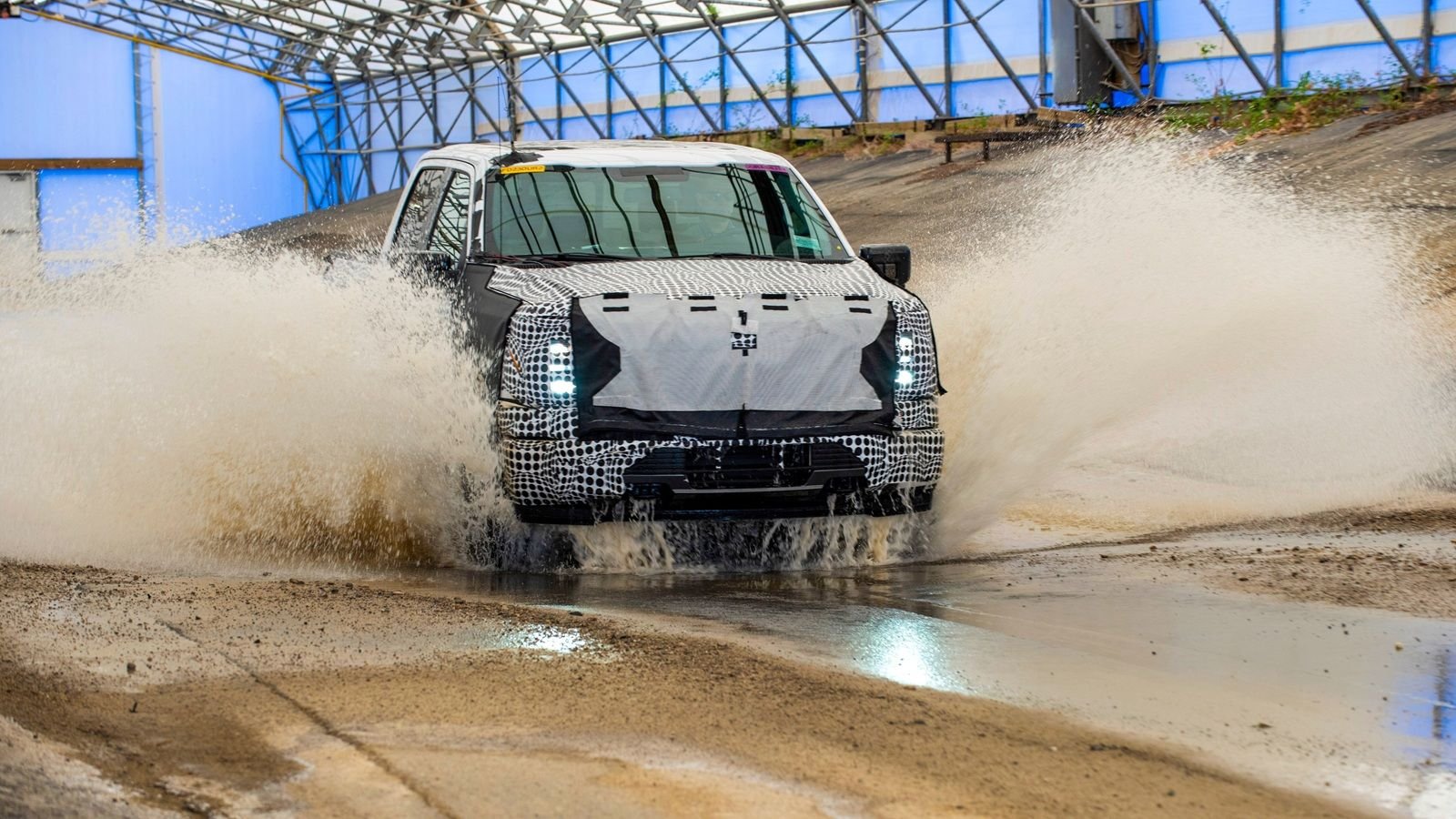
Some ownership tips are obvious -- don't drive through a flooded river, don't put DEF fluid in your fuel tank -- but there are several less obvious habits that could slowly be ruining your truck. None of these things will cause your truck to immediately fail, mind you. But over time, they could cause real damage and lead to expensive repairs that could have been avoided.
Without further ado, here are 10 Ways to Ruin Your Ford Truck!
1. Extending Oil Change Intervals
Everyone knows that oil needs to be changed on a regular basis. That's not breaking news. But far too many people stick to the longest factory-recommended intervals based on light-duty driving. Many people -- especially truck owners -- need to be following the heavy or severe duty maintenance schedules, which effectively means more frequent oil changes (not to mention other fluid services and filter replacements).
This is especially true with the first oil change.
You want to flush that out. After that first oil change, stay on top of regular changes to keep your engine protected. It is the cheapest and easiest insurance to prevent engine problems.
2. Too Much Idling/Short Trips
Taking frequent short trips and letting your truck idle for long periods of time does more harm than many people realize. Under idle conditions, combustion isn’t as clean as when driving. Carbon buildup can occur in these conditions. Idling a diesel truck is even worse as it results in more DPF regens, EGR valves getting stuck due to soot buildup, and more. Try to avoid frequent short trips and extended idling when you can.
3. Not Washing & Protecting the Undercarriage
You just washed your truck, and you step back to admire the gleaming paint. She sure looks great, doesn’t she? But what about underneath? It is a good idea to wash down that undercarriage occasionally too. Or apply some type of protectant to keep corrosion-inducing elements at bay. Especially if you live in an area that sees road salt in the winter. That salt can cause rust, which can silently eat away at your truck frame. The result is an aluminum Ford body that looks great until the rotten frame starts to fall apart underneath.
Pay attention to the underside as well. If not, you may get a very unpleasant surprise one day.
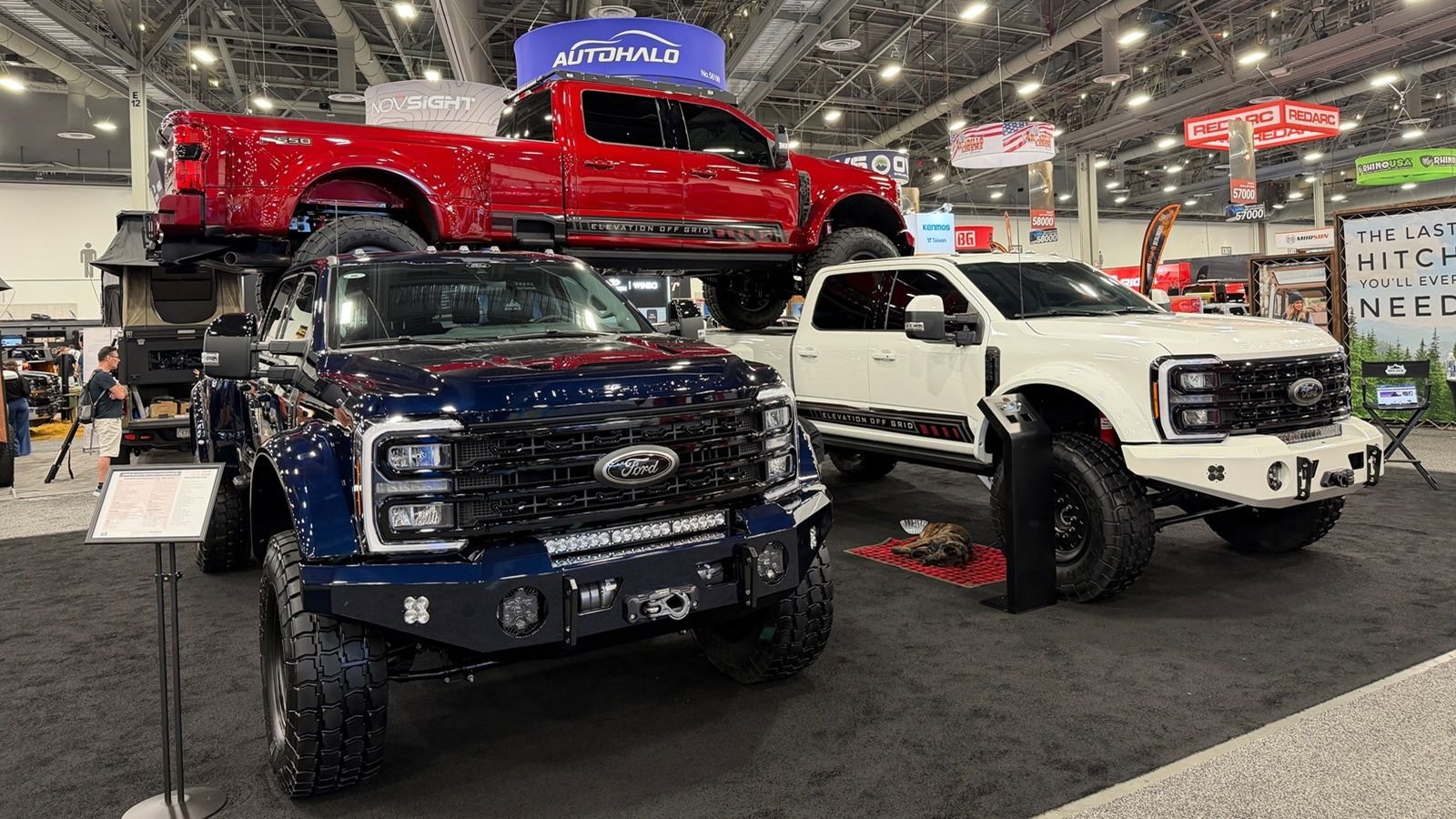
4. Larger Wheels/Tires Without Supporting Mods
You want to throw some bigger wheels and tires on your truck for better looks and more capability. There's nothing wrong with that. But upgrading wheels and tires can be complex and requires more discussion than we have room for here.
The main point here is that you need to consider other aspects of your truck when making a wheel/tire upgrade. And the bigger the upgrade, the more there is to be considered. You may have to recalibrate the speedometer and odometer. You may need a suspension lift. The diff and even the transmission may need to be upgraded. If you do it wrong, you'll cause more wear and tear on things like bearings and bushings, which could lead to catastrophic failures like entire wheel assemblies separating from your truck... while driving.
In short, be sure to understand everything that goes into the upgrade before you just slap on bigger wheels.
5. Towing/Hauling Over Capacity
The first thing you need to do is to determine the towing and payload capacity for your specific truck. That alone can be a challenge for some. Fortunately, Ford has a convenient towing calculator to help with this. Once that is determined, you need to be sure you stay within the limits. If you go over the payload capacity once by 20 pounds, that isn’t going to destroy your truck. But if you go over by 200 pounds every single day, that will eventually cause parts on your truck to wear faster as well as make your truck less safe while on the road and hauling too much weight.
6. Believing in Lifetime Transmission Fluid
This is marketing hype. Don’t believe in “lifetime” transmission fluid. No fluid in your truck will last a lifetime. It might last a long time, but not forever. It's a good idea to change your transmission fluid at least every 60K to 100K miles. It is easy to be fooled by this one, but lifetime is not lifetime, keep that in mind.
7. Unsafe Engine Tunes
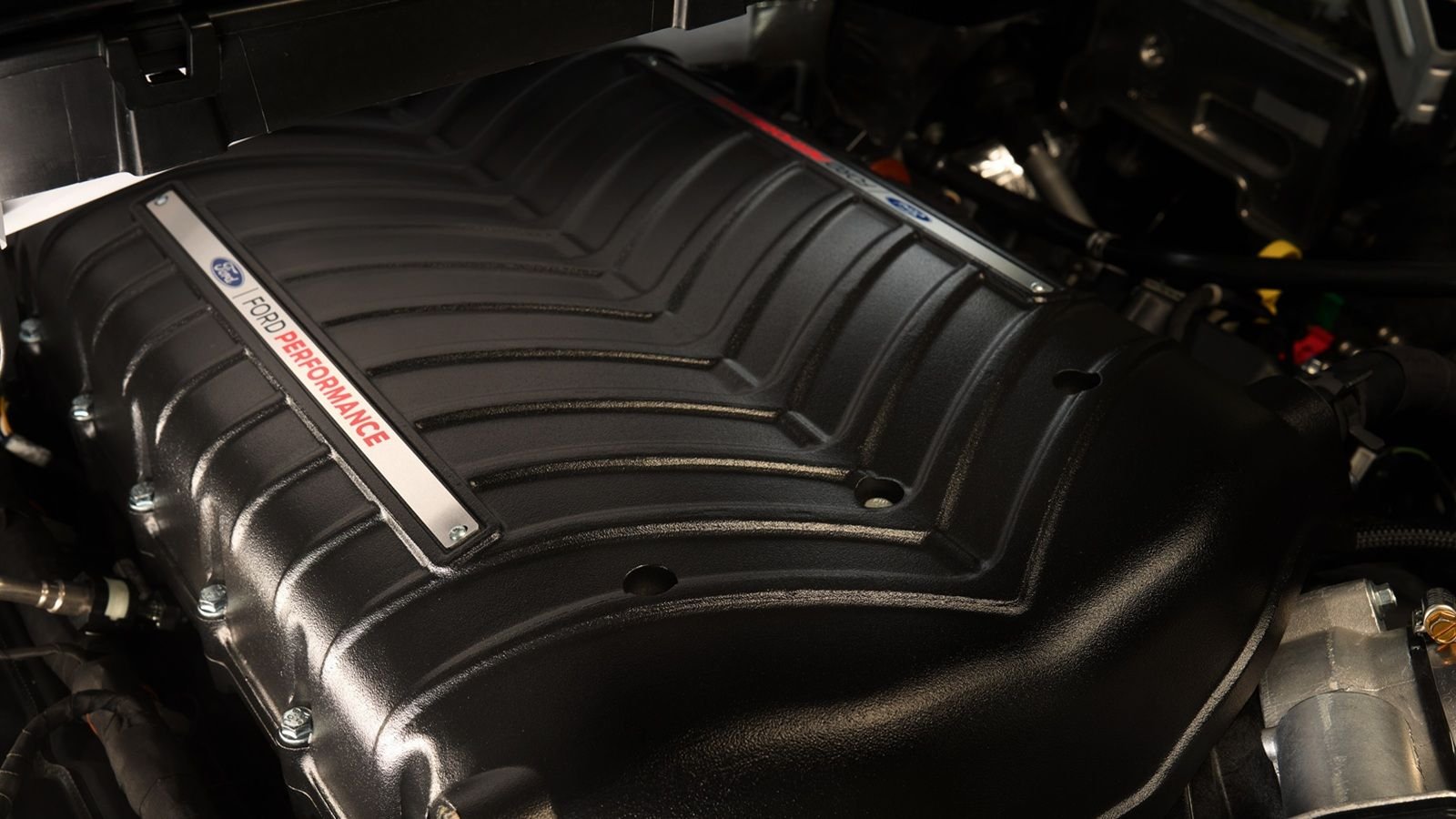
We all love to get more performance from our trucks. Sometimes that means installing a supercharger, other times just a tune. But be mindful of tunes because they are not all created equal. If you have a tune that's pushing more boost than is safe, one that leans out the air/fuel ratio too far, or you have it set so your truck will be ‘rolling coal’, then you are likely shortening the life of your engine. Keep this under consideration whenever you are considering an engine tune.
8. Consistently Driving in 4H on Dry Pavement
Like a lot of things on this list, the amount of time you do this makes a difference. If you drive a quarter mile in a straight line on dry pavement in 4-hi, that's not going to be a big deal. But if you drive hundreds of miles this way or worse, make lots of sharp, slow turns on dry pavement, you're putting a lot of strain on the 4WD components. Avoid this if possible.
9. Ignoring Strange Sounds/Warning Lights
You know your truck better than anyone else. If it starts making strange sounds, have it checked out. What might be a minor problem now could be developing into a major one if it goes unchecked. The same is true of warning lights on the dash. (Especially a flashing check engine light or any type of overheating warning.) They are there for a reason. Don’t ignore your truck when it is trying to tell you something.
10. Hard Acceleration With Cold Engine
Don’t start a cold truck and then immediately rev the engine or accelerate at full throttle before the truck gets a chance to warm up. Start-up causes the most wear to engines because the oil is cold and has dripped down off of all the parts it's supposed to be protecting.
The other issue is that the various metal components expand as they heat up (and expand at different rates), which affects tolerances.
Give your engine and oil a chance to come up to temperature and get the oil flowing before you start pushing it hard. Take it easy for the first few miles, and your engine will last longer.
Images: Ford