


Plumbing Brake Lines....


Thread Starter
|
Junior User
Joined: May 2007
Posts: 55
Likes: 0
From: Onalaska, Wisconsin
Plumbing Brake Lines....
Okay Im rebuilding a '58 Ford F100, but my question is, I've heard of some guys saying that when it comes to the brake lines, you should plumb them up according to how the stance of the vehicle will be when all 4 wheels are on the ground. Others have said that plumbing the lines is not required and that you should just run them the most direct route without interfereing with anything else. Any ideas??? THX!
Austin
Austin

Senior User
Joined: Nov 2005
Posts: 295
Likes: 0
From: Collierville
I would think that they should be plumbed level or with the M/C high over the wheel for the whole distance - so it is always going down hill. If the lines go down and then up it might make it difficult to bleed the lines with bubles getting caught in the system at high points. Just a thought.

Post Fiend
Joined: Jun 2002
Posts: 13,873
Likes: 3
From: Atlanta GA
> you should plumb them up according to how the stance of the vehicle
> will be when all 4 wheels are on the ground.
I really do not understand this statement, sorry.
I can tell you that you must provide stress relief between the master cyl and frame. This is usually the form of a spiral. If you run a line straight/directly from the MC to the frame, the result will be a broken line from tension or from stress.
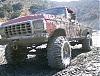
You see this all the time on trails where people build their own vehicles with awesome 8 inch body lifts and just run the line straight down from the MC to the frame. The results are usually losing all brakes downhill after hitting a bump or rut that twisted the frame.
> will be when all 4 wheels are on the ground.
I really do not understand this statement, sorry.
I can tell you that you must provide stress relief between the master cyl and frame. This is usually the form of a spiral. If you run a line straight/directly from the MC to the frame, the result will be a broken line from tension or from stress.
You see this all the time on trails where people build their own vehicles with awesome 8 inch body lifts and just run the line straight down from the MC to the frame. The results are usually losing all brakes downhill after hitting a bump or rut that twisted the frame.
Post Fiend
Joined: Jul 2006
Posts: 6,948
Likes: 44
Even in street rod applications where the master is mounted below the floor board, the routing of the lines is less important than the use of the right components. If your master cylinder is mounted high, the fluid will have less of a chance to back up from the wheel cylinder and maintain proper clearance of the brake shoes. The residual valve maintains a little pressure to keep the shoes close for proper operation. In an all disc set-up the pads always ride pretty close to the caliper, so this problem is decreased considerably, but requires a different valve.
An adjustable proportioning valve would be a good idea too.
Plumbing your lines level / parallel with the chassis even with a considerable amount of rake is acceptable as long as the above items are addressed. No reason to try to offset the routing of the lines to compensate for rake since the system maintains a certain amount of pressure, and not gravity to operate correctly.
An adjustable proportioning valve would be a good idea too.
Plumbing your lines level / parallel with the chassis even with a considerable amount of rake is acceptable as long as the above items are addressed. No reason to try to offset the routing of the lines to compensate for rake since the system maintains a certain amount of pressure, and not gravity to operate correctly.





