When you click on links to various merchants on this site and make a purchase, this can result in this site earning a commission. Affiliate programs and affiliations include, but are not limited to, the eBay Partner Network.
I'm thinking of putting an LED light Bar on the front bumper of my 2023 F150 XLT. I am looking for switch locations and wiring ideas.
Any help will be appreciated.
Thanks in advance
First check your local laws on lighting. I know people mount these things on their trucks, but you do not want to get pulled over for non-compliant lighting.
2nd, check the amperage draw of the light you are going to use. That will determine the style circuit you use as far as wiring size, switch size, and fuse sizing. You may need a relay if it draws a lot of power or you want it to come on and off with the ignition or some of your factory lighting.
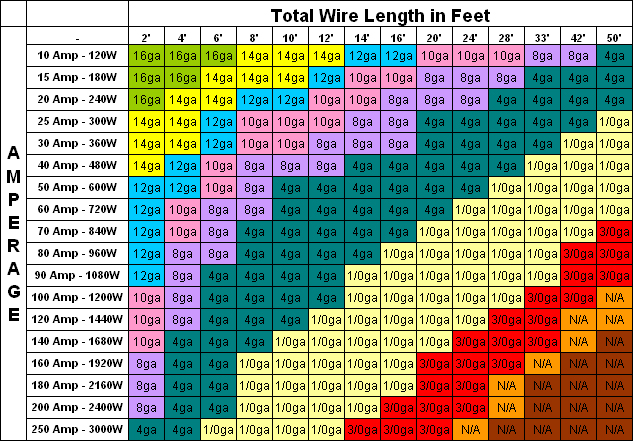
That is going to be a load of 12 amps. So you would need to run at least 14 gauge wire with a 15 amp fuse. 12 gauge wire with a 20 amp fuse would be better. And you would need to buy a switch at the store that could handle at least 15 amps.
I see the people above sell a wiring kit also. It has a inline fuse and a relay also.
Over the years, I have installed lights on my own cars, and other people's cars. I'm not an expert. Just sharing what I have observed.
In The Dark Days of Disco, we had halogen lamps. Typically, KC lights. If the lamp was listed at 100W, it was actually 100W. With LED, it's not as simple. Most LED will advertise a number which is supposed to be an "equivalent number". You may see an LED which says "100w", and what they really mean is that the light is about as bright as a 100w halogen lamp. Or, they consider that each one of their LED modules is equal to 3 watts of lighting, and they multiply that by however many modules are installed. So a light bar with 48 pieces of LED modules, is advertised to be 144 watts.
When you measure the amperage and wattage, you will find that every LED light bar uses a lot less power than advertised.
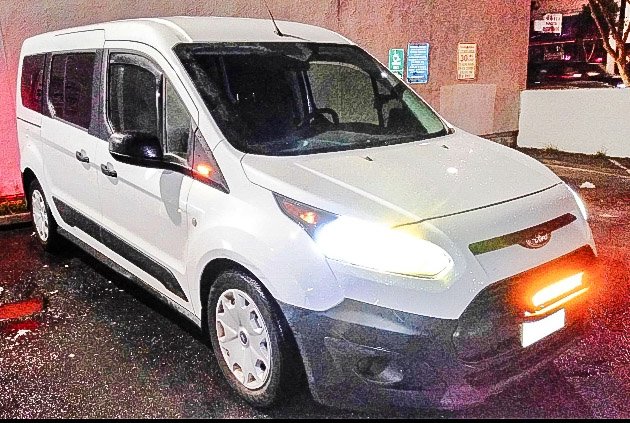
For reference, this is what those little lamps look like on the front of my Harley, with a LED light bar on the front of my pickup truck.
For most of those light bars which are sold as 20" to 24", and will fit on the front bumper of a truck; most will draw less than 15 amps. Usually, right around 10 amps. But it varies, and you do need to measure the amp draw, to ensure that you use the right fuse and wire. There are wiring charts and wiring diagrams available online. Note that instead of wiring the switch directly to the battery, it is suggested that you use an "ignition on" wire. So that when you turn off the engine and walk away, the lights don't stay on.
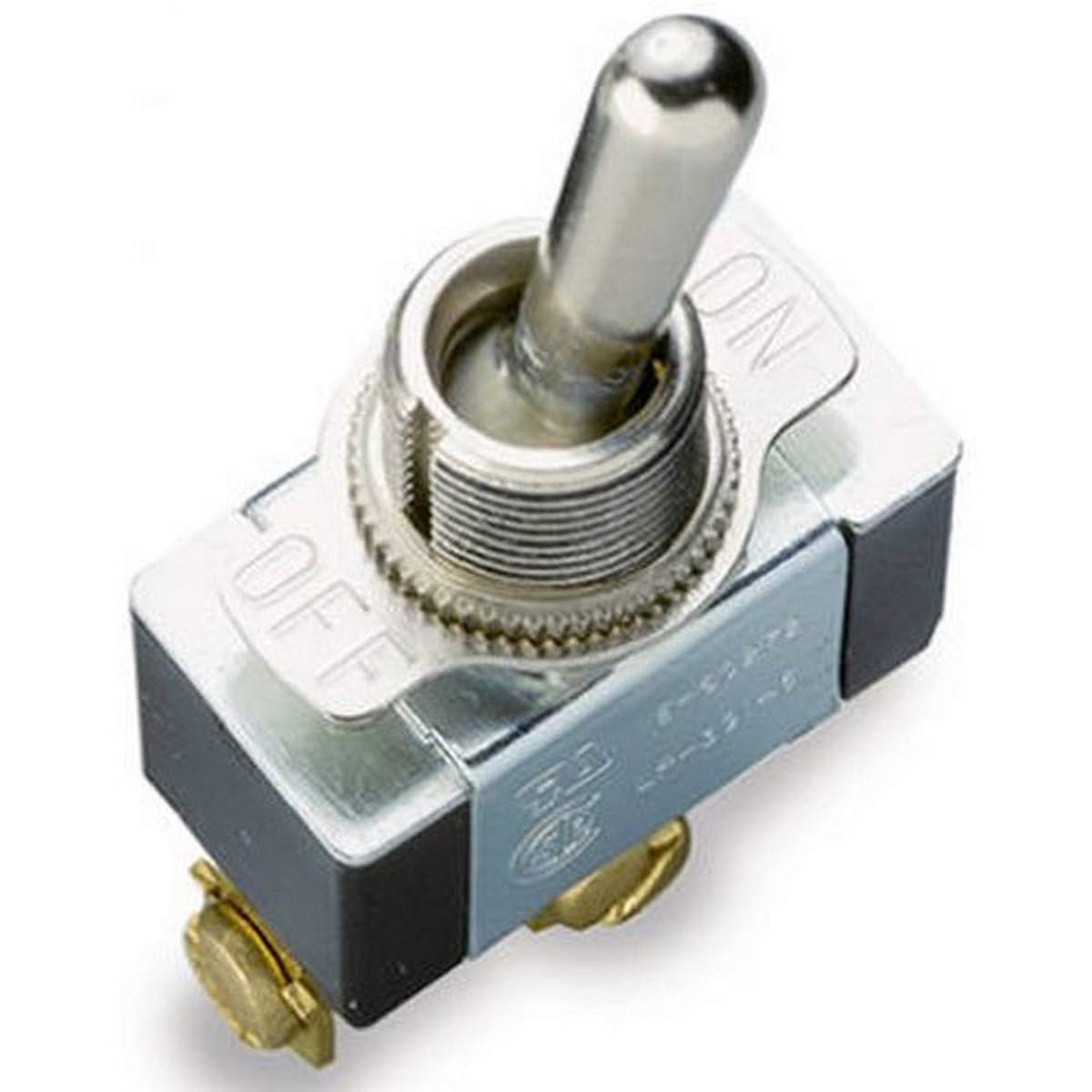
There are prefabricated wiring harnesses for LED light bars. I don't use them because every installation is different. The wiring is never the right length. The wirie gauge and fuse size may not be right for my installation. I tend to prefer a simple, heavy duty toggle switch. And I like to use fused relays. But it could still work for you.
There are also remote control kits. This minimizes the installation. No drilling holes through your firewall. No drilling holes in the dashboard. A lot less work.
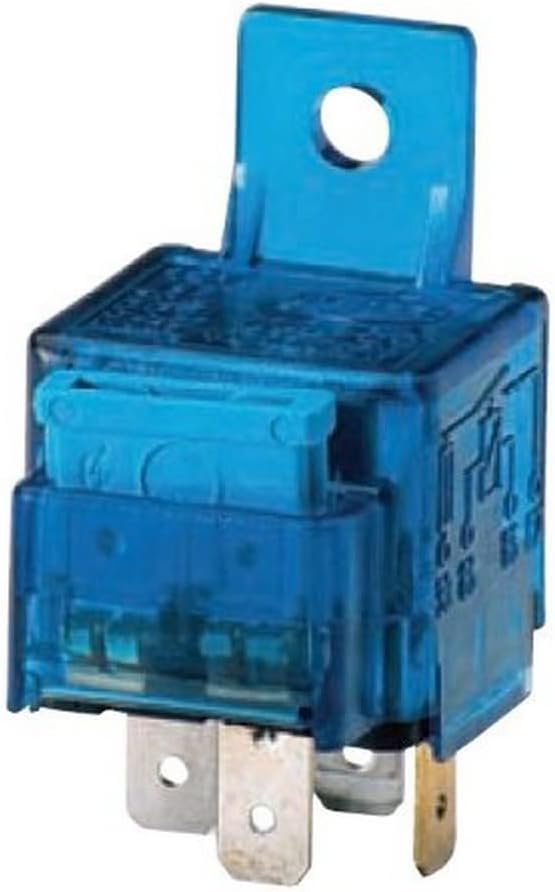
These parts are what I use, instead of some generic wiring kit. The heavy duty switch is a bit of overkill. But cheap, plastic, flimsy switches burn out and break. Fused relays are more convenient, so that you don't have to use an inline fuse holder. I use solder seal connectors. You can use crimp on butt connectors, or solder and heat shrink. Again, it's overkill, to use more expensive wire with a protective jacket, then protect the wire with a split loom. You can simply wrap electrical tape.
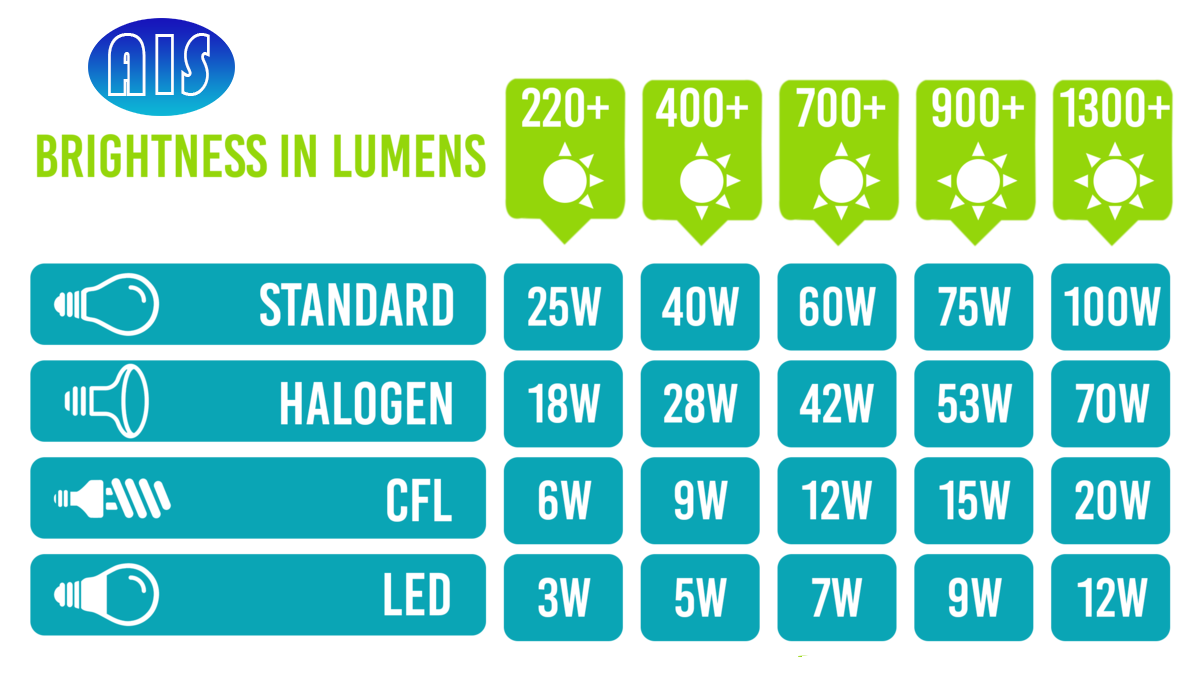
For further reference, here is a lighting comparison chart. In your home, you can replace your 60 watt light bulb with a 7 watt LED. Your standard automotive headlight bulb is 55 watts. On a 12 volt system, 2 headlights, will draw a little around 10 amps. On a 12 volt system, an LED drawing 1 amp is 12 watts.
Also for reference is a photo of the installation of a relay and socket which can easily be sourced from a local electronics store or online. In this case, the wiring was exactly the same as the wiring schematic. An easy and lazy way to do this is to connect pin 86 to the vehicle's high beam wire. Then you don't have to drill into the firewall or dashboard to install a switch. Any time you activate the high beams on your truck, the light bar turns on with it.
You haven't discussed or linked to any lighting studies or different types of light. I do not have any links either, but I do know these light bars put out a lot of light near the front of the vehicle. After you install one you might think this is good. But your high beams are for long distance lighting. If you have a lot of light close up around the front of the vehicle, this can impair your long distance vision. You can do some experimenting with a simple switch and see how it affects your long distance vision. The brilliant light near the front of the vehicle can fool your eyes and they will adjust for that instead of adjusting for the lower level light reflecting from long distance objects.
As far as close up lighting, yes they will add to the lighting in front of the vehicle. Problem is this lighting is not controlled. It's spread out in all directions. This is not good for glare to oncoming drivers.
In other words, light bars and other aux lighting have their place........off-road.
I don't know who is doing studies nor what they are studying.
There are simply too many types of lights, and brands, makes, and models, to compare.
This is one brand, KC, comparing their own lights. And tons of other people making lighting videos. All informative. But information limited to only what they are showing you. There are just way too many types of lights for anyone to study. Enjoy the videos. You can watch them all night, one after another, and still be confused as to what to buy.
This is what my specs look like: Voltage 24 Volts Brightness 14500 Lumen Maximum Compatible Light Source Wattage 150 Watts. And here is the link to the light I want:
Your 24v was throwing me there for a minute, but I see the light is rated for 9-30v dc. It must have a lamp driver in it that will handle that range. I am assuming you will be supplying 12v to it(more like 14.5 with the engine running).
Let's figure 12 volts. 150w divided by 12v equals 12.5 amps. So you can use a 15 amp fuse, 14 gauge wire or 20 amp fuse and 12 gauge wire.
How do you want the lights to operate? A simple dash switch hooked to the battery or a switch hooked so the lights only come on with the key? Or the lights to have a switch and only come on with the regular lights up front?
I want to put in a dash mounted switch that is only powered when the engine is running. By-the-way, Thanks for the information.
I would then buy one of the universal Bosch type relays. The most common size is 30 amps. Mount your relay under the hood somewhere, hook a 20 amp fuse directly to the battery, come out of the fuse with a 12 gauge wire and run that to the relay. Come out of the relay with another 12 gauge wire and go to the lights.
Then get a smaller 16 gauge or 18 gauge (smaller would even work) and run that from the relay coil in through the firewall to the switch you want to mount. This switch can be small, hardly any power is going to run through it. Come out of the switch and go over to the fuse box. Buy a fuse tap to fit your style fuses, and use it to tap into power. The radio fuse that comes on and off with the key would be a good one, it would probably even stay on for a few minutes after you took the key out if your truck has a battery saver feature.
This Hennessey Takes the Expedition Tremor's Off-Roading Capability to the Next Level
Slideshow: The VelociRaptor Expedition gains a lift, upgraded suspension, Brembo brakes, and trail-ready equipment while retaining the stock 440-horsepower EcoBoost V6.
Rezvani's Latest Post-Apocalyptic Monster Is a Ford F-150 Raptor Underneath
Slideshow: Called the Fortress, the 850-horsepower pickup combines Raptor underpinnings with military-inspired features, survival equipment, and a starting price of $285,000.