


Difficult winter-weather starting



Fleet Owner


Joined: Jun 2004
Posts: 25,090
Likes: 1,112
From: Rio Rico, AZ.
I dont think you are asking too much to start unaided at or below 0F. That was my objective since I am too cheap to keep my block heater plugged in for long periods of time.
I learned a lesson on my e99: the stock alternator is horrible at recharging the batts at low rpms. If your driving profile when it is cold is not at speed for extended periods, then your batteries never get fully charged from one drive to the next. Letting it idle for awhile to let it warm up doesn't give the kick in the pants the batteries need after a couple of glow plug cycles and super cold start. Also, unless you isolate the terminals (with those knife blade switches for example), these old dogs have some measure of current draw that doesn't help matters. For me, as the cold weather dragged on, the starting got worse.
Once I added the tender (as well as upping my cable/wiring game, going with the Prestolite IdlePro (I think that is it)) I moved away from plugging the heater in around 0F for an hour or so to not bothering until it was <-20F. By my observation, a successful and relatively quick cold start results from that starter spinning at speed right away. That 1 or 2 second lag before the starter gets going as fast as it can (in the cold) is a guarantee for those longer cranks.
The same goes with the jump box, if you havent been able to get the batts on a tender. You need that "hole shot".
I learned a lesson on my e99: the stock alternator is horrible at recharging the batts at low rpms. If your driving profile when it is cold is not at speed for extended periods, then your batteries never get fully charged from one drive to the next. Letting it idle for awhile to let it warm up doesn't give the kick in the pants the batteries need after a couple of glow plug cycles and super cold start. Also, unless you isolate the terminals (with those knife blade switches for example), these old dogs have some measure of current draw that doesn't help matters. For me, as the cold weather dragged on, the starting got worse.
Once I added the tender (as well as upping my cable/wiring game, going with the Prestolite IdlePro (I think that is it)) I moved away from plugging the heater in around 0F for an hour or so to not bothering until it was <-20F. By my observation, a successful and relatively quick cold start results from that starter spinning at speed right away. That 1 or 2 second lag before the starter gets going as fast as it can (in the cold) is a guarantee for those longer cranks.
The same goes with the jump box, if you havent been able to get the batts on a tender. You need that "hole shot".
It's the same issue with our trucks, is my opinion, and I installed the same setup on my 550 a very long time ago, the first thing I noticed is the dashboard volt meter sits at a higher voltage than it used to. I have 14v at the battery posts with everything on and the PHP chip set on high idle 1400 rpm. I believe that you will find this a worthwhile investment of your time if you decide to install something similar.

The 4 guage wire with the red heat shrink on each end plus wrapped in split loom for protection. One at the battery positive post and the other end at the alternator output post.

2 guage ground wire. The other end goes to one of the bolts holding the alternator down.
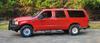



Fleet Mechanic

Joined: Jun 2015
Posts: 1,635
Likes: 564


Thread
Thread Starter
Forum
Replies
Last Post
RigCity
1999 - 2003 7.3L Power Stroke Diesel
4
Nov 8, 2021 07:16 PM
bandlgeorge
1999 - 2003 7.3L Power Stroke Diesel
31
May 11, 2020 04:09 PM
Km1210
1999 - 2003 7.3L Power Stroke Diesel
41
Feb 5, 2013 12:19 PM
Caleb Vollen
1994.5 - 1997 7.3L Power Stroke Diesel
30
May 27, 2011 12:18 AM





