








How to prevent catastrophic fuel system problems

Thread Starter
|
3rd Gear
Joined: Feb 2022
Posts: 3
Likes: 0
From: Bloomington In
How to prevent catastrophic fuel system problems
Confident this has been discussed on here probably many times but i just purchased a 2022 F350 6.7 And would like information on the fuel system problems that seem to be a serious issue on some vehicles. has this been resolved? Or is it still an on going problem? Is there something i can do to prevent this. Apparently the complete fuel system has to be replaced when it happens.
FTE Legend

Joined: Mar 2017
Posts: 31,891
Likes: 9,176
From: Western NY

Just did your heavy lifting; read through these
Confident this has been discussed on here probably many times but i just purchased a 2022 F350 6.7 And would like information on the fuel system problems that seem to be a serious issue on some vehicles. has this been resolved? Or is it still an on going problem? Is there something i can do to prevent this. Apparently the complete fuel system has to be replaced when it happens.
Yes, this subject has been discussed... A LOT.
Here ya go... have fun.
https://www.ford-trucks.com/forums/1...fuel-pump.html
https://www.ford-trucks.com/forums/1...all-video.html
https://www.ford-trucks.com/forums/1...sign-flaw.html
An additive thread:
https://www.ford-trucks.com/forums/1...o-you-use.html
https://www.ford-trucks.com/forums/1...s-s-and-s.html
There's your homework. Any questions, post up.

Tuned
Joined: Jul 2003
Posts: 274
Likes: 20
The answer is as simple or as complex as you'd like it to be.
The simple answer is to buy fresh fuel from stations with high turnover. Drain your water-separator monthly. Change your fuel filter on schedule. Make sure not to accidently introduce gasoline, DEF, water, or any other contaminant into the fuel system. This is the most common cause of serious fuel system damage. Most owners do nothing more than this (and many do less with regard to water separator and filters) and never experience any issues with their fuel systems.
The next step is to use a fuel lubricity additive. There are dozens, and a lot of discussion about which is best. I use Ford's PM-22 in every tankful. Some folks think that any additive is a waste of money, others like the peace of mind.
The most complex answer is to install "disaster prevention kits", entrained air removal kits, etc. There are a few advocates of this approach on this board, but these folks are in the tiniest minority of Ford 6.7L owners. I'm sure that they will be along soon to make the case for these add-ons.
Enjoy your new truck.
The simple answer is to buy fresh fuel from stations with high turnover. Drain your water-separator monthly. Change your fuel filter on schedule. Make sure not to accidently introduce gasoline, DEF, water, or any other contaminant into the fuel system. This is the most common cause of serious fuel system damage. Most owners do nothing more than this (and many do less with regard to water separator and filters) and never experience any issues with their fuel systems.
The next step is to use a fuel lubricity additive. There are dozens, and a lot of discussion about which is best. I use Ford's PM-22 in every tankful. Some folks think that any additive is a waste of money, others like the peace of mind.
The most complex answer is to install "disaster prevention kits", entrained air removal kits, etc. There are a few advocates of this approach on this board, but these folks are in the tiniest minority of Ford 6.7L owners. I'm sure that they will be along soon to make the case for these add-ons.
Enjoy your new truck.

Hotshot


Joined: Jul 2013
Posts: 14,266
Likes: 2,188
the problem has not been resolved.
preventive measures include adding additives to add lube value...emulsify (or deemulsiy) water, anti gel (seasonal), etc.
mitigation factors include disaster prevention kits which spit the injector and roller bearing fuel paths.
gaps in the strategy exist in such cases where some stations have been known to pump gasoline instead of diesel which will destroy the pump. there are no detection systems for this. all you can do is a roads side flashpoint test on a sample of the fuel.
it is interesting how a lot of folks claim this is not a problem while at the same time there are folks posting their horror stories on the forum related to this.
preventive measures include adding additives to add lube value...emulsify (or deemulsiy) water, anti gel (seasonal), etc.
mitigation factors include disaster prevention kits which spit the injector and roller bearing fuel paths.
gaps in the strategy exist in such cases where some stations have been known to pump gasoline instead of diesel which will destroy the pump. there are no detection systems for this. all you can do is a roads side flashpoint test on a sample of the fuel.
it is interesting how a lot of folks claim this is not a problem while at the same time there are folks posting their horror stories on the forum related to this.

Junior User
Joined: Sep 2021
Posts: 71
Likes: 21
Fuel additives:
https://www.jatonkam35s.com/DeuceTec...itive_test.pdf
Failure rate:
https://www.hotshotsecret.com/lx4-pump-saver/
1% European Failure rate vs 7% USA because:
"The European EN-590 diesel fuel has a wear scar diameter 460-micron specification while in the U.S. the base is 520-micron in ASTM US D-975."
Take away is if you don't live in a state with Biodiesel requirements or availability, get anything 10 and up as that will reduce your scar diameter to 460-micron thus reducing the failure rate to 1%.
Beyond that, as others have said; pick high-quality fuel stations with a lot of traffic, drain the water separator regularly, and if you want get a disaster prevention kit.
Also, monitoring fuel rail pressure might help you catch a failing HPFP. Sometimes the truck will give you a low rail pressure code and if you act fast you will only need to replace the pump. On my previous engine, I got a low rail pressure code, replaced it after consulting a Ford tech buddy, and had no issues.
https://www.jatonkam35s.com/DeuceTec...itive_test.pdf
Failure rate:
https://www.hotshotsecret.com/lx4-pump-saver/
1% European Failure rate vs 7% USA because:
"The European EN-590 diesel fuel has a wear scar diameter 460-micron specification while in the U.S. the base is 520-micron in ASTM US D-975."
Take away is if you don't live in a state with Biodiesel requirements or availability, get anything 10 and up as that will reduce your scar diameter to 460-micron thus reducing the failure rate to 1%.
Beyond that, as others have said; pick high-quality fuel stations with a lot of traffic, drain the water separator regularly, and if you want get a disaster prevention kit.
Also, monitoring fuel rail pressure might help you catch a failing HPFP. Sometimes the truck will give you a low rail pressure code and if you act fast you will only need to replace the pump. On my previous engine, I got a low rail pressure code, replaced it after consulting a Ford tech buddy, and had no issues.
Trending Topics
Hotshot
Joined: Jul 2013
Posts: 14,266
Likes: 2,188
FTE Stories
Ford Trucks for Ford Truck Enthusiasts

10 Things Every Truck Owner NEEDS (2026 Edition)
Michael S. Palmer
Rezvani's Latest Post-Apocalyptic Monster Is a Ford F-150 Raptor Underneath
Verdad Gallardo
Top 10 Most Expensive Ford Trucks Ever Sold on Bring a Trailer
Joe Kucinski
2027 Ford Super Duty Buyer's Guide (Every Model, Engine, & Package)
Brett Foote
Top 10 Ford Truck Tragedies
Joe Kucinski
AEV FXL Super Duty - the Super Duty Raptor Ford Doesn't Make
Brett Foote
Lobo Vs Lobo: Proof the F-150 Lobo Should Be Even Lower!
Michael S. Palmer
Ford's 2001 Explorer Sportsman Concept Looks For a New Home
Verdad Gallardo
10 Best Ford Truck Engines We Miss the Most!
Joe Kucinski
FTE Legend
Joined: Mar 2017
Posts: 31,891
Likes: 9,176
From: Western NY
The answer is as simple or as complex as you'd like it to be.
The simple answer is to buy fresh fuel from stations with high turnover. Drain your water-separator monthly. Change your fuel filter on schedule. Make sure not to accidently introduce gasoline, DEF, water, or any other contaminant into the fuel system. This is the most common cause of serious fuel system damage. Most owners do nothing more than this (and many do less with regard to water separator and filters) and never experience any issues with their fuel systems.
The next step is to use a fuel lubricity additive. There are dozens, and a lot of discussion about which is best. I use Ford's PM-22 in every tankful. Some folks think that any additive is a waste of money, others like the peace of mind.
The most complex answer is to install "disaster prevention kits", entrained air removal kits, etc. There are a few advocates of this approach on this board, but these folks are in the tiniest minority of Ford 6.7L owners. I'm sure that they will be along soon to make the case for these add-ons.
Enjoy your new truck.
The simple answer is to buy fresh fuel from stations with high turnover. Drain your water-separator monthly. Change your fuel filter on schedule. Make sure not to accidently introduce gasoline, DEF, water, or any other contaminant into the fuel system. This is the most common cause of serious fuel system damage. Most owners do nothing more than this (and many do less with regard to water separator and filters) and never experience any issues with their fuel systems.
The next step is to use a fuel lubricity additive. There are dozens, and a lot of discussion about which is best. I use Ford's PM-22 in every tankful. Some folks think that any additive is a waste of money, others like the peace of mind.
The most complex answer is to install "disaster prevention kits", entrained air removal kits, etc. There are a few advocates of this approach on this board, but these folks are in the tiniest minority of Ford 6.7L owners. I'm sure that they will be along soon to make the case for these add-ons.
Enjoy your new truck.

Posting Guru
Joined: Feb 2018
Posts: 1,555
Likes: 516
How many out of the hundreds of thousands of diesel Super Duties is that? How many out of all the millions of CP4 pumps out there across the brands is that? Again, it's an Internet problem. Diesels aren't for everybody. Some folks are just too neurotic to maintain their perspicacity.
Cargo Master


Joined: May 2018
Posts: 2,442
Likes: 993
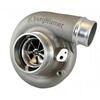
The S&S Gen2 DPK is a very nice kit and is only $400. $400 is pretty cheap insurance for a fuel system that can cost close to $10000 to replace. The DPK also cuts downtime drastically if the HPFP does go out and needs replacing.
Tuned
Joined: Jul 2003
Posts: 274
Likes: 20
Failure rate:
https://www.hotshotsecret.com/lx4-pump-saver/
1% European Failure rate vs 7% USA because:
"The European EN-590 diesel fuel has a wear scar diameter 460-micron specification while in the U.S. the base is 520-micron in ASTM US D-975."
https://www.hotshotsecret.com/lx4-pump-saver/
1% European Failure rate vs 7% USA because:
"The European EN-590 diesel fuel has a wear scar diameter 460-micron specification while in the U.S. the base is 520-micron in ASTM US D-975."
Maybe don't take as gospel the marketing literature of a firm trying to sell you their particular fuel additive.




Hotshot
Joined: Jul 2013
Posts: 14,266
Likes: 2,188
great move
i put mine in 6 months ago