





E-Series Air Flow Vacuum Controls

5th Wheeling

Joined: Apr 2011
Posts: 46
Likes: 3
GREAT INFORMATION, PHOTOS AND DIAGRAMS
Thank you JWA. This post was very well presented with all the info needed to accomplish the reservoir replacement. Your photos and diagrams made it easy to understand vacuum function and what needed to be done. Thanks again, billybob

Thread Starter
|
Fleet Owner


Joined: Aug 2010
Posts: 21,253
Likes: 1,656
From: Reynoldsburg, Ohio
Tuned
Joined: Aug 2013
Posts: 414
Likes: 1
Thanks for this thread! (And many others on the subject as well).
Thread Starter
|
Fleet Owner
Joined: Aug 2010
Posts: 21,253
Likes: 1,656
From: Reynoldsburg, Ohio
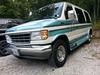
I'll echo the thoughts of others- excellent thread. It's taken me a lot of time to begin to understand the operation of my system. It is not a factory setup (installed by the conversion company based on everything I've learned), so I've had to figure out the rear HVAC on my own. For instance, no floor vents in the rear, only ceiling. So heat and A/C come out the same vents. I've figured out the heat, but still trying to get the rear AC working.
Thanks for this thread! (And many others on the subject as well).
Thanks for this thread! (And many others on the subject as well).
Tuned
Joined: Aug 2013
Posts: 414
Likes: 1
Yes it is. Regardless of switch position (AC regular or recirc), there's only ambient rear air from the vents when the AC is on.
I can get heat to the rear vents if the selector is set to def or def/floor (took a while to figure that out; thought for years there was a problem with the rear heat as well, but learned that it is apparently designed this way).
I can get heat to the rear vents if the selector is set to def or def/floor (took a while to figure that out; thought for years there was a problem with the rear heat as well, but learned that it is apparently designed this way).
FTE Stories
Ford Trucks for Ford Truck Enthusiasts

Rezvani's Latest Post-Apocalytic Monster Is a Ford F-150 Raptor Underneath
Verdad Gallardo
Top 10 Most Expensive Ford Trucks Ever Sold on Bring a Trailer
Joe Kucinski
2027 Ford Super Duty Buyer's Guide (Every Model, Engine, & Package)
Brett Foote
Top 10 Ford Truck Tragedies
Joe Kucinski
AEV FXL Super Duty - the Super Duty Raptor Ford Doesn't Make
Brett Foote
Lobo Vs Lobo: Proof the F-150 Lobo Should Be Even Lower!
Michael S. Palmer
Ford's 2001 Explorer Sportsman Concept Looks For a New Home
Verdad Gallardo
10 Best Ford Truck Engines We Miss the Most!
Joe Kucinski
2026 Shelby F-150 Off-Road: Better Than a Raptor R?
Brett Foote
Thread Starter
|
Fleet Owner
Joined: Aug 2010
Posts: 21,253
Likes: 1,656
From: Reynoldsburg, Ohio
Yes it is. Regardless of switch position (AC regular or recirc), there's only ambient rear air from the vents when the AC is on.
I can get heat to the rear vents if the selector is set to def or def/floor (took a while to figure that out; thought for years there was a problem with the rear heat as well, but learned that it is apparently designed this way).
I can get heat to the rear vents if the selector is set to def or def/floor (took a while to figure that out; thought for years there was a problem with the rear heat as well, but learned that it is apparently designed this way).
Has your A/C system been recently checked or serviced?
Tuned
Joined: Aug 2013
Posts: 414
Likes: 1
That's why I have made such meager progress over the years. I don't even know if A/C was supposed to be available, since I can't find a single sentence about what system I may have or how it is designed to work. Heck, I don't even know who I could take it to who would know how to figure it all out. 27 years is a 'very long time ago' in the unknown aftermarket system installation world. Thanks again for the reply.
Tuned
Joined: Aug 2013
Posts: 414
Likes: 1
I have had the panels off and have seen the rear handler. It's not anything like pictures I have seen here or elsewhere, though it is in the same place (behind the driver rear wheel). It's not open to access at the moment but wouldn't be hard to do if you have a specific question. There's a blue vacuum hose that is not connected to anything, nor does it seem to have any place to connect to. It runs inside along the driver's side up to the hidey-hole on top of the dash, where it also sits unconnected, with no apparent place to attach it. At this point, I think that's just a factory installed hose that would have been used if the factory system was installed, but?

Cargo Master


Joined: Sep 2012
Posts: 2,112
Likes: 286
From: Eastern TN
Question 2: How does the control panel tell the rear air handler to blow hot or not hot air? In the factory setup, selecting the left half of the vent dial (model years with a rotary vent dial) channels vacuum, so to speak, to a flap that directs air through the evaporator to the ceiling vents. Selecting the right half cuts vacuum and air goes through the heater core to the floor vents. Your conversion system is different if it can send hot air to ceiling vents. If the blue line isn’t connected, how is a heater bypass effected?
When you switch from defrost to dash vents, does rear cabin air run cool immediately or does it takes a while? I’m thinking there isn’t a rear diverter but rather a valve that shuts coolant flow to the rear heater core, somehow running off the factory control panel. It would take time for the heater core to cool vs a diverter.
This follow-on should probably move off JWA’s original thread.
Sixto
07 E350 5.4 197K miles
When you switch from defrost to dash vents, does rear cabin air run cool immediately or does it takes a while? I’m thinking there isn’t a rear diverter but rather a valve that shuts coolant flow to the rear heater core, somehow running off the factory control panel. It would take time for the heater core to cool vs a diverter.
This follow-on should probably move off JWA’s original thread.
Sixto
07 E350 5.4 197K miles
Tuned
Joined: Aug 2013
Posts: 414
Likes: 1
Question 2: How does the control panel tell the rear air handler to blow hot or not hot air? In the factory setup, selecting the left half of the vent dial (model years with a rotary vent dial) channels vacuum, so to speak, to a flap that directs air through the evaporator to the ceiling vents. Selecting the right half cuts vacuum and air goes through the heater core to the floor vents. Your conversion system is different if it can send hot air to ceiling vents. If the blue line isn’t connected, how is a heater bypass effected?
When you switch from defrost to dash vents, does rear cabin air run cool immediately or does it takes a while? I’m thinking there isn’t a rear diverter but rather a valve that shuts coolant flow to the rear heater core, somehow running off the factory control panel. It would take time for the heater core to cool vs a diverter.
This follow-on should probably move off JWA’s original thread.
Sixto
07 E350 5.4 197K miles
When you switch from defrost to dash vents, does rear cabin air run cool immediately or does it takes a while? I’m thinking there isn’t a rear diverter but rather a valve that shuts coolant flow to the rear heater core, somehow running off the factory control panel. It would take time for the heater core to cool vs a diverter.
This follow-on should probably move off JWA’s original thread.
Sixto
07 E350 5.4 197K miles
There are no floor vents other than the fronts. All air to the rear is through the ceiling vents. Rear heat begins when I switch to def/floor or def on the selector. The rear goes back to ambient temp air as soon as I move the selector to the left for any other position (slide switch style panel). A/C never blows out the rear vents in any position.

Lead Driver

Joined: May 2004
Posts: 5,018
Likes: 132
From: Maryville
Question 2: How does the control panel tell the rear air handler to blow hot or not hot air? In the factory setup, selecting the left half of the vent dial (model years with a rotary vent dial) channels vacuum, so to speak, to a flap that directs air through the evaporator to the ceiling vents. Selecting the right half cuts vacuum and air goes through the heater core to the floor vents. Your conversion system is different if it can send hot air to ceiling vents. If the blue line isn’t connected, how is a heater bypass effected?
When you switch from defrost to dash vents, does rear cabin air run cool immediately or does it takes a while? I’m thinking there isn’t a rear diverter but rather a valve that shuts coolant flow to the rear heater core, somehow running off the factory control panel. It would take time for the heater core to cool vs a diverter.
This follow-on should probably move off JWA’s original thread.
Sixto
07 E350 5.4 197K miles
When you switch from defrost to dash vents, does rear cabin air run cool immediately or does it takes a while? I’m thinking there isn’t a rear diverter but rather a valve that shuts coolant flow to the rear heater core, somehow running off the factory control panel. It would take time for the heater core to cool vs a diverter.
This follow-on should probably move off JWA’s original thread.
Sixto
07 E350 5.4 197K miles