


Code 41 - SOLVED!

Thread Starter
|
Freshman User
Joined: Jan 2018
Posts: 34
Likes: 1
Code 41 - SOLVED!
Some of you that are on FSB will have seen my troubles with my old Bronco. I'm running out of things to try, hopefully someone here can help point me in the right direction.
I've been fighting it for *years* across three different engines and I'm finally getting serious about fixing it. I've worked very hard on this Bronco and this is the big thing holding me back from enjoying it.

KOEOs
11
10
We're good.
KOER
41 - Lean at all times
Symptoms are:
Lack of power
Near-overheating on literally any freeway hill
Stalling on a hard stop sometimes and often on a hot start
Idle at 2400 ONLY on a cold start and after twenty seconds it goes down to ~750-1100 (It didn't use to do this until I got the first engine replaced and has ever since.)
SEVERE power loss sometimes as it gets hot on long steep freeway hills.
I had a shop look at it last year and they claimed it was the air injection getting read by the O2 sensor and fooling it into thinking it was lean. BS. I've run most of these tests with the AIR tube clamped off and the pump disconnected just to be sure. Their fix didn't fix it.
EDIT: SOLVED!
Quick summary of what I've ruled out (testing results further down):
Vacuum leaks
EGR
TAD/TAB
Fuel pressure
MAP sensor
Exhaust leaks
PCV, misfires
Clogged cat
Spark plug condition
O2 sensor harness/ground
O2 sensor itself
Distributor/TFI
Plug Wires
Timing
Cap/Rotor
TPS
ECT
ECU is visually good (could still swap with rebuilt I suppose)
I need all the help I can get. The two shops I've tried have either turned me away or offered some BS solution after months of waiting. At this point I'm thinking of trying to find some specialty shop that will do real troubleshooting.
Next Steps:
-Convert unheated o2 sensor to heated
-Maybe knock sensor is on the fritz and retarding timing? knock sensor - Ford Bronco Forum
Here's my indepth troubleshooting and results.
-Test fuel pressure at idle
OK, ~35
-Test fuel pressure at 2500rpms for one minute
OK, steady at ~35
-Test fuel pressure leakdown for one minute
OK, small loss but less than 5psi
-Try leaving PCV open to atmosphere, plugged vacuum (shot in the dark, can't hurt)
Done
-Check for exhaust leaks upstream
Done, doesn't look like it. There was an exhaust leak downstream and it was really obvious from the soot. Nothing like that upstream.
-Test for misfire by pulling plug wires one at a time. Doesn't get worse? That cylinder is the problem.
Did this, then put in D with foot on the brake and revved a little. Every wire pulled made things worse. (so no clear misfire)
-Disconnect output of AIR pump and retest KOER.
Done, still code 41 in KOER.
-Check for clogged cat
Done, cat is sooty but not clogged, can see through easily.
-Check spark plug condition
Done, they look great, I mean brand new perfect. No oil on threads or anything, unlike the last block.
-Check for vacuum leaks using pump/gauge on each line at manifold
Done, all hold vacuum (except solenoid bank, assume that's how they are supposed to be)
-Check for vacuum leaks with brake cleaner
No notable changes in engine speed
-Check for vacuum leaks with DIY smoke test (cap off TB intake, blow smoke into vac line on tree)
Done, EGR pintle leaking slightly. Replaced with old EGR that tested OK. Leak is gone from EGR vents, but still near the EGR/TB. Smoke + soapy water revealed leak at TB shaft. New BBK TB will be here Saturday.
-Check idle vacuum level at manifold (reconnect PVC just in case that affects things)
19in. hg., steady but fast flutter .5 in. hg. in each direction. Video taken 7/27
-Check O2 wire resistance
Done, less than 1 ohm resistance, wire to pin
-Swap O2 sensor with spare, reset computer, and rerun test
Skip this - both new sensors (Bosch and Denso) test the same (good)
-Maybe, just maybe, the O2 sensor wasn't quite hot enough during KOER. It's a single wire, so it's not heated. Could affect the voltage out on the sensor.
Second KOER test was plenty hot, no change.
-Check MAP (Quick MAP sensor - Ford Bronco Forum)
Done, VREF to SIGRTN is 4.97v. Frequency across SIG to SIGRTN: KOEO, 158Hz. Idle, 18 In. Hg. 108Hz.
-Maybe thermactor system is pushing so much o2 that the o2 sensor is getting too much? It injects after the sensor, but perhaps it's still feeding back a bit, especially on decel? Plug it and see. Actually- while reading O2 voltage, disable this system and see if it changes.
-Also double check the thermactor system solenoids for vacuum and correct operation.
Testing: Can of worms! Emissions crap. - Page 6 - Ford Bronco Forum
Orientation: Thermactor Air Bypass Valve Orientation? - Ford Bronco Forum
Diagrams: 1983 Ford Bronco Diagrams picture SuperMotors.net
Possibly correct tubes: https://www.pciinc.com/shop-pci/109-...STUB-p52793942
Check valve to exhaust passes blow test 100%
Diverter valve passes test 100%, Without vac diverts air supply to exhaust. With vac diverts air to crossover. Holds 19inhg without leaks. No blowby on closed valve.
Muffler/valve tests OK. Without vac diverts air to atmosphere. With vac passes air to thermactor system. Holds 19inhg without leaks.
Crossover tubes are caked, but flow plenty of air.
Check valve from crossover to diverter passes blow test 100%.
Check vacuum routing of TAD/TAB: TAB was correct. TAD was routed to manifold, VRES was routed diverter valve. Fixed.
EGR Solenoid leaks vac at 1inhg per 20 seconds. Operates perfectly. MAY NEED REPLACEMENT
TAD holds vacuum no leaks. Operates perfectly.
TAB holds vacuum no leaks. Operates perfectly.
-New dizzy and wires. Not so much troubleshooting as it is preventive. 7/8 and 2/4 routed apart from each other. New dizzy is Spectra FD04 (cast iron gear). Swapped my new working TFI onto the dizzy and kept the one that came with the dizzy as a backup.
Timing set to 10* BTDC.
-Exhaust leak at Y pipe? (Check for leaks with soapy water and a vacum like a shop vac that blows air. Stick the hose up the exhaust and soap things up and look for bubbles!)
Huge exhaust leak on P side, small on D side. Loosened, cleaned, copper RTV'd, tightened again. Drove and retightened. Reset computer. Seems better, not great. Decent power on freeway on test drive to El Cajon. Need to pull codes again.
Update:No leaks anymore. Tested with shopvac all the way to headers, confident no leaks.
OK
-First - switch purge hookup to a Y off the smaller lines as described in vac routing diagram.
Fixed. No change.
-Check O2 sensor while KOER. Disconnect from EEC, hook up DVOM and watch it from cold to hot. Also simulate rich (.8v+) by feeding propane into the intake and also lean (.3v-) by opening up a vac line.
Also spray propane near egr solenoid to see if it reacts. Also disable air injection and see it it changes.
Checked according to HE11 in ford manual. 1+ minute at 2000rpm should bring voltage above .5v when grounded to batt. Failed, no voltage. Swapped with new o2 again, old one was sooty. reran test, resulted in very small increase in voltage, perhaps reading .1v at the highest. Fail again. Manual suggests an air issue, vac leak or other. Rechecked all vacuum. Slow leaks at solenoids. Slightly faster leak at egr when over ~6in hg. Replaced worn TB cap.
Update: Smoked checked vacuum. Leak at EGR, significant. Replaced EGR with one that holds vacuum (7 in hg for one minute just fine).
Smoke also coming through TB bushings. Seems to be an allowable amount, I suppose. (brand new BBK TB. Old Ford one also had about the same amount of smoke and research suggests this is OK)
NO smoke from solenoid area or upper intake.
Reran test of O2 voltage. No improvement.
Saw sigepblue's steps on this for different model. Disconnected MAP from vac tree and applied 12 in hg to it. Ran engine at 2000 rpm for two minutes. ACT still disconnected. O2 read .5v within about two minutes, maybe a little more. Tells me circuit is OK. reconnecting the MAP and immediately rerunning test and the voltage drops steadily to less than .3v.
-Bypass canp, perhaps allowing too much air in. rerun o2 voltage test.
Didn't end up testing, but the CANP has very little vacuum on it, around 11 in hg. Clamping it at idle had almost no effect so didn't bother testing further.
-Compression test.
PASS
Dry, 5 compression strokes.
All cylinders 165-175.
-Clamped brake booster vacuum line and PCV line. Reran O2 voltage test. FAIL, still <.1v at 1 minute.
-EGR solenoid slow leak - possible cause? If issue persists take this out of the vacuum setup. valve also leaked slowly. (Update, valve has been replaced)
Test this by hooking gauge up to solenoid EGR side. If vac exists (probably very little) then EGR may be opening slightly when it shouldn't.
Hooked up vacuum gauge to output of EGR solenoid. NO vacuum at idle (that's good). Correct vacuum at partial (around 1100rpm). PASS
Reran O2 sensor test with vacuum to EGR plugged. FAIL - .11v in 1 minute.
-Thoroughly test IAC (thread here Interesting IAC issue, need help! - Ford Bronco Forum)
Instead of IAC spacer, use TB bypass screws, then recheck idle. Backing idle screw off requires restart of truck IAC Air-BY-PASS Spacer Plate Idleing saga !!! - Ford Bronco Forum
IAC Spacer Kit yields high idle at 1200RPM - Ford Bronco Forum
OK? Pulled IAC while idling, truck died. Ran O2 sensor voltage test with IAC unplugged, FAIL. .03v in 1 minute.
-Double check TAD/TAB operation - specifically, make sure they're being controlled by the computer correctly.
All solenoids trigger correctly when 12v is applied.
Plugged TAD vacuum output, reran O2 voltage test. FAIL - .1v in 1 minute.
Plugged TAB vacuum output, reran O2 voltage test. FAIL - .03v in 1 minute.
Using a gauge to see when each solenoid opens closes - both open on startup and stay open for around fifteen seconds, then close. Neither one opens again at idle, at partial throttle, or when goosing the throttle - odd? I thought at least the diverter should open when decelerating the engine???
Pulled entire vacuum reservoir/solenoid system out of the vacuum setup to make sure it wasn't that. Reran test, still FAIL. <.1v at 1 minute.
-Check injectors. Unplug one at a time with engine running. Should be a momentary drop in RPM (IAC will attempt to correct it).
Haven't tried this yet. Not even sure how I'm supposed to pull the ones under the manifold. All plugs are equally rich, though, so not sure if an injector is the issue.
-Shot in the dark, disconnect air injection from cat.
No change at all over several hours of driving. Cat disconnected from tube completely, then capped off.
-Check TPS
MAYBE OK, VREF 5.08v, SIG to SIGRTN 1.06v closed to 3.3v open, Disconnected resistance 2.9k ohm closed to 1.3k ohm open
Set idle for a second time after fixing thermactor system. Base idle at 700ish, TPS reads .93v.
-Disconnect MAP (Shot in the dark)
Tripped a code 22 and ran extremely poor.
-Run vacuum test in depth, take video. http://www.austincc.edu/wkibbe/vacuumtesting.pdf
Some flutter, about .5v very very quickly and steady.
Video:
-Check ECT
PASSed perfect. 43k ohms unplugged and cold.
Heated up in truck: 130/1.6v, 150/1.1v, 170/.88v, 195/.6v steady. PASS according to Fuel Injection Technical Library » Engine Coolant Temperature Sensor (ECT)
-Double check TPS, not sure if set correctly since TB was replaced.
PASS. VREF 4.98v, .93v closed, 4.03v open, smooth increase in voltage from idle to WOT.
-Check ECU internally, if no issues swap with rebuild just in case.
Visually looks great, no corrosion, leaking or bulging caps. Possible swap with rebuilt anyways?
Honestly at this point if someone has the key insight you can expect a BIG box of beer via paypal
I've been fighting it for *years* across three different engines and I'm finally getting serious about fixing it. I've worked very hard on this Bronco and this is the big thing holding me back from enjoying it.
KOEOs
11
10
We're good.
KOER
41 - Lean at all times
Symptoms are:
Lack of power
Near-overheating on literally any freeway hill
Stalling on a hard stop sometimes and often on a hot start
Idle at 2400 ONLY on a cold start and after twenty seconds it goes down to ~750-1100 (It didn't use to do this until I got the first engine replaced and has ever since.)
SEVERE power loss sometimes as it gets hot on long steep freeway hills.
I had a shop look at it last year and they claimed it was the air injection getting read by the O2 sensor and fooling it into thinking it was lean. BS. I've run most of these tests with the AIR tube clamped off and the pump disconnected just to be sure. Their fix didn't fix it.
EDIT: SOLVED!
Quick summary of what I've ruled out (testing results further down):
Vacuum leaks
EGR
TAD/TAB
Fuel pressure
MAP sensor
Exhaust leaks
PCV, misfires
Clogged cat
Spark plug condition
O2 sensor harness/ground
O2 sensor itself
Distributor/TFI
Plug Wires
Timing
Cap/Rotor
TPS
ECT
ECU is visually good (could still swap with rebuilt I suppose)
I need all the help I can get. The two shops I've tried have either turned me away or offered some BS solution after months of waiting. At this point I'm thinking of trying to find some specialty shop that will do real troubleshooting.
Next Steps:
-Convert unheated o2 sensor to heated
-Maybe knock sensor is on the fritz and retarding timing? knock sensor - Ford Bronco Forum
Here's my indepth troubleshooting and results.
-Test fuel pressure at idle
OK, ~35
-Test fuel pressure at 2500rpms for one minute
OK, steady at ~35
-Test fuel pressure leakdown for one minute
OK, small loss but less than 5psi
-Try leaving PCV open to atmosphere, plugged vacuum (shot in the dark, can't hurt)
Done
-Check for exhaust leaks upstream
Done, doesn't look like it. There was an exhaust leak downstream and it was really obvious from the soot. Nothing like that upstream.
-Test for misfire by pulling plug wires one at a time. Doesn't get worse? That cylinder is the problem.
Did this, then put in D with foot on the brake and revved a little. Every wire pulled made things worse. (so no clear misfire)
-Disconnect output of AIR pump and retest KOER.
Done, still code 41 in KOER.
-Check for clogged cat
Done, cat is sooty but not clogged, can see through easily.
-Check spark plug condition
Done, they look great, I mean brand new perfect. No oil on threads or anything, unlike the last block.
-Check for vacuum leaks using pump/gauge on each line at manifold
Done, all hold vacuum (except solenoid bank, assume that's how they are supposed to be)
-Check for vacuum leaks with brake cleaner
No notable changes in engine speed
-Check for vacuum leaks with DIY smoke test (cap off TB intake, blow smoke into vac line on tree)
Done, EGR pintle leaking slightly. Replaced with old EGR that tested OK. Leak is gone from EGR vents, but still near the EGR/TB. Smoke + soapy water revealed leak at TB shaft. New BBK TB will be here Saturday.
-Check idle vacuum level at manifold (reconnect PVC just in case that affects things)
19in. hg., steady but fast flutter .5 in. hg. in each direction. Video taken 7/27
-Check O2 wire resistance
Done, less than 1 ohm resistance, wire to pin
-Swap O2 sensor with spare, reset computer, and rerun test
Skip this - both new sensors (Bosch and Denso) test the same (good)
-Maybe, just maybe, the O2 sensor wasn't quite hot enough during KOER. It's a single wire, so it's not heated. Could affect the voltage out on the sensor.
Second KOER test was plenty hot, no change.
-Check MAP (Quick MAP sensor - Ford Bronco Forum)
Done, VREF to SIGRTN is 4.97v. Frequency across SIG to SIGRTN: KOEO, 158Hz. Idle, 18 In. Hg. 108Hz.
-Maybe thermactor system is pushing so much o2 that the o2 sensor is getting too much? It injects after the sensor, but perhaps it's still feeding back a bit, especially on decel? Plug it and see. Actually- while reading O2 voltage, disable this system and see if it changes.
-Also double check the thermactor system solenoids for vacuum and correct operation.
Testing: Can of worms! Emissions crap. - Page 6 - Ford Bronco Forum
Orientation: Thermactor Air Bypass Valve Orientation? - Ford Bronco Forum
Diagrams: 1983 Ford Bronco Diagrams picture SuperMotors.net
Possibly correct tubes: https://www.pciinc.com/shop-pci/109-...STUB-p52793942
Check valve to exhaust passes blow test 100%
Diverter valve passes test 100%, Without vac diverts air supply to exhaust. With vac diverts air to crossover. Holds 19inhg without leaks. No blowby on closed valve.
Muffler/valve tests OK. Without vac diverts air to atmosphere. With vac passes air to thermactor system. Holds 19inhg without leaks.
Crossover tubes are caked, but flow plenty of air.
Check valve from crossover to diverter passes blow test 100%.
Check vacuum routing of TAD/TAB: TAB was correct. TAD was routed to manifold, VRES was routed diverter valve. Fixed.
EGR Solenoid leaks vac at 1inhg per 20 seconds. Operates perfectly. MAY NEED REPLACEMENT
TAD holds vacuum no leaks. Operates perfectly.
TAB holds vacuum no leaks. Operates perfectly.
-New dizzy and wires. Not so much troubleshooting as it is preventive. 7/8 and 2/4 routed apart from each other. New dizzy is Spectra FD04 (cast iron gear). Swapped my new working TFI onto the dizzy and kept the one that came with the dizzy as a backup.
Timing set to 10* BTDC.
-Exhaust leak at Y pipe? (Check for leaks with soapy water and a vacum like a shop vac that blows air. Stick the hose up the exhaust and soap things up and look for bubbles!)
Huge exhaust leak on P side, small on D side. Loosened, cleaned, copper RTV'd, tightened again. Drove and retightened. Reset computer. Seems better, not great. Decent power on freeway on test drive to El Cajon. Need to pull codes again.
Update:No leaks anymore. Tested with shopvac all the way to headers, confident no leaks.
OK
-First - switch purge hookup to a Y off the smaller lines as described in vac routing diagram.
Fixed. No change.
-Check O2 sensor while KOER. Disconnect from EEC, hook up DVOM and watch it from cold to hot. Also simulate rich (.8v+) by feeding propane into the intake and also lean (.3v-) by opening up a vac line.
Also spray propane near egr solenoid to see if it reacts. Also disable air injection and see it it changes.
Checked according to HE11 in ford manual. 1+ minute at 2000rpm should bring voltage above .5v when grounded to batt. Failed, no voltage. Swapped with new o2 again, old one was sooty. reran test, resulted in very small increase in voltage, perhaps reading .1v at the highest. Fail again. Manual suggests an air issue, vac leak or other. Rechecked all vacuum. Slow leaks at solenoids. Slightly faster leak at egr when over ~6in hg. Replaced worn TB cap.
Update: Smoked checked vacuum. Leak at EGR, significant. Replaced EGR with one that holds vacuum (7 in hg for one minute just fine).
Smoke also coming through TB bushings. Seems to be an allowable amount, I suppose. (brand new BBK TB. Old Ford one also had about the same amount of smoke and research suggests this is OK)
NO smoke from solenoid area or upper intake.
Reran test of O2 voltage. No improvement.
Saw sigepblue's steps on this for different model. Disconnected MAP from vac tree and applied 12 in hg to it. Ran engine at 2000 rpm for two minutes. ACT still disconnected. O2 read .5v within about two minutes, maybe a little more. Tells me circuit is OK. reconnecting the MAP and immediately rerunning test and the voltage drops steadily to less than .3v.
-Bypass canp, perhaps allowing too much air in. rerun o2 voltage test.
Didn't end up testing, but the CANP has very little vacuum on it, around 11 in hg. Clamping it at idle had almost no effect so didn't bother testing further.
-Compression test.
PASS
Dry, 5 compression strokes.
All cylinders 165-175.
-Clamped brake booster vacuum line and PCV line. Reran O2 voltage test. FAIL, still <.1v at 1 minute.
-EGR solenoid slow leak - possible cause? If issue persists take this out of the vacuum setup. valve also leaked slowly. (Update, valve has been replaced)
Test this by hooking gauge up to solenoid EGR side. If vac exists (probably very little) then EGR may be opening slightly when it shouldn't.
Hooked up vacuum gauge to output of EGR solenoid. NO vacuum at idle (that's good). Correct vacuum at partial (around 1100rpm). PASS
Reran O2 sensor test with vacuum to EGR plugged. FAIL - .11v in 1 minute.
-Thoroughly test IAC (thread here Interesting IAC issue, need help! - Ford Bronco Forum)
Instead of IAC spacer, use TB bypass screws, then recheck idle. Backing idle screw off requires restart of truck IAC Air-BY-PASS Spacer Plate Idleing saga !!! - Ford Bronco Forum
IAC Spacer Kit yields high idle at 1200RPM - Ford Bronco Forum
OK? Pulled IAC while idling, truck died. Ran O2 sensor voltage test with IAC unplugged, FAIL. .03v in 1 minute.
-Double check TAD/TAB operation - specifically, make sure they're being controlled by the computer correctly.
All solenoids trigger correctly when 12v is applied.
Plugged TAD vacuum output, reran O2 voltage test. FAIL - .1v in 1 minute.
Plugged TAB vacuum output, reran O2 voltage test. FAIL - .03v in 1 minute.
Using a gauge to see when each solenoid opens closes - both open on startup and stay open for around fifteen seconds, then close. Neither one opens again at idle, at partial throttle, or when goosing the throttle - odd? I thought at least the diverter should open when decelerating the engine???
Pulled entire vacuum reservoir/solenoid system out of the vacuum setup to make sure it wasn't that. Reran test, still FAIL. <.1v at 1 minute.
-Check injectors. Unplug one at a time with engine running. Should be a momentary drop in RPM (IAC will attempt to correct it).
Haven't tried this yet. Not even sure how I'm supposed to pull the ones under the manifold. All plugs are equally rich, though, so not sure if an injector is the issue.
-Shot in the dark, disconnect air injection from cat.
No change at all over several hours of driving. Cat disconnected from tube completely, then capped off.
-Check TPS
MAYBE OK, VREF 5.08v, SIG to SIGRTN 1.06v closed to 3.3v open, Disconnected resistance 2.9k ohm closed to 1.3k ohm open
Set idle for a second time after fixing thermactor system. Base idle at 700ish, TPS reads .93v.
-Disconnect MAP (Shot in the dark)
Tripped a code 22 and ran extremely poor.
-Run vacuum test in depth, take video. http://www.austincc.edu/wkibbe/vacuumtesting.pdf
Some flutter, about .5v very very quickly and steady.
Video:
-Check ECT
PASSed perfect. 43k ohms unplugged and cold.
Heated up in truck: 130/1.6v, 150/1.1v, 170/.88v, 195/.6v steady. PASS according to Fuel Injection Technical Library » Engine Coolant Temperature Sensor (ECT)
-Double check TPS, not sure if set correctly since TB was replaced.
PASS. VREF 4.98v, .93v closed, 4.03v open, smooth increase in voltage from idle to WOT.
-Check ECU internally, if no issues swap with rebuild just in case.
Visually looks great, no corrosion, leaking or bulging caps. Possible swap with rebuilt anyways?
Honestly at this point if someone has the key insight you can expect a BIG box of beer via paypal
Last edited by ctubutis; Mar 17, 2018 at 03:36 PM. Reason: Change title per OP request
FTE Legend


Joined: Nov 2015
Posts: 30,912
Likes: 4,123
From: Angier, NC

Welcome to FTE
After reading most of this and not understanding some of it, never really got into the newer stuff.
Any way what is this in (Bronco? year 86?) and what motor/trany does the truck have?
The fuel PSI test was at idle?
What about under load like driving down the road where this lean condition happens?
The other thing I would look into would be a fuel flow test. It should flow xx amount in xx time. But it may not show any thing unless you find spec for open flow test.\
Dave ----
After reading most of this and not understanding some of it, never really got into the newer stuff.
Any way what is this in (Bronco? year 86?) and what motor/trany does the truck have?
The fuel PSI test was at idle?
What about under load like driving down the road where this lean condition happens?
The other thing I would look into would be a fuel flow test. It should flow xx amount in xx time. But it may not show any thing unless you find spec for open flow test.\
Dave ----
Thread Starter
|
Freshman User
Joined: Jan 2018
Posts: 34
Likes: 1
Welcome to FTE
After reading most of this and not understanding some of it, never really got into the newer stuff.
Any way what is this in (Bronco? year 86?) and what motor/trany does the truck have?
The fuel PSI test was at idle?
What about under load like driving down the road where this lean condition happens?
The other thing I would look into would be a fuel flow test. It should flow xx amount in xx time. But it may not show any thing unless you find spec for open flow test.\
Dave ----
After reading most of this and not understanding some of it, never really got into the newer stuff.
Any way what is this in (Bronco? year 86?) and what motor/trany does the truck have?
The fuel PSI test was at idle?
What about under load like driving down the road where this lean condition happens?
The other thing I would look into would be a fuel flow test. It should flow xx amount in xx time. But it may not show any thing unless you find spec for open flow test.\
Dave ----
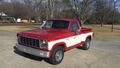
Hi Dave, thanks for the input. Yes, it's an 86 Bronco, 302, AOD.
Fuel tests done:
-Test fuel pressure at idle
OK, ~35
-Test fuel pressure at 2500rpms for one minute
OK, steady at ~35
-Test fuel pressure leakdown for one minute
OK, small loss but less than 5psi
Measuring the output voltage of the only o2 sensor directly to battery ground, I can see that it reads heavily lean even in the driveway, spitting out less than .1v most of the time.
Thread Starter
|
Freshman User
Joined: Jan 2018
Posts: 34
Likes: 1
Welcome to FTE
After reading most of this and not understanding some of it, never really got into the newer stuff.
Any way what is this in (Bronco? year 86?) and what motor/trany does the truck have?
The fuel PSI test was at idle?
What about under load like driving down the road where this lean condition happens?
The other thing I would look into would be a fuel flow test. It should flow xx amount in xx time. But it may not show any thing unless you find spec for open flow test.\
Dave ----
After reading most of this and not understanding some of it, never really got into the newer stuff.
Any way what is this in (Bronco? year 86?) and what motor/trany does the truck have?
The fuel PSI test was at idle?
What about under load like driving down the road where this lean condition happens?
The other thing I would look into would be a fuel flow test. It should flow xx amount in xx time. But it may not show any thing unless you find spec for open flow test.\
Dave ----

Moderator


Joined: Jan 2001
Posts: 56,984
Likes: 2,738
From: Virginia
I have a 86 Ranger with the fuel injected v6. I too have fought some things with it before, and I still have a rough idle when hot that I have never been able to get rid of.
After messing with mine over the years, I have found the best thing to do if you plan on keeping one of these older fuel injected trucks, is to go to the junkyard and get everything you can off a junkyard truck like yours. All the sensors and other gizmos, the distributor, and if they will let you have it, the wiring harness for the computer and the ECU.
Swapping out known good components is a quicker way to know what is not bad. Buying these sensors new can get expensive, I see you have already started a small collection of parts. I am afraid some of this will not be available anymore as these early trucks get older.
I had different problems with mine, and I had multiple problems to work through. Mine ended up being the pickup module was bad in the distributor, and the TPS was bad, even though I checked that thing 100 times with my meter.
Looking at your symptoms, it reminds me of my latest discovery with mine; I do not have any computer codes, but after about 30 rounds trying to find the other problems, after I got them sorted out I too was having bucking when taking off, low power, poor fuel mileage, it just didn't seem to run like it did. The only thing I could think that I had changed that possibly could affect this was the timing. The timing also affects the idle speed as well. I too had set it right on 10 degrees like the factory sticker calls for.
So as an experiment, I let it get warmed up, went back and loosened the distributor, and turn it just a little bit till I could hear the idle speed up slightly. I tightened it back down and it was much improved. I drove it like this for a week or so, everything was better about it. But I thought maybe I could go a little more. So I tweaked it again. Still more improvement. I think I am going to leave it there. I am sure now it does not agree with the factory settings on the sticker, but I suspect my balancer may have slipped some, throwing the timing marks off.
Your low power and overheating sure do sound like retarded timing to me. I would try it.
After messing with mine over the years, I have found the best thing to do if you plan on keeping one of these older fuel injected trucks, is to go to the junkyard and get everything you can off a junkyard truck like yours. All the sensors and other gizmos, the distributor, and if they will let you have it, the wiring harness for the computer and the ECU.
Swapping out known good components is a quicker way to know what is not bad. Buying these sensors new can get expensive, I see you have already started a small collection of parts. I am afraid some of this will not be available anymore as these early trucks get older.
I had different problems with mine, and I had multiple problems to work through. Mine ended up being the pickup module was bad in the distributor, and the TPS was bad, even though I checked that thing 100 times with my meter.
Looking at your symptoms, it reminds me of my latest discovery with mine; I do not have any computer codes, but after about 30 rounds trying to find the other problems, after I got them sorted out I too was having bucking when taking off, low power, poor fuel mileage, it just didn't seem to run like it did. The only thing I could think that I had changed that possibly could affect this was the timing. The timing also affects the idle speed as well. I too had set it right on 10 degrees like the factory sticker calls for.
So as an experiment, I let it get warmed up, went back and loosened the distributor, and turn it just a little bit till I could hear the idle speed up slightly. I tightened it back down and it was much improved. I drove it like this for a week or so, everything was better about it. But I thought maybe I could go a little more. So I tweaked it again. Still more improvement. I think I am going to leave it there. I am sure now it does not agree with the factory settings on the sticker, but I suspect my balancer may have slipped some, throwing the timing marks off.
Your low power and overheating sure do sound like retarded timing to me. I would try it.
Thread Starter
|
Freshman User
Joined: Jan 2018
Posts: 34
Likes: 1
Welcome to FTE
After reading most of this and not understanding some of it, never really got into the newer stuff.
Any way what is this in (Bronco? year 86?) and what motor/trany does the truck have?
The fuel PSI test was at idle?
What about under load like driving down the road where this lean condition happens?
The other thing I would look into would be a fuel flow test. It should flow xx amount in xx time. But it may not show any thing unless you find spec for open flow test.\
Dave ----
After reading most of this and not understanding some of it, never really got into the newer stuff.
Any way what is this in (Bronco? year 86?) and what motor/trany does the truck have?
The fuel PSI test was at idle?
What about under load like driving down the road where this lean condition happens?
The other thing I would look into would be a fuel flow test. It should flow xx amount in xx time. But it may not show any thing unless you find spec for open flow test.\
Dave ----
-Test fuel pressure at idle
OK, ~35
-Test fuel pressure at 2500rpms for one minute
OK, steady at ~35
-Test fuel pressure leakdown for one minute
OK, small loss but less than 5psi
I'm thinking that, between my headers and my 3" exhaust, MAYBE the O2 sensor isn't getting hot enough, period. The 86 AFAIK is the only one that's not heated out of all the years. So tomorrow I'm gonna convert over to a heated O2 sensor and see what's what.
Trending Topics
Moderator
Joined: Jan 2001
Posts: 56,984
Likes: 2,738
From: Virginia
If you go to page 60 in this link, you are correct, the oxygen sensor does not have a heater.
Electronic Engine Control - ???Gary's Garagemahal
You may be on to something with the sensor not being hot enough, especially if you have long tube headers and the sensor is in the collector. Also realize if you have a free flow exhaust like that, your EGR is not going to work properly either. The EGR relies on exhaust backpressure to help force the exhaust gas into the engine, and it's calibrated for that. But really the only thing that may cause is some pinging if the engine is not getting enough EGR gas. If you have the stock catalytic convertor, that would help keep the backpressure up so everything works.
Electronic Engine Control - ???Gary's Garagemahal
You may be on to something with the sensor not being hot enough, especially if you have long tube headers and the sensor is in the collector. Also realize if you have a free flow exhaust like that, your EGR is not going to work properly either. The EGR relies on exhaust backpressure to help force the exhaust gas into the engine, and it's calibrated for that. But really the only thing that may cause is some pinging if the engine is not getting enough EGR gas. If you have the stock catalytic convertor, that would help keep the backpressure up so everything works.
FTE Stories
Ford Trucks for Ford Truck Enthusiasts

Rezvani's Latest Post-Apocalytic Monster Is a Ford F-150 Raptor Underneath
Verdad Gallardo
Top 10 Most Expensive Ford Trucks Ever Sold on Bring a Trailer
Joe Kucinski
2027 Ford Super Duty Buyer's Guide (Every Model, Engine, & Package)
Brett Foote
Top 10 Ford Truck Tragedies
Joe Kucinski
AEV FXL Super Duty - the Super Duty Raptor Ford Doesn't Make
Brett Foote
Lobo Vs Lobo: Proof the F-150 Lobo Should Be Even Lower!
Michael S. Palmer
Ford's 2001 Explorer Sportsman Concept Looks For a New Home
Verdad Gallardo
10 Best Ford Truck Engines We Miss the Most!
Joe Kucinski
2026 Shelby F-150 Off-Road: Better Than a Raptor R?
Brett Foote
Fleet Mechanic
Joined: Mar 2014
Posts: 1,926
Likes: 116
From: Saskatchewan Canada
Same problem over 3 engines? Well, that does narrow things down a bit. It's likely not something mechanical and your checklist is pretty extensive.
I would hazard a guess that the problem remains with what has not been changed. I will assume that includes the ECU and the wiring. If all is original, it would not hurt to pop the covers off the ECU and check for signs of leaking capacitors. Not uncommon on 30 year old electronics and pretty easy to spot. Lots of threads about it here and in the 87/97 forum, so I won't go into detail.
Next thing would be to check the wiring integrity from the O2 sensor to the ECU. Single sensor if you are running stock configuration and you should have continuity from the dark green/purple wire at the O2 sensor to pin 29 of the ECU. Other side of the O2 sensor goes to ground through an orange wire. While you are checking here, there is an orange wire from the EFI harness that connects to ground at the LR corner of the intake manifold. Sometimes this does not get reconnected during engine swaps and all sorts of weird things can happen.
Next, I would check that voltage on the O2 sensor dark green/purple wire. It should vary with operating conditions and should be somewhere above 0 volts, up to 1 volt. No live data logging with OBD1, of course, so a good meter and a little willingness to rig up a connection are required. I would try to read this in the cab from the wire at pin 29 of the ECU.
The engine symptoms you give do suggest that it may be running lean. Do the plugs bear this out on a visual inspection?
I would hazard a guess that the problem remains with what has not been changed. I will assume that includes the ECU and the wiring. If all is original, it would not hurt to pop the covers off the ECU and check for signs of leaking capacitors. Not uncommon on 30 year old electronics and pretty easy to spot. Lots of threads about it here and in the 87/97 forum, so I won't go into detail.
Next thing would be to check the wiring integrity from the O2 sensor to the ECU. Single sensor if you are running stock configuration and you should have continuity from the dark green/purple wire at the O2 sensor to pin 29 of the ECU. Other side of the O2 sensor goes to ground through an orange wire. While you are checking here, there is an orange wire from the EFI harness that connects to ground at the LR corner of the intake manifold. Sometimes this does not get reconnected during engine swaps and all sorts of weird things can happen.
Next, I would check that voltage on the O2 sensor dark green/purple wire. It should vary with operating conditions and should be somewhere above 0 volts, up to 1 volt. No live data logging with OBD1, of course, so a good meter and a little willingness to rig up a connection are required. I would try to read this in the cab from the wire at pin 29 of the ECU.
The engine symptoms you give do suggest that it may be running lean. Do the plugs bear this out on a visual inspection?
Thread Starter
|
Freshman User
Joined: Jan 2018
Posts: 34
Likes: 1
So I swapped in the heated O2 sensor. Read the voltage out of it and ran the same O2 sensor test. Got a solid .91v out! Excellent. I couldn't get it lower, even by opening up a big vacuum leak, but I wonder if that's due to the testing process. Seems like pulling the ACT (part of the test) makes the truck go super rich, and the spark plugs seem to agree.
I disconnected the battery for ten minutes, drove it for twenty minutes, then pulled codes.
I no longer have a code 41!!
HOWEVER...
It still sucks on the freeway. Seems like no improvement in power to me.
I did get a code 44 (thermactor fault) but I had the whole system pulled temporarily so it wouldn't affect O2 readings. I'll hook it back up, maybe the computer was smart enough to use that data too. Maybe that's where my power is.
Someone suggested ECU, so I pulled it. I was genuinely surprised, looked great inside. No corrosion, leaking/bulging caps, no water damage. Still possibly bad I suppose.
Wiring I suppose could do it. But I suspect I'm looking at a $500 rebuilt harness to truly rule that possibility out. I'll pay it but I'm putting that off as far as possible.


The O2 voltage wire itself had five splices in it, including a wire nut! This was back when I started with this issue. I thought it was a slam dunk when I saw that. I replaced the wire and repinned to the ECU. Wire has 0hms on it now. Imagine my disappointment when that didn't fix it. (But still needed to be done!)
I will check on the other wires mentioned, thank you. I think I reterminated the orange wire but I'll double check.
Will do. So, leave the ECU plugged in, including both of those wires, and just backprobe across the O2 voltage (pin 31 IIRC) and the DG/P wire (pin 29)?
I checked the plugs before testing and I think they looked great, perhaps a little lean. Currently they are covered in soot, I think from the extensive O2 tests making the truck run super rich.
I disconnected the battery for ten minutes, drove it for twenty minutes, then pulled codes.
I no longer have a code 41!!
HOWEVER...
It still sucks on the freeway. Seems like no improvement in power to me.
I did get a code 44 (thermactor fault) but I had the whole system pulled temporarily so it wouldn't affect O2 readings. I'll hook it back up, maybe the computer was smart enough to use that data too. Maybe that's where my power is.
I would hazard a guess that the problem remains with what has not been changed. I will assume that includes the ECU and the wiring. If all is original, it would not hurt to pop the covers off the ECU and check for signs of leaking capacitors. Not uncommon on 30 year old electronics and pretty easy to spot. Lots of threads about it here and in the 87/97 forum, so I won't go into detail.
Wiring I suppose could do it. But I suspect I'm looking at a $500 rebuilt harness to truly rule that possibility out. I'll pay it but I'm putting that off as far as possible.
Next thing would be to check the wiring integrity from the O2 sensor to the ECU. Single sensor if you are running stock configuration and you should have continuity from the dark green/purple wire at the O2 sensor to pin 29 of the ECU. Other side of the O2 sensor goes to ground through an orange wire. While you are checking here, there is an orange wire from the EFI harness that connects to ground at the LR corner of the intake manifold. Sometimes this does not get reconnected during engine swaps and all sorts of weird things can happen.
I will check on the other wires mentioned, thank you. I think I reterminated the orange wire but I'll double check.
Next, I would check that voltage on the O2 sensor dark green/purple wire. It should vary with operating conditions and should be somewhere above 0 volts, up to 1 volt. No live data logging with OBD1, of course, so a good meter and a little willingness to rig up a connection are required. I would try to read this in the cab from the wire at pin 29 of the ECU.
I checked the plugs before testing and I think they looked great, perhaps a little lean. Currently they are covered in soot, I think from the extensive O2 tests making the truck run super rich.
Moderator
Joined: Jan 2001
Posts: 56,984
Likes: 2,738
From: Virginia
Well, looks like you got it fixed. The air pump doesn't really affect power too much. Make sure you put a fuse in the line to the sensor heater, just in case. The factory used a fusible link on my ranger.
Fleet Mechanic
Joined: Mar 2014
Posts: 1,926
Likes: 116
From: Saskatchewan Canada
Seems a little odd that your 02 voltage now is stuck at the high end of the range. It does prove circuit integrity from the sensor to the ECU and the fact the 41 code disappeared proves the ECU is responding correctly.
Thread Starter
|
Freshman User
Joined: Jan 2018
Posts: 34
Likes: 1
My question is, how does the ecu determine fault? Other than the solenoids not responding, where else could it get data from? Even though the cat air dump is AFTER the o2 sensor (like 6-8" away), is it reading data from the o2 to determine thermactor operation?
Pretty much, but the return for the O2 sensor is pin 49. 31 is empty as far as I can see. Same orange wire that ends up grounded to the intake manifold through the wiring harness.
Seems a little odd that your 02 voltage now is stuck at the high end of the range. It does prove circuit integrity from the sensor to the ECU and the fact the 41 code disappeared proves the ECU is responding correctly.
Seems a little odd that your 02 voltage now is stuck at the high end of the range. It does prove circuit integrity from the sensor to the ECU and the fact the 41 code disappeared proves the ECU is responding correctly.
Also ordered a breakout box to make life easier.
OH and I'm still gonna try advancing timing a bit to see how she goes.
Moderator
Joined: Jan 2001
Posts: 56,984
Likes: 2,738
From: Virginia
My book says when the engine is in warm up mode, the ECU does direct air ahead of the oxygen sensor. It says this accelerates the exhaust system warm-up, helping the oxygen sensor and the catalytic converter to warm up faster.
When the engine is warmed up, the air is diverted to the cat converter to help it work better.
During deceleration, the air is not pumped into the exhaust at all. This keeps the exhaust from backfiring. It also says during a heavy pull/high load on the engine, the air is not pumped into the exhaust during that time also, to keep the exhaust and the cat from overheating.
When the engine is warmed up, the air is diverted to the cat converter to help it work better.
During deceleration, the air is not pumped into the exhaust at all. This keeps the exhaust from backfiring. It also says during a heavy pull/high load on the engine, the air is not pumped into the exhaust during that time also, to keep the exhaust and the cat from overheating.
Moderator
Joined: Jan 2001
Posts: 56,984
Likes: 2,738
From: Virginia
In the picture below, you can see where the air is injected into the back of the heads on this fuel injected engine.
http://farm4.static.flickr.com/3313/...146c55e065.jpg
http://farm4.static.flickr.com/3313/...146c55e065.jpg

