When you click on links to various merchants on this site and make a purchase, this can result in this site earning a commission. Affiliate programs and affiliations include, but are not limited to, the eBay Partner Network.
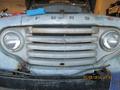
I started searching for answers when stumped on a project for my dad and I found this forum. I consider myself somewhat mechanical for my era of building "muscle trucks" since the late 70's, but I may have met my match. A 1951 Ford F-2 Flatbed Flathead. I have convinced myself that he biggest problem I'm facing is a 6 volt pos ground. I've been working on a 1964 Ford 2000 tractor with a 6 volt system since I was a kid, but i am finding out this truck is a little different.A friend of my dad passed away and he bought his truck. It was running good for him and hauling hay on the farm 2 years ago. I have replaced naked wiring, starter, points, condenser, battery, plugs so far. It cranks as well as a 6 volt will but can't get points to spark. Looking forward to getting help from this group. Thanks
Have you checked the hot wire that goes from the points, under the points plate, to the coil? Not that you can eyeball it, it's hidden, but try an ohmmeter or continuity tester on it after disconnecting from the coil. It has to flex as the points plate rotates, it frays, then shorts out. You can replace it with the distributor in place but it's a lot easier to do with the distributor out.
When you replaced the frayed wire, did you go back with the proper gauge? Six volt requires a big wire to carry the current. You can run six volt spec wire on a 12 volt system but you cannot run 12 volt sized wire on a six volt system. 12 volt spec wire is just too small. This is especially true for the battery cables. Six volt system battery and ground cables are massive compared to what you may be used to in those 70s Muscle ? Trucks.
Welcome! I'll offer another possibility, the new capacitors are notorious for poor quality. Do yourself a favor and try the old one. Ross is spot on with his suggestion as well.
I have fooled with vintage vehicles since I was a kid. Sometimes you just have to work on them. Go through the steps, go by the manual, abcd 1234. Check this clean that and waw-la...she fires up. You may never know why or why not, or exactly what you did to get it to run. Be patient check everything and she'll come around.
I will share a little secret. By far most electrical problems are ground faults, what was OK for decades can suddenly not be OK and needs checking/cleaning.
Then there is dead shorts, something grounding that should not be.
Then there is failed components, switches, coils condensors wires ect
Then there is mystery stuff like airing up a low tire, tightening the dome light or hooking up a tail light and boom, it cranks and purrs like a kitten.
If you are still fighting it with no luck, you may need to isolate the starting/ignition system with your own mini crank and run harness to eliminate any variables.
Finally got a chance to piddle with this truck again. Using a test light, I have good power on switch side of resistor bar, but have very weak on coil side of bar and on that side of coil. I have absolutely nothing on distributor side of coil. Can I bypass old resistor? Thanks,
1moses
I once told a friend that if he could start my truck he could drive it... Key's were in my pocket but he kept hitting the starter button and it turn but didn't start for him... If I remember right the starter button always has power going to it but the ignition switch sends power to the coil... I'm I right guys?
I once told a friend that if he could start my truck he could drive it... Key's were in my pocket but he kept hitting the starter button and it turn but didn't start for him... If I remember right the starter button always has power going to it but the ignition switch sends power to the coil... I'm I right guys?
Yep, it leads to some exciting moments when kids are playing in the truck, too!
You've gotten some great advice here. While you can do tons of stuff with a test light they aren't so good at checking or shorts to ground. You'll need a meter to check if the wire under the points plate is rubbed through to the housing.
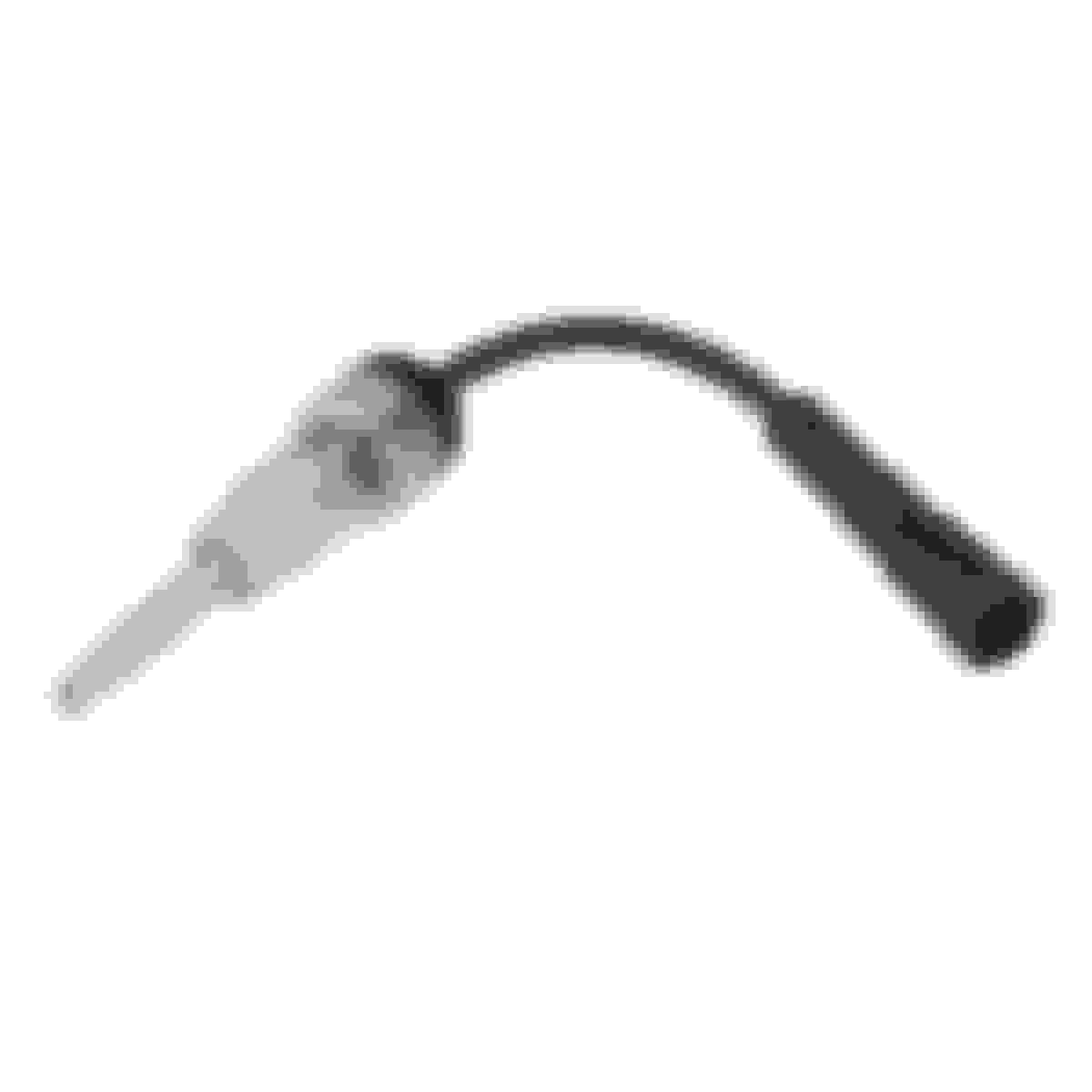
I didn't see you mentioning changing the wires. I'd double check the main wire from the coil/distributor cap. Also, that wire that Ross mentioned that you can't see the connection inside the distributor. I wonder if you can put one of these on your coil???
Rezvani's Latest Post-Apocalytic Monster Is a Ford F-150 Raptor Underneath
Slideshow: Called the Fortress, the 850-horsepower pickup combines Raptor underpinnings with military-inspired features, survival equipment, and a starting price of $285,000.