




 !
!

Wood sides
Thread Starter
|
Laughing Gas


Joined: Mar 2013
Posts: 1,027
Likes: 5
From: Garner NC
Wood sides
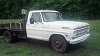
About to re-do the sides for the dump. I'm thinking of going with white oak like what's there now and staining it followed by a clear epoxy for durability. Thoughts?

Fleet Owner
Joined: Dec 2009
Posts: 20,678
Likes: 83
From: NorCal
Clear epoxy? Hmmmm.
I prefer marine-grade polyurethane. And remember all sides and ends need to be sealed- just like a wood bed. For the extra mile in durability and detail, use stainless steel hardware and yes, stain and seal the holes too.
I prefer marine-grade polyurethane. And remember all sides and ends need to be sealed- just like a wood bed. For the extra mile in durability and detail, use stainless steel hardware and yes, stain and seal the holes too.
Thread Starter
|
Laughing Gas
Joined: Mar 2013
Posts: 1,027
Likes: 5
From: Garner NC
My most recent experience with the polys has been less than stellar. Valspar used to be really good stuff. My 10 year old job on the front door is just now showing signs of needing some attention and that's southern facing. I just did some nice crown and base/base cap in oak as part of the renno and it was four coats to look like I applied any. It's that whole low/no VOC bs that has ruined paint in a big way. Epoxy just seems like it would be bullet proof, but if you have a favorite poly that stands up to abuse I definitely want to know about it. It's a dump truck and it's going to haul 5.5 yards of dirt each run for me soon. And since I'm stacking two 12 inch wide boards for the sides I intend on getting some stainless strips water jetted out. Two inches wide by twenty inches long, 0.125 thick. And definitely stainless hardware. A McMaster order will be placed shortly.
Fleet Owner
Joined: Dec 2009
Posts: 20,678
Likes: 83
From: NorCal
2x on the low VOC crap nowadays.
Say, I would like to make some wood bed side boards and am sure others would too. I think we'd all appreciate a "how-to" thread on your methodology with pics, products, and instructions.
Do a well-documented job and I will include it in the Tech Thead sticky in the Dentside forum which also covers bumps since many things cross over.
Say, I would like to make some wood bed side boards and am sure others would too. I think we'd all appreciate a "how-to" thread on your methodology with pics, products, and instructions.
Do a well-documented job and I will include it in the Tech Thead sticky in the Dentside forum which also covers bumps since many things cross over.

Postmaster
Joined: Nov 2012
Posts: 2,806
Likes: 8
From: Langley, BC
Where can I get a kit?
Trending Topics
Fleet Owner
Joined: Dec 2009
Posts: 20,678
Likes: 83
From: NorCal
FTE Stories
Ford Trucks for Ford Truck Enthusiasts

3 Best / Worst Features Of The 2025+ Ford Expedition
Brett Foote
10 Ways Ford is LOSING to the Competition
Joe Kucinski
Top 6 Best Deals Available on New Fords & Lincolns Right Now
Brett Foote
This Hennessey Takes the Expedition Tremor's Off-Roading Capability to the Next Level
Verdad Gallardo
Top 10 Fords at 2026 Carlisle Ford Nationals
Joe Kucinski
3 Best / 3 Worst Parts of Modern Ford Ownership
Brett Foote
10 Amazing Upgrades That Solve Common Ford Truck Owner Headaches
Pouria Savadkouei
Every 2026 Ford Engine Explained
Brett Foote
10 Ugly Ford Trucks That We Still Kinda Love
Joe Kucinski



New User
Joined: Apr 2014
Posts: 7
Likes: 0
From: seattle
WEST SYSTEMS has a system for using epoxy on brightwork on boats. Basically a water thin epoxy to start, then build coats with the epoxy, then a varnish with high UV resistance to finish it off if I remember correctly.
Might be worth a google?
Might be worth a google?
Thread Starter
|
Laughing Gas
Joined: Mar 2013
Posts: 1,027
Likes: 5
From: Garner NC
 Excellente! I had not considered UV issues. More research. Hmmmm. A kit is a great idea. I do believe that the bed of my dump is a home-brew, but that pic from ND is somethin'! My buddy Butch is going to be my partner in crime on this because handling 9 foot boards by yourself is just unnecessary. I'll put the bug in his ear as well.

Mountain Pass


Joined: Jun 2006
Posts: 239
Likes: 10
For what it's worth, sideboards on the pickup were a matter of pride for tradesmen, like the ability to whistle tunes (anybody remember whistling "competitions" on job sites? Never hear that anymore). Carpenters made their own sideboards from left over scraps and some were pretty darn artful, with fancy cutouts and scalloping of edges. Pinstriping and snazzy paintjobs were frequently seen on them too. Many carpenters even made their own wooden contractor boxes on the side rails instead of just simple sideboards.
The original material for the Farm and Ranch sideboards was yellow pine with an oil-based red enamel. I found the factory sideboard height of 9 inches restricts easy access from the side so I lowered the height of them to 5.5", which happens to be the width of 1x6 and 2x6 lumber.
The sideboards I made conceal the crossbox (which were were not common at the time, at least I never saw one until well into the '70's.). They're made of scrap yellow pine from another project with the standards that go into the pockets being cut from true pallet stakes (free is always a plus!). The sideboards are of 1-by material and the crosspieces fore and aft of the crossbox are of 2-by material. The lumber was ripped and cut to length with my antique '56 wormdrive skilsaw, made my rounded and curved corners and cuts with a jigsaw, then used a router to round the edges, leaving a nice look and feel to the boards. I then primed with a tough grey enamel primer and finished with International Harvester red enamel. All in all, a very tough finish and holding up very well. The sideboards are screwed together with torx-drive zinc chromate coated quick drive construction screws with stainless steel rounded finish washers for a nice final look.
These are by no means fancy sideboards. Making them took me about 2 hours, plus painting time, plus attaching time. Cheaper and more fun to make and than ho-hum aluminum toprail protectors you buy at the accessory stores, too. I made an identical set, also red, for my other '69 F-250 at the same time.
<a href="http://s1066.photobucket.com/user/farmallmta/media/Whitey/trucksideboard4_zps5df8c134.jpg.html" target="_blank"><img src="http://i1066.photobucket.com/albums/u407/farmallmta/Whitey/trucksideboard4_zps5df8c134.jpg" border="0" alt=" photo trucksideboard4_zps5df8c134.jpg"/></a>
<a href="http://s1066.photobucket.com/user/farmallmta/media/Whitey/trucksideboard1_zps30a05ba7.jpg.html" target="_blank"><img src="http://i1066.photobucket.com/albums/u407/farmallmta/Whitey/trucksideboard1_zps30a05ba7.jpg" border="0" alt=" photo trucksideboard1_zps30a05ba7.jpg"/></a>
<a href="http://s1066.photobucket.com/user/farmallmta/media/Whitey/trucksideboard2_zps1218221f.jpg.html" target="_blank"><img src="http://i1066.photobucket.com/albums/u407/farmallmta/Whitey/trucksideboard2_zps1218221f.jpg" border="0" alt=" photo trucksideboard2_zps1218221f.jpg"/></a>
<a href="http://s1066.photobucket.com/user/farmallmta/media/Whitey/trucksideboard3_zps97db74d4.jpg.html" target="_blank"><img src="http://i1066.photobucket.com/albums/u407/farmallmta/Whitey/trucksideboard3_zps97db74d4.jpg" border="0" alt=" photo trucksideboard3_zps97db74d4.jpg"/></a>
The original material for the Farm and Ranch sideboards was yellow pine with an oil-based red enamel. I found the factory sideboard height of 9 inches restricts easy access from the side so I lowered the height of them to 5.5", which happens to be the width of 1x6 and 2x6 lumber.
The sideboards I made conceal the crossbox (which were were not common at the time, at least I never saw one until well into the '70's.). They're made of scrap yellow pine from another project with the standards that go into the pockets being cut from true pallet stakes (free is always a plus!). The sideboards are of 1-by material and the crosspieces fore and aft of the crossbox are of 2-by material. The lumber was ripped and cut to length with my antique '56 wormdrive skilsaw, made my rounded and curved corners and cuts with a jigsaw, then used a router to round the edges, leaving a nice look and feel to the boards. I then primed with a tough grey enamel primer and finished with International Harvester red enamel. All in all, a very tough finish and holding up very well. The sideboards are screwed together with torx-drive zinc chromate coated quick drive construction screws with stainless steel rounded finish washers for a nice final look.
These are by no means fancy sideboards. Making them took me about 2 hours, plus painting time, plus attaching time. Cheaper and more fun to make and than ho-hum aluminum toprail protectors you buy at the accessory stores, too. I made an identical set, also red, for my other '69 F-250 at the same time.
<a href="http://s1066.photobucket.com/user/farmallmta/media/Whitey/trucksideboard4_zps5df8c134.jpg.html" target="_blank"><img src="http://i1066.photobucket.com/albums/u407/farmallmta/Whitey/trucksideboard4_zps5df8c134.jpg" border="0" alt=" photo trucksideboard4_zps5df8c134.jpg"/></a>
<a href="http://s1066.photobucket.com/user/farmallmta/media/Whitey/trucksideboard1_zps30a05ba7.jpg.html" target="_blank"><img src="http://i1066.photobucket.com/albums/u407/farmallmta/Whitey/trucksideboard1_zps30a05ba7.jpg" border="0" alt=" photo trucksideboard1_zps30a05ba7.jpg"/></a>
<a href="http://s1066.photobucket.com/user/farmallmta/media/Whitey/trucksideboard2_zps1218221f.jpg.html" target="_blank"><img src="http://i1066.photobucket.com/albums/u407/farmallmta/Whitey/trucksideboard2_zps1218221f.jpg" border="0" alt=" photo trucksideboard2_zps1218221f.jpg"/></a>
<a href="http://s1066.photobucket.com/user/farmallmta/media/Whitey/trucksideboard3_zps97db74d4.jpg.html" target="_blank"><img src="http://i1066.photobucket.com/albums/u407/farmallmta/Whitey/trucksideboard3_zps97db74d4.jpg" border="0" alt=" photo trucksideboard3_zps97db74d4.jpg"/></a>
Mountain Pass
Joined: Jun 2006
Posts: 239
Likes: 10
White oak is tough but can be expensive. Oak is definitely a good choice in many ways, but you might be just as satisfied with less expensive yellow pine. Varnish finish will be very attractive initially, but will need to be refinished sooner rather than later to keep the wood protected, especially if you actively work your truck. You might want to consider an enamel paint finish. Porch floor, concrete epoxy paint or quality tractor enamel are very tough finishes and can be re-touched easily as necessary. For show trucks, varnish is nice. For work trucks, it just doesn't last as long as you'd like.
The wood I use for my sideboards is the best I can find for free.
The wood I use for my sideboards is the best I can find for free.
Thread Starter
|
Laughing Gas
Joined: Mar 2013
Posts: 1,027
Likes: 5
From: Garner NC
Very nice! I like the finishing washers as well. One of my side hobbies is restoring tube amps and many a cabinet uses the finishing washers for the back boards. Just redid some Ampeg B-25 bass cabs with 27 screws each. I also like the slot for moving the cross board. That's a nice detail WRT usability. I like oak because it machines but definitely appreciate the need for different levels in any application. And thanks for the quick measurement reference. My 350 doesn't have a regular bed so I've been guessing and drawing in SolidWorks. I've also been thinking about getting the sign kit from Rockler. Might be nice to have a name or logo on the side board!