
Daily Slideshow: This 1953 Mercury Pickup is Built Canadian Tough
The Ford F-Series has been around for more than half a century, proving that Ford knew what it was doing when it came to trucks. They also knew how to captivate the Canadian market by taking a regular Ford truck and calling it a Mercury.
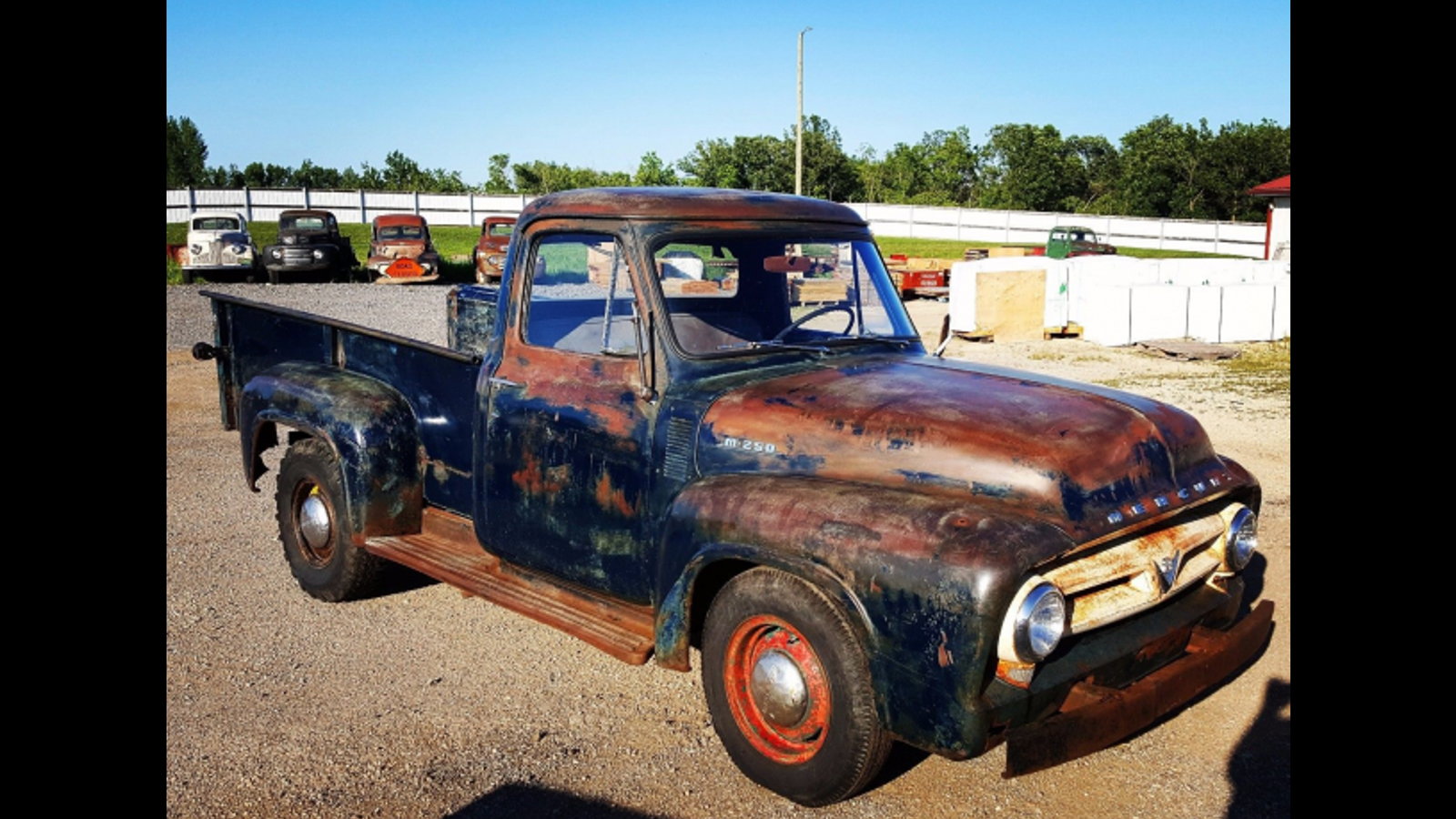
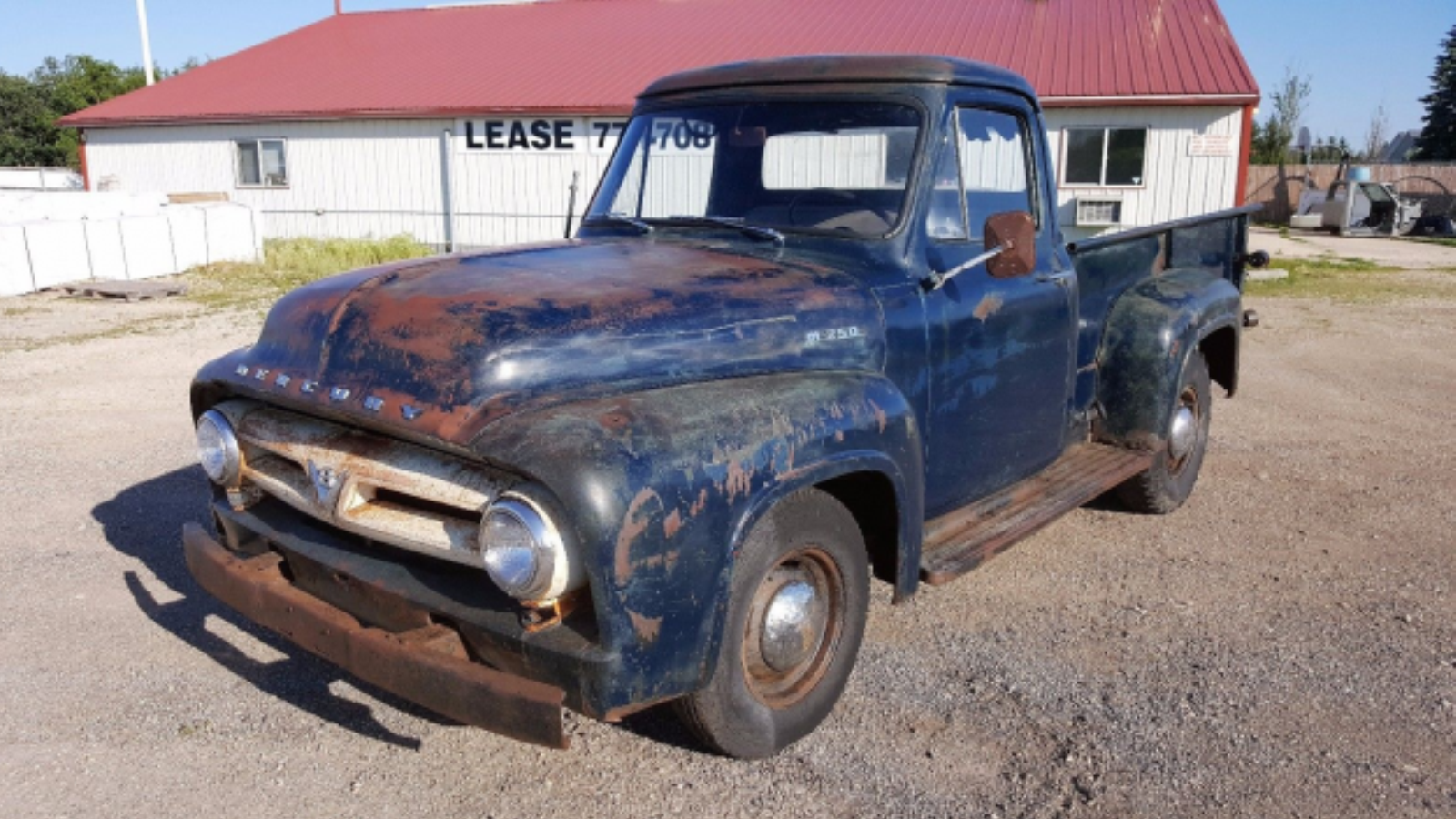



1953 Mercury M250 pickup
Who doesn't love an old truck? Who doesn't harbor a secret desire to find a really old vintage pickup and turn it into a restomod tribute truck? You may or may not, but when it comes to old Ford trucks, I have the itch. I'm not sure if it's their classy good looks or simply the fact that an old Ford truck represents a history of success that can't be matched. If you go way back in Ford's history before we expected heated seats, moon roofs, and the towing power of one thousand horses, trucks served a necessary function: to carry, pull, or push. They had no real amenities, rode like 60 grit sandpaper, and were geared for low-speed torque.
After World War II, Ford, GM, and Chrysler ruled the pickup world and out of that era, Ford's F-Series was born. Soon the F-Series truck took over the lion's share of the market and it's still the top-selling truck today. However, Ford also sold trucks under the Mercury banner in Canada from 1946 to 1968. The 1953 Mercury M250 pickup above is a pretty solid and original example of a rare breed of truck that was built Ford Tough for our neighbors to the North.
>>Join the conversation about the 1953 Mercury M250 right here in Ford-Trucks.com.
A breed is born
The story of how Ford began selling Mercury Trucks in Canada is interesting in its own right. During World War II, Ford had virtually stopped producing any vehicles that were not part of the war effort. But after the war, in 1946, regular production resumed and Ford was eager to capitalize on a Canadian market that had not seen new vehicles from Ford since 1942. Since Mercury and Lincoln were really the only brands selling in most Canadian communities, Ford decided to badge some of its F-Series trucks as Mercury trucks. To make these Canadian specials a little more unique, Ford added a different grille and tweaked the trim a bit.
>>Join the conversation about the 1953 Mercury M250 right here in Ford-Trucks.com.
Canadian workhorses
Today it's rare enough to find a Mercury M250 north of the border let alone here in the United States. These trucks were workhorses that ended up working their tails off on farms across Canada. And snowy winters didn't help to preserve these trucks, which must have turned to rust much sooner than their sun-soaked cousins in the States. American Flathead Ford aficionados especially love these trucks, because they were still available with this iconic engine for a few years after Ford stopped offering them in F-100s in 1953.
>>Join the conversation about the 1953 Mercury M250 right here in Ford-Trucks.com.
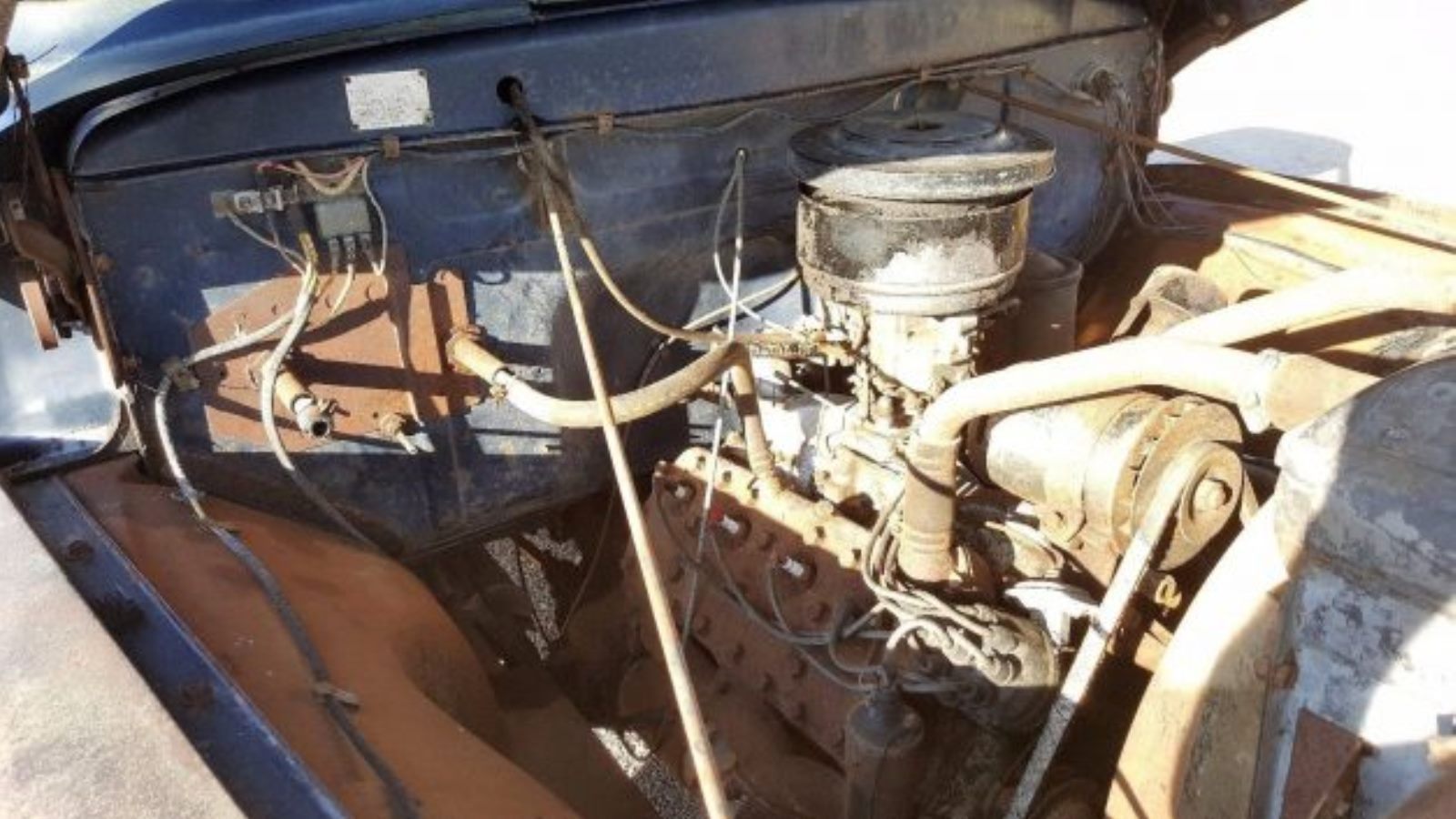
Under the hood
Under the hood, you will find a Ford flathead V8, and from the photograph, it appears that the power plant is original and well-used. Flatheads are reliable and rugged engines that Ford manufactured from 1932 until 1953, making the engine's 21-year production run for the U.S. consumer market longer than the 19-year run of the Ford Model T engine for that market. The engine was on Ward's list of the 10 best engines of the 20th century and they are still hot rodded today, with a special land speed record class for flathead engines.
>>Join the conversation about the 1953 Mercury M250 right here in Ford-Trucks.com.
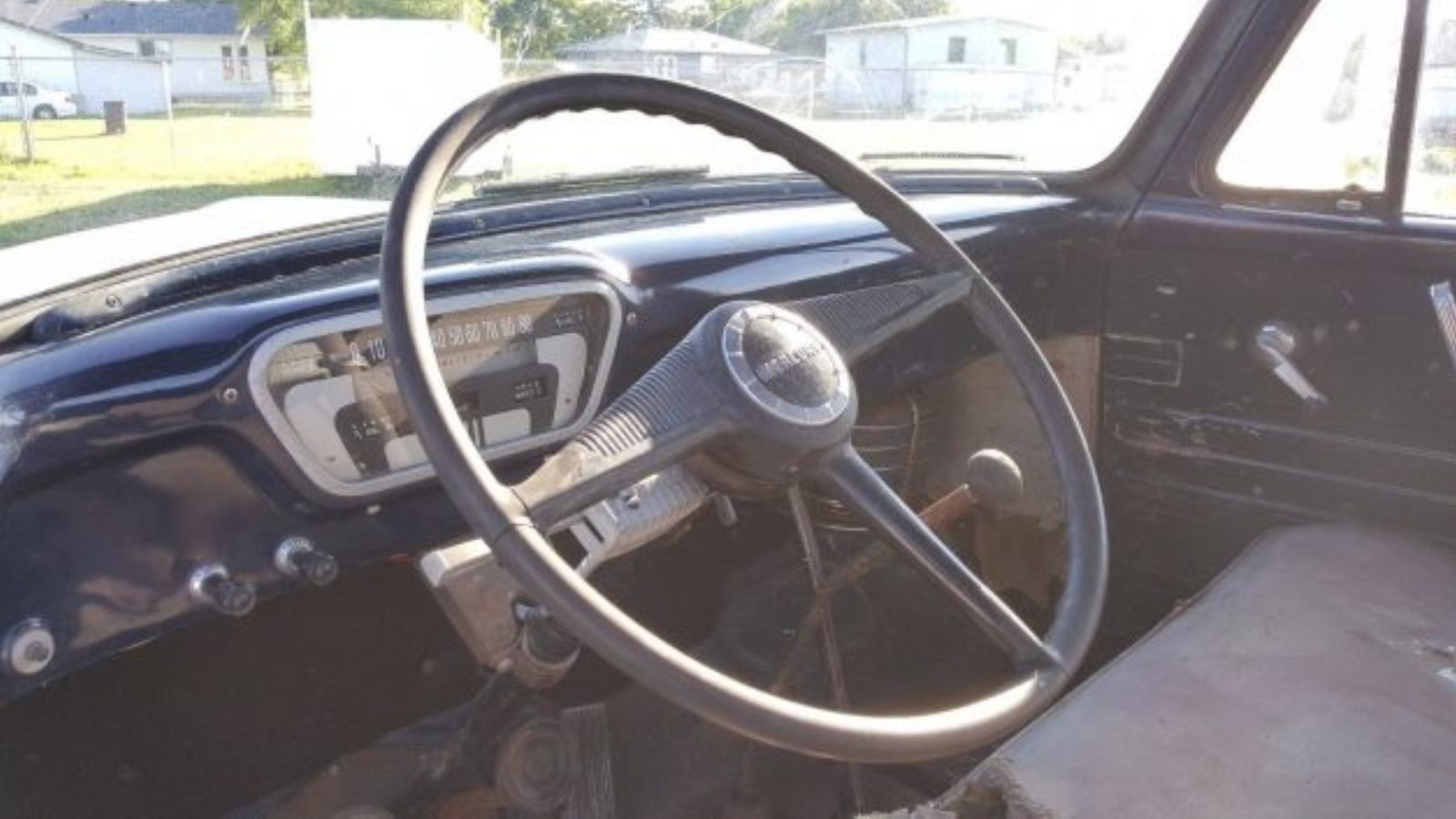
Behind the wheel
The interior looks pretty good considering the condition of the exterior. There is still a shine in the royal blue paint on the dash, and the instrument cluster looks great. Under the dash is a very nice heater with chrome trim, and an aftermarket turn signal is attached to the steering column. The seats are not surprisingly worn and will, of course, need new covers, but the knobs, handles and plastic steering wheel are in great shape.
>>Join the conversation about the 1953 Mercury M250 right here in Ford-Trucks.com.
That rusty patina
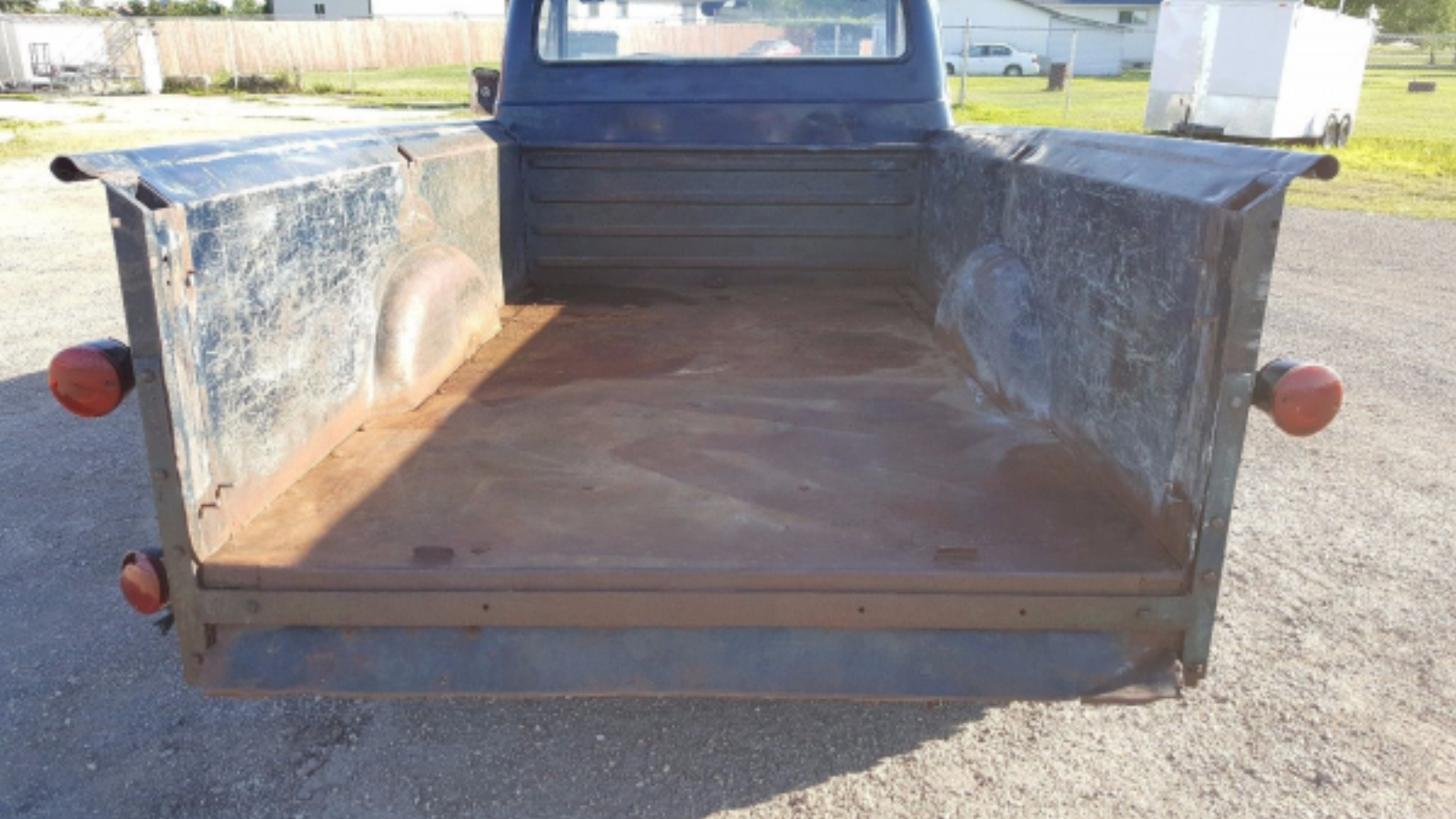
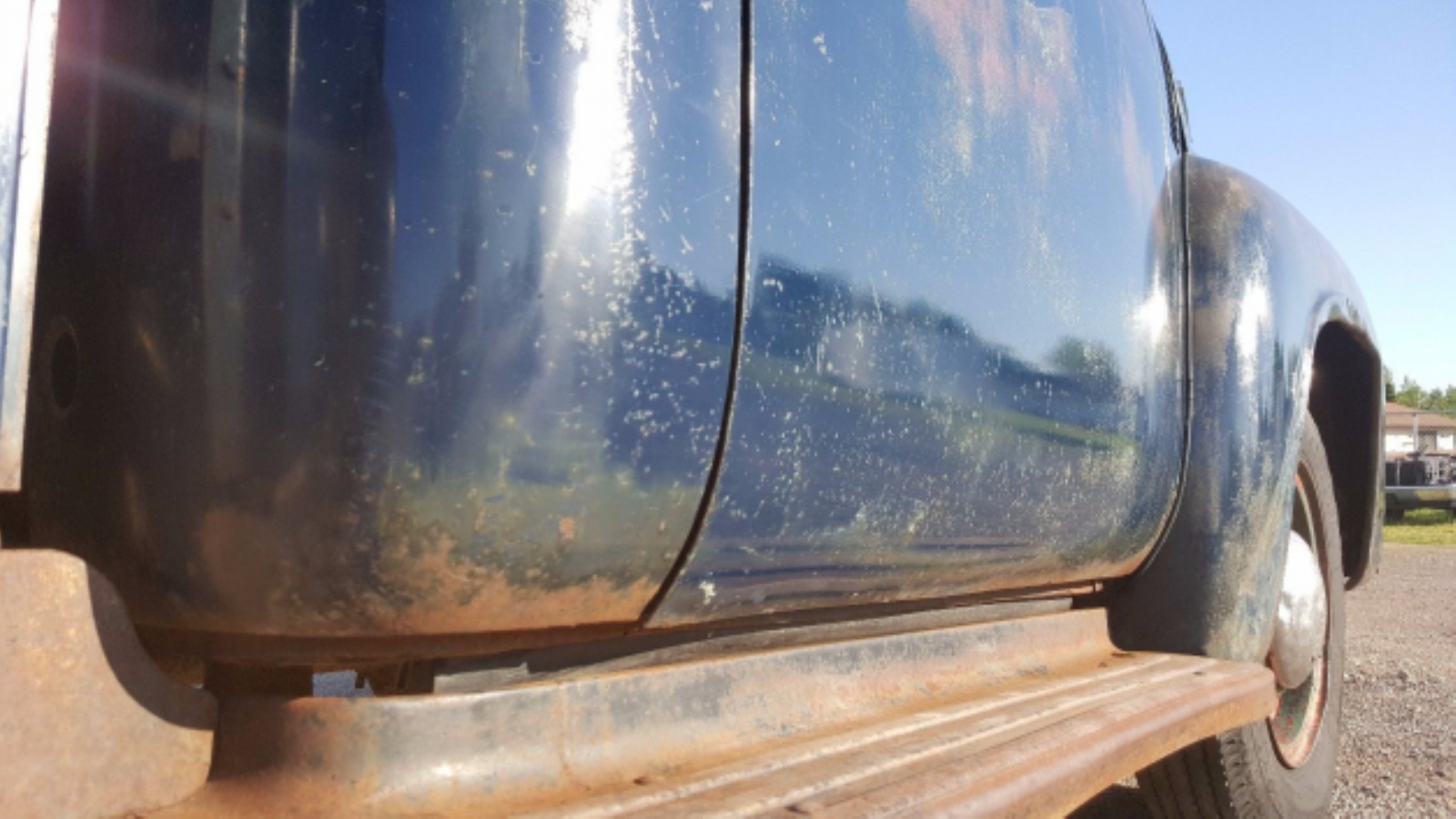
For most trucks of this era, the biggest issue is rust. And since this vehicle has seen more than its share of snow-soaked winters, its rusty exterior is fairly hard to overlook. A lot of body panels from trucks this old need to be replaced, but this one isn't in such bad shape when you consider the environment from which it hails. The floors are adequate and the surface rust hasn't eaten too far into the metal. Even the cab corners, which can be a very costly restoration project, are in decent condition. A sander and some high build primer may be all that's needed to keep this truck's rust from getting worse.
>>Join the conversation about the 1953 Mercury M250 right here in Ford-Trucks.com.
A Throwback that you should not throw back
On the surface, this is not a bad barn find. It's once you get into the drivetrain and wiring harness that you may find some costly issues that need addressing. On the positive side, this is one decent rarity of a truck that shows us what a real truck was back in the day, long before we needed amenities such as blind spot alert and voice-activated touchscreen navigation.
>>Join the conversation about the 1953 Mercury M250 right here in Ford-Trucks.com.
For help with your maintenance and repair projects, please visit our how-to section in the forum.