
The Curious Case of Ford’s F-250 Super Duty in Africa
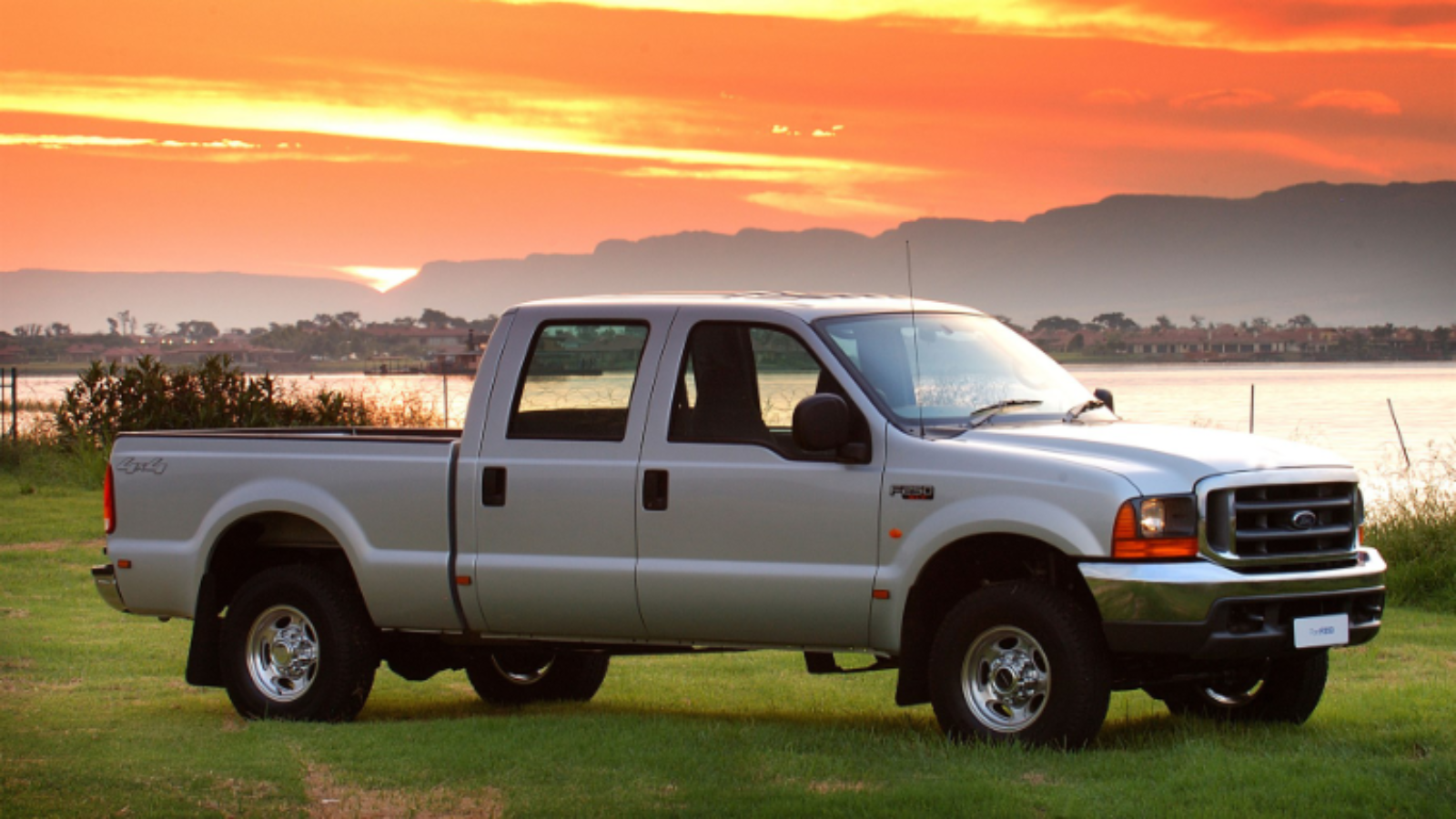
Daily Slideshow: Ford briefly built right-hand drive versions of its F-250 Super Duty shortly after the millennium. This is the story of how those trucks have become legendary in the harsh working conditions of Southern Africa.



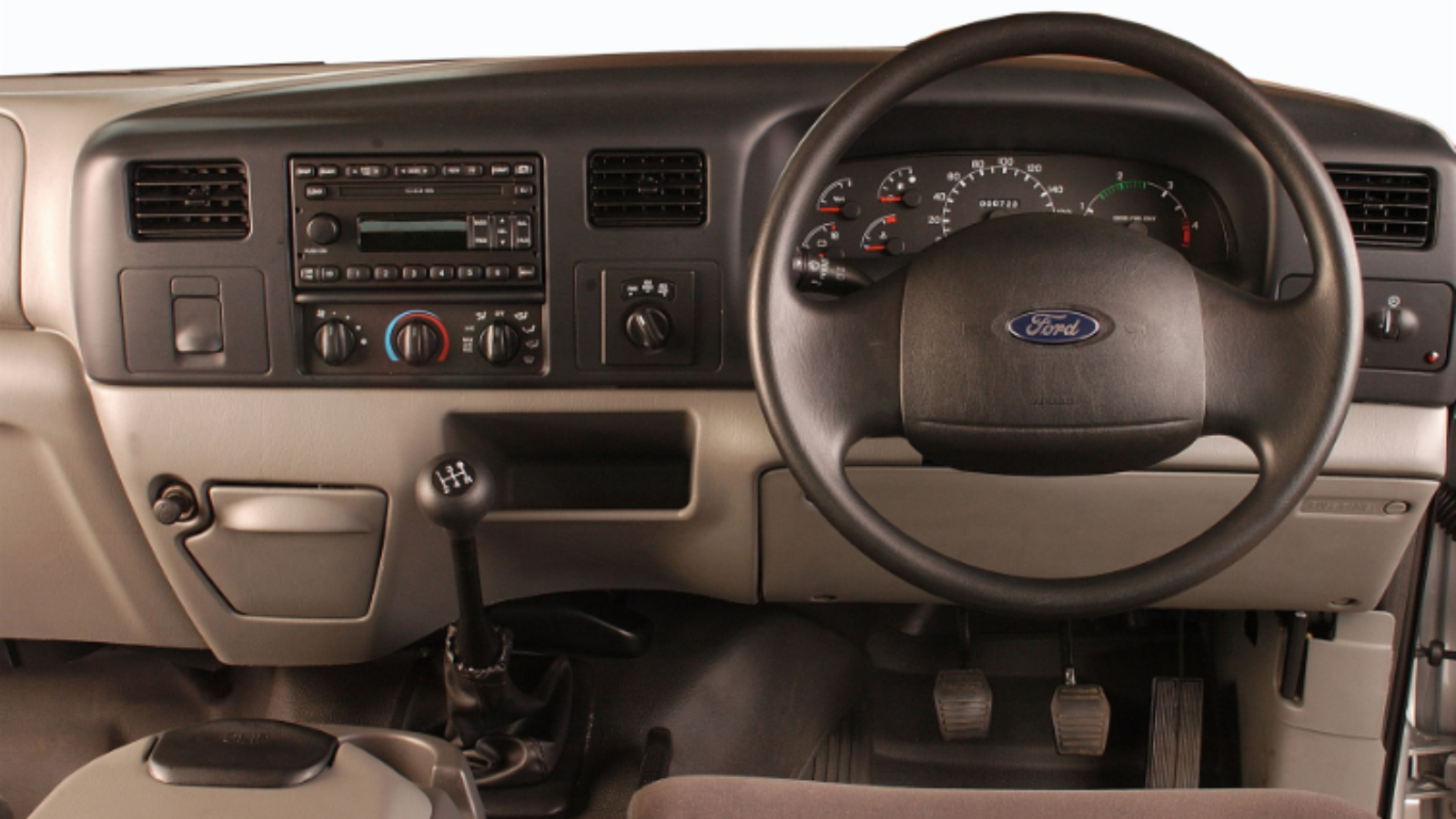


That Super Duty has a steering wheel on the other side
In the world of trucks, there is no environment more testing than Africa. The distances are massive, fuel quality abysmal and roads even worse. In Africa you don’t do two-trips, you'd rather overload and try to complete the task in a single journey.
African conditions are what essentially ruined Land-Rover’s reputation and built the image of Japanese heavy-duty pickup trucks. It’s a big place curiously short on supply of the most famous name in pick-up trucks: Ford’s F-Series. If you drive around the continent’s most industrialized country, South Africa, you will encounter the occasional F-Series, and we don’t mean vintage trucks. How’d those manage to get out there, in Africa?
A big truck for real big sky country
In the mid-2000s, Ford managed to source a supply of slightly customized production Super Duty F-250s for southern hemisphere export markets in Brazil, Africa, and Australasia. Geographies where owners work their trucks, instead of merely cruising the highway with them.
A consignment of these F-250s found their way to South Africa, where demand quickly outstripped supply. Most of the South African market F-250s were purchased by farmers, where the load bin size and towing capacity, far superior to that of conventional Japanese pickups, was a notable point of appeal.
Bigger than anything else South African were used to
Owning an F-250 in South Africa wasn’t quite the formality that most interested buyers assumed it would be. You’ll notice that tailgate’s chevron patterning: it was a legal requirement and not the only one set as a barrier to F-250 ownership.
South African law graded the F-250 as a light commercial truck, instead of a ‘normal’ pick-up truck, which meant you could only drive one if you had an appropriate license, which is a grade above the standard South African vehicle driver’s license. Fortunately, most farmers, who own fleets of tractors and multi-axle transport trucks, already possessed licensing beyond the government requirement. City dwellers who wanted an F-250 as a status vehicle faced the chore of sitting through a new license exam.
It could haul more than any rival too
By American standards, the F-250 is a working truck but for the South African market, it was a revolutionary hybrid, somewhere between a truck and commercial vehicle.
The largest pick-ups sold in South Africa have always been Land Rover’s Defender 130 and the Toyota Land-Cruiser 70 pick-up. Although both of these have an impressive off-road ability, neither could compete with an F-250’s load carrying prowess, which at 3350 pounds, was 50% greater than the Defender or Land-Cruiser. And as mentioned earlier, in Africa, the more you can carry in one go, the better. Certain adaptations were made for harsh local conditions. These included upgraded air filters, door seals and engine fixtures.
Five on the floor and a wheel on the 'right/wrong' side
Farmers who were raised with Land-Cruisers pick-ups simply could not believe the level of refinement and quality of accommodation found inside an F-250. These first-generation Super Duty F-250s, which were sold in small numbers through Ford’s South African dealerships, featured far superior seats and car-like switchgear.
Compared to the vinyl seats and robust, military specification cabin design of a Land-Cruiser 70, the Ford F-250s was considered pick-up truck limousines in comparison. Even today, more than a decade after the original consignment of curious right-hand drive F250s were imported to Southern Africa and rapidly sold out, they remain highly sought-after status symbols within the agricultural and adventure trucking community.
For help with your maintenance and repair projects, please visit our How-to section in the forum.