
Major Design Milestones in F-Series History
The fact that the F-Series has remained so true to its roots is no doubt part of its success, but it's Ford's constant push for a better design that have kept their trucks so popular.
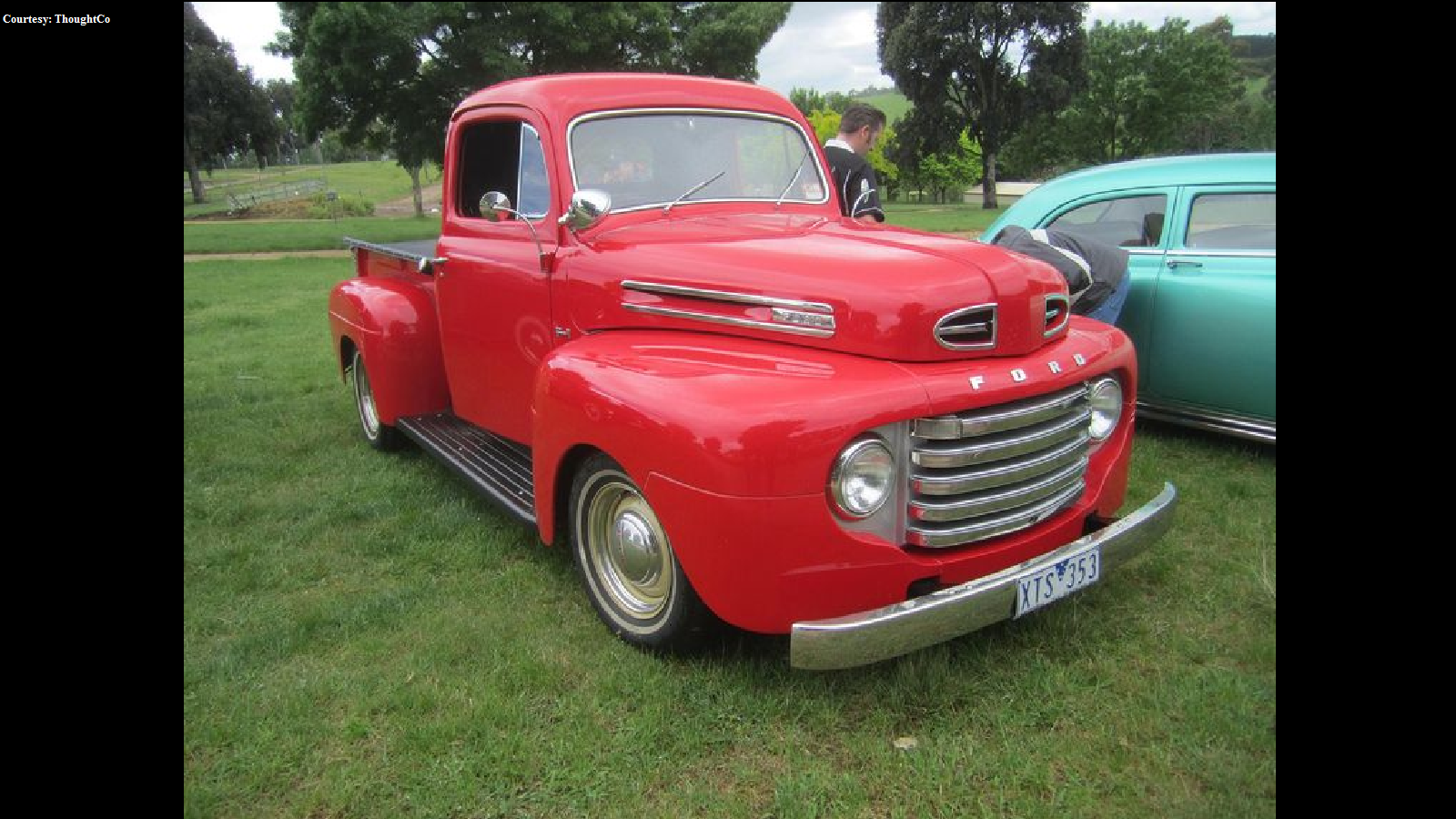
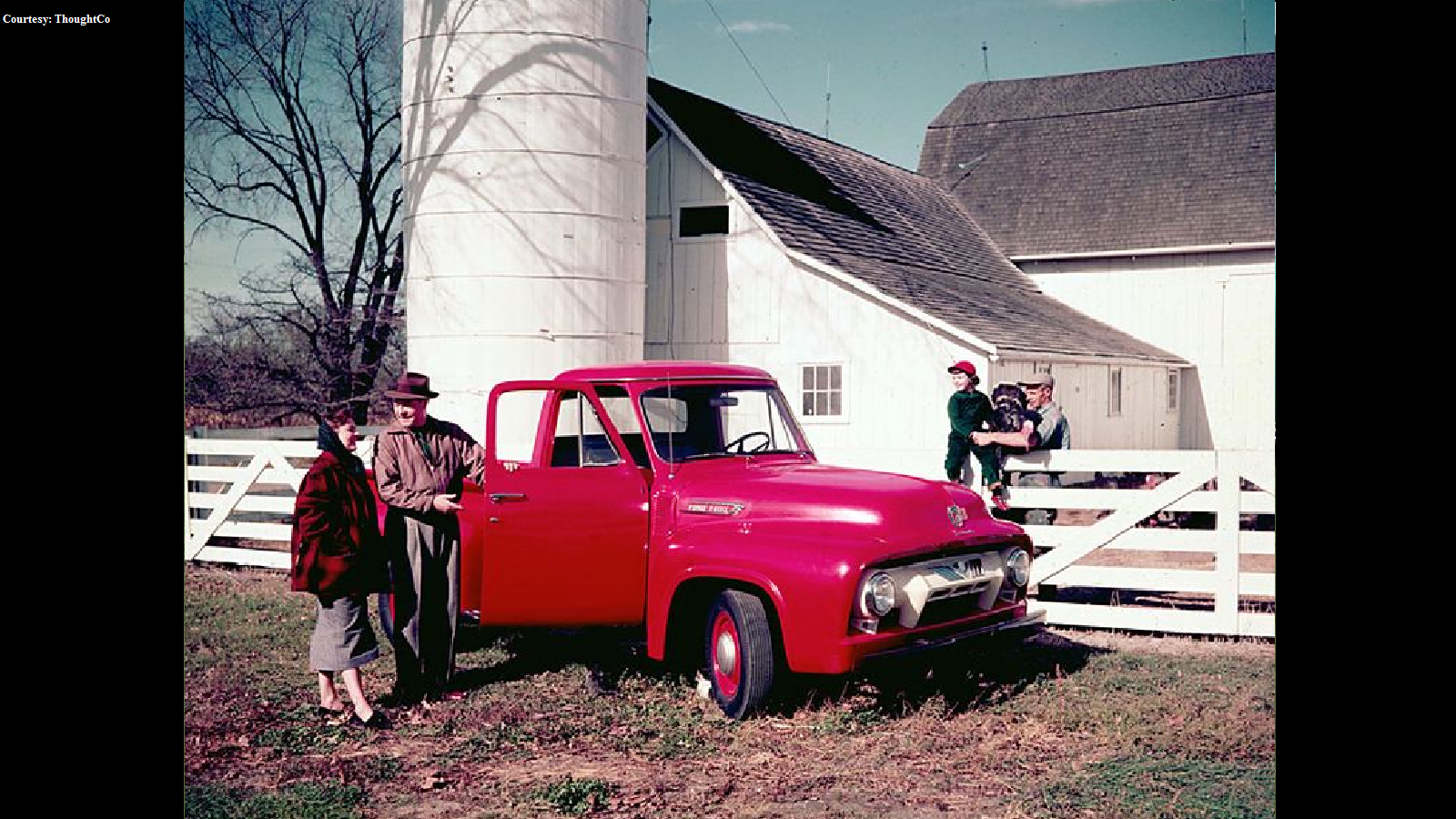
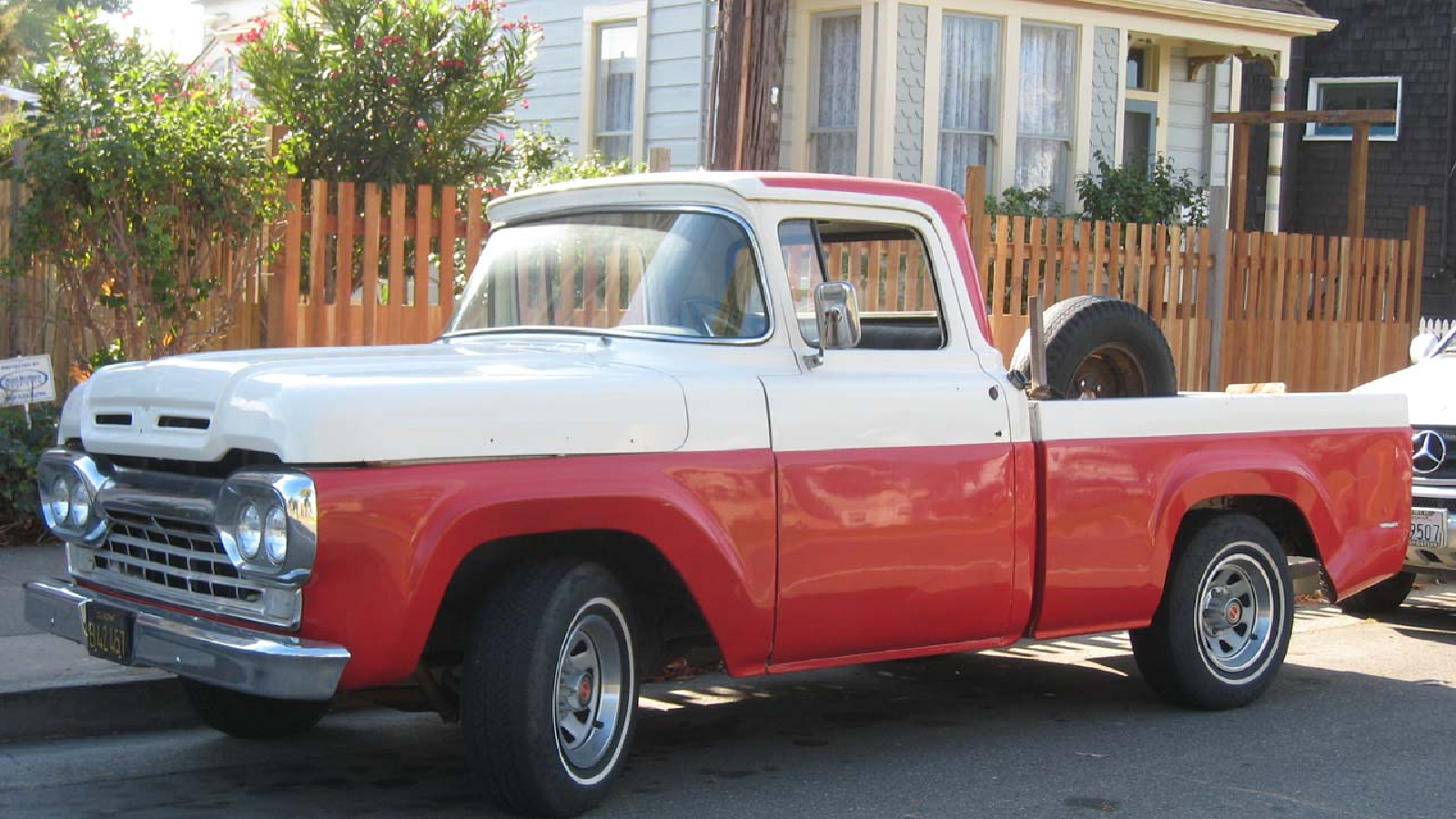

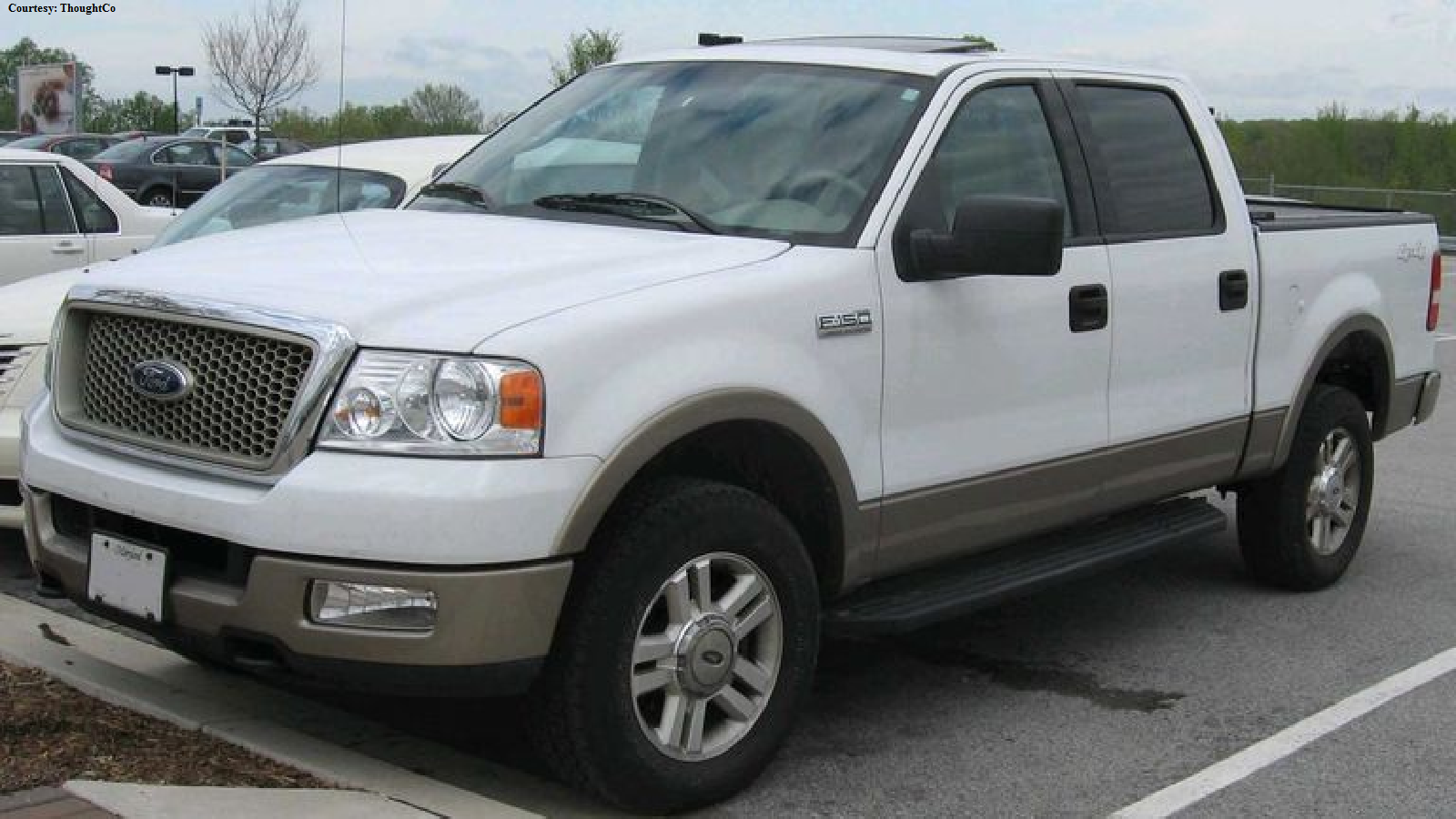


1. 1948: A tough truck for a bright future
Truck designs in the post-war period favored a stronger look than their 1930s predecessors. The Ford F-Series entered this place in time with some large boots to fill. With American GIs returning home after the war, a truck like the Ford F-1 was there to suit a variety of roles, particularly in more rural settings. While truck designs don't tend to age as well as vintage cars, the F-1 established the F-Series as a tough-looking sort of truck -- the sort of truck you could get things done with.
2. 1954: Introduction of the Y-Block V8
An honorary mention could be made for the first round of stylistic revisions Ford made to their F-Series in 1951, which sharpened up the look of the design for the new decade. However, the most noteworthy innovations at this point was the option of an automatic transmission, and the marriage between the F-Series and its longstanding partner in crime, the V8. Although the overhead valve 239 cubic inch Y-Block V8 has little in common with the roaring V8 engines of today's F-Series trucks, it means a lot that this marked the first stage of an engine configuration that is still paving the way for better things.
3. The 1960s and 70s: From workhorse to daily driver
As the F-Series designs crept into the 60s, they started to get considerably more modern looking. While it may have been successful as a work-oriented and rural vehicle, Ford enacted a masterstroke in attempting to cater it to the regular everyday driver. Included in this push for user-friendliness were better interiors and stronger visibility. By the 70s, they were getting comfortable with appealing to this wide spectrum of customers, including the wide range of trims and options that Ford fans have come to expect from the F-Series over time. This is a major generalization, of course, but it's enough to say that the 1970s was the decade where the F-Series became truly comfortable with itself.
4. The Early 1980s: Jumping aboard the aerodynamics revolution
If there's anything that gets people thinking about a vehicle's fuel efficiency, it's a sagging economy. Aerodynamics are usually thought of as a design philosophy for roadsters, but the same principles nonetheless apply for trucks. During the 80s, Ford applied some aerodynamic-inspired redesigns to their F-Series trucks, improving their energy efficiency. Under the hood, Ford dished out stronger V8s that managed to bring more power with less fuel and introduced a new automatic overdrive (four-speed) transmission as an option on light-duty models.
5. The 1990s and 2000s: Emphasis on power and looking tougher
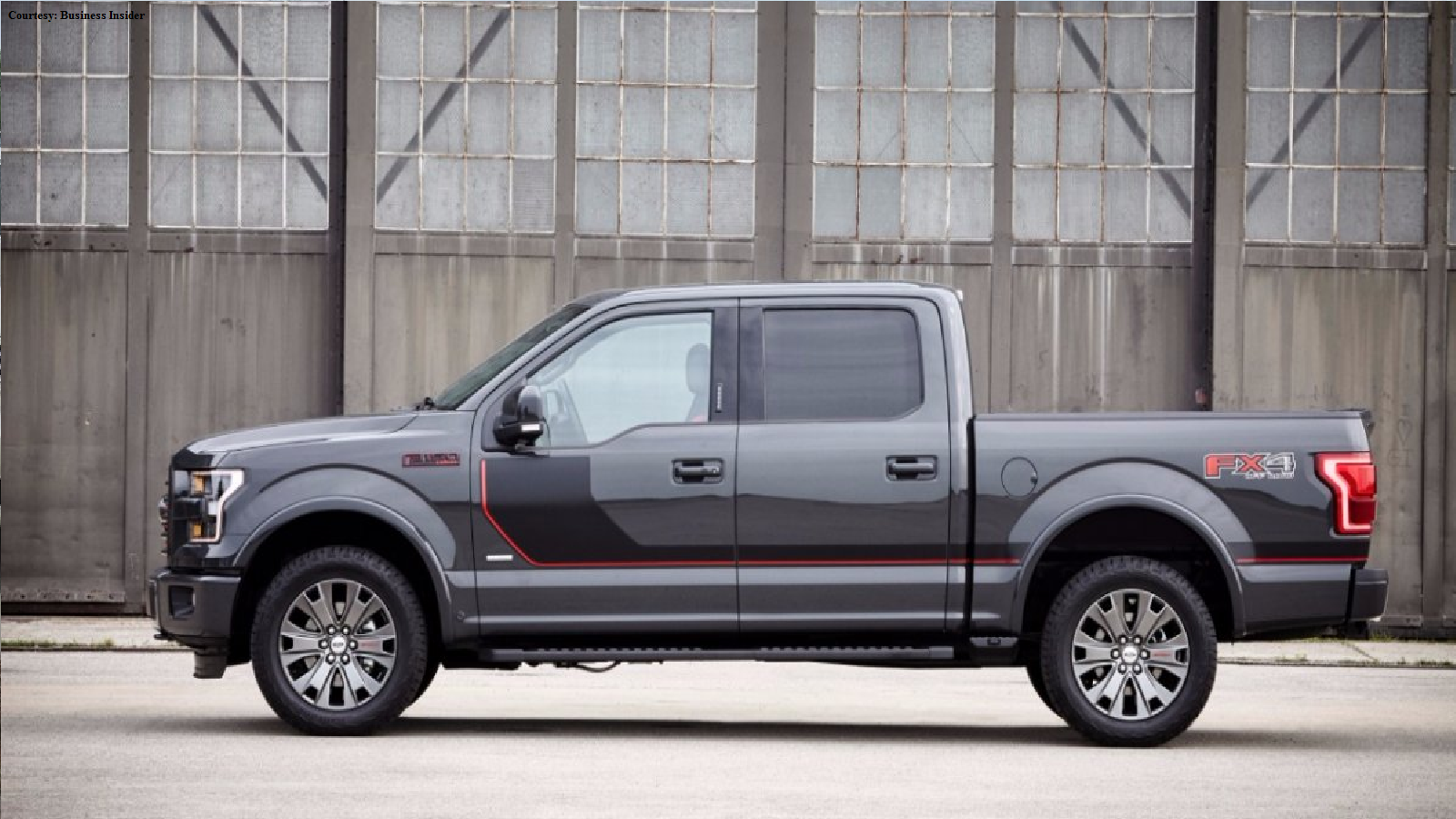
The design philosophy of long-running model series tends to be cyclical. By the early 2000s, it seems as though Ford had returned to the original mentality of having a mean-looking vehicle that emphasized its power through its look. Within a few years, the F-150's appearance went from something comparatively small and cozy to the bigger workhorses we see today. The increased strength under the hood was pleasantly matched with a steadily improving fuel economy.
6. The Present and Future: Hi-Tech and Green
Here's a fun fact: Did you know that, assuming an average of 4000 pounds, that all of the F-Series ever manufactured would total around 140 billion pounds in weight? Based on Ford's recent moves, it's clear that they won't be stopping there either. If mass-market vehicle technology has been gradually on the upswing towards better efficiency and green energy ratings, the F-Series has stood remarkably true to form. Just earlier this year, Ford announced plans for a hybridized F-150 in 2020. With tech trends unfolding as they will, it wouldn't be surprising to see an F-Series with a fully electrified powertrain some time after that.
For help with your do-it-yourself maintenance or repair projects, please visit our how-to section in the forum.