Motor Company machine proved ideal and put the world's army on wheels.
Defense Extension
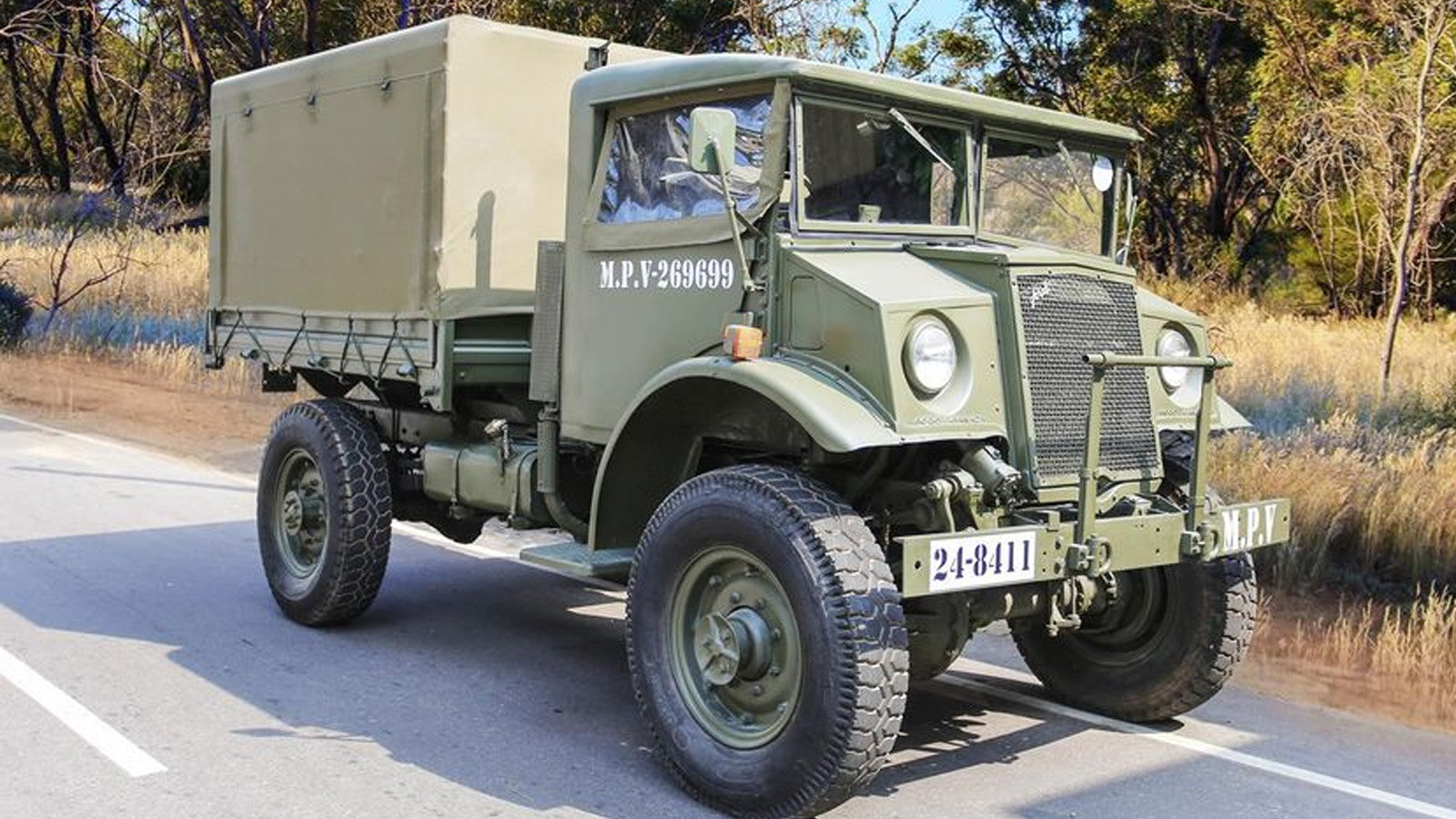
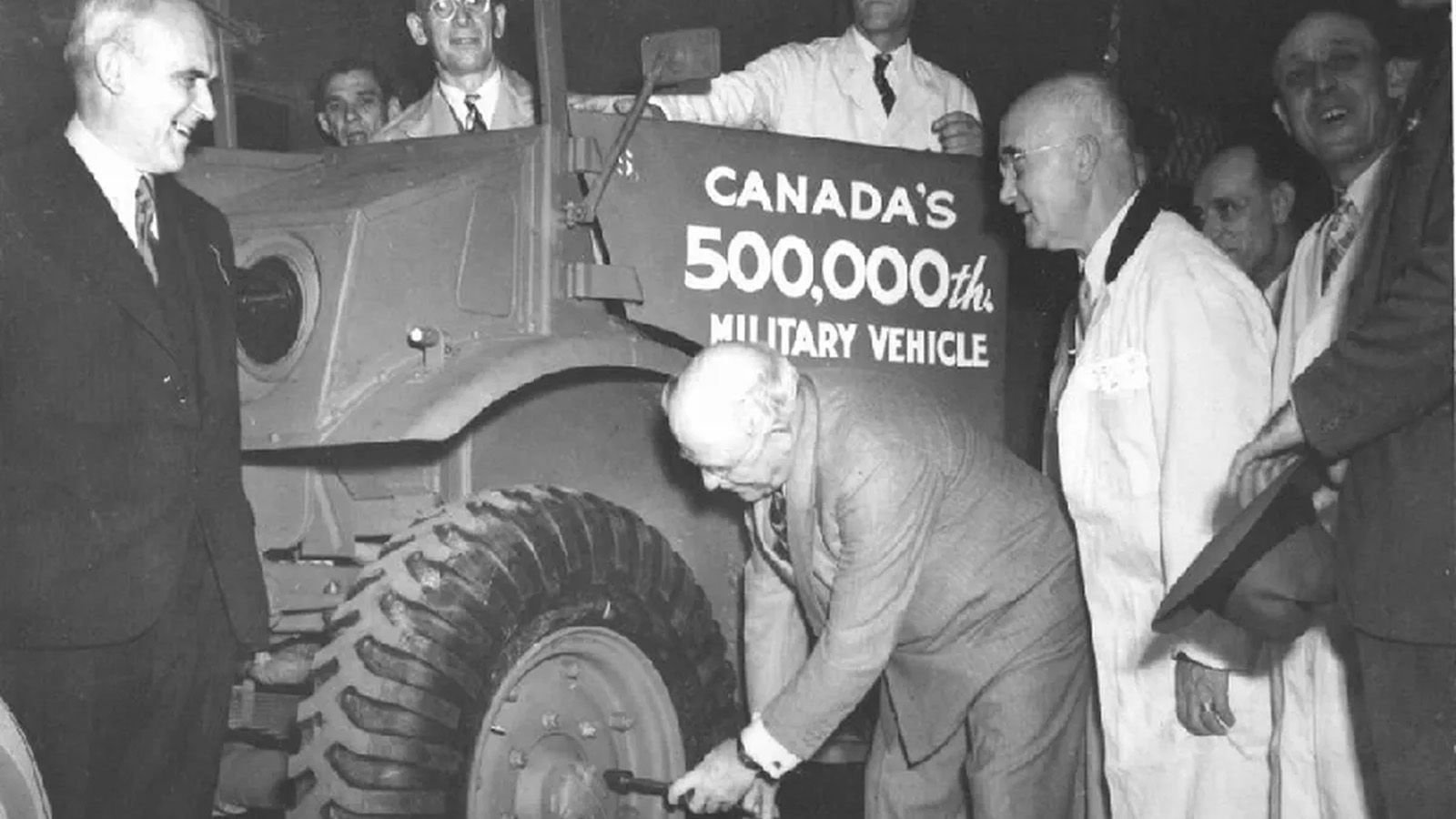
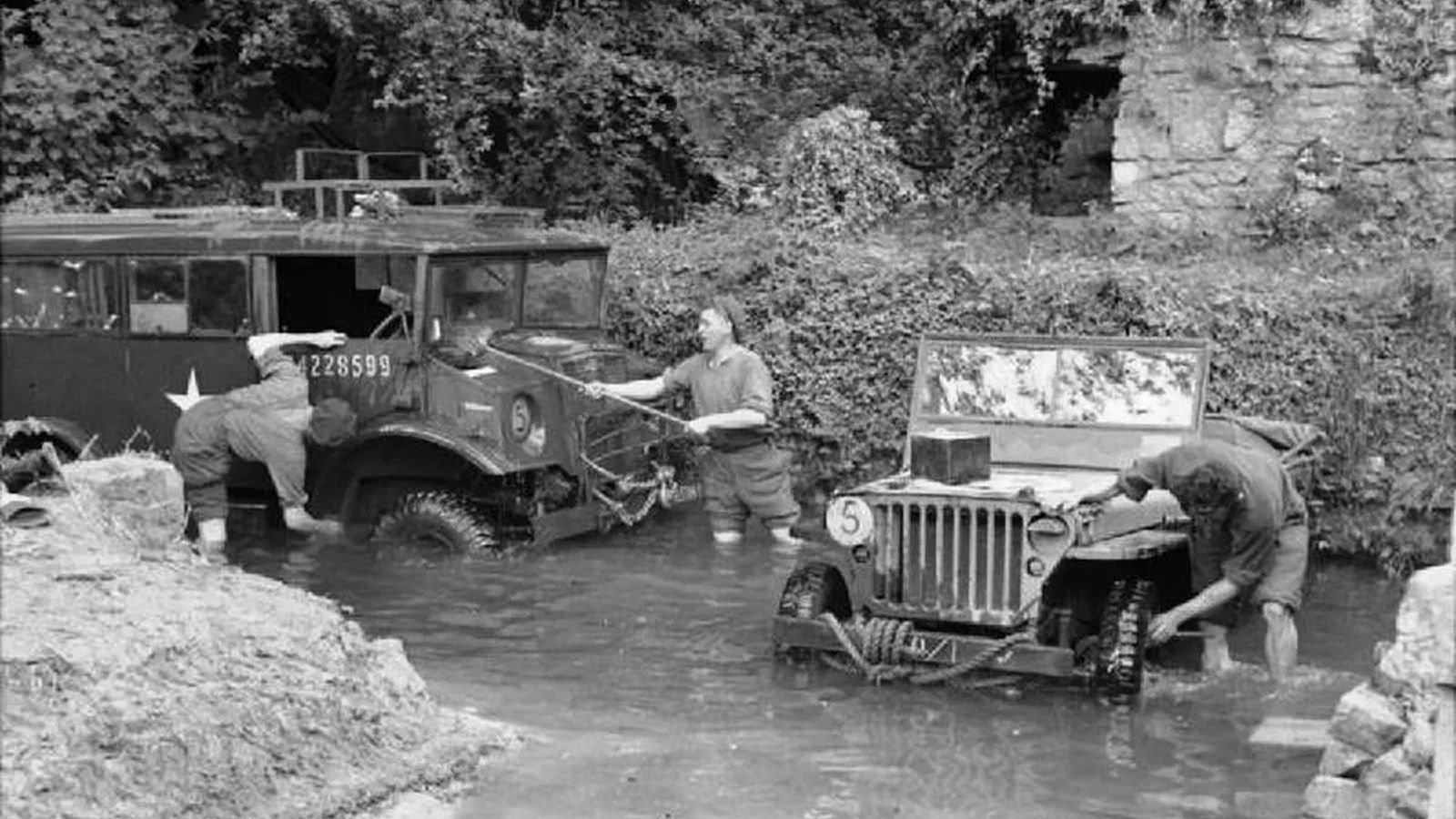
It was the might of American industry that supplied the bulk of Allied troops throughout the Second World War. Ford was no exception, retooling its manufacturing to answer the critical demand. By extension, Ford Canada also switched to a war footing, producing almost a million vehicles for defense purposes. About half of these were the curious-looking Canadian Military Pattern truck or CMP.
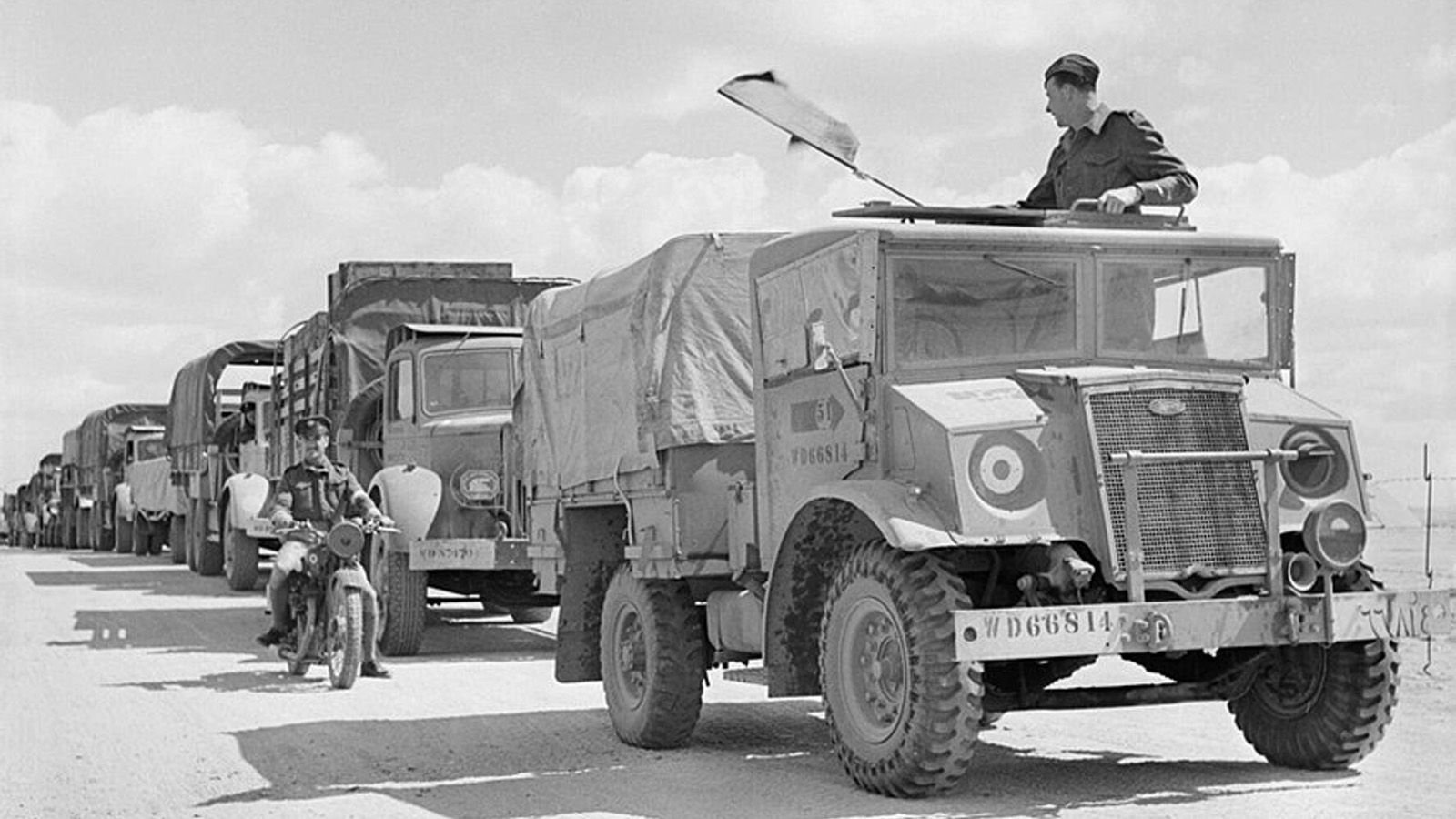
Photos courtesy of LAC
Dangerous Deliverance
In the wake of Britain's hasty evacuation from the beaches of Dunkirk in June 1940, the British Army was forced to abandon an enormous inventory of vehicles and equipment. Prime Minister Winston Churchill called the rescue of nearly 340,000 troops “a miracle of deliverance,” but it left Britain in a logistics catastrophe of epic and dangerous proportions.
Compliant Model
Urgent action was needed, and North American automakers stepped up to help. Ford Canada had a particular advantage, as it had already been addressing Britain's military vehicular needs for nearly a decade prior. In 1940, Ford and General Motors of Canada began producing the CMP, a standardized heavy truck model that was compliant with British Army specifications.
Arsenal Drive
America may have armed the Allies, but Canada put them on wheels. In a 2020 interview with NBC, executive chair, William Clay Ford Jr., drew parallels between the effort by Ford and General Motors to mass produce ventilators in response to the threat of COVID-19 and the drive to build an “arsenal of democracy” during the Second World War.
Prototype Roles
Among that arsenal was Canadian truck production, now considered one of the most important contributions to the war effort. As the threat of conflict brewed in Europe, Ford had already started development on the prototype truck in 1937—at the behest of the Canadian Department of National Defence. The CMP, and its iterations, went on to serve in every role imaginable.
Staggering Number
The CMP was a right-hand-drive machine based on a previous British heavy-truck design. Three basic cab configurations were used over the course of its production. Referred to as Number 11, 12, and 13, the first was developed by Ford designer, Sid Swallow. A staggering ninety variants of the pug nose, sloped windshield, and CMP were subsequently released in a range of payload and wheel-drive options.
Blunt Arrival
Versatility was the CMP's strong point and despite some drawbacks, they were popular. With its blunt, squared-off dimensions, the truck proved ideal for transatlantic shipping. Often released with a bare chassis and cab, they could be easily rigged to individual needs upon arrival. Ford-built CMP trucks were fitted with the Motor Company's V8 Flathead, whereas Chevrolet used its 216 Straight-Six.
Concise Weapon
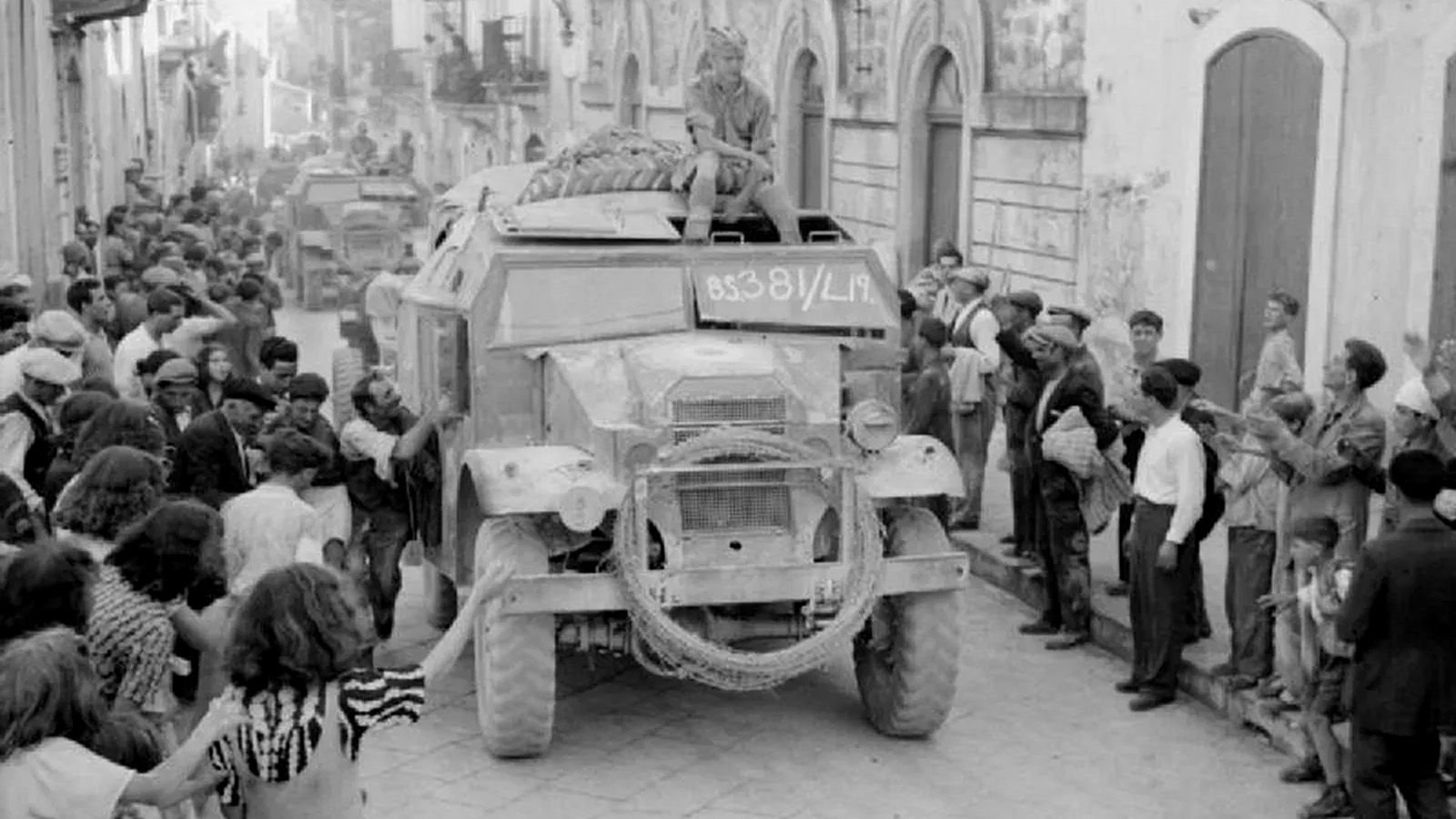
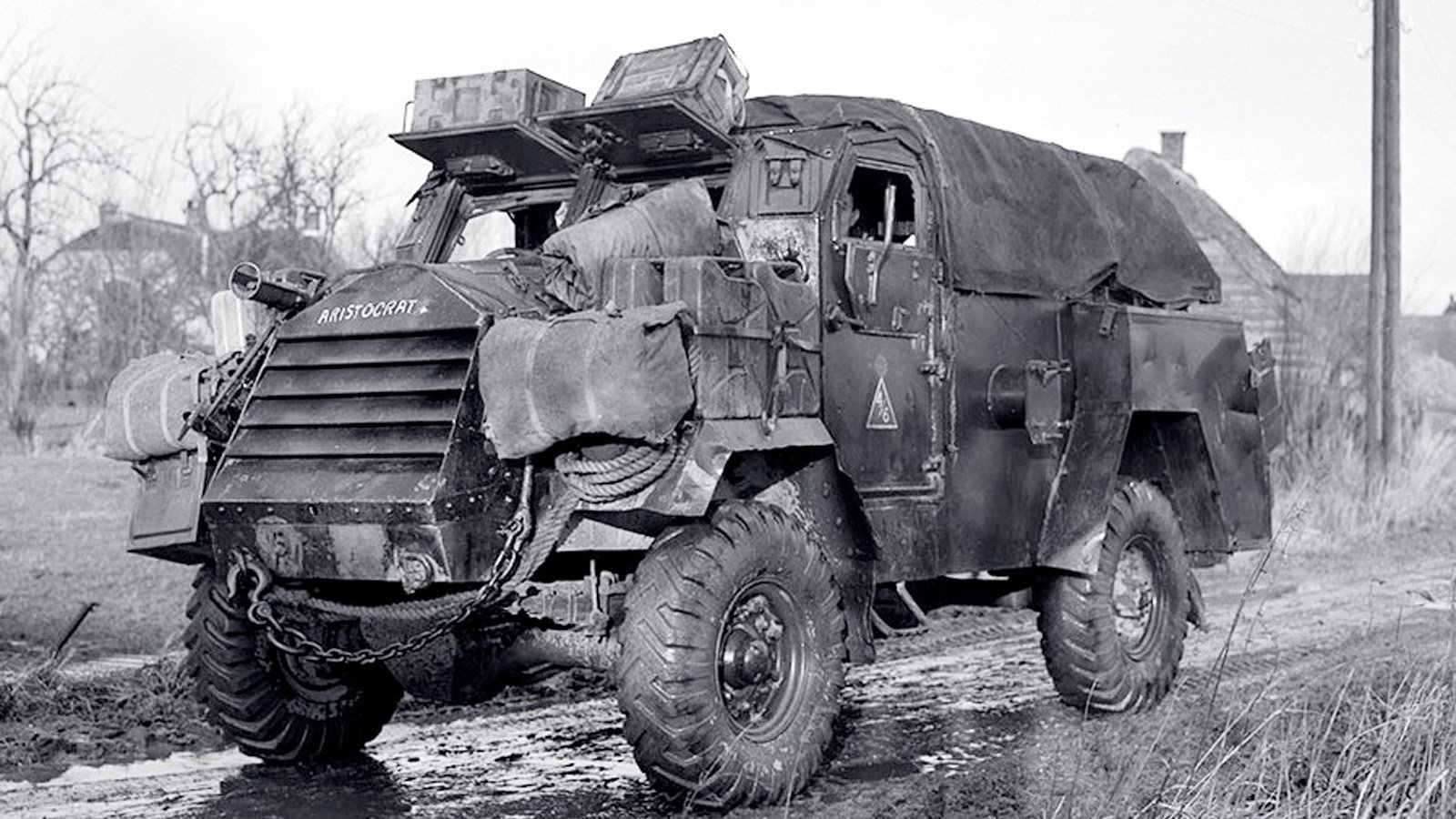
The CMP was not relegated to the rear and many trucks saw frontline action. This up-armored version dubbed 'Aristocrat' was photographed in Nijmegen, Netherlands, on December 5, 1944—a PIAT, British anti-tank weapon can be seen protruding over the front hood. For a concise explanation of the CMP platform differences, check out this short video from the Ontario Regiment RCAC Museum in Oshawa, Canada.
>>Join the conversation about the Canadian military pattern truck right here in the forum.
For help with your maintenance and repair projects, please visit our how-to section of Ford-trucks.com.