According to this test pitting the Ford F-150 Lightning against the Rivian R1T.
Leaving You Stranded?
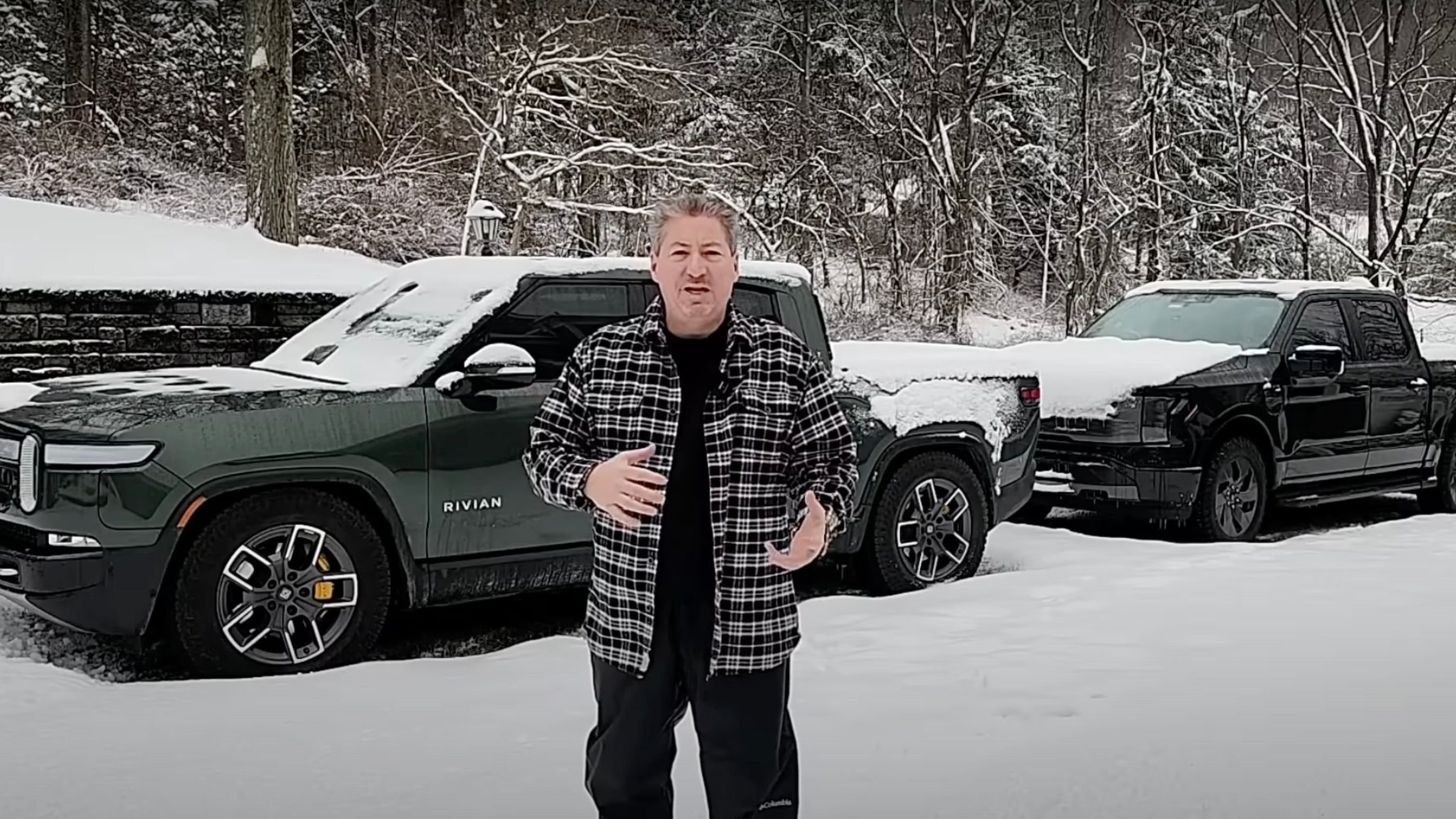
By now, the Ford F-150 Lightning has been subjected to pretty much every kind of test one can imagine, whether that be regular range testing, towing, off-roading, phantom drain, charging, and even cold weather tests. However, wintertime and the prospects of getting stuck in a traffic nightmare in the middle of a snowstorm had many claiming that EVs could leave you stranded - and worse, perhaps even frozen - when they run out of charge. Thus, Tom Moloughney of the State of Charge YouTube channel recently set out to see if that's possible by testing both the F-150 Lightning and Rivian R1T.
Baseline
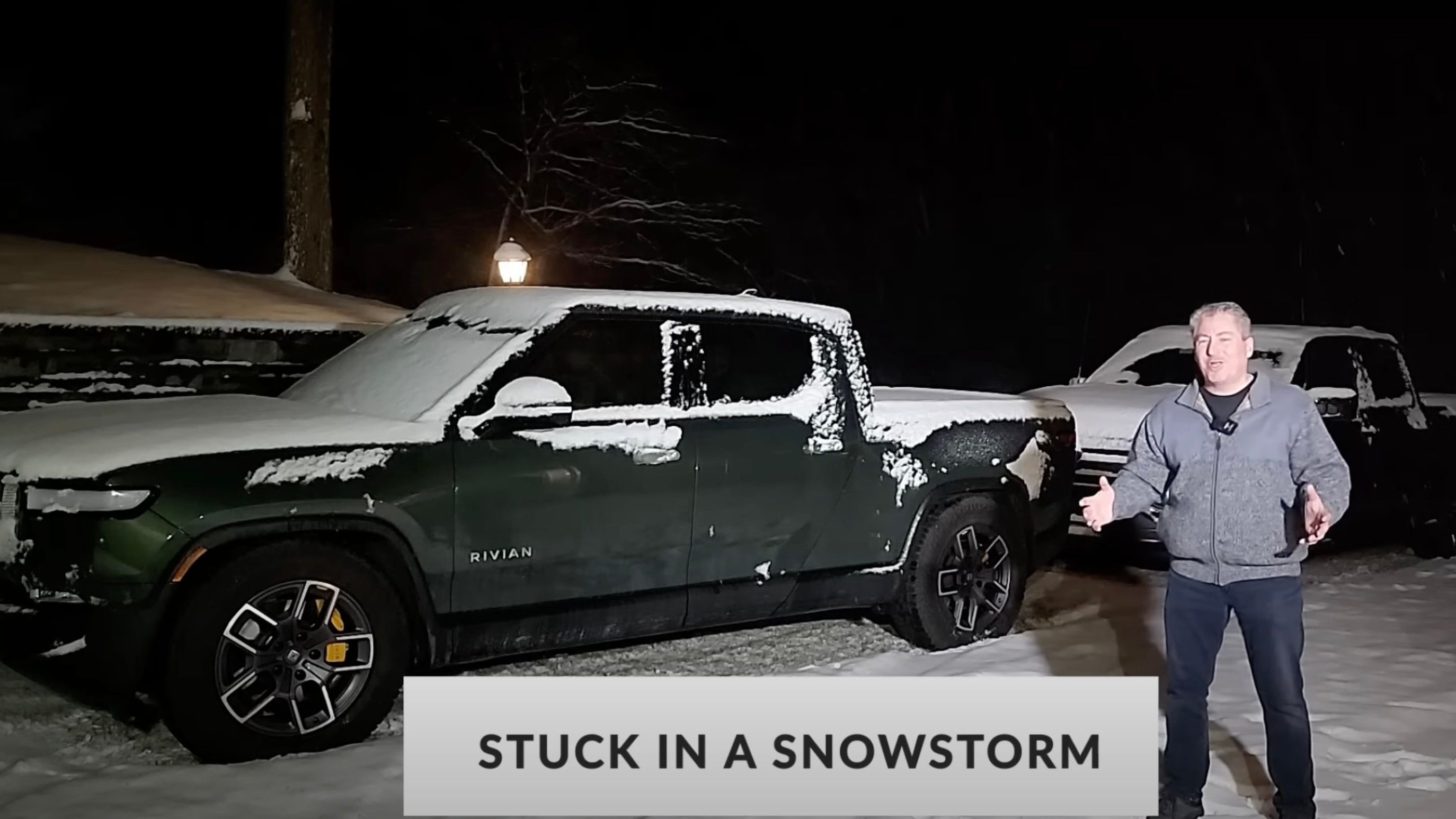
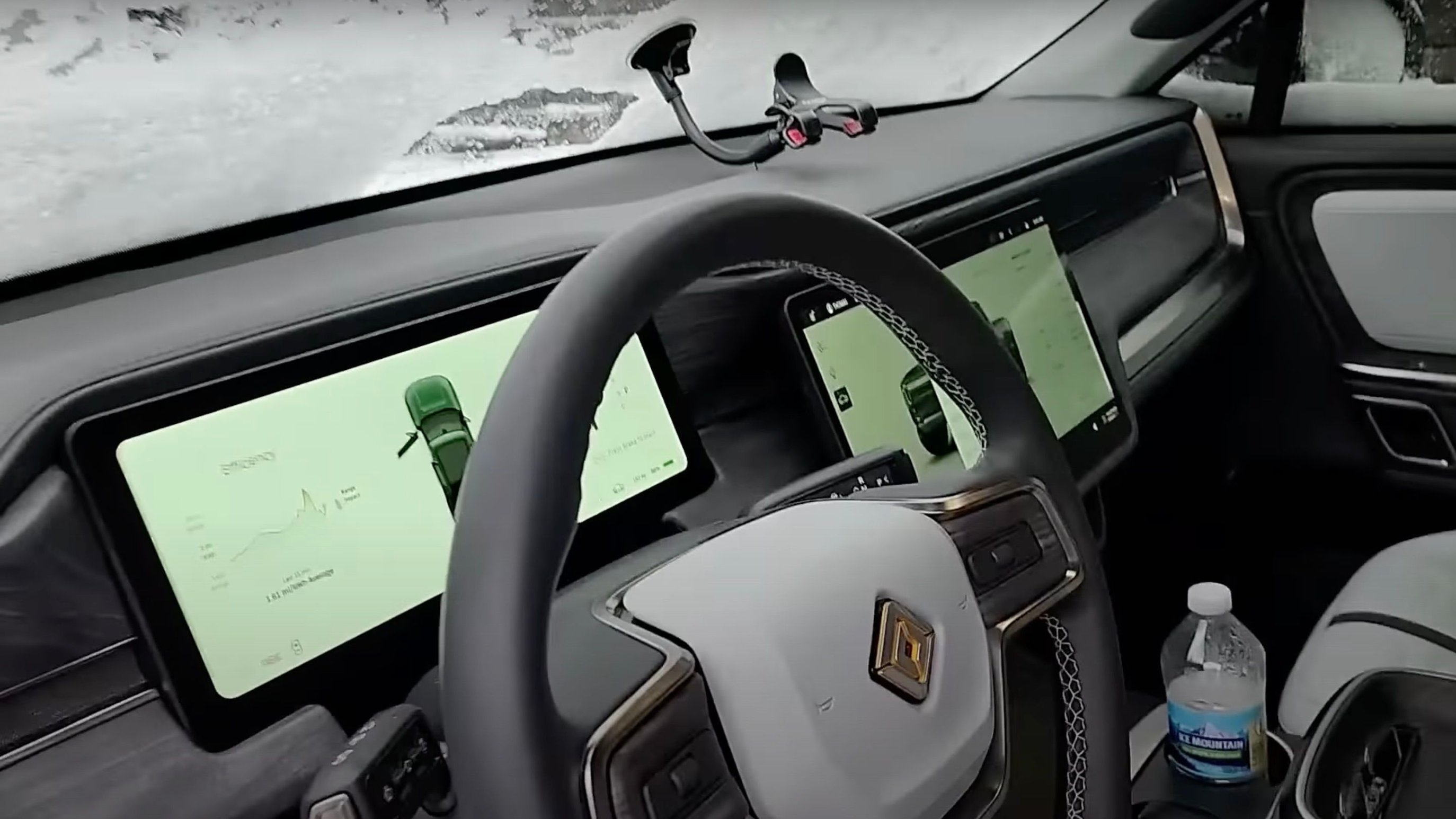
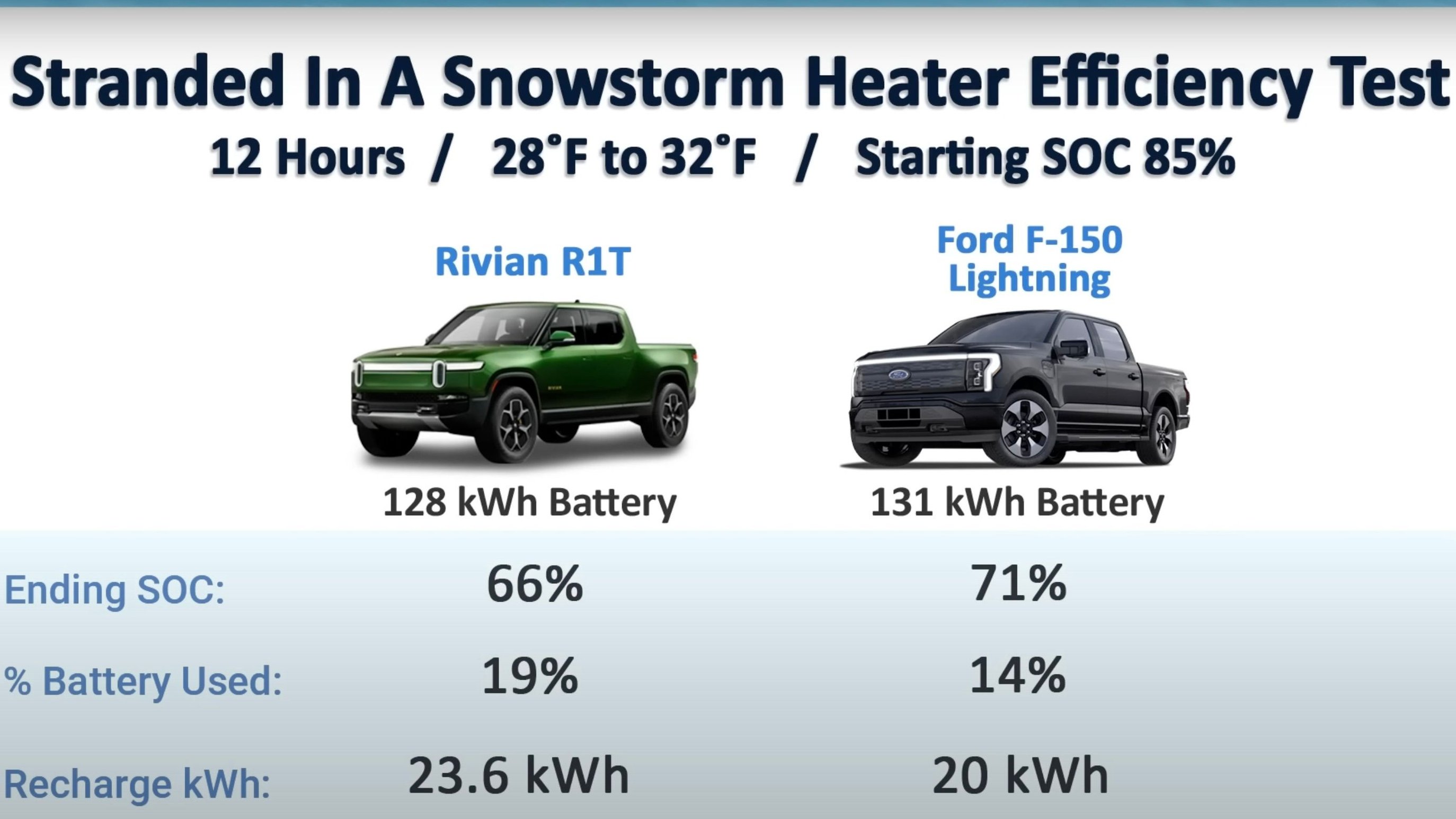
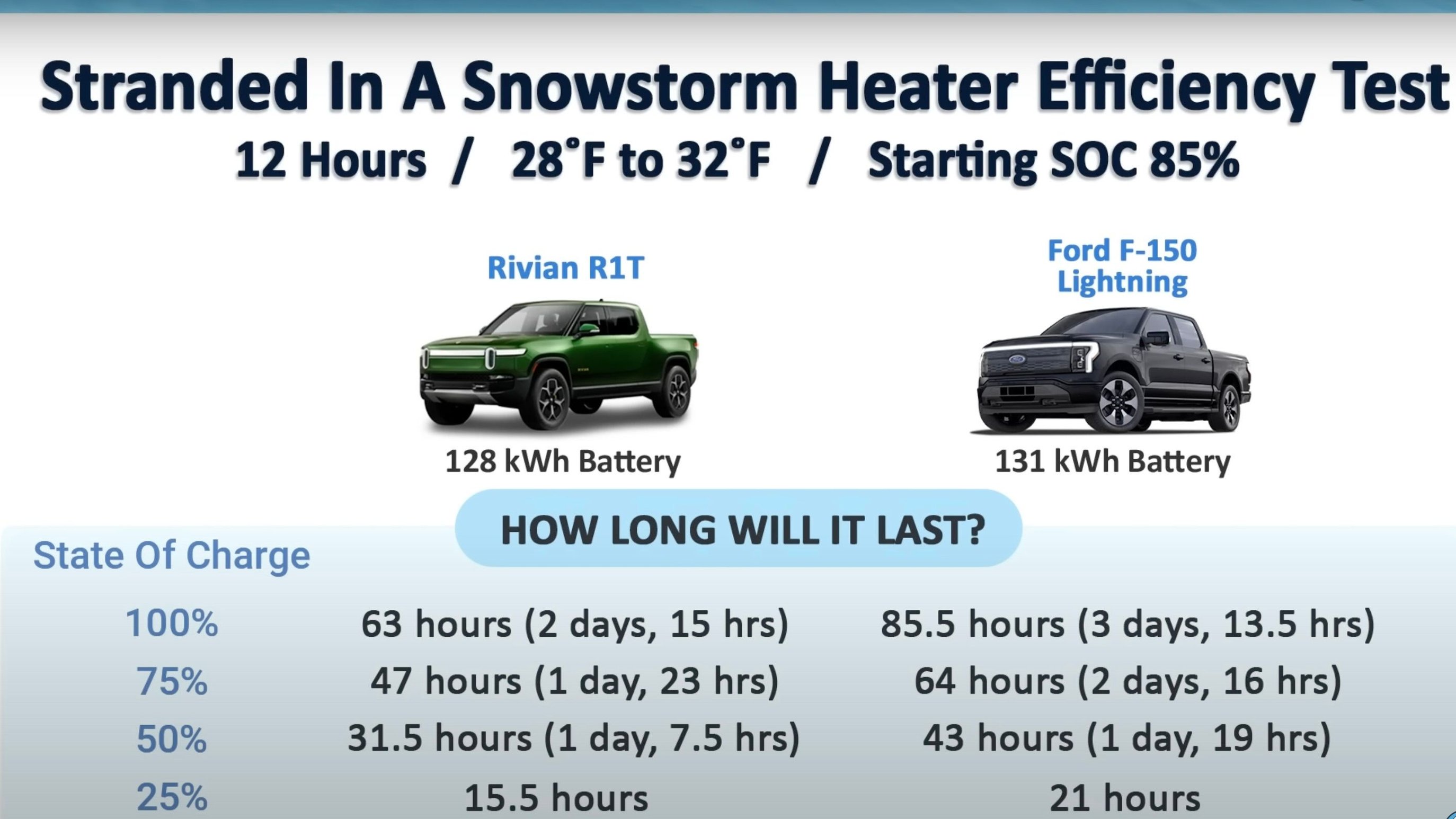
For this particular test, Moloughney parked both EV pickups in his driveway on a night when it was quite cold and snowy, which is about as close as one can get to being stuck in a snowstorm-induced traffic backup. Both trucks had an 85 percent state of charge when the test began, each with the heat set at 65 degrees.
12 Hour Test
The test was set to last for 12 hours, which is obviously far longer than anyone would want to sit in their vehicle while going precisely nowhere - a nightmare traffic scenario, indeed. Moloughney checked in on both the R1T and Lightning at the halfway mark, however, and made a rather startling discovery.
Impressive Results
The R1T still had a robust 76 percent state of charge left, with the F-150 Lightning beating it slightly as it sat at 78 percent - impressive given the fact that both were left "running" for six hours. That gap widened as the test went on, too.
Low Consumption
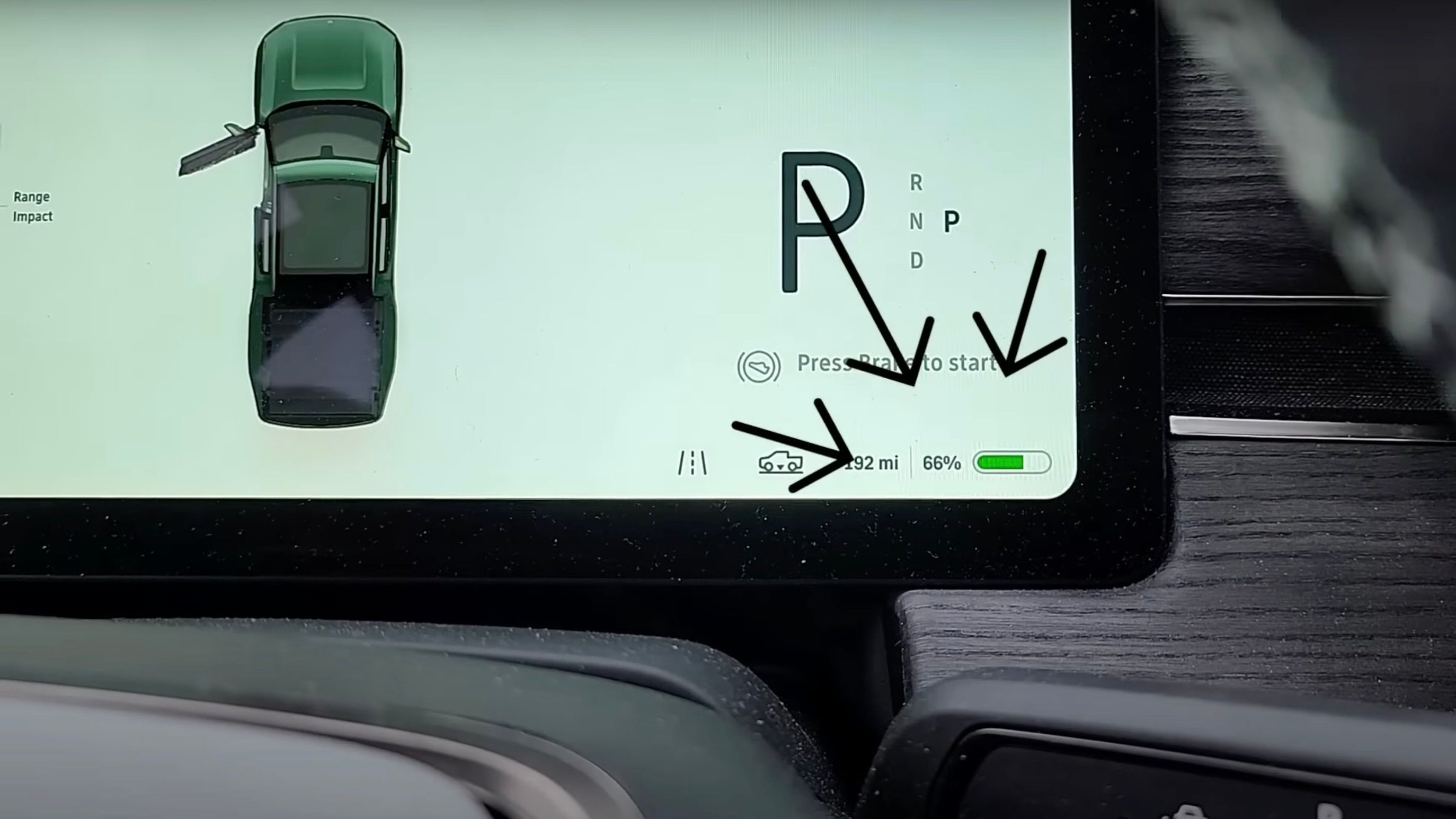
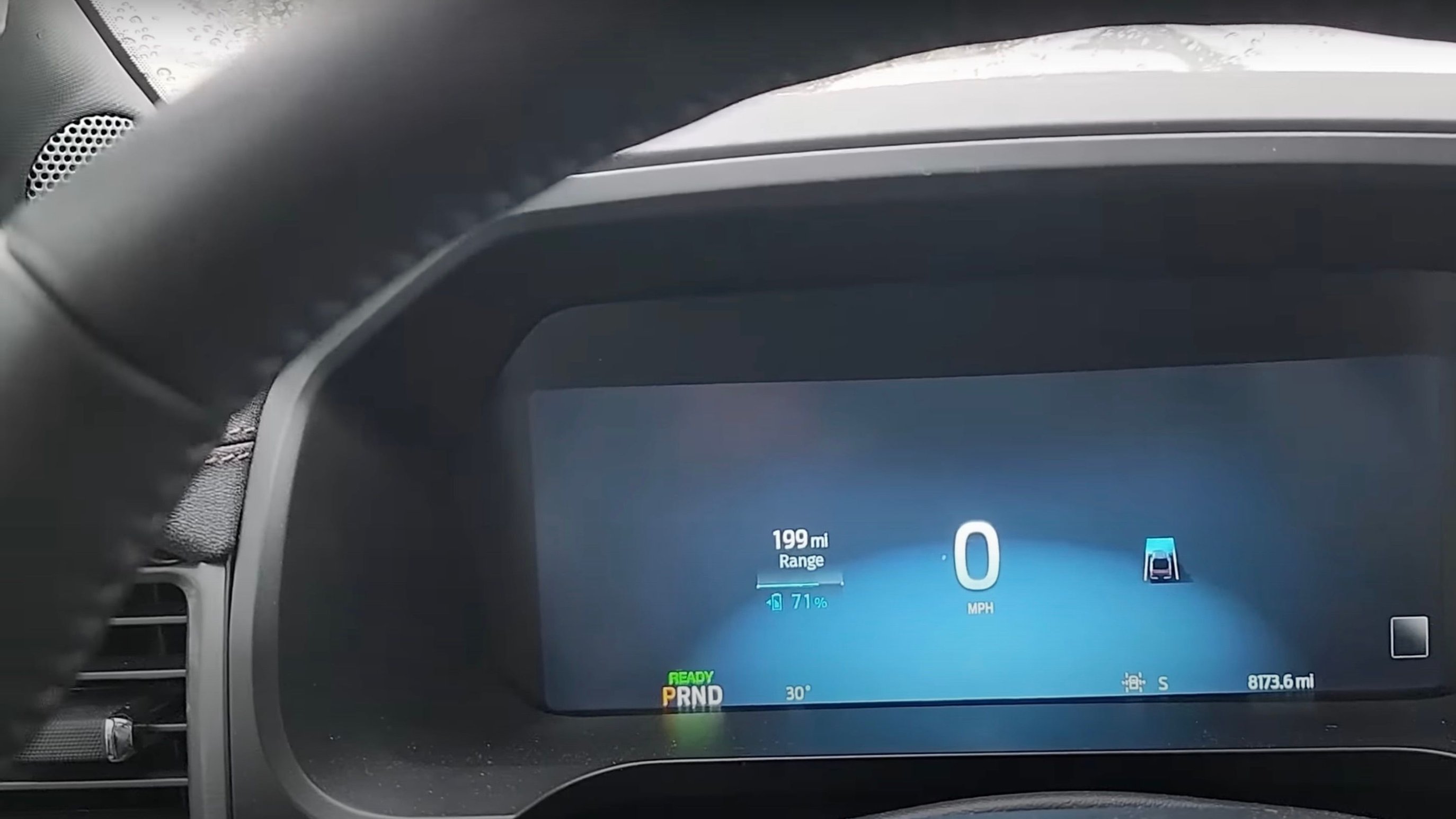
When the full 12 hours had passed, the F-150 Lightning still had a healthy 71 percent charge left in its battery pack, while the R1T was sitting at 66 percent. All said, the Rivian consumed 23.6-kilowatt hours of energy, compared to 20 kWh for the Ford EV pickup.
One Caveat
Clearly, both trucks are more than capable of waiting out a snowstorm-induced traffic event - or any other sort of backup - as most wouldn't last this long. Of course, there are some caveats here, including the fact that some EV owners may not leave the house with an 85 percent charge, though there's really no reason not to, so long as they can charge at home.
Preparation
What this test does prove is that EVs are more than capable of riding out a traffic jam when they have enough charge, even in the dead of winter. But ultimately, whether you drive an EV or ICE vehicle, preparing for the worst is always a good idea, particularly in colder climates.
>>Join the conversation about the F-150 Lightning right here in the forum.
For help with your maintenance and repair projects, please visit our how-to section of Ford-trucks.com.