
Fastest Ford Rangers? They’re built in Africa
Daily Slideshow: Ford’s Ranger is hugely popular in the southern hemisphere. Here is one which runs pony power for peak performance.



That can't be a Ranger Raptor, can it?
Ford doesn’t build a factory Ranger truck with a V8 engine, but that doesn’t mean some innovative enthusiast haven’t thought of fabricating one. Deep down, at the tip of Africa, about an hour north of Cape Town, you’ll find the RTR (road to race) workshop.
RTR are the kind of people who have realized that some Ranger owners would like to turn their compact trucks into overpowered F-150 Raptor clones. Although Ford will soon offer a Ranger Raptor in certain markets (unconfirmed for the U.S.), that truck is diesel powered. Which simply won’t do, for those blue oval enthusiasts who believe that a Ford performance truck must feature a bent eight and burn gas.
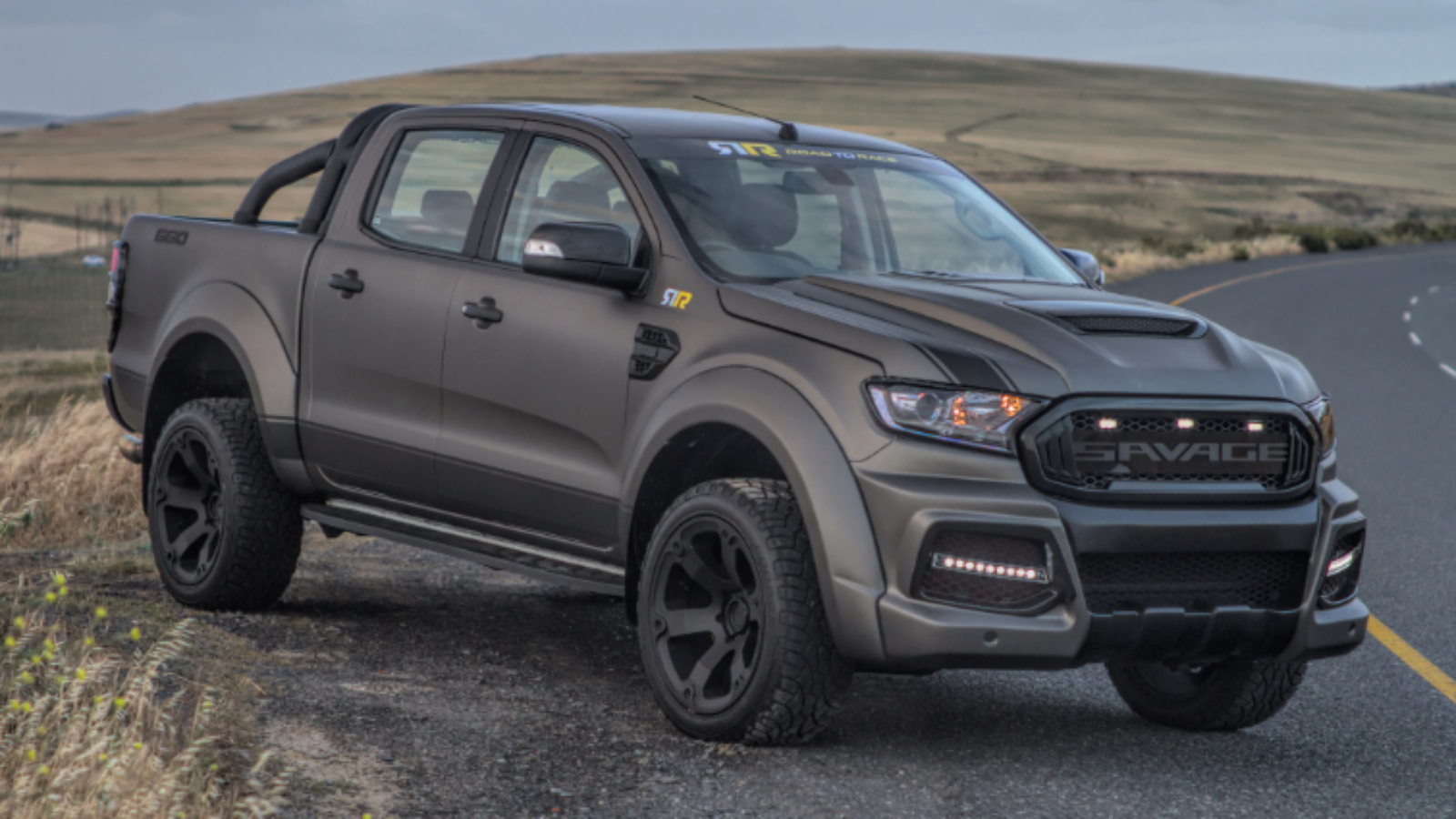
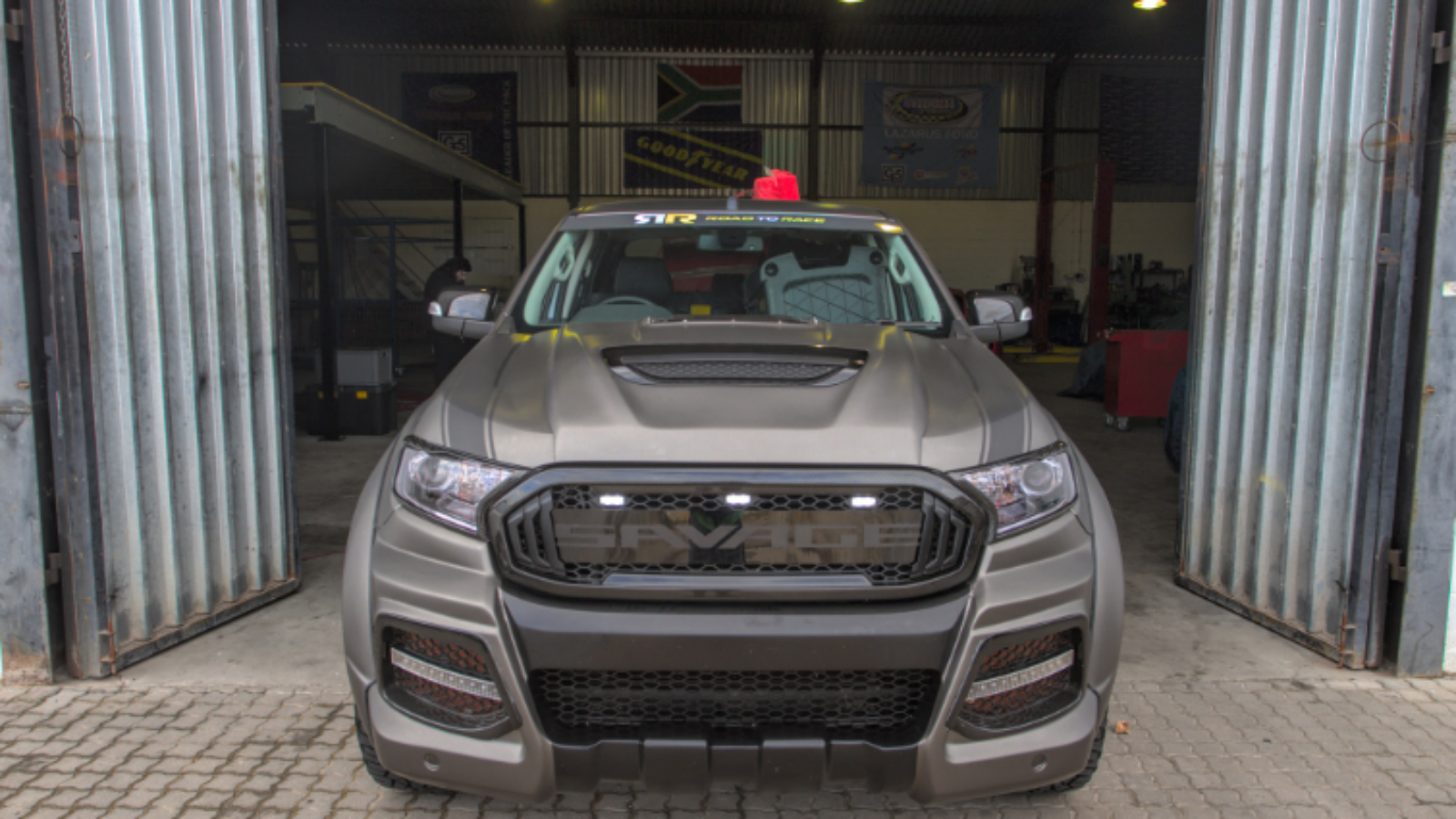
Says Savage on the grille, because it is
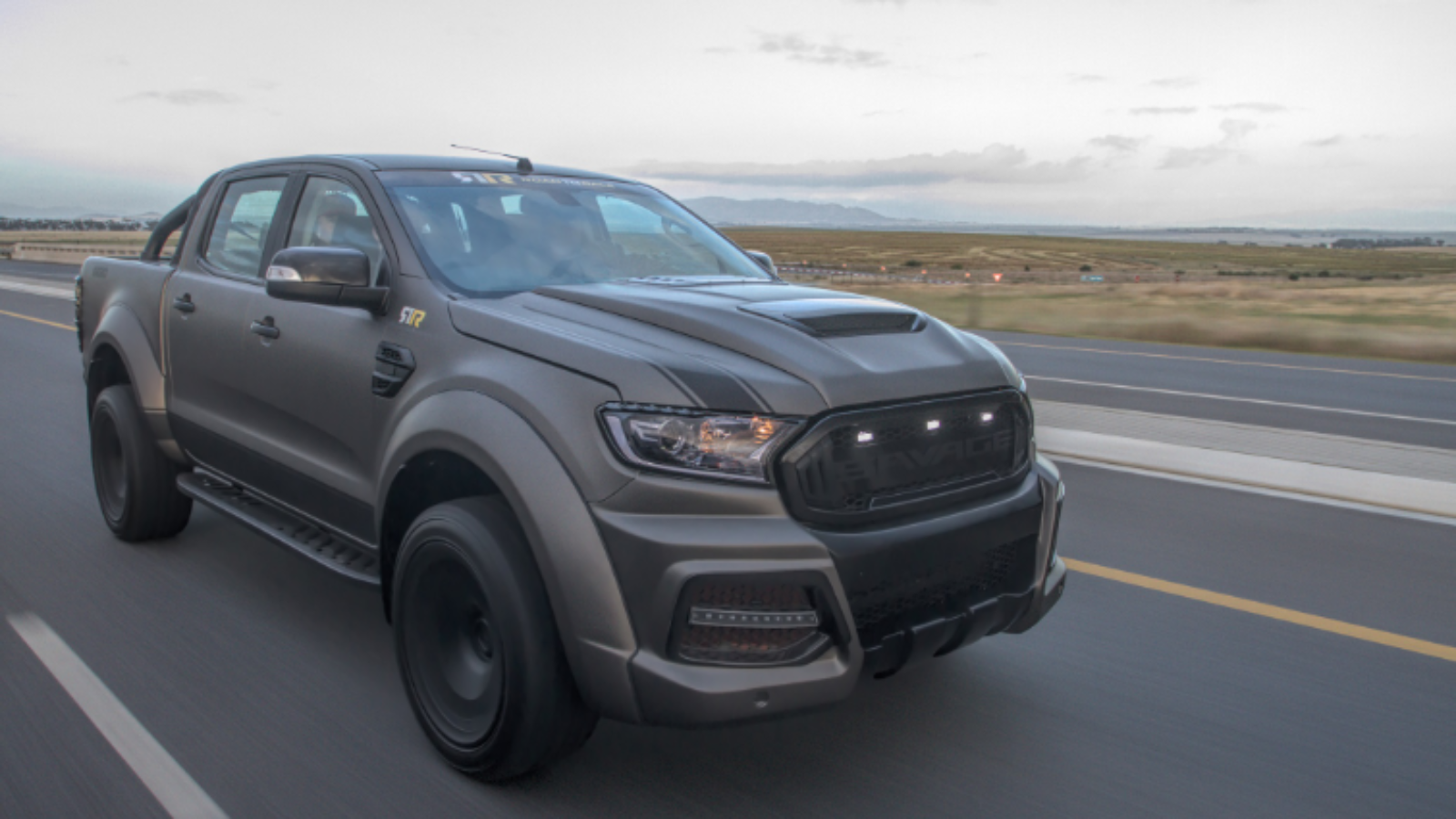
The RTR 660 isn’t a subtle offering. The widened arches, reshaped hood, grille and font bumper all signal this is a truck with serious intent. Its stance is lower and squatter than a factory Ranger, too, thanks to Fox off-road racing suspension, and those 20-inch alloy wheels distinguish it as a truck built for quarter-mile runs instead of transporting horse feed.
That hood scoop isn't for show either; it feeds a very necessary additional volume of cooling airflow into the engine bay, which is quite a bit more crowded than what you’d encounter of one of those new 2.3-litre EcoBoost Ranger trucks being produced for their imminent reintroduction to the American market.
>>Join the conversation about Ford Rangers built in African right here in Ford-trucks.com.
Pony Power does the trick, nicely
Powering this ultimate Ford Ranger is a Mustang engine. It’s the 5-liter quad-cam motor, with RTR adding a supercharger to boost power. And the peak output is cryptically linked to this truck’s name: 660, which is the net horsepower rating. It’s a big number and all those horses are channeled to the rear wheels only, via a six-speed manual gearbox.
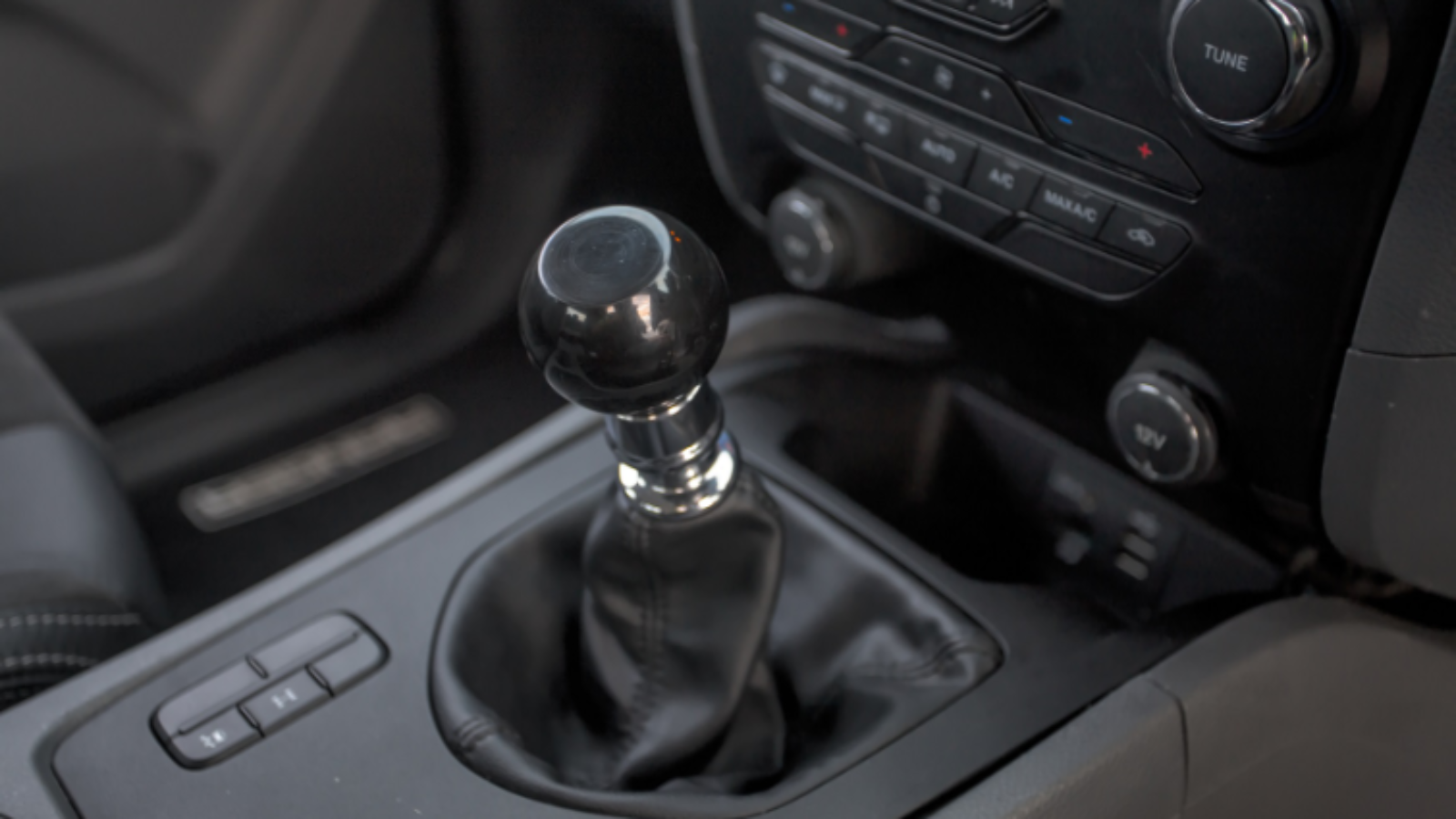
Yes, that’s correct, you control the margin of wheelspin with this RTR 660 truck, there’s no automatic transmission to mitigate mistakes. The only gearbox RTR could source which was appropriately overengineered for the task of coping with a supercharged 5-liter V8, was from Tremec, the Michigan based drivetrain specialist.
>>Join the conversation about Ford Rangers built in African right here in Ford-trucks.com.
Forget four on the floor, here you have six
It looks menacing and the engine specification certainly isn’t tame, but just how quick is this Mustang-powered Ford truck? RTR claims that if you are sufficiently skilled with a manual shifter and find a road surface of appropriate quality, the 660 will run 0-60mph in 4.8 seconds. That’s quicker than Ford’s very own F-150 Raptor.
What makes RTR’s performance even more compelling, is that with the manual gearbox, you are involuntarily a part of managing the drama – rewarding the skillful driver. A manual gearbox also provides the opportunity to run engine speeds deep into the rev-range with each gear, reveling in the purposeful soundtrack provided by that blown V8.
>>Join the conversation about Ford Rangers built in African right here in Ford-trucks.com.
Build with purpose, a very long way from Dearborn
Ford performance motoring is synonymous with V8 engines and RTR knew that transplanting a Mustang V8 into Dearborn’s smallest truck would deliver a hugely entertaining experience. The biggest Ford’s engineers ever intended for the Ranger is a 3.2-litre inline five.
Packaging the 5-liter V8, and its associated supercharging and cooling components, was a substantial technical challenge for the South African crew at RTR. They’ve managed to do it skillfully and the truck runs perfectly as a daily driver. Sounds phenomenal, too, as that engine fitment required a custom crafted exhaust solution, which also adds to acoustics.
>>Join the conversation about Ford Rangers built in African right here in Ford-trucks.com.
For help with your maintenance and repair projects, please visit our How-to section in the forum.