
Building a Top Level Trophy Truck
Daily Slideshow: Badass trucks or engineering masterpieces? How about both.


Know the Battlefield
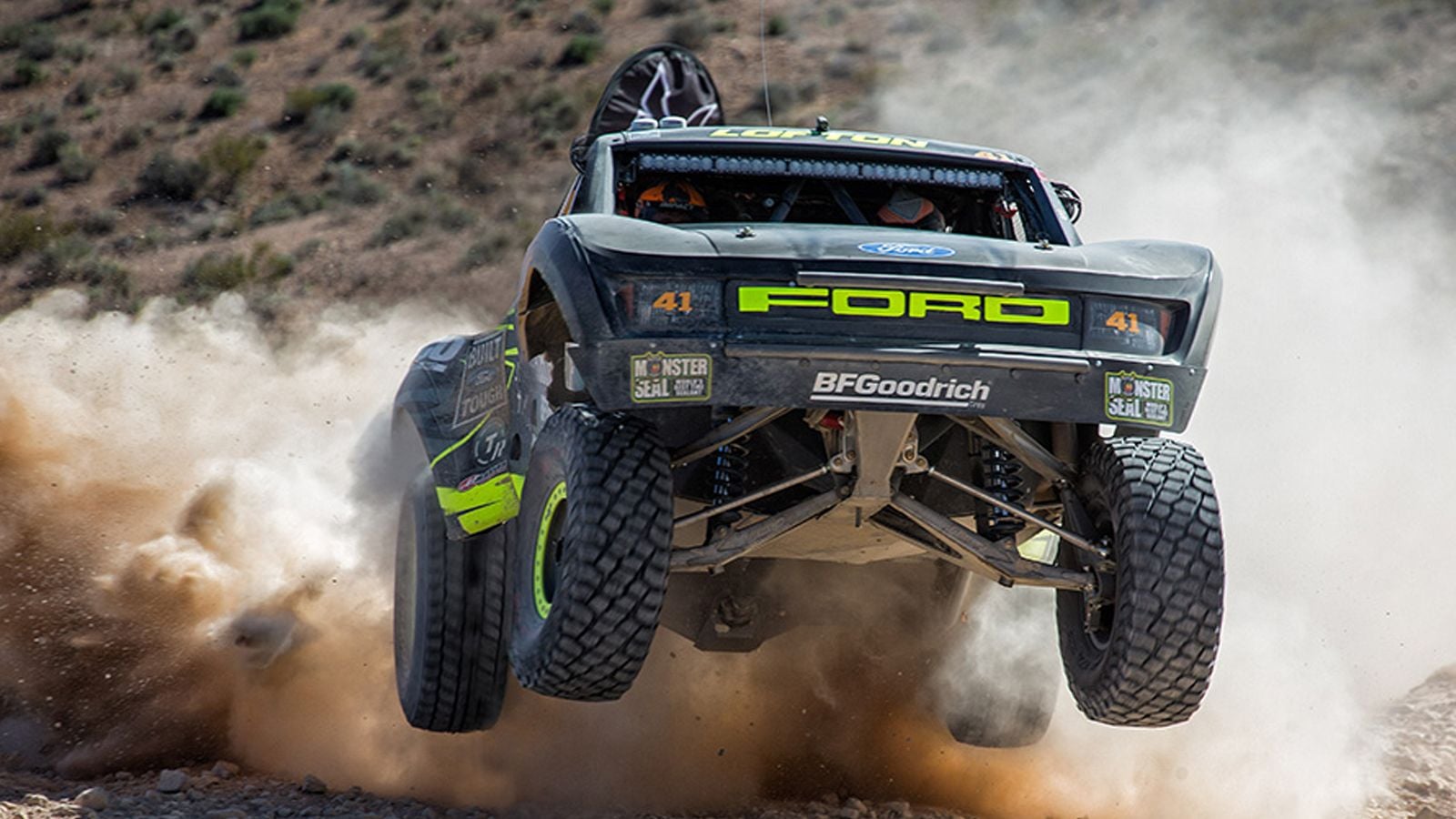
When it comes to serious performance and desert racing, Justin Lofton is no stranger to doing what it takes to win. Knowing your race distance will determine how long you need an engine to last and this race is grueling. There’s almost no way to describe the loading that is put on a crankshaft and its respective components during 1,000 miles of Baja. A reliably powerful engine is exactly what you need. Billet crankshafts and high-performance materials are the norm with companies like Rousch Yates using the small block ford as their weapon of choice.
Suspension Travel
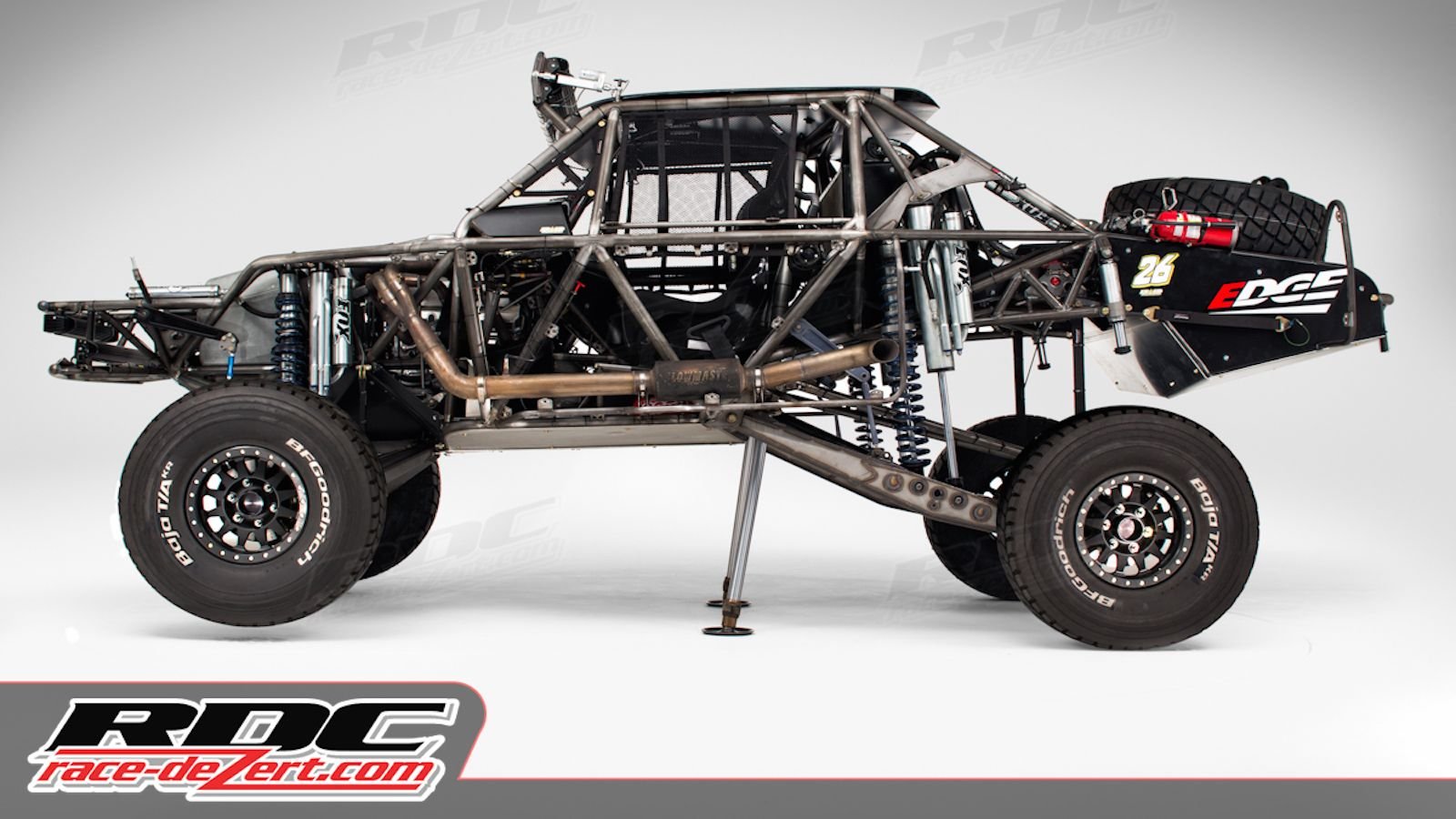
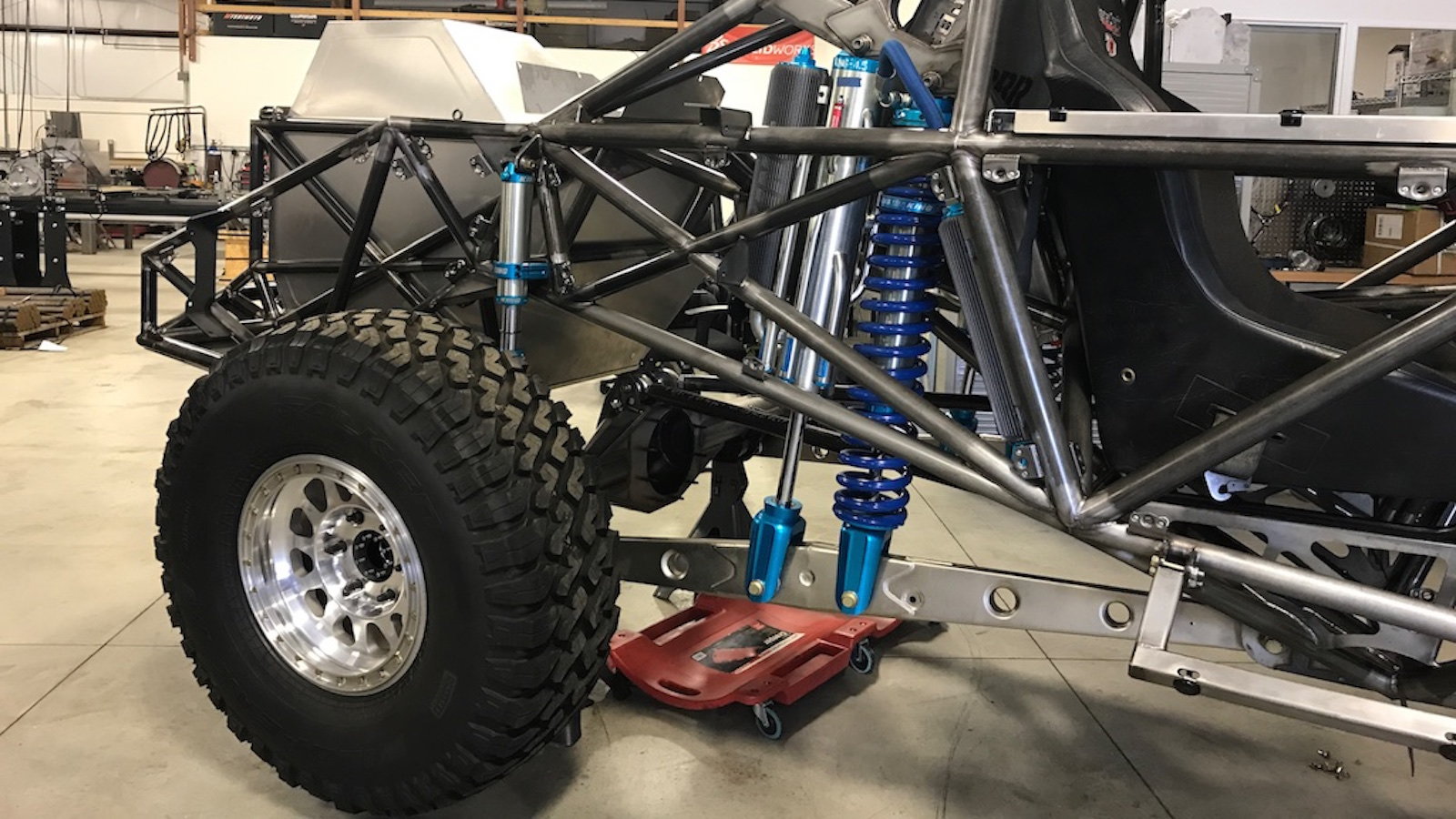
26 inches of suspension travel up front and 33 inches in the rear are part of the secret to these cars rapid ability to tear across the most formidable terrain. For reference, a 2017 Raptor has up to 13.9 inches which makes it incredibly capable in its own right. This enables them to slam through whoop sections at triple digits like it’s just another day in the desert. Everything is about keeping traction over the worst obstacles imaginable.
>>Join the conversation about building a top-level Trophy Truck right here in Ford-trucks.com.
Transmission & Chassis
Keeping everything together over long distances requires every component to be reliable in handling the huge amounts of torque that get multiplied as power is transmitted to the wheels. With some truck producing close to 900 horses and a torque figure that almost matches it, you need gears that won’t rip themselves to pieces as you go wide open throttle for hours on end. Kroyer TH400s are the go-to for many competitors, but that doesn’t mean there isn’t any competition. Robby Gordon has knocked down countless wins with a sequential transmission that utilizes 6 forward gears. Desert racing will likely go cutting edge at some point in time as all forms of racing have.
>>Join the conversation about building a top-level Trophy Truck right here in Ford-trucks.com.
Expect the Unexpected
One of the most incredible aspects of Trophy Truck builds is the lack of power transmitted to the front wheels. These vehicles are predominantly rear wheel drive with solid axles and 3 or 4 link rear end, but that doesn’t mean they’re light. These heavyweights often tip the scales around 5,500lbs which isn’t actually a bad thing. Mass helps plant a vehicle into the earth which can help traction in certain situations by keeping the car stable at speed. It’s a fine balance between strength and weight, but Trophy Trucks prove you can do it with 2WD and intricate knowledge of how to build suspension systems.
>>Join the conversation about building a top-level Trophy Truck right here in Ford-trucks.com.
King of the Hill
With big jumps come big responsibilities. King Shocks have more race wins than there are dust particles in the desert and can often be seen on the top trucks in the world. These undergo stringent testing from the factory of up to 300psi of internal pressure testing. Forces generating inside of a shock from constant compression and rebound are tremendous. The average shock would simply blow from the abuse. Internal pistons and shim stacks can be trimmed and customized for each driver and teams setup. This process is called valving and is the secret behind these trucks success over almost anything else. Without these, you’re stuck in the sand.
>>Join the conversation about building a top-level Trophy Truck right here in Ford-trucks.com.
Technological Marvels
Trophy Trucks are way more than a factory vehicle that has been adapted to go off-road racing, they’re works of art. Some of the highest quality engineering pieces go into making these machines work to tackle obstacles that can seem more rooted in myth than reality. They’re beasts that are built to do one thing: finish the toughest races in the world. Hope you enjoyed reading.
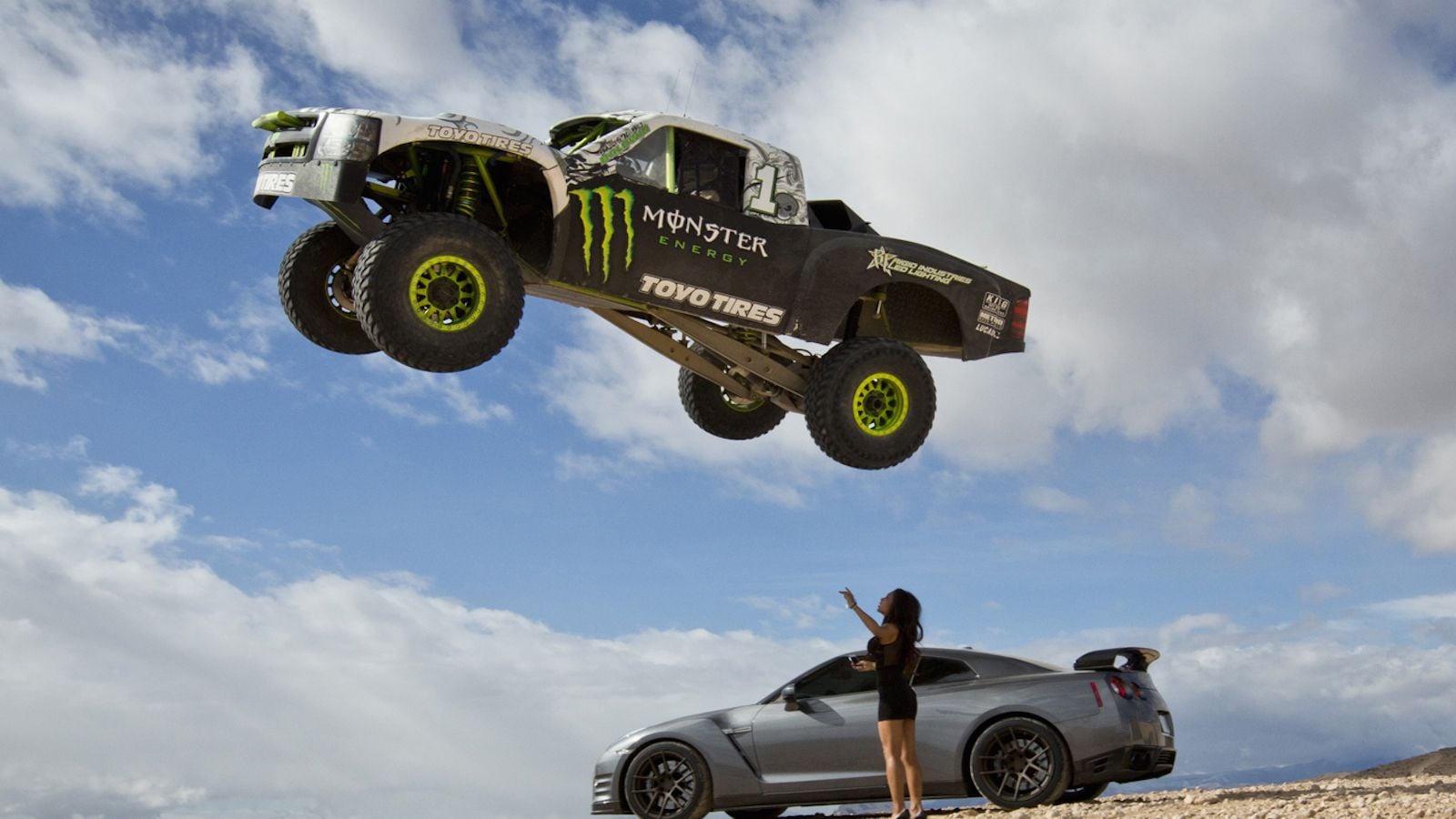
image courtesy of monster.com
>>Join the conversation about building a top-level Trophy Truck right here in Ford-trucks.com.
For help with your maintenance and repair projects, please visit our How-to section in the forum.