
8 Craziest Ford Concepts Over the Years
Ford has a long history of creating wild concept cars, some of which pushed the limits of design and technology to the extreme.


Intro
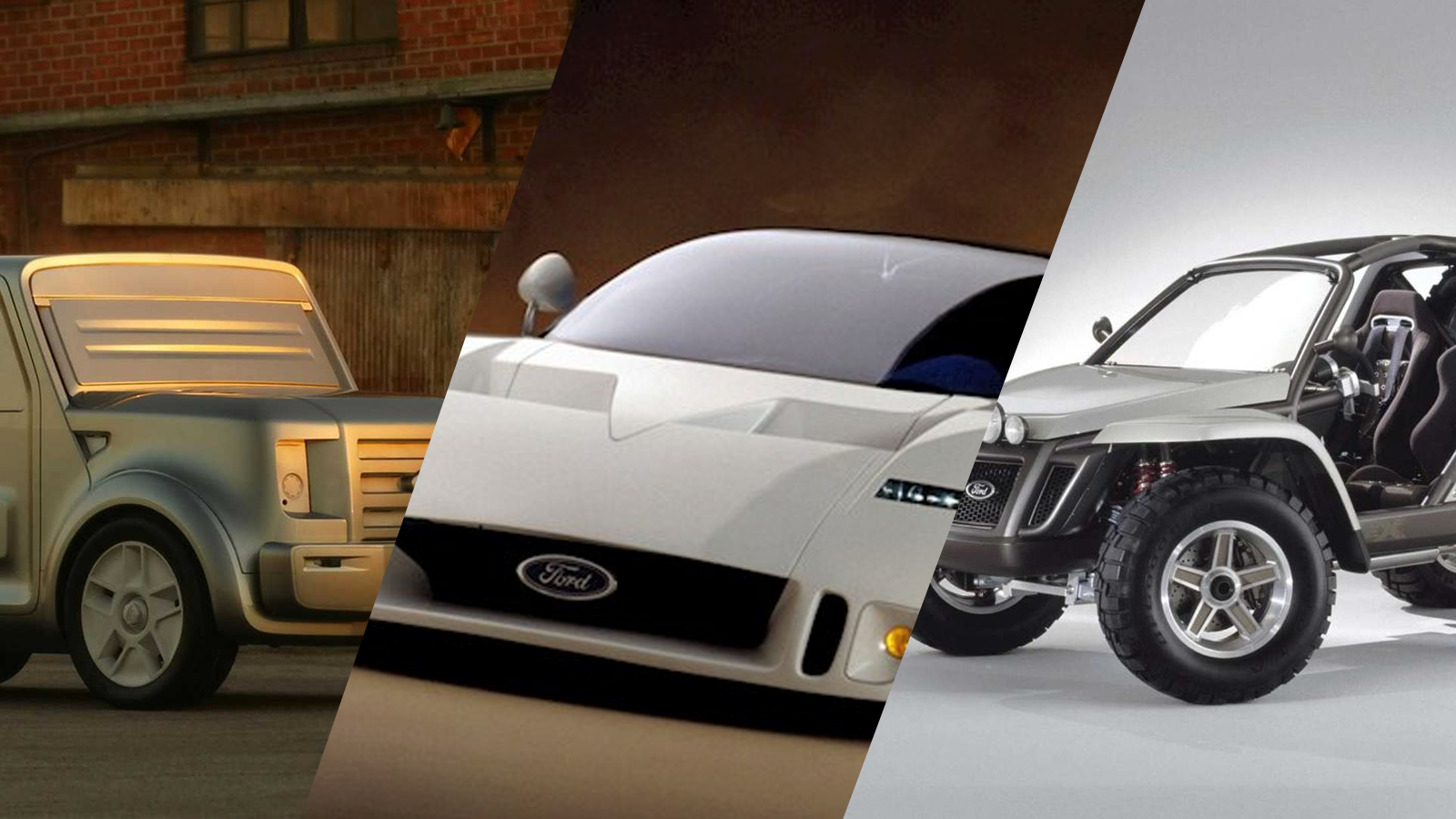
Throughout its history, Ford has produced some of the most daring and unconventional concept cars, pushing the boundaries of design, technology, and performance. These prototypes often served as testbeds for radical ideas, from futuristic city vehicles to high-performance supercars and extreme off-road machines. While most never made it to production, they offered glimpses into Ford’s evolving vision of mobility, sometimes decades ahead of their time. Here are eight of the wildest Ford concept cars ever created—each one a bold experiment in what could have been.
2000 Ford 24.7 Truck
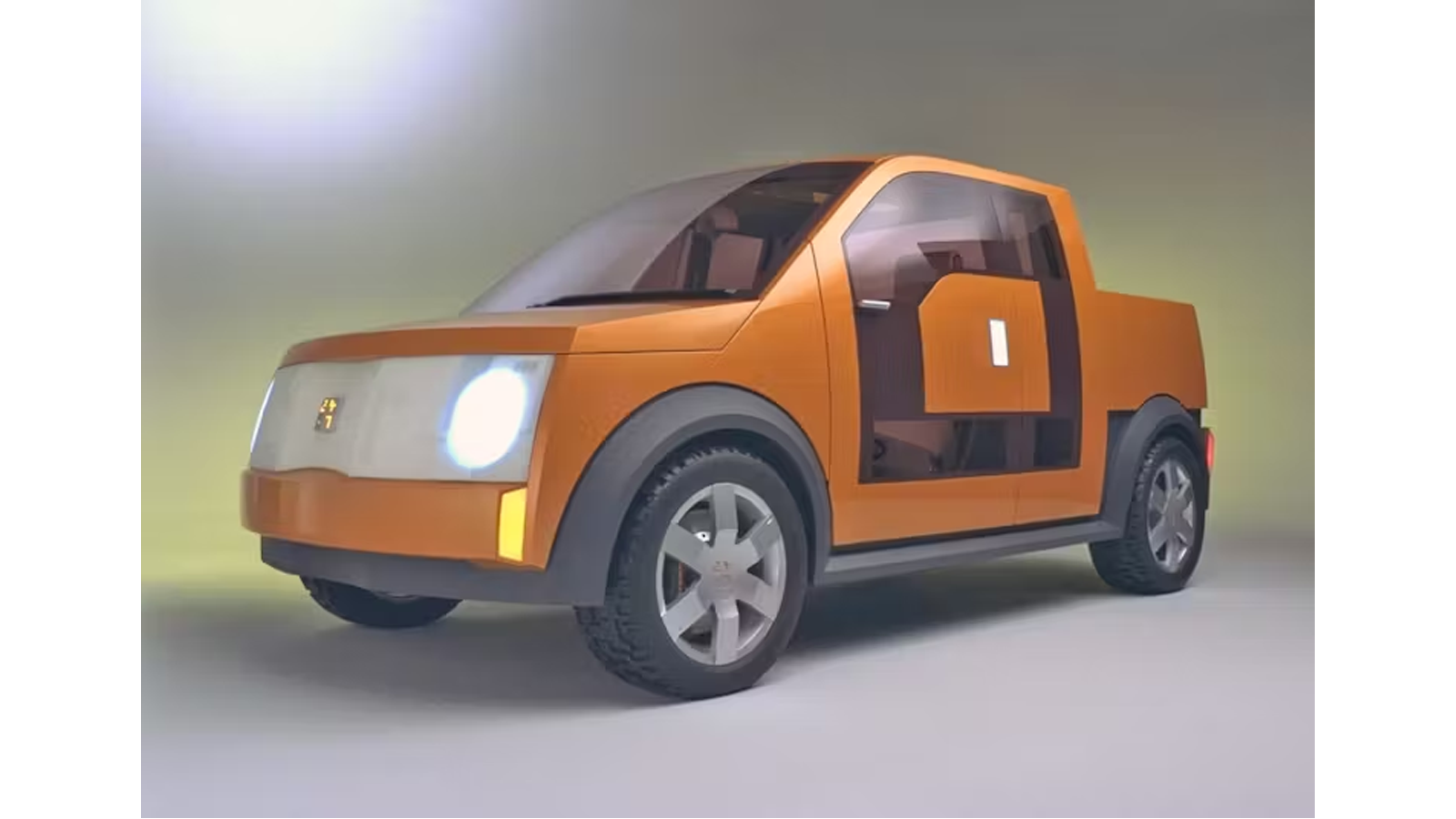
Long before tech companies started chasing autonomous vehicles, Ford envisioned a future where software and connectivity were central to vehicle design. The 24.7 concept truck, part of a trio of futuristic prototypes, showcased a tech-first approach at the height of the dot-com boom. Its compact, urban-friendly proportions might have made it a serious contender against today’s unconventional designs, like the Tesla Cybertruck. Unfortunately, Ford never took the idea further, leaving the 24.7 as a fascinating but forgotten glimpse into a world of hyper-connected vehicles.
1992 Bronco Boss
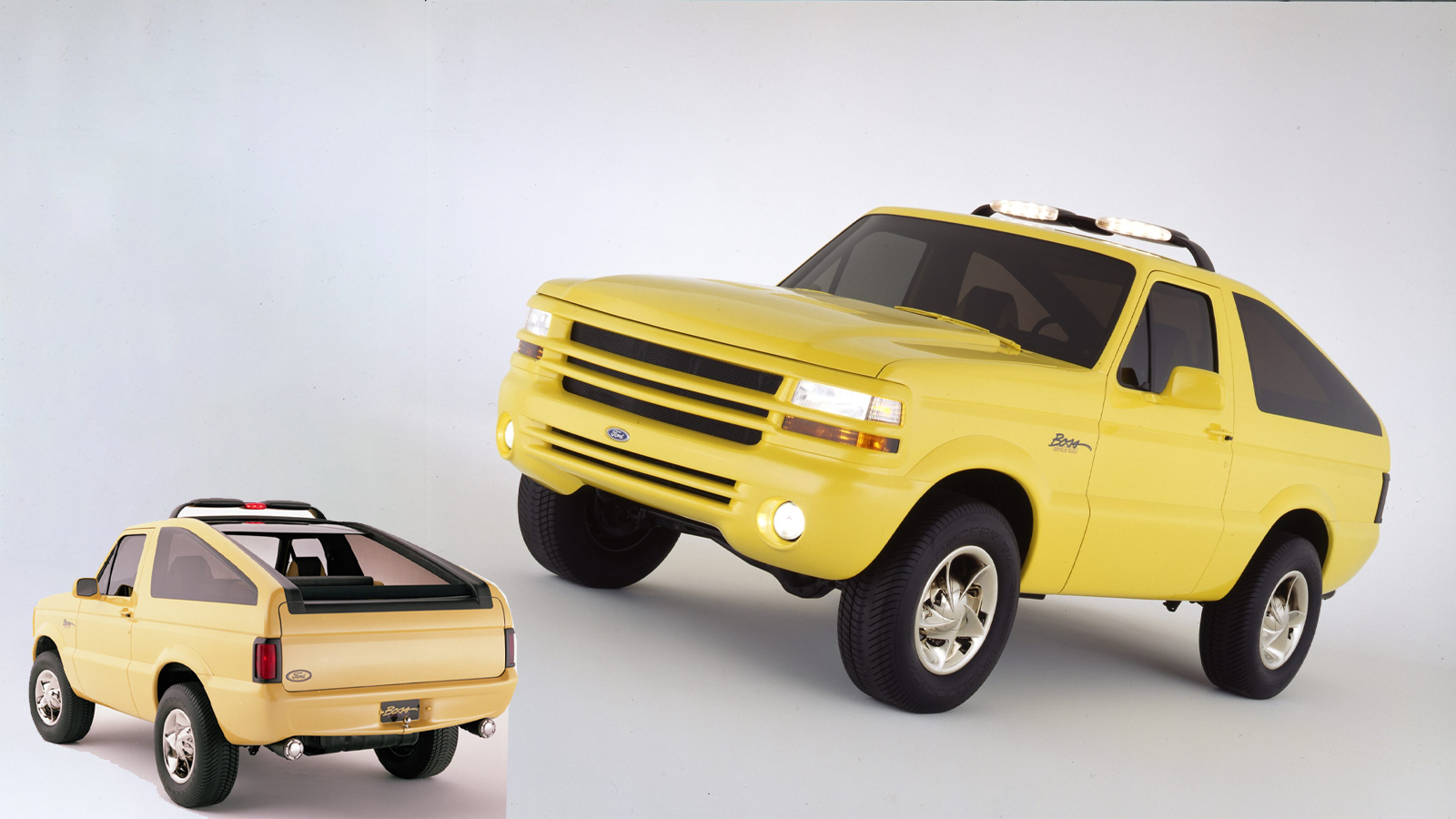
While not as well-known as the original 1969 Bronco Boss, the 1992 concept was a bold reinvention of Ford’s legendary off-roader. With a striking “Lone Star” yellow paint job, chrome-accented wheels, and a fixed hardtop with a retractable roof, it had all the makings of a showstopper. The removable side glass added a touch of open-air versatility, but the absence of a fully removable top likely contributed to a stiffer chassis. The Bronco Boss could have been a stylish performance SUV, but Ford’s shifting priorities and the growing popularity of the Explorer sealed its fate.
1962 Ford Seattle-ite XXI
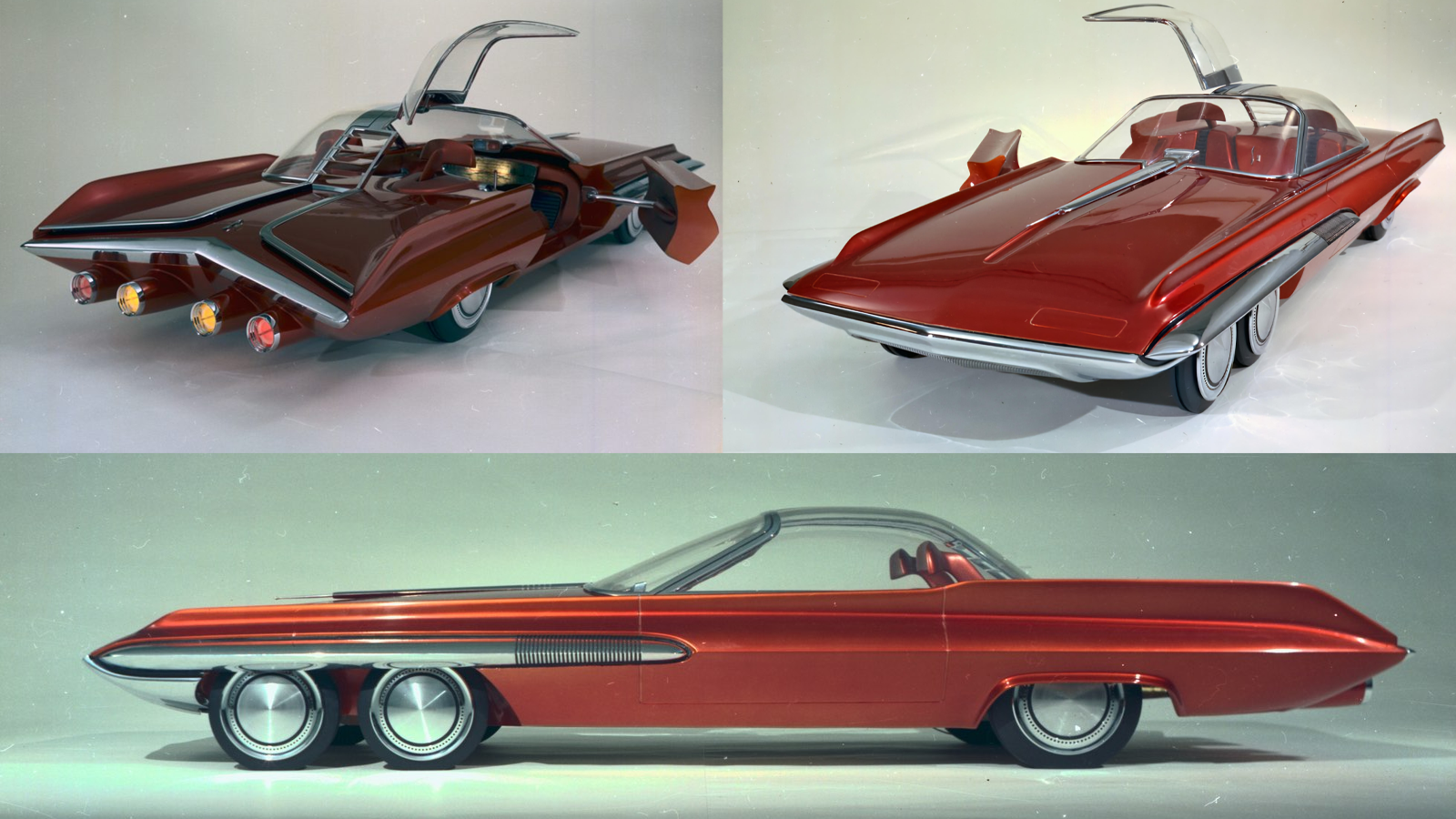
Designed for the 1962 Seattle World’s Fair, the Seattle-ite XXI was a 3/8-scale concept that embodied futuristic thinking. It featured tandem-mounted front wheels, variable-density glass, and a “power capsule” that could be swapped for different propulsion units. Ford’s Vice President of Design, Gene Bordinat, envisioned it as a modular vehicle, where styling and functionality could evolve independently. Despite its forward-thinking approach, the Seattle-ite remained a conceptual exercise, never making it beyond the model stage.
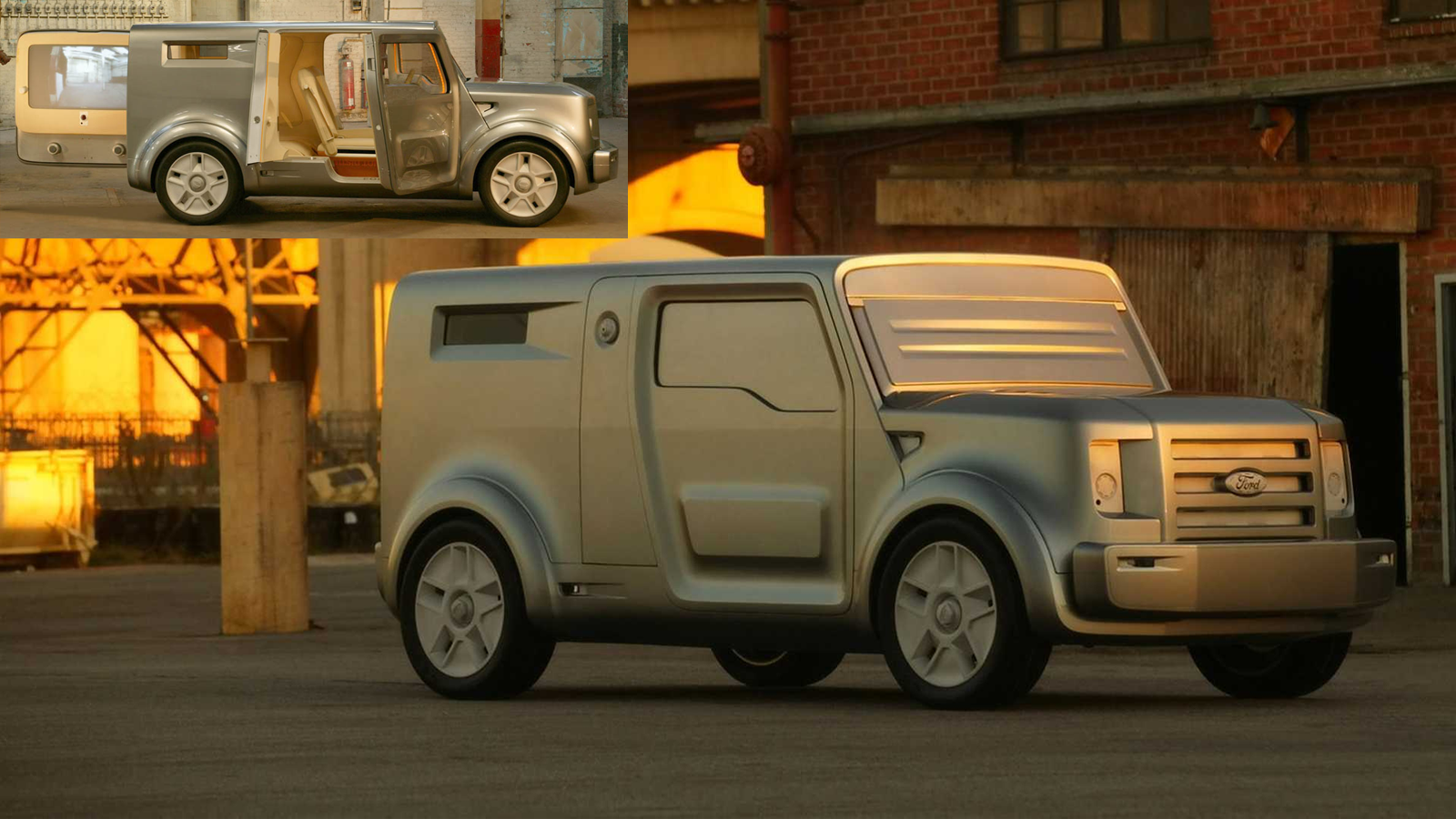
2005 Ford SYNus
Few concept cars have embraced their design theme as thoroughly as the SYNus. This compact, armored-like vehicle was built with bullet-resistant windows and ultra-thick body panels, drawing inspiration from bank vaults. The interior, in contrast, was designed for comfort, with swiveling seats and a LAN hub to create a private retreat from the outside world. Though it was an extreme departure from conventional SUVs, the SYNus was a creative expression of urban mobility in an era of growing security concerns.
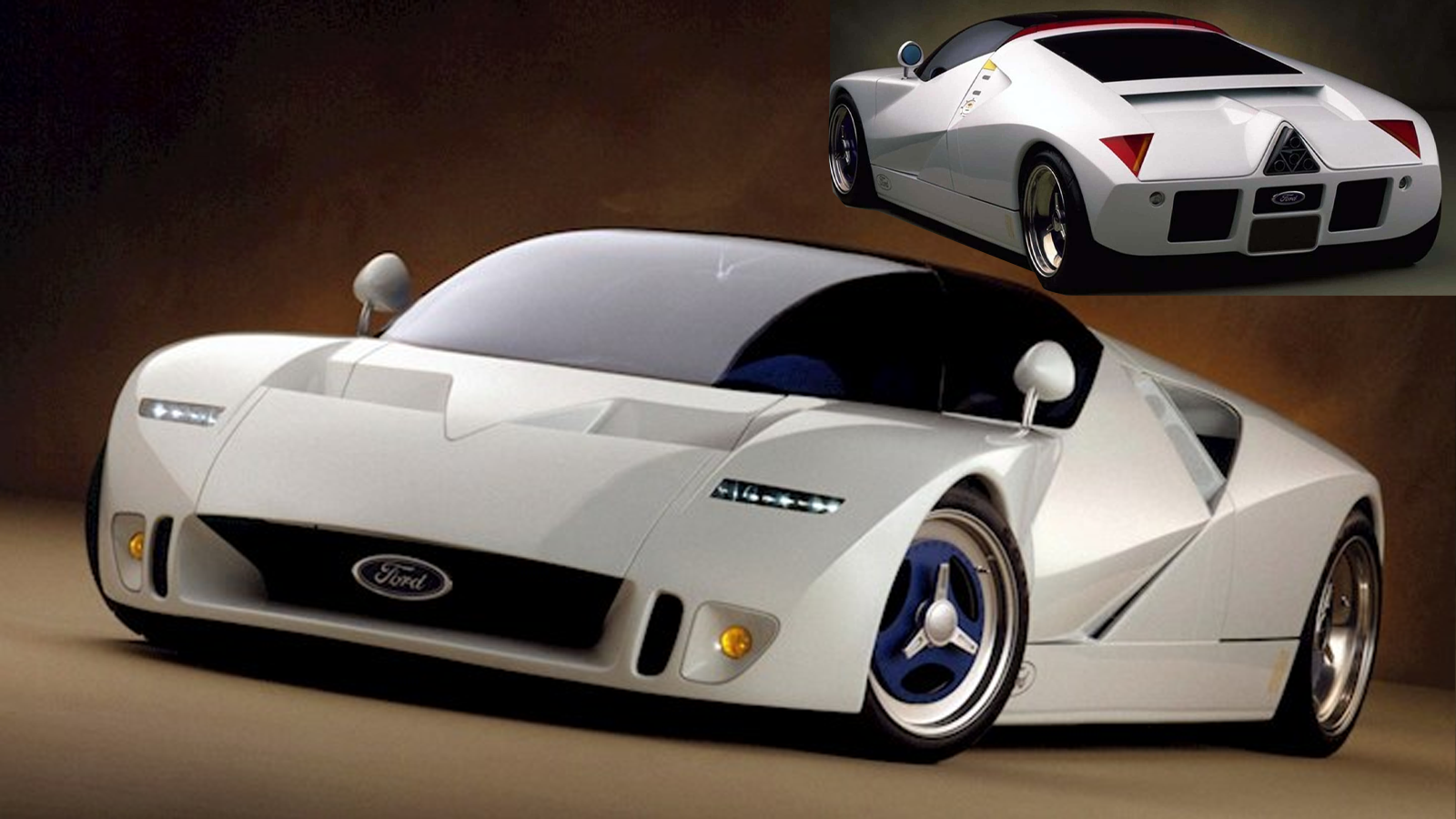
1995 Ford GT90
Before the Ford GT became a modern performance icon, there was the GT90—a brutally powerful concept that pushed boundaries in design and engineering. Its 6.0-liter, quad-turbocharged V12 produced a staggering 720 horsepower and 660 lb-ft of torque, numbers that were practically unheard of in the mid-’90s. Ford claimed a theoretical top speed of 253 mph, which, if true, would have made it the fastest car of its time. With an angular, spaceship-like design, the GT90 was unlike anything Ford had produced before, but it never progressed beyond the concept stage.
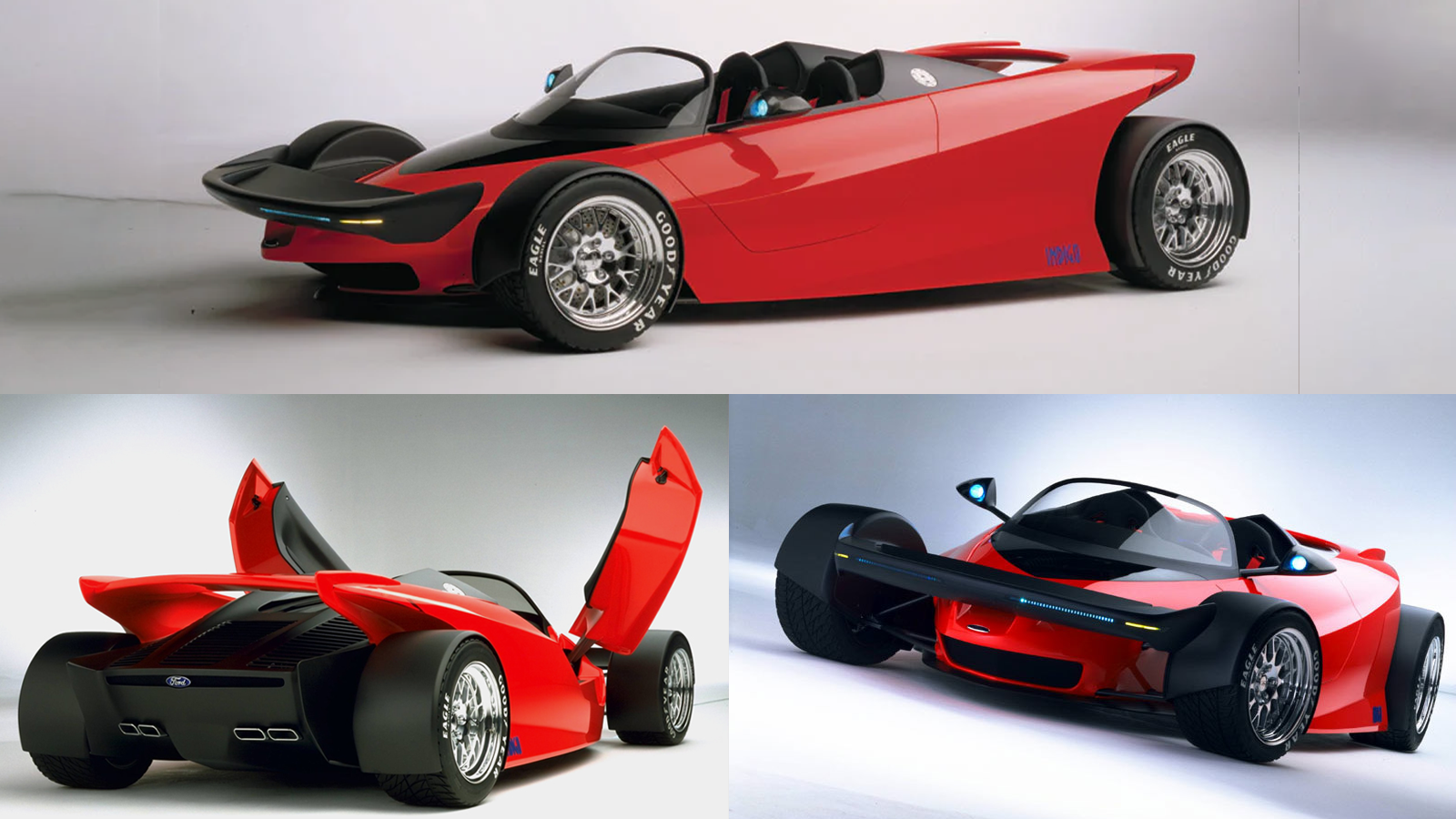
1996 Ford Indigo
The Indigo concept, also known as the Lynx, was Ford’s attempt to translate IndyCar technology into a road-going supercar. Its open-wheel design, scissor doors, and futuristic cockpit made it look like something straight out of a sci-fi film. Originally envisioned with a V12 engine co-developed with Cosworth, the only running prototype instead used a V8. Despite its high-performance potential, the Indigo remained a technology demonstrator rather than a production-ready vehicle.
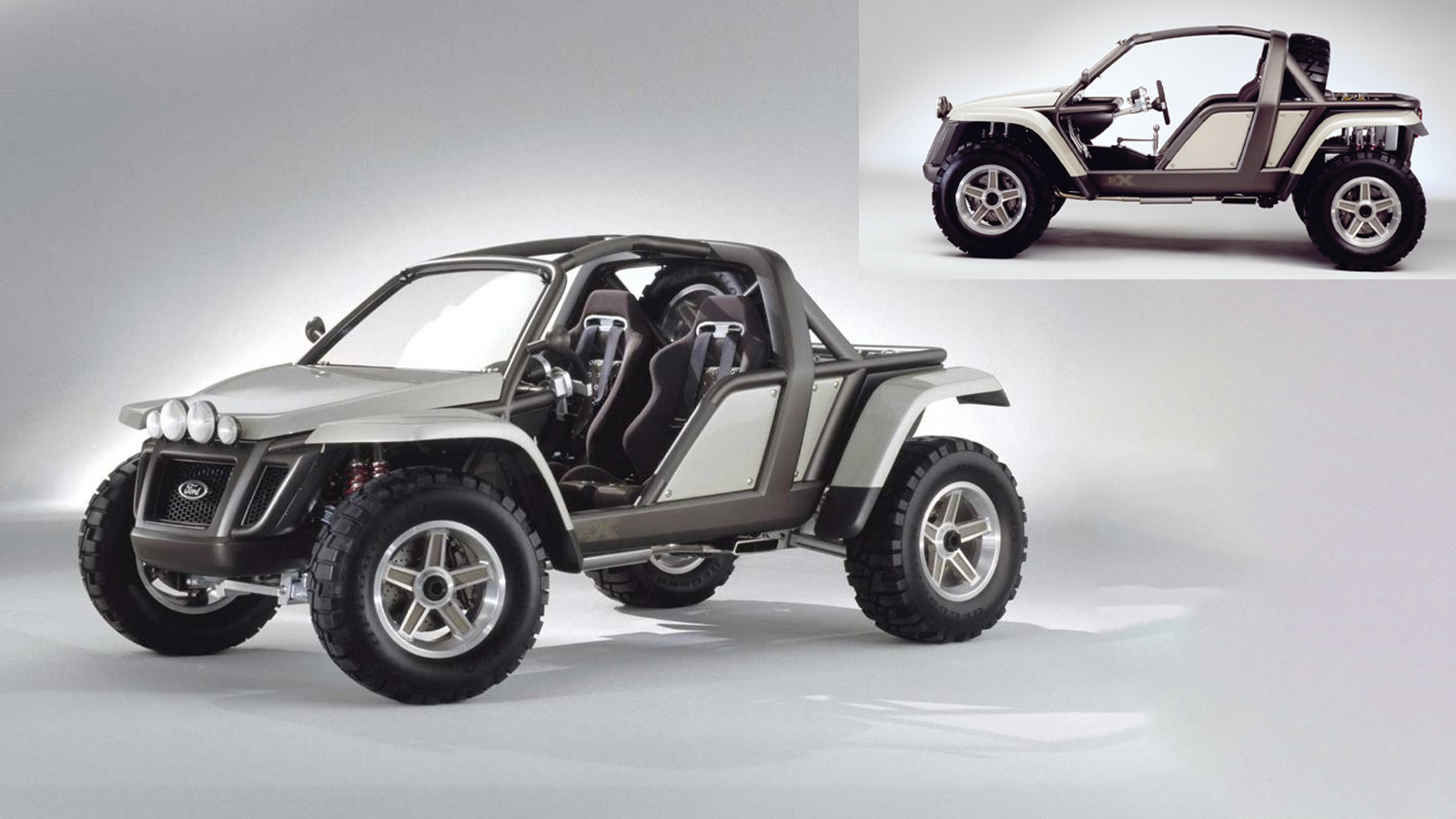
2001 Ford EX (Extreme)
Ford’s take on an extreme off-road buggy, the EX, was built for fun and performance. Powered by a supercharged 4.0-liter V6 delivering 375 horsepower, it featured full-time four-wheel drive, a roll cage, and a hose-out interior with built-in drain plugs. It was a no-nonsense, go-anywhere machine that could have rivaled the Ariel Nomad—if only Ford had put it into production. While the EX remained a concept, some of its ideas, like easy-to-clean interiors, eventually made their way into modern off-roaders like the Bronco.
1957 Ford X2000
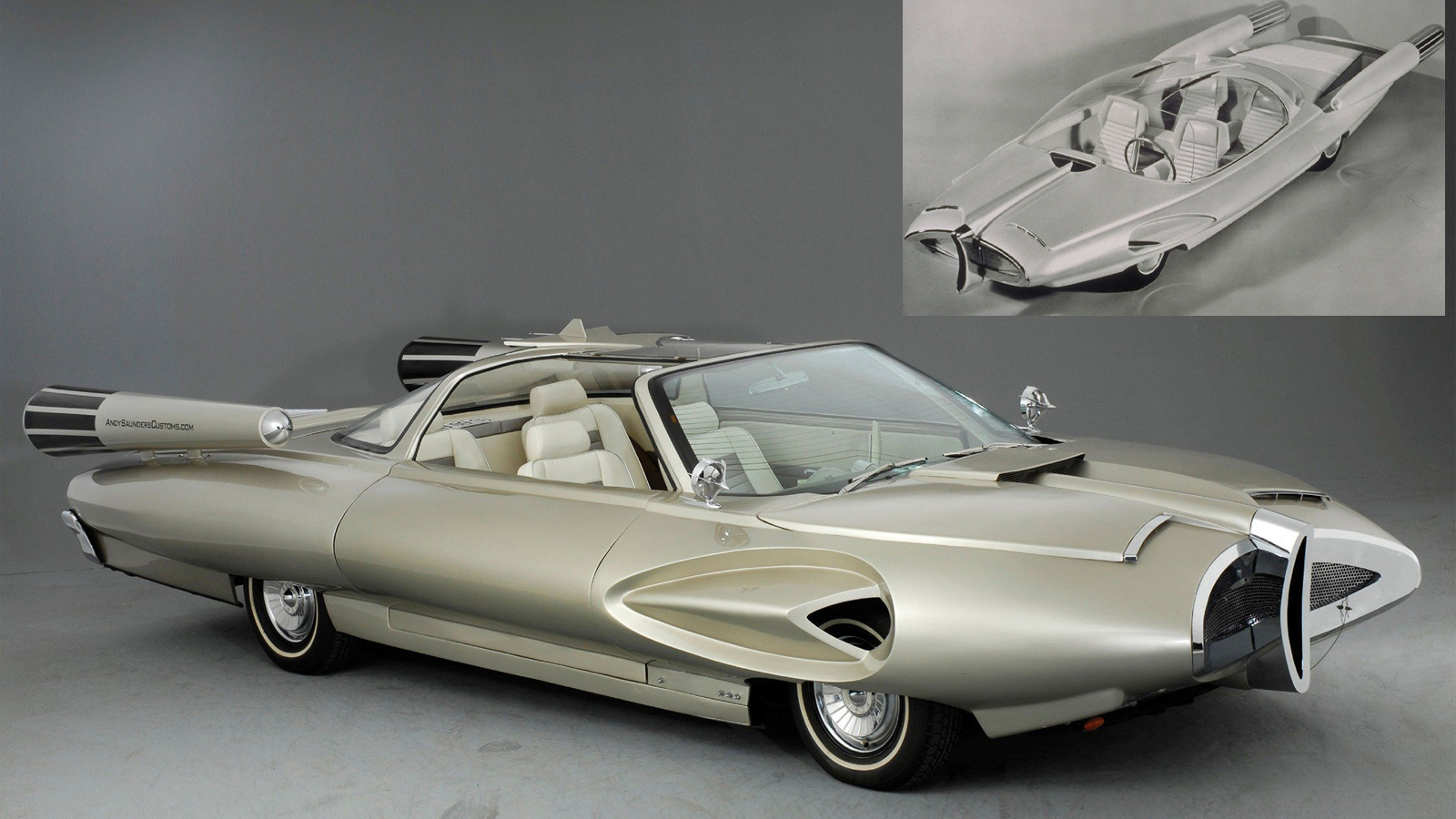
Embodying the futuristic obsessions of the 1950s, the X2000 concept looked like a spaceship on wheels. It featured a cab-forward design with exaggerated fins and sleek, space-inspired bodywork. Although it was never built beyond a scale model, its design foreshadowed the radical automotive trends of the jet age. Had it been developed into a real car, the X2000 might have been one of the most distinctive vehicles of its time.