
6 Times Ford Revolutionized the Truck Market
Ford has had the best-selling trucks in America for nearly half a century. These innovations are a big reason why.






Intro
Year after year, and decade after decade Ford trucks are the best-selling in America. You don’t have that sort of track record without being able to innovate. And innovate is exactly what Ford has done over the years. While listing every Ford truck innovation and ahead of its time model could fill a book we decided to pare it down to just a half dozen of the most revolutionary features and models that Ford has come out with. It is innovations like these that have kept Ford trucks at the forefront for so many years.
1. Twin I-Beam Suspension
Ford introduced the Twin I-Beam suspension back in 1965. It was an answer to the independent front suspension GM offered since 1960 in their half-ton pickups. Ford needed a response to this GM advancement as it offered a far more comfortable ride than the Ford trucks at the time using a single I-Beam setup. But Ford felt a wishbone suspension like what GM was using was too complex and fragile. So, they developed the Twin I-Beam. It offered an improved ride and was still simple and rugged. It remained in their half-ton trucks for about 30 years. The Super Duty trucks still use the Twin I-Beam in 2023.
2. Power Stroke Diesel
It started in 1982. Ford decided to make their Super Duty trucks the most powerful, durable, and capable in the world. They partnered with International Truck and Engine Corporation and created a 6.9L Indirect Injection engine. It made just 170 horsepower and 315 pound-feet of torque, but it was the start of a revolution. Over the years the Power Stroke diesel engines grew more advanced and powerful. Today the 6.7L HO Power Stroke V8 diesel pumps out 500 horsepower and 1,200 pound-feet of torque. Enough for a gooseneck tow rating of 40,000 pounds.
3. Sport Truck
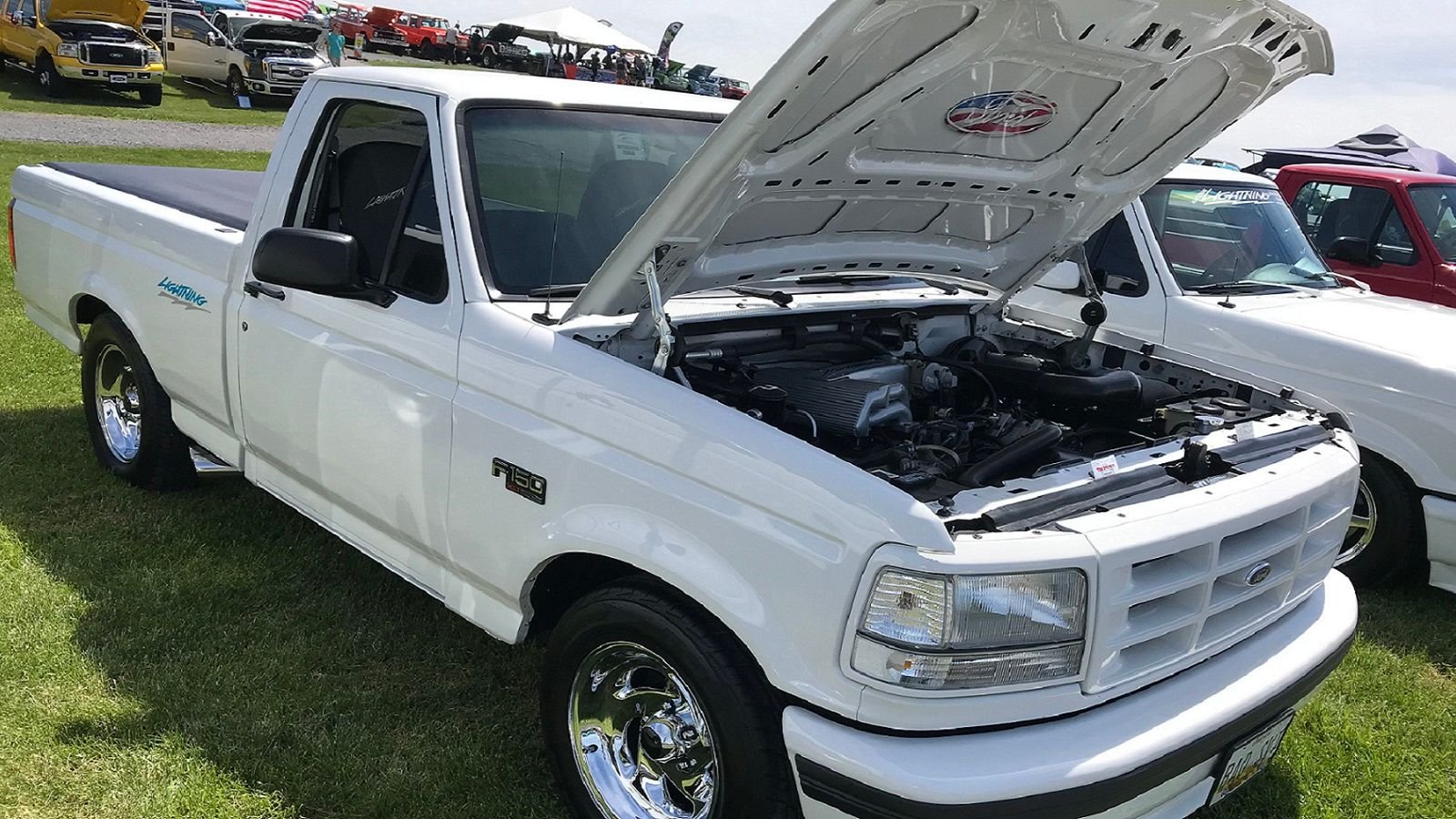
In 1993 Ford gave us the Lightning Pickup truck. It was the Ford Mustang GT with a truck bed. The 240 horsepower V8 was able to rocket the truck to 60 mph in just over 7 seconds and it would cover the quarter mile in about 15.5 seconds. 30 years later that might not sound like a big deal. But it sure was back in 1993. There was not another truck like this on the market. Chevy had the 454SS but that was a parts bins special. The Lightning was developed as a sport truck from the beginning by the Ford SVT folks.
4. Trophy Truck
When the SVT Raptor rolled into showrooms in 2010 the motoring public was amazed. The truck could be equipped with a 6.2L V8 making 411 horsepower. And while in a straight line it was not all that much quicker than the Lighting from 1993 the Raptor was not about straight line speed. It was about flying across a desert as fast as possible. This was a truck for Baja. No one made a truck like this available to the public before. It took Ram more than a decade to respond with the TRX. But the Raptor is the original and the best.
5. Aluminum Body
For 2015 Ford introduced the first F-150 to use an aluminum body. Some may have been skeptical of the switch thinking it would make a weaker truck. But at the same time Ford upped the amount of high-strength steel used in the frame from 23 percent to 77 percent. The new truck was torture tested for more than 10 million miles. The switch produced a truck that was a whopping 700 pounds lighter than the previous version. This helped the truck tow more, haul more, accelerate quicker and stop shorter.
6. Return of the Small Truck
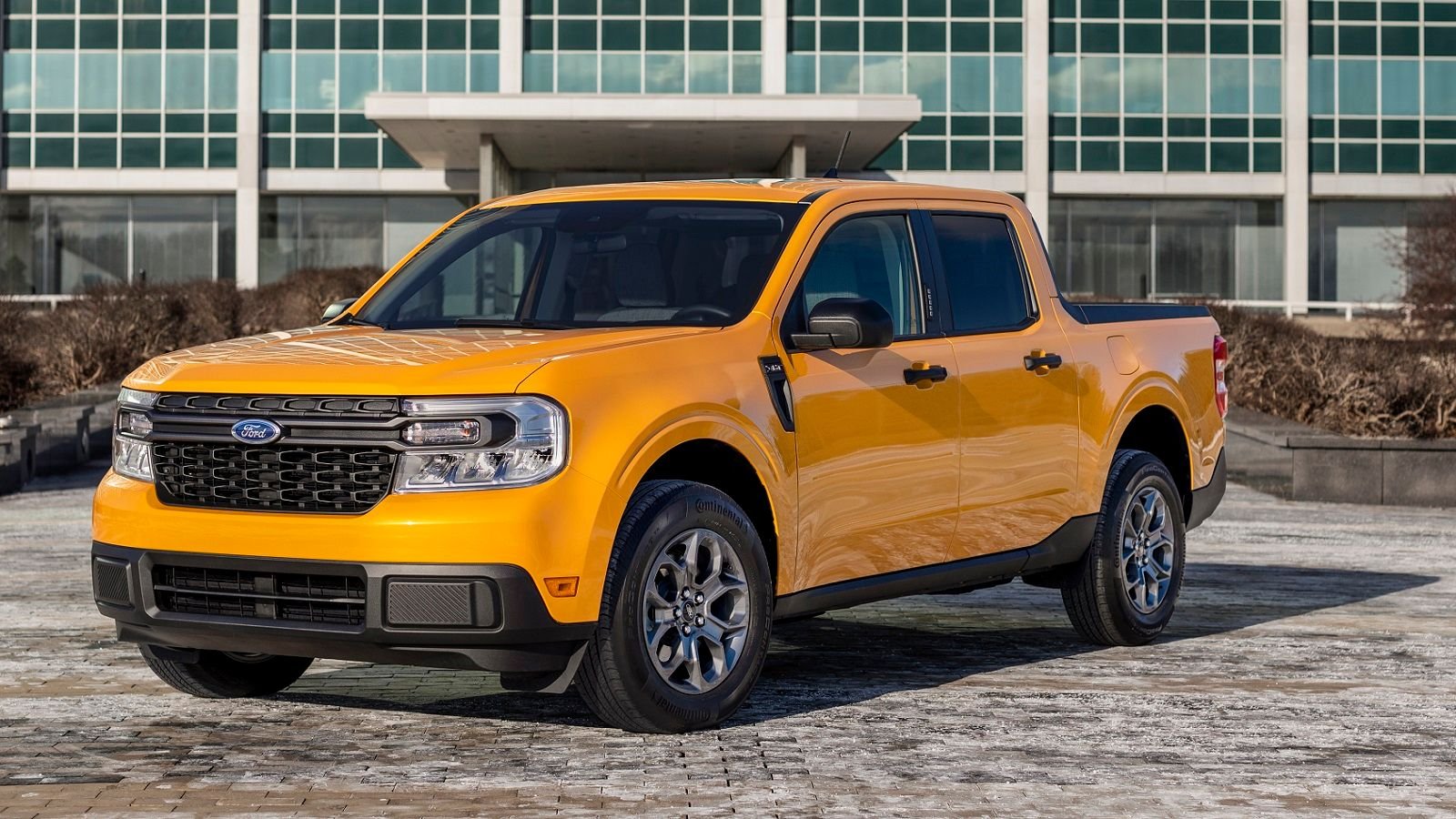
Trucks and vehicles in general have been getting bigger and bigger each year. And with the increase in size came an increase in price. Ford wisely recognized that the tread could not continue forever, and that people would want an entry-level truck that was versatile, efficient, and affordable. That became the 2022 Ford Maverick. It was so popular that it almost immediately sold out. Hyundai jumped into the market with the Santa Cruz but Ford sells twice as many Mavericks. Maverick demand remains strong and is likely to continue to be that way for the foreseeable future.