
5 Reasons We Still LOVE the Mustang GT; 5 Reasons We 'HATE' It
The Mustang GT has never been more powerful or offered as many options. But are they really worth north of $70,000 in 2026? Yes... And no. Let's dive in.


Wait, How MUCH???
Bias disclosure. I've spent the better part of my life idolizing the Ford Mustang. From the original Pony Car to the first Mustang muscle cars to the Fox Bodies and Cobras and Shelbys and Boss 302s and Bullitts and Mach 1s and, of course, the GTs. If it had a V8 -- heck, even a few of the four- and six-cylinder offerings - I've studied it, driven it, and dreamed of owning it.
(Except for the Mustang II, I just can't, I'm sorry.)
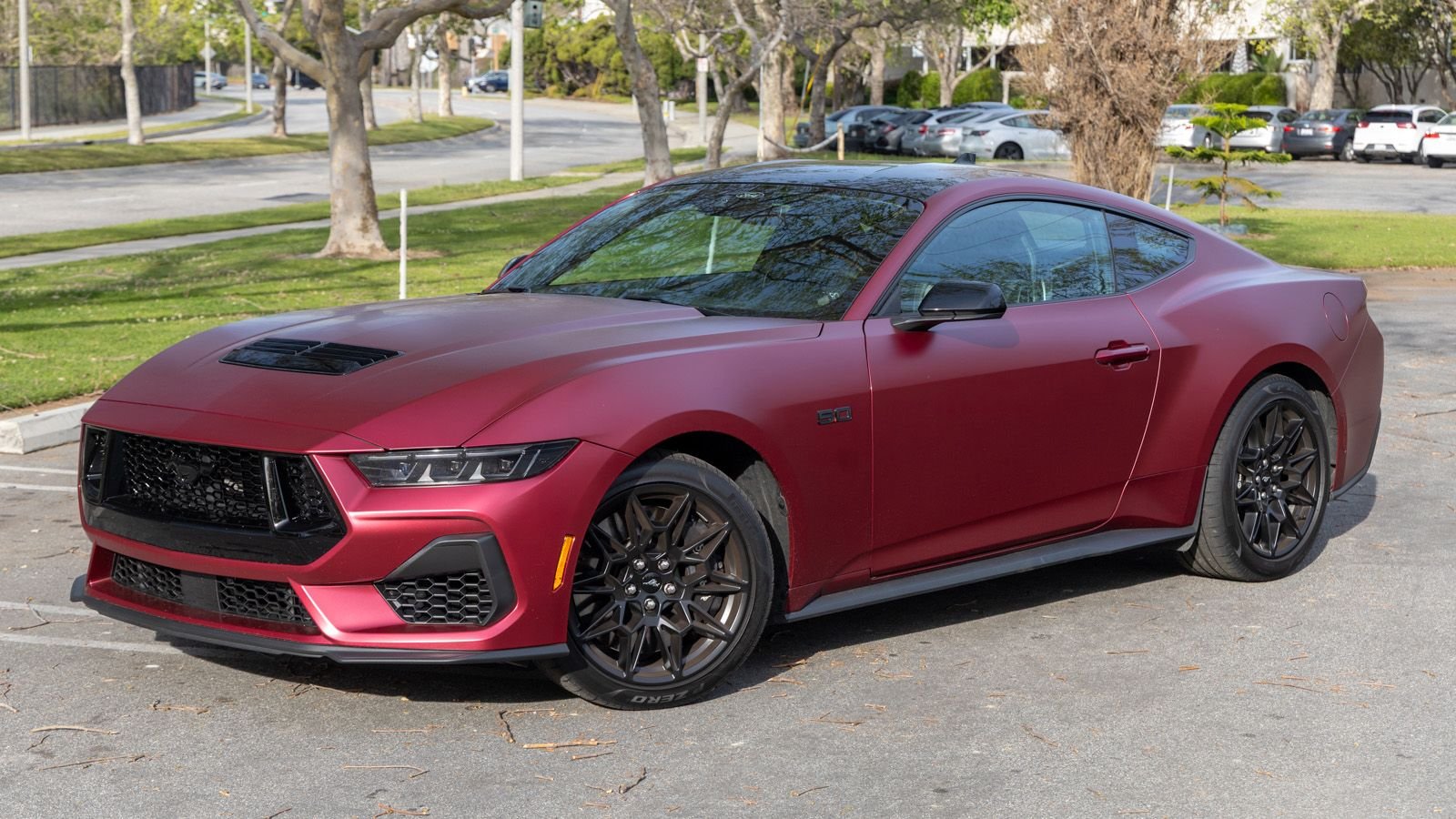
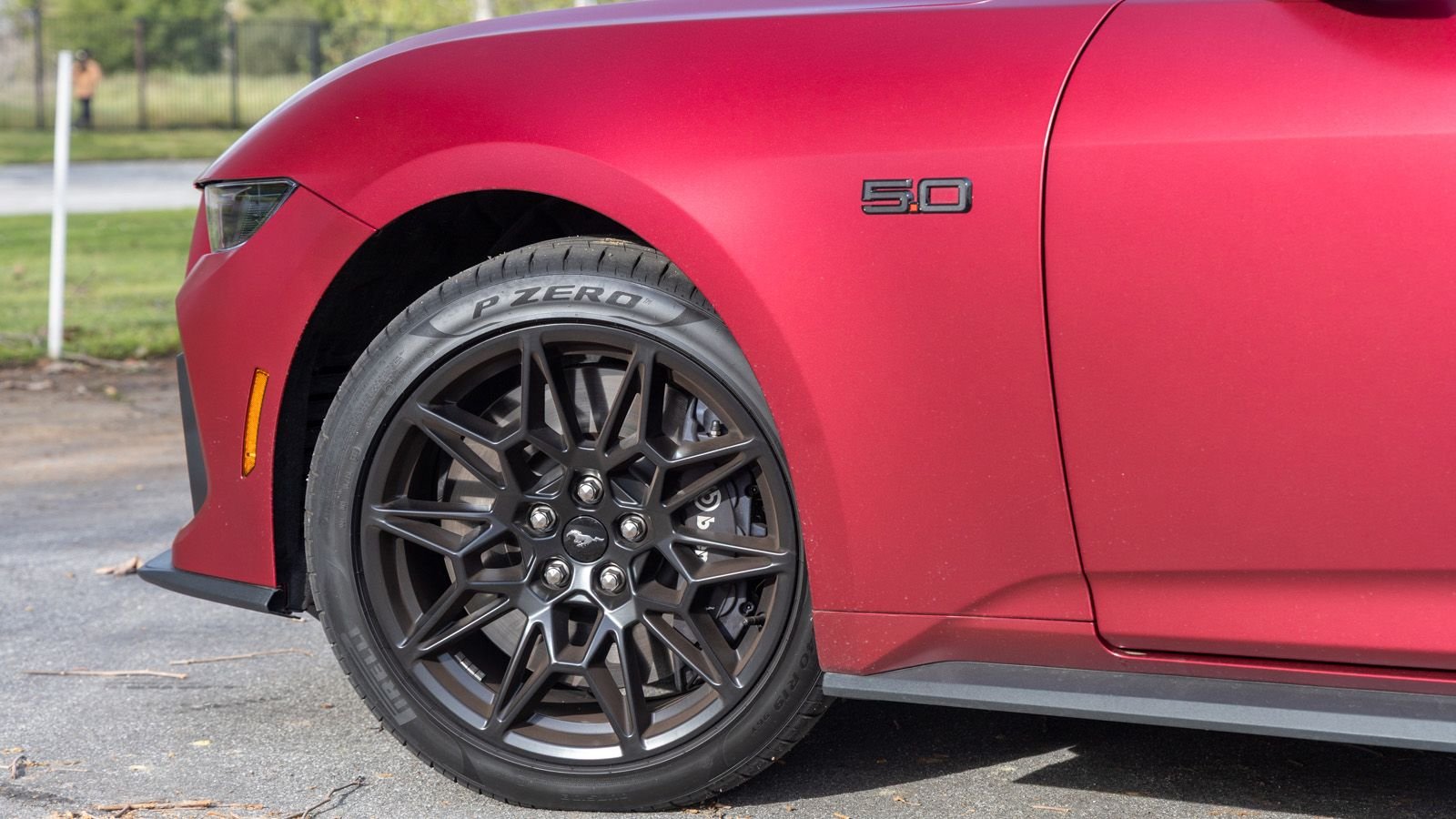
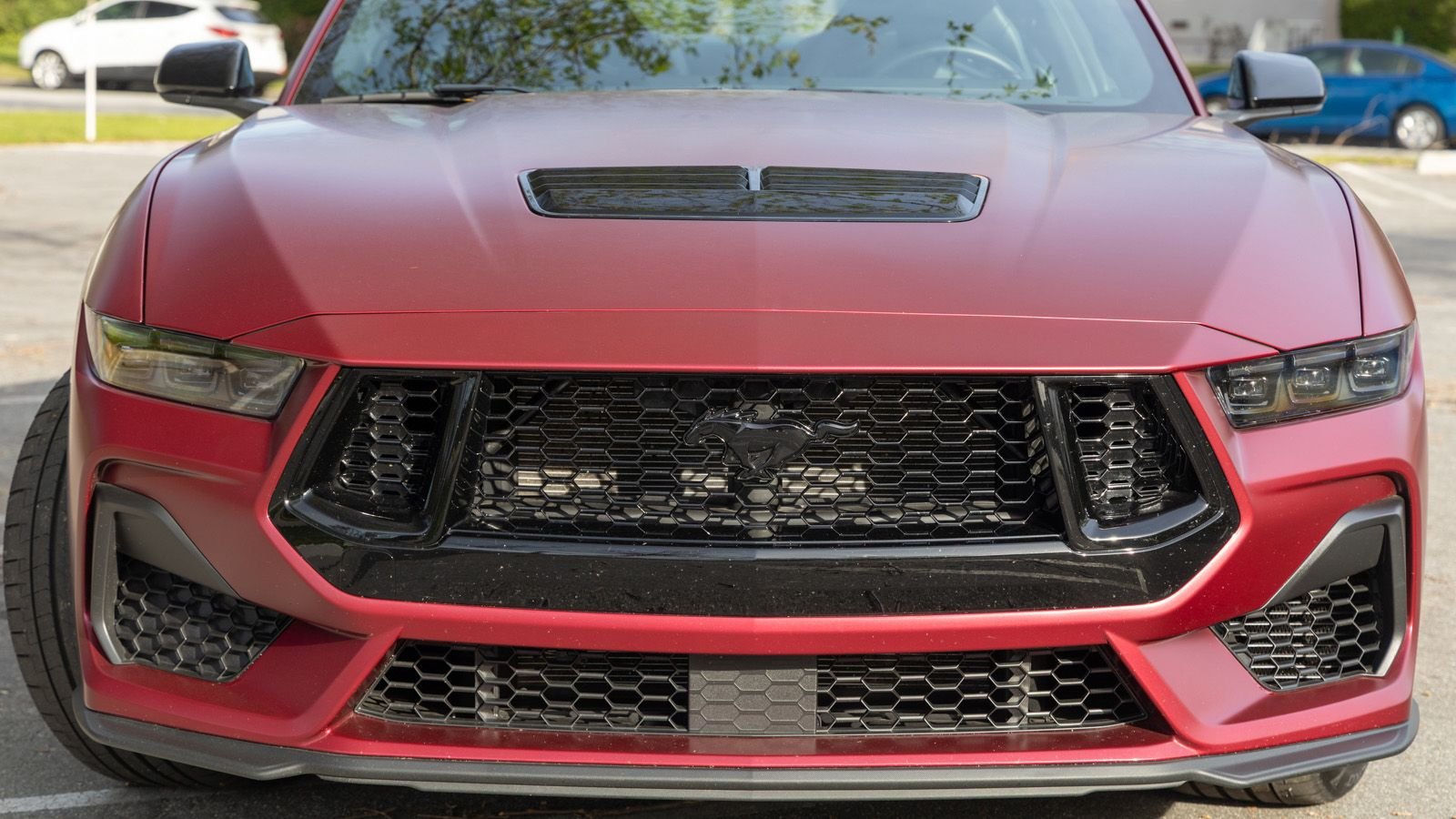
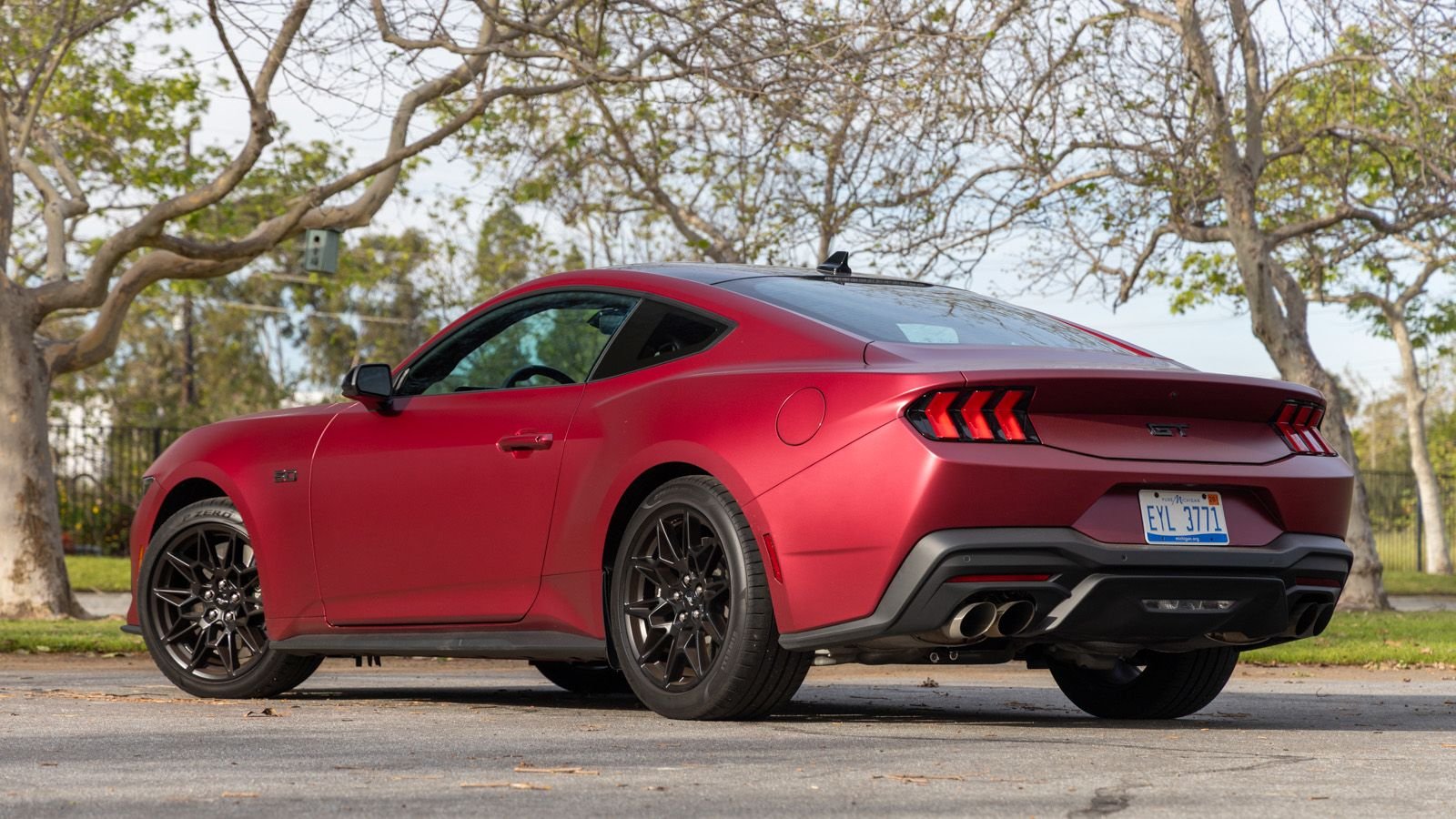
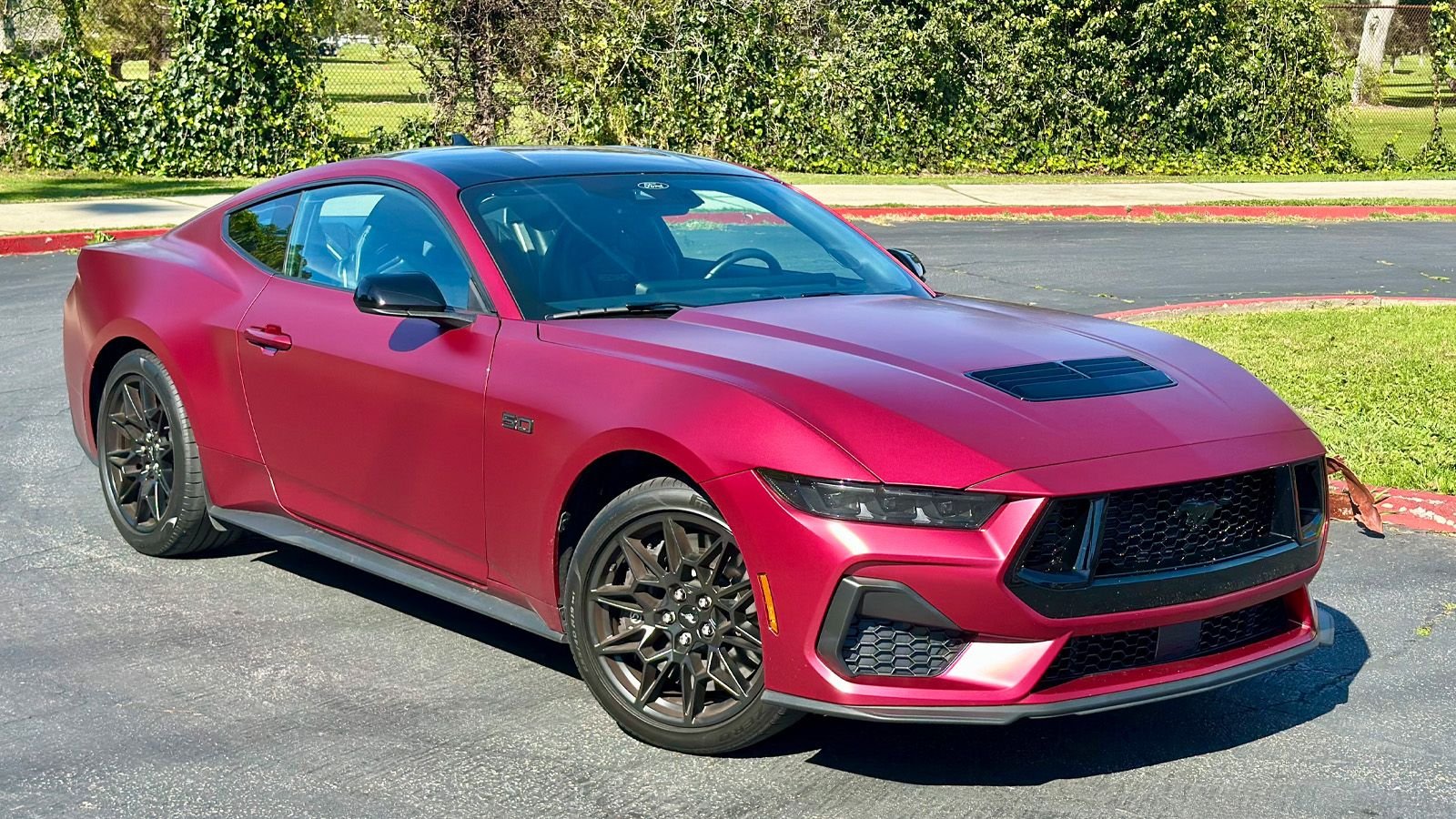
Still, I was drinking in all the dopamine the day a new seventh-generation Mustang GT pulled into my driveway for review. This one sprayed in a vibrant Molten Magenta Metallic and then covered with factory-applied matte paint-protection film (PFF). But then I saw the MSRP on the window sticker, and my heart sank. Here in 2026, a fully loaded Mustang GT with the 401A Premium Package, Recaro seats, a manual transmission, an upgraded paint color with PPF, the Performance Package (Level 1), Magneride active dampers, and the active valve exhaust will cost you... $76,000!!!
For context, that was roughly the price of a base-model, no option 760-horsepower Shelby GT500 back in 2020, pre-pandemic and pre-inflation.
So, yeah, I guess we have to get used to this new reality. And no one's forcing anyone to check off every single option box. But still, ouch. The Mustang GT, the Dark Horse, and the forthcoming Dark Horse SC aren't exactly the approachable, affordable sports/pony cars I've spent my entire life drooling over. Which brings me to this article...
If you're looking at a new Mustang GT in 2026, here are the five best features that we still LOVE and the five worst features that we 'HATE' (or, more accurately, that we wish we could CHANGE).
LOVE 1. 5.0L Coyote V8
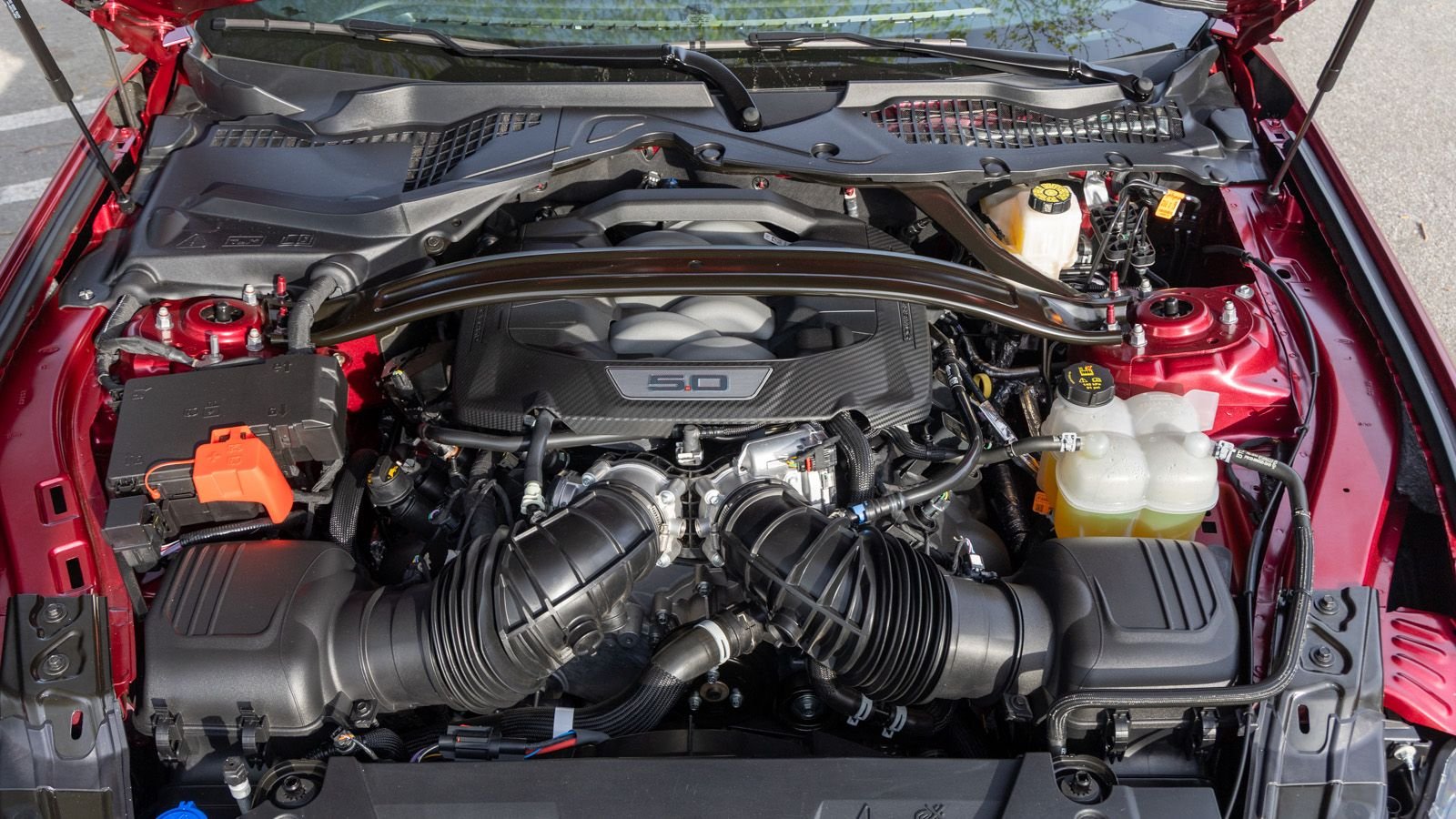
I still remember when the Mustang changed to an overhead cam engine, saying goodbye to the pushrod small block. Enthusiasts cried foul and said the world of modified Mustangs was coming to an end. But without those various 2V, 3V, and 4V 4.6L modular V8s, we never would have arrived at the horsepower holy land that is the 5.0L Coyote. Today, we're in the Coyote's fourth generation, a 32-valve dual overhead cam V8 engine with a 7,500 RPM redline, variable valve timing for the intake and exhaust valves, dual port/direct fuel injection, and dual throttle bodies.
The result is a motor that, even 15 model years after its first-generation debut, still feels exotic and distinct under the hood of American icons like the Mustang and the F-150. In Mustang form, the Coyote pumps out 486 crank horsepower with the active valve exhaust (and closer to 500 hp with a larger 3" exhaust from someone like Magnaflow). And the redline -- that glorious, north of seven grand redline -- is where the Coyote sings its siren song. The sounds of a racecar that somehow snuck its way into street legality, making every driver feel alive and a part of the Mustang story.
If you're buying a Mustang GT in 2026, the Coyote is by far the number one reason.
CHANGE 1. Screen Overload
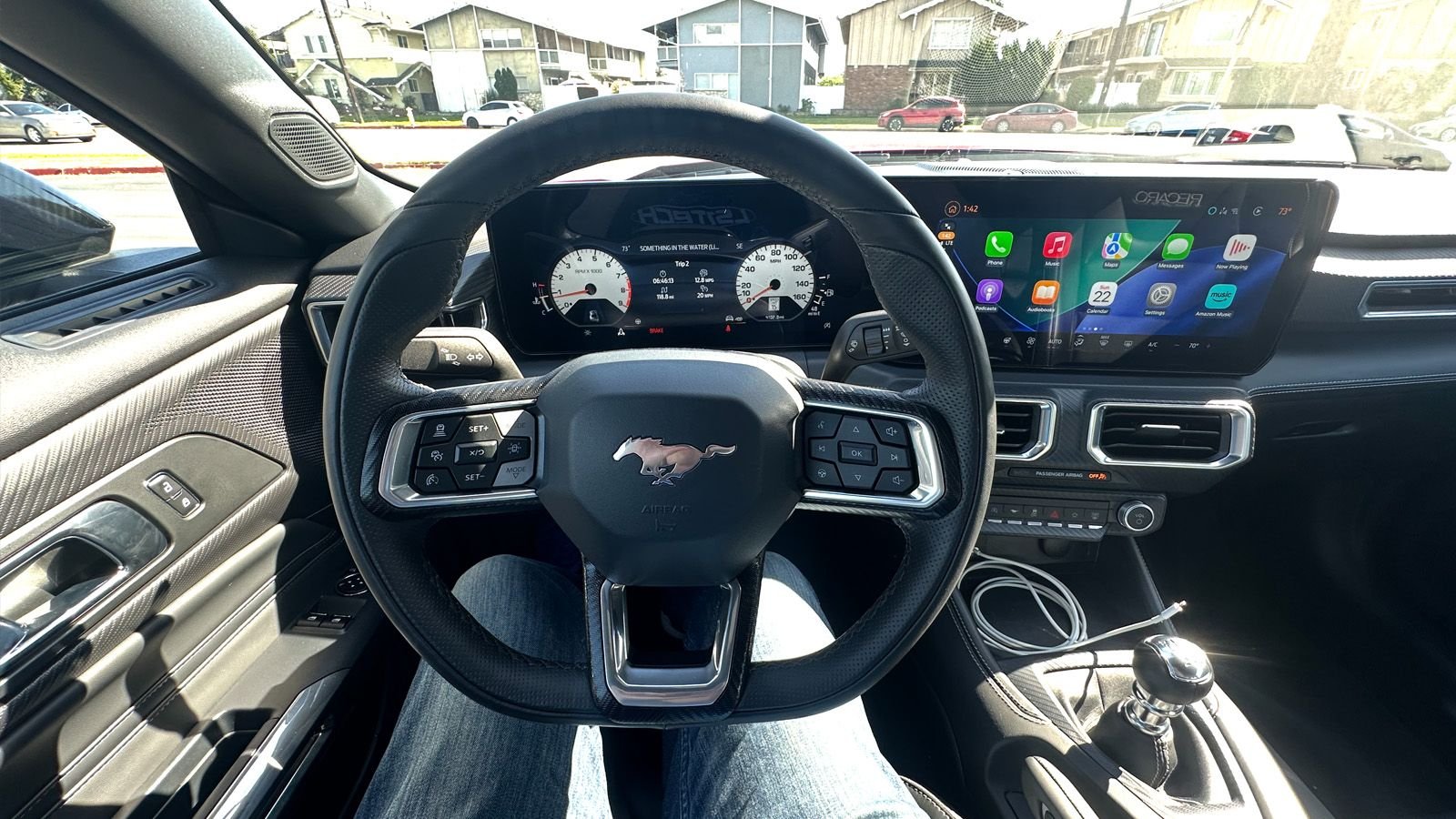
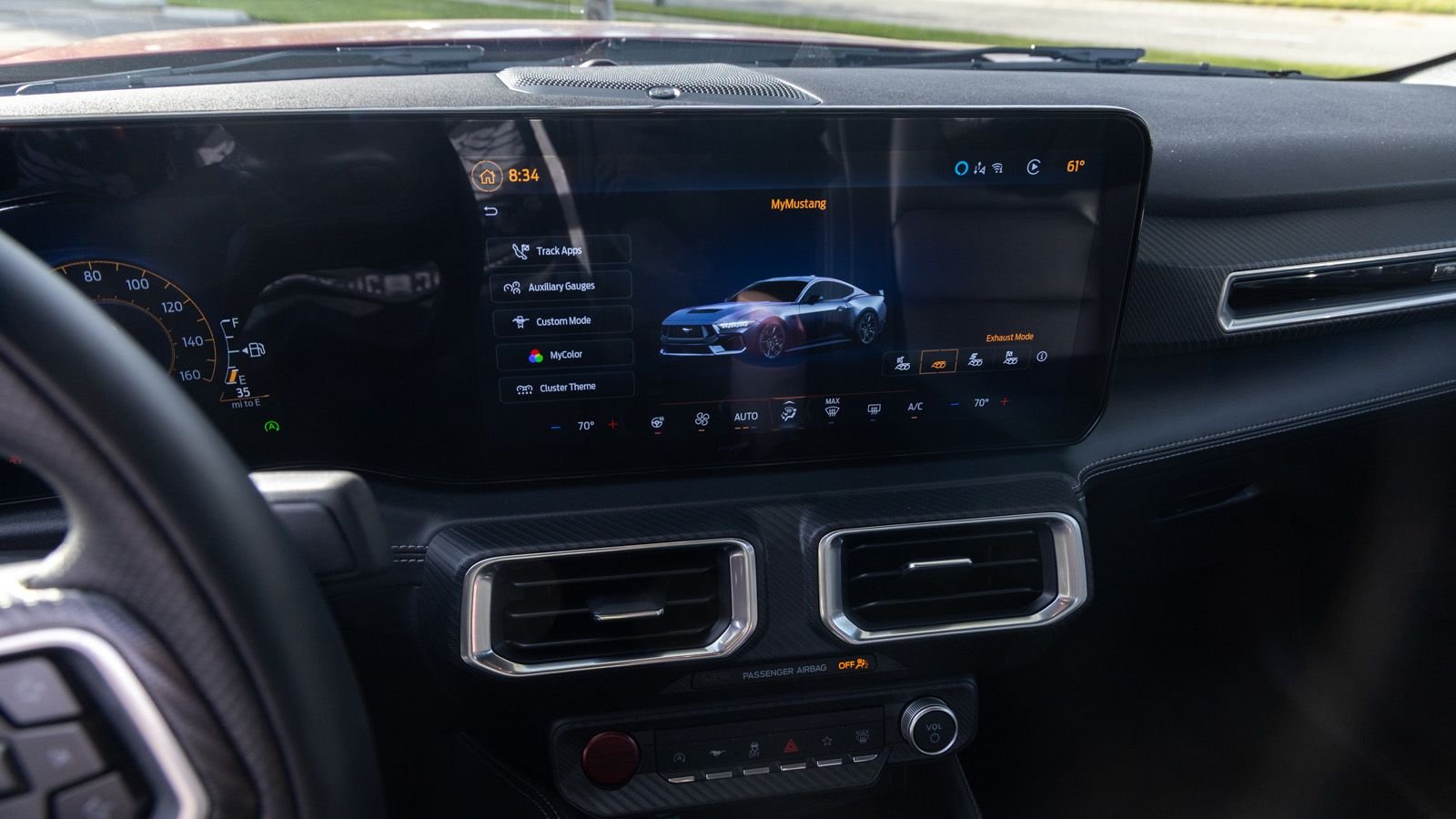
Every new generation of Mustang results in "the best new interior ever." And, sure, it's nice to have flashy graphics along with wireless Apple CarPlay and Android Auto functionality. But the team has really dropped the ball on the new Mustang interior and its dual screen interfaces.
First, the materials and textures may be new and improved, but when you're looking at the dashboard elements, there's nothing distinct about the experience or that honors Mustang heritage. You could be sitting in a Mustang, a BMW, an Audi, or any modern sporty car that's let the screens take over. It's completely forgettable.
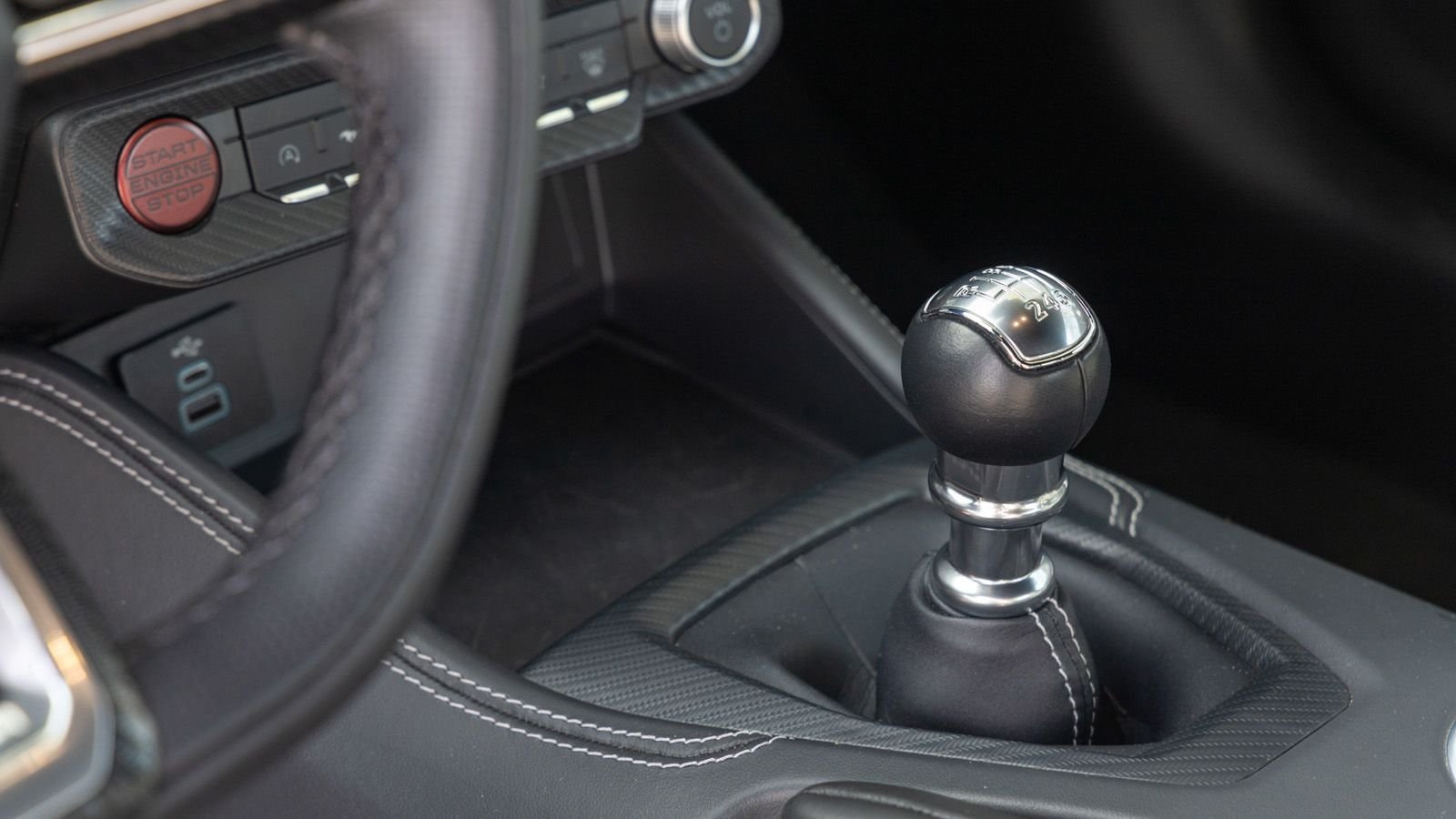
But the biggest sin remains the slow-starting center screen. Everything might NEED upon startup -- HVAC, exhaust sound, radio, all of the various custom settings -- requires you to access the center touchscreen, or to tap the cheap Mustang button on the center console. But there's a problem. It takes a good minute for the whole screen to wake up each day, or any time the car sits for too long. It's, quite honestly, the worst screen delay in the whole Ford family and among the worst on the market today. How did this happen?
We'd love to see Ford improve the startup time and bring back physical buttons for key features.
LOVE 2. Magneride Suspension Tuning
Magneride dampers -- aka shocks and struts -- use a specialized fluid that reacts to the amount of electricity flowing through it. Change that, and you can change how soft or firm a car feels driving down the road. Then toss in a bunch of sensors that are always analyzing road conditions as well as driver inputs, and you get Ford's current Magneride suspension offerings, a dynamic suspension that produces a wonderful mix of damping -- IE, making rough surfaces smooth -- and increased firmness -- IE, reducing body roll and pitch.
Magneride is basically a cheat code for Mustangs to perform better on track while not beating you up on the potholes during the drive home.
And the current Mustang GT tuning -- along with many other current and previous iterations -- is sublime. The Mustang definitely feels heavy these days, approaching 4,000 lbs, but the trade-off is that you always feel glued to the road, like the very best German super sedans, in a ride that's a lovely blend of comfort and tightness. You won't mistake a Mustang GT with Magneride for a luxury saloon. But my God, it's so, so good.
CHANGE 2. Bring Bumpers Back
Purely subjective, of course. Many, many people love the current generation styling. But I don't get why automotive designers are trying to make grilles look bigger by pretending that bumpers (or, more accurately, bumper covers) don't exist.
Looking back over the years, the Mustang has almost always had a distinct upper and lower grille opening for air intakes and cooling, with a strong, defined bumper element crossing through. This started to change with the 2020 GT500, and now almost every new Mustang, save for the forthcoming Dark Horse SC, has a faux extended grille. To my eyes, it makes the Mustang feel ill-proportioned and nose-heavy rather than sleek and exciting. I'd love to see future Mustangs lean on the more classic grille/bumper proportions of the 2013-2014 S197 and 2018-2023 S550 front bumper designs. Yes, open things up for added performance, but only for functionality, not pretend styling.
LOVE 3. Save the Manuals
I get it, 10-speed autos are quicker and easier to drive in traffic. And the Mustang GT's 6-speed manual -- the MT-82 -- isn't as good as the Tremec from the Shelby GT350, Mach 1, and Dark Horse. Still, I would humbly argue that the current MT82 is the best one yet. A nice light clutch, optional rev-matching downshifts, and relatively smooth shifting under most conditions. MT82s do struggle above 7,000 RPM -- meaning, don't force it if you don't feel the next gear -- but this variant with the current OEM clutch isn't too bad.
The bigger point, however, is that the Mustang is now the very last car to offer a naturally aspirated V8 and a manual transmission.
Let that sink in for a moment.
As a manual owner, you are the last link in the chain that goes all the way back to the very beginning of what it means to drive a sports car for fun or sport or both. To drive a manual well, you need to be coordinated and mindful and always thinking about what you and the car need at any given moment. Which is so utterly captivating and immersive... in a world where most drivers are utterly distracted all the time.
What a treasure to still have this version of the Mustang while we still do. Great job, Ford. (Although maybe every Mustang manual should be a Tremec?)
CHANGE 3. Bargain Basement Plastics Inside & Out
As Mustang prices have soared over the last few generations, the joke goes like this. Sure, that's a nice GT 500 or GTD, but you're still getting basically the same interior as the entry-level, rental car spec Mustang EcoBoost.
This isn't a dealbreaker, of course; it's always been this way. The Mustang is a Ford after all, not a Lincoln. But with all the talk of the improved and upgraded "best Mustang interior ever," you can't help but notice that the interior material quality, from the seats to the door panels, is mostly the same as the S550, yet worse in a few key areas.
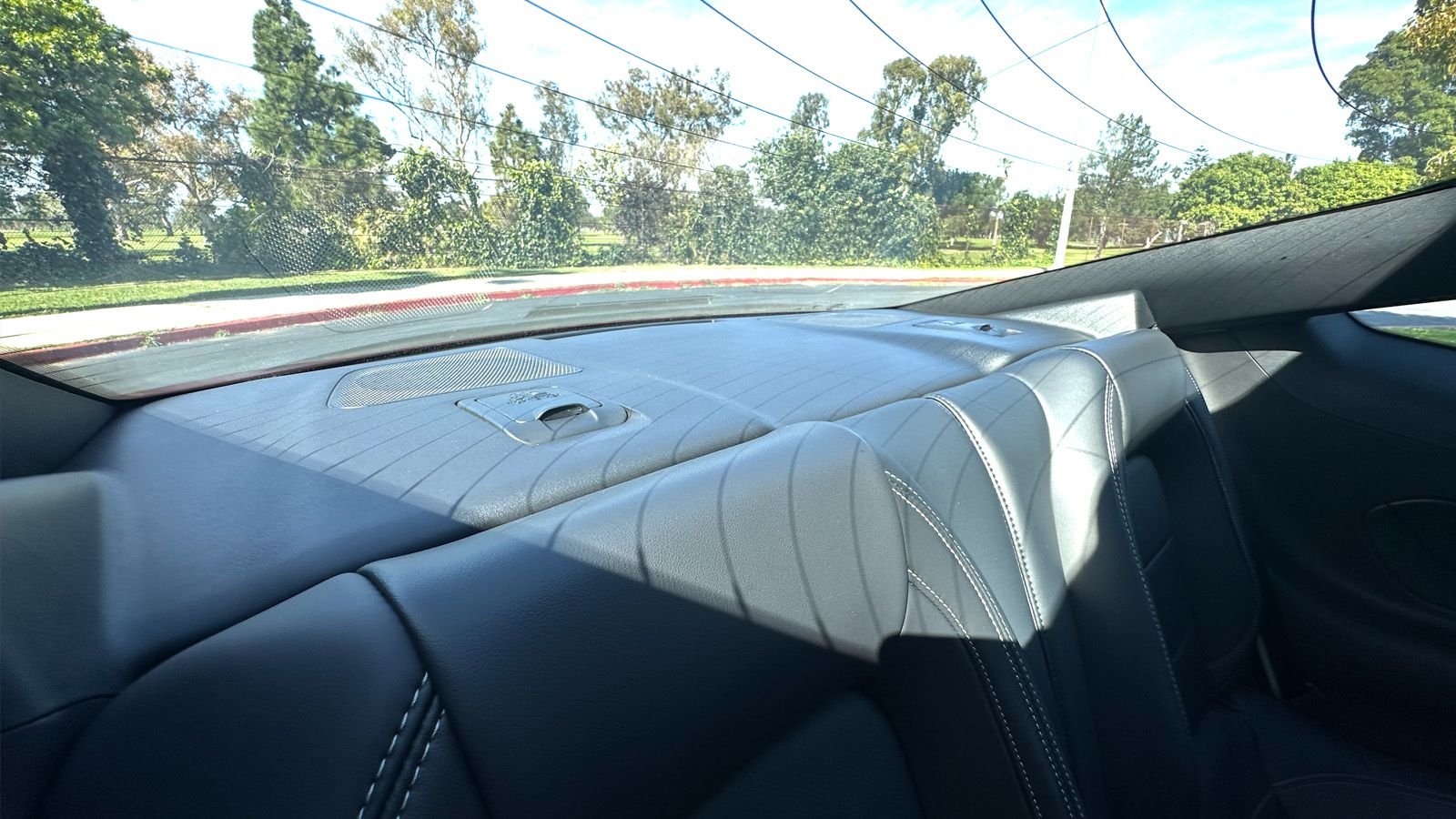
First, the rear panel behind the second-row seats is now a cheap piece of plastic with no cloth or fabric covering. It looks awful.
Further, the cheapness extends to the S650's exterior, especially out back. The textured gray valance looks pretty cool, I must add. But having followed Mustangs as they age over the years, this type of plastic collects scratches, dirt, and wax while suffering from sun fading. Also, Ford basically concocted the Mustang's new rear end by adding a triangular piece of plastic to the trunk lid, which looks pretty cool. But also adds unsightly panel breaks on the trunk and deck lid areas. Which, again, makes it feel like a cheap add-on rather than a cohesive design.
LOVE 4. Recaro Seats
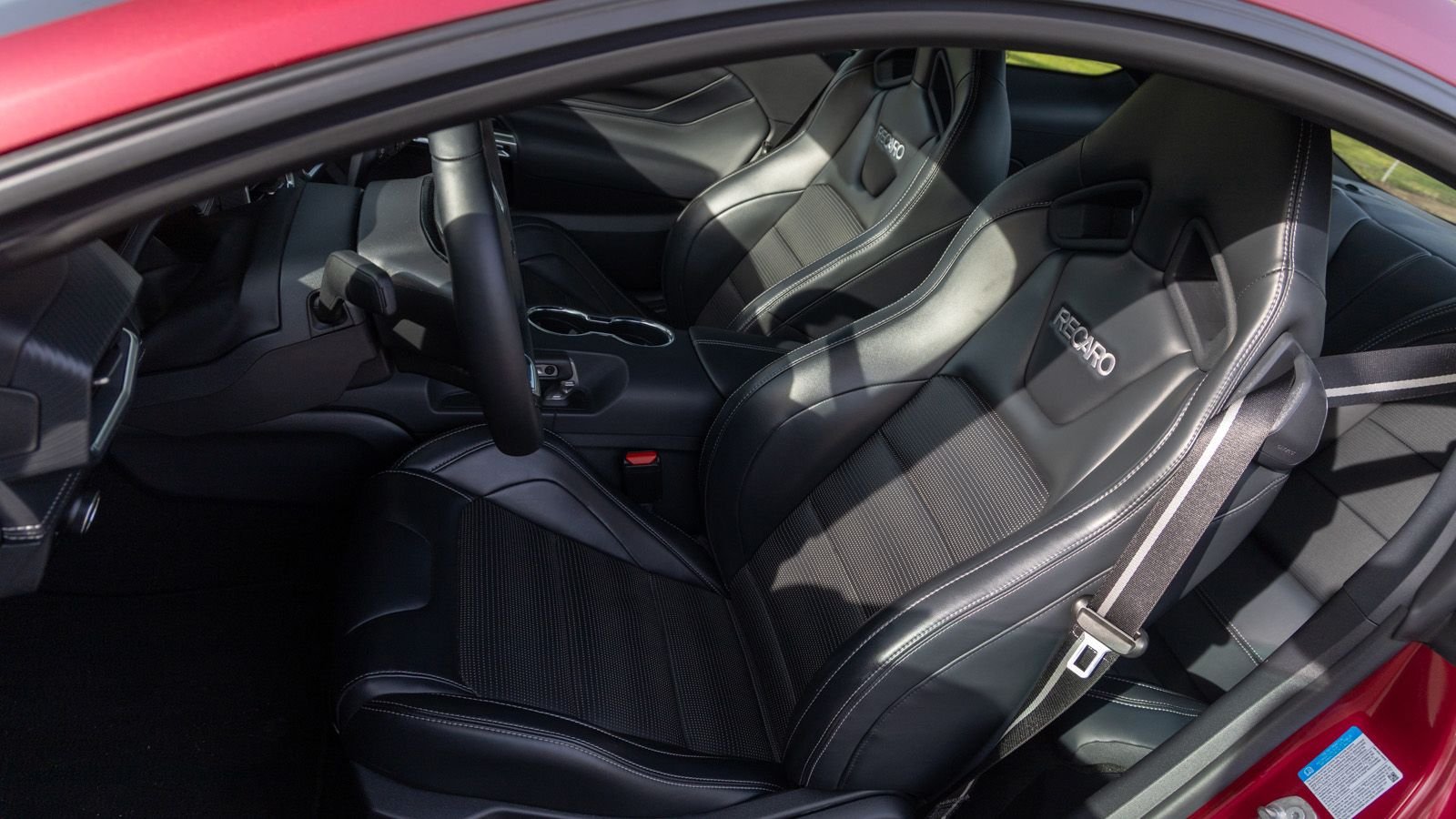
If memory serves, highly bolstered optional Recaro bucket seats date back to the 2011 GT500, after which they appeared in the 2012 Boss 302, the 2013 Mustang GT, and just about every model since then. I've always preferred this softer, rounder Recaro variation over the more angular Recaros from the 2015+ GT350, GT500, and GTD. These ones are super comfortable, not too tight, but hold you in place really well for all sorts of fun-having. And, they've been updated in more recent years so that, after you're done with rear-seat access, they'll swing back into the previous position. (The first variants required manually selecting the seating angle each time.)
The only thing I wish Ford would do is add the heating and ventilation elements from the standard seats.
CHANGE 4. Pricing
In debating fellow enthusiasts, many will argue that prices are what they are. Inflation was real. Prices rose. You can't change that. And I know it's a nostalgia trap to be focused on the way things used to be, but things have gone too far when you're four grand away from an $80,000 Mustang GT window sticker.
[NOTE: to be fair, $6,000 is a matte PPF option. Which, technically, isn't a bad price in and of itself, compared to aftermarket. So it might be better to think of current GT pricing topping out around $70-72K.]
One one hand, it's easy to point out that the S650 Mustang GT demonstrably more powerful and feature-laden than something like a S197 Mustang GT, but I just looked up a couple window stickers on the 2023 Mustang Mach 1, which has all suspension and exhaust upgrades from the S650 Mustang GT plus differential coolers and the superior Tremec manual transmission and you could ketone of those for $61 grand ($63K with Recaros). And only two to three years later, the Mustang GT -- not even the Dark Horse -- is $7,000 more.
Again, we've got the best brakes, suspension, engine, radio, exhaust, safety, and tech of any Mustang GT in history. But I think it also says something that Mustang sales have been dropping despite the death of its most direct competitors.
LOVE 5. Active Valve Exhaust
While I love to debate the tonal qualities of all Mustang exhausts, it's hard to deny the greatness of Ford's current active exhaust systems. A quiet mode so you don't have to be That Mustang Guy in your neighborhood or apartment building. An extra 6 peak horsepower. And the ability to customize every single drive from mild to wild. I mean, this has to be the loudest OEM Mustang exhaust this side of removing the 2012-2013 Boss 302's side exhaust restrictor plates! It's definitely a must-have feature.
CHANGE 5. Fuel Economy (5B. Steering)
Okay, okay, no one's buying a 486 horsepower Mustang and expecting to get great fuel economy. So if you hate this one, feel free to substitute in "STEERING" as something Ford should improve.
[The current electric power steering is shockingly numb, even compared to previous iterations in the S197 and S550 generations. It's accurate, of course, and not sloppy like an old project car, but it's just dead on the center and could use some work. There, happy?]
As for the fuel economy, the Mustang GT delivered 12.8 mpg over the course of 118.8 miles of city driving around the urban sprawl of Los Angeles County. That's all types of driving, spirited and cruising, with auto start/stop on and off. Earlier in the week, trying to be as economical as possible, I coaxed the GT up to 16.1 mpg with a light throttle and auto start/stop engaged. With auto start/stop turned off, the GT dropped to 13.5 mpg on that same loop, before eventually ending up at 12.8 over the entire press loan.
This is roughly in line with other sports cars and slightly better than a 5.0L Coyote-powered F-150, on these same roads.
Now, to be fair, I have to give Ford a little props. The new Mustangs get roughly the same fuel economy as a stock FoxBody era 5.0 driven on the same roads... but now with more than double the crank horsepower. Which is pretty impressive from an engineering standpoint.