Check the slides below to learn about what makes the Ford F150 SVT Lightning unique and rare.
1. SVT Production
The Ford F150 SVT Lightning was not massed produced; in fact, there were a total of 11,563 SVTs built from when they were first introduced in 1993 to the end of the first generation in 1995. The limited production makes this car is a unique piece of modern history to own.
>>Join the conversation on the 5 facts here in Ford-Trucks.com!
2. Limited Colors
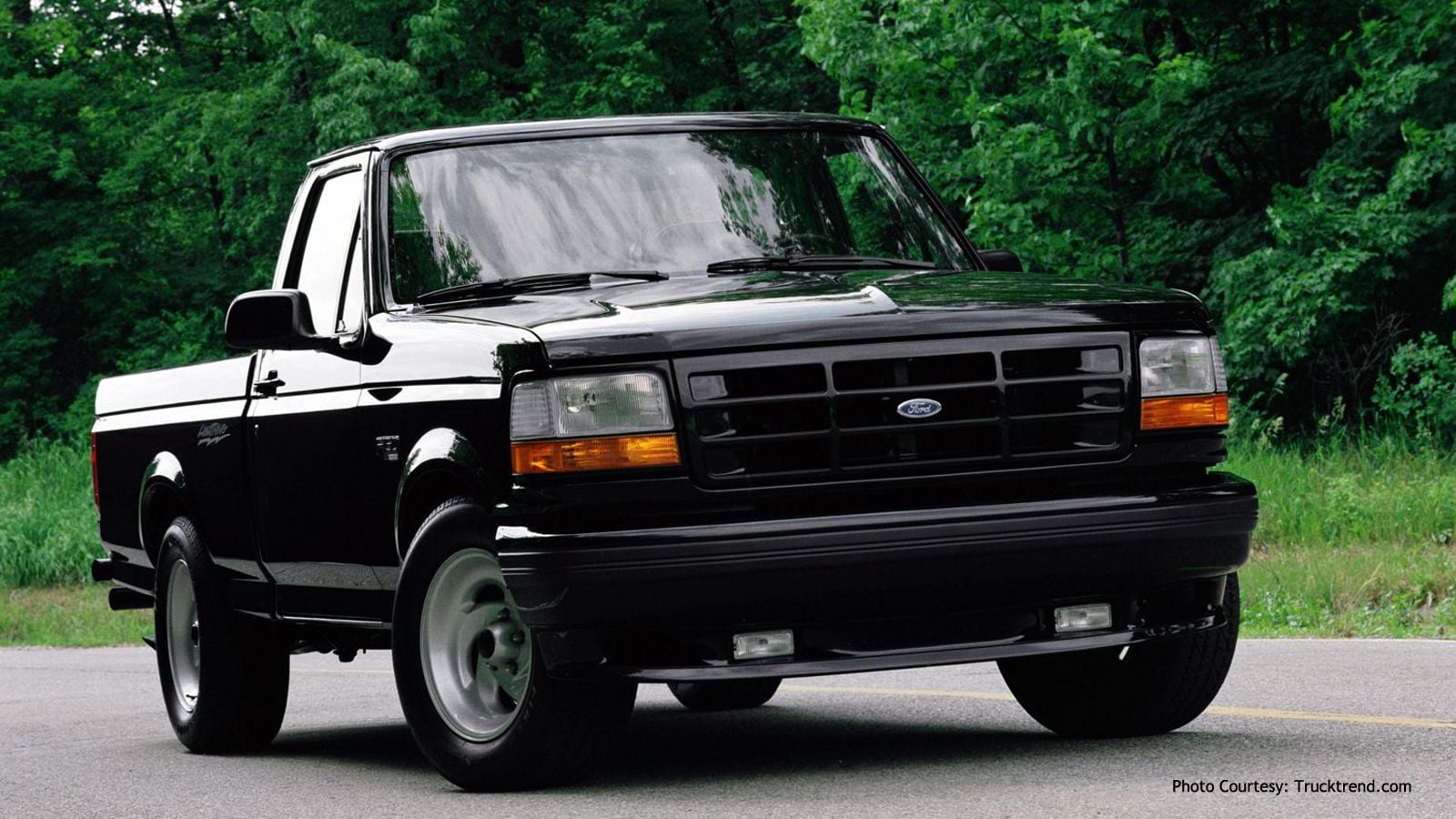
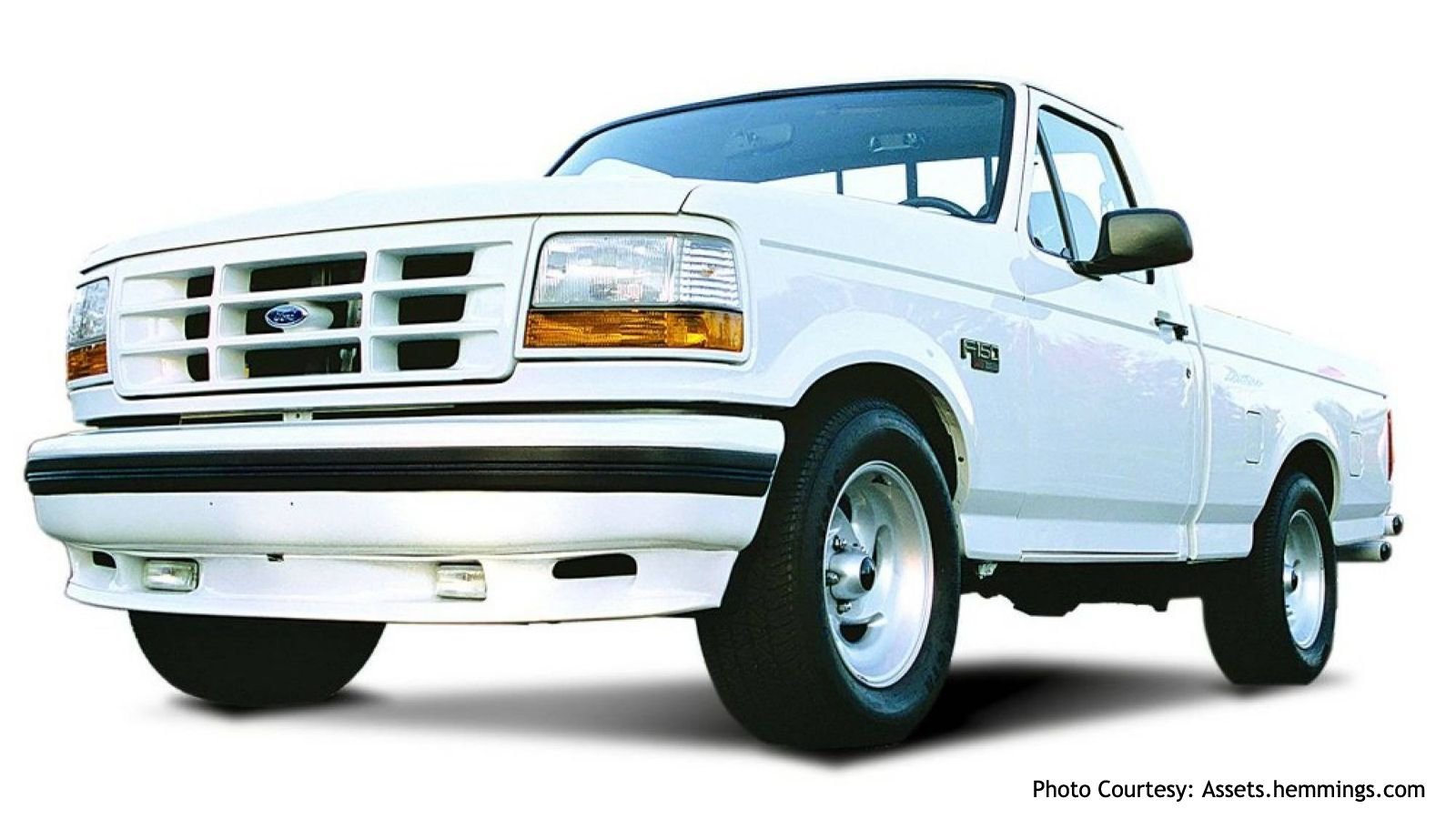
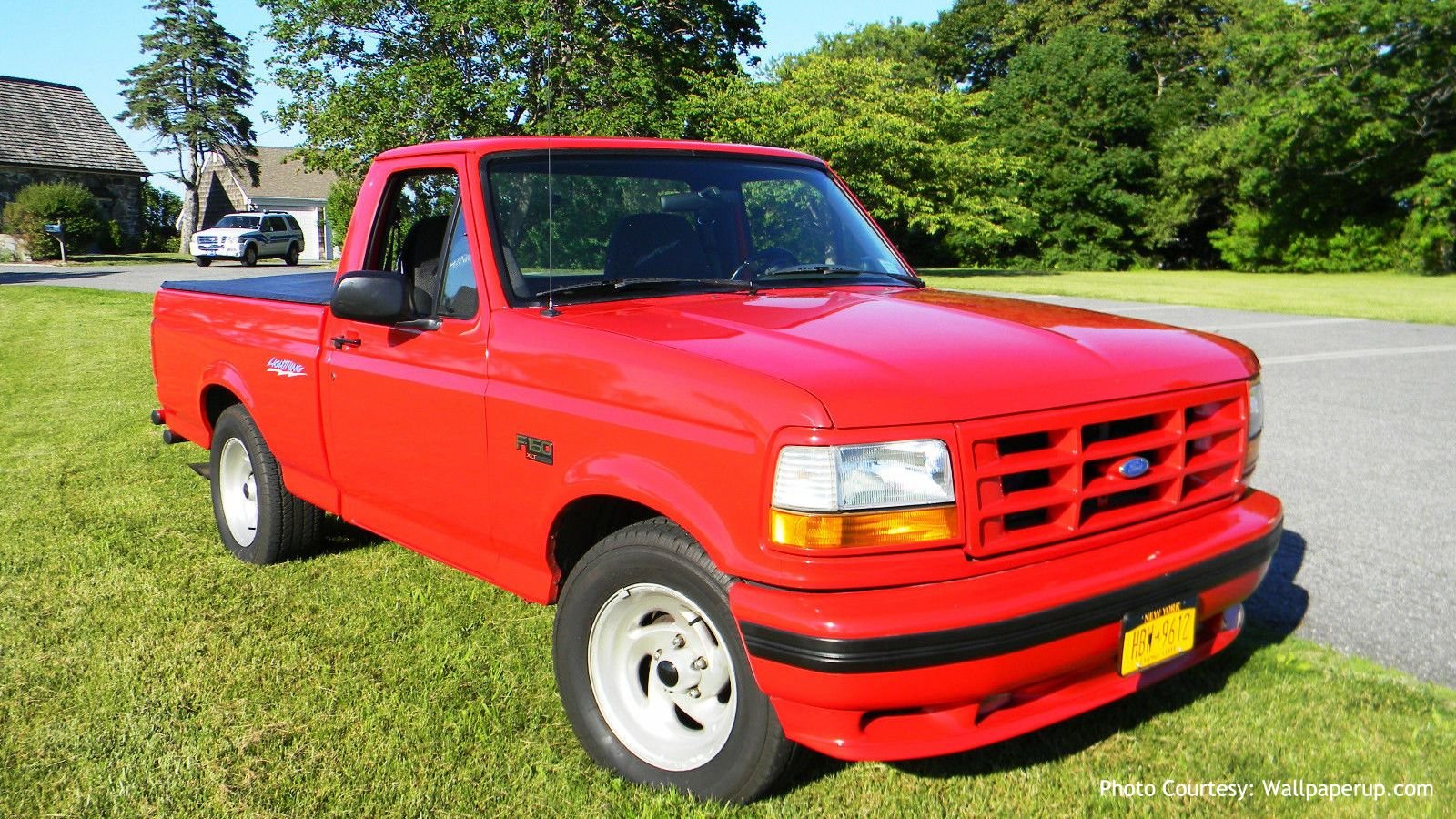
Unlike most cars, the Ford F150 SVT Lightning didn't come in a variety of paint colors. The SVT was introduced in two colors only in 1993: black and red; however, in 1994, Ford introduced an additional white paint color to complement their collection.
>>Join the conversation on the 5 facts here in Ford-Trucks.com!
3. SVT Shell
Unlike all trucks nowadays, the exterior shell of the Ford F150 Lightning SVT didn't come with too many options, so whether you liked long bed, double cab, or extended cab, the option wasn't yours; the SVT only came in one exterior shell: a standard cab with a short bed.
>>Join the conversation on the 5 facts here in Ford-Trucks.com!
4. High Flow Rate
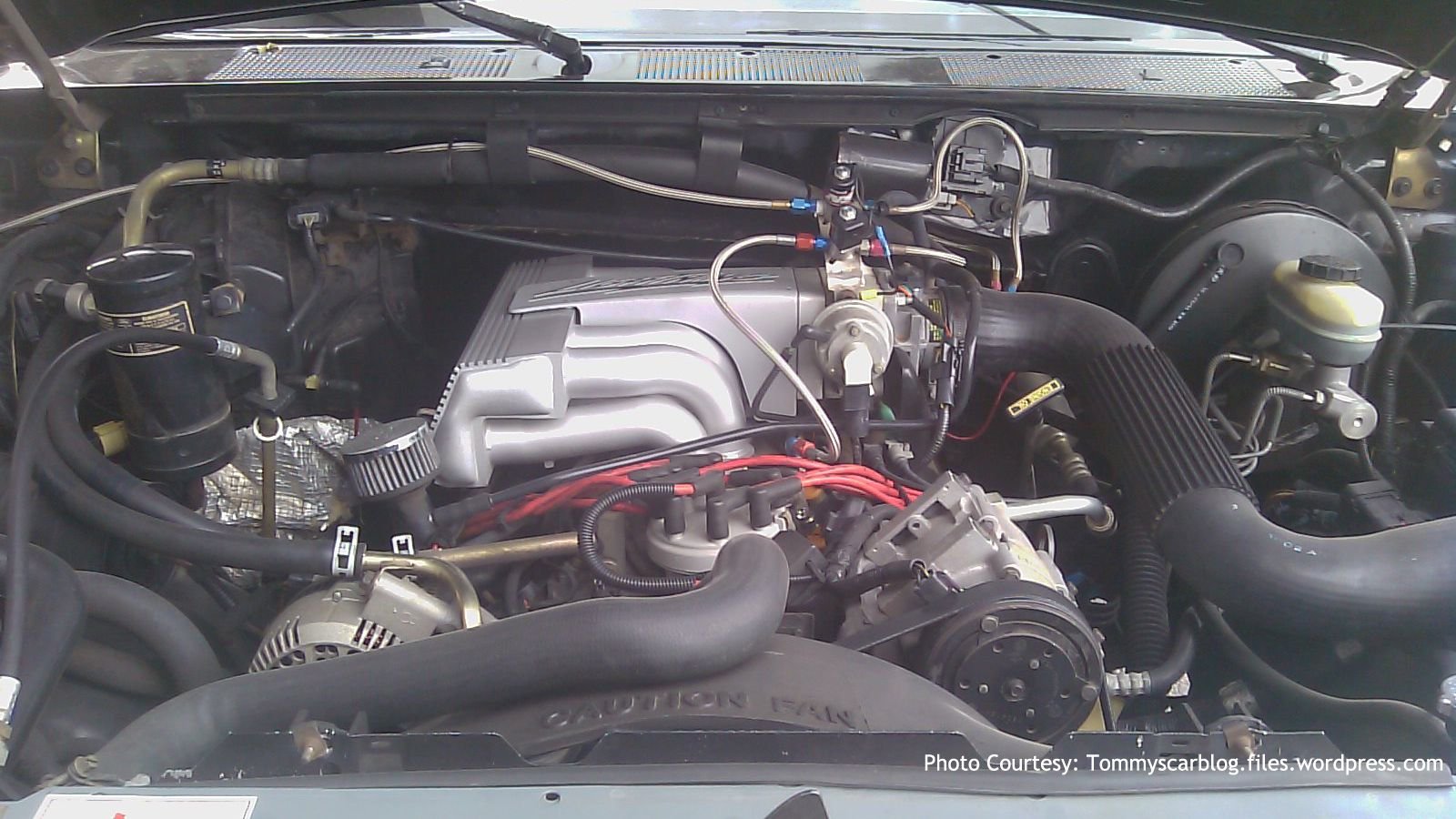
The Ford F150 Lightning SVT used the same 351cid engine they used for the regular F150, but to make it special, the engineers fitted high flow rate heads and hypereutectic pistons in it, which tremendously increased its response and power.
>>Join the conversation on the 5 facts here in Ford-Trucks.com!
5. SVT's Firsts
The Ford F150 SVT Lightning featured a lot of first; for instance, it was the first F-Series to have bucket seats, the first F-Series to have dual exhausts, and the first F-Series to have 17" wheels, which makes this truck definitely special when compared to the normal F-Series trucks.
>>Join the conversation on the 5 facts here in Ford-Trucks.com!
For information on maintenance or repairs, visit our how-to section here.