
10 Ways Lincoln is CRUSHING the Luxury SUV Game (& 1 Major Flaw)
Lincoln is making spectacular luxury SUVs here in 2026, enough to shame other luxury brands like Lexus and Audi. But do enough people know?
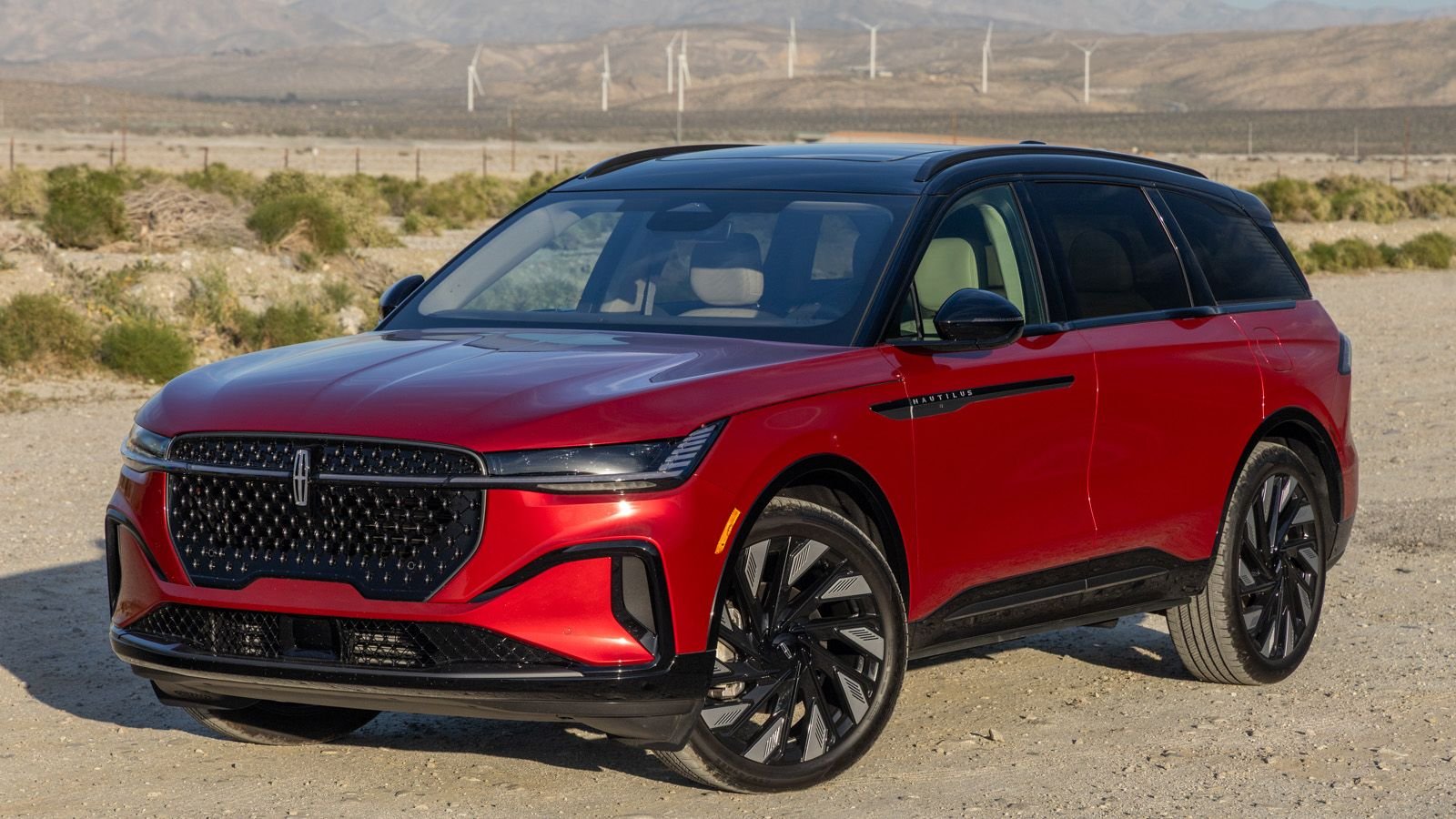
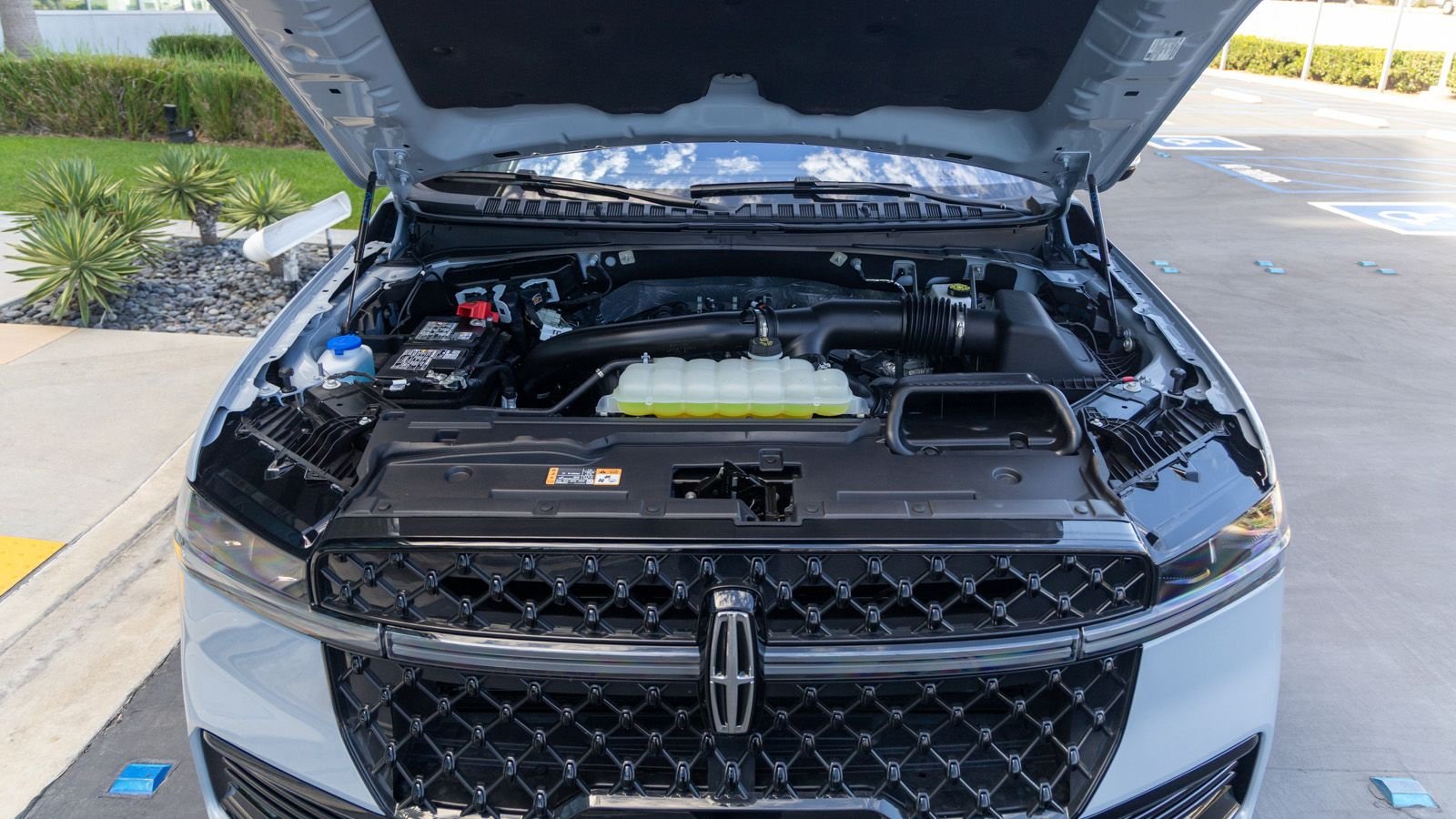
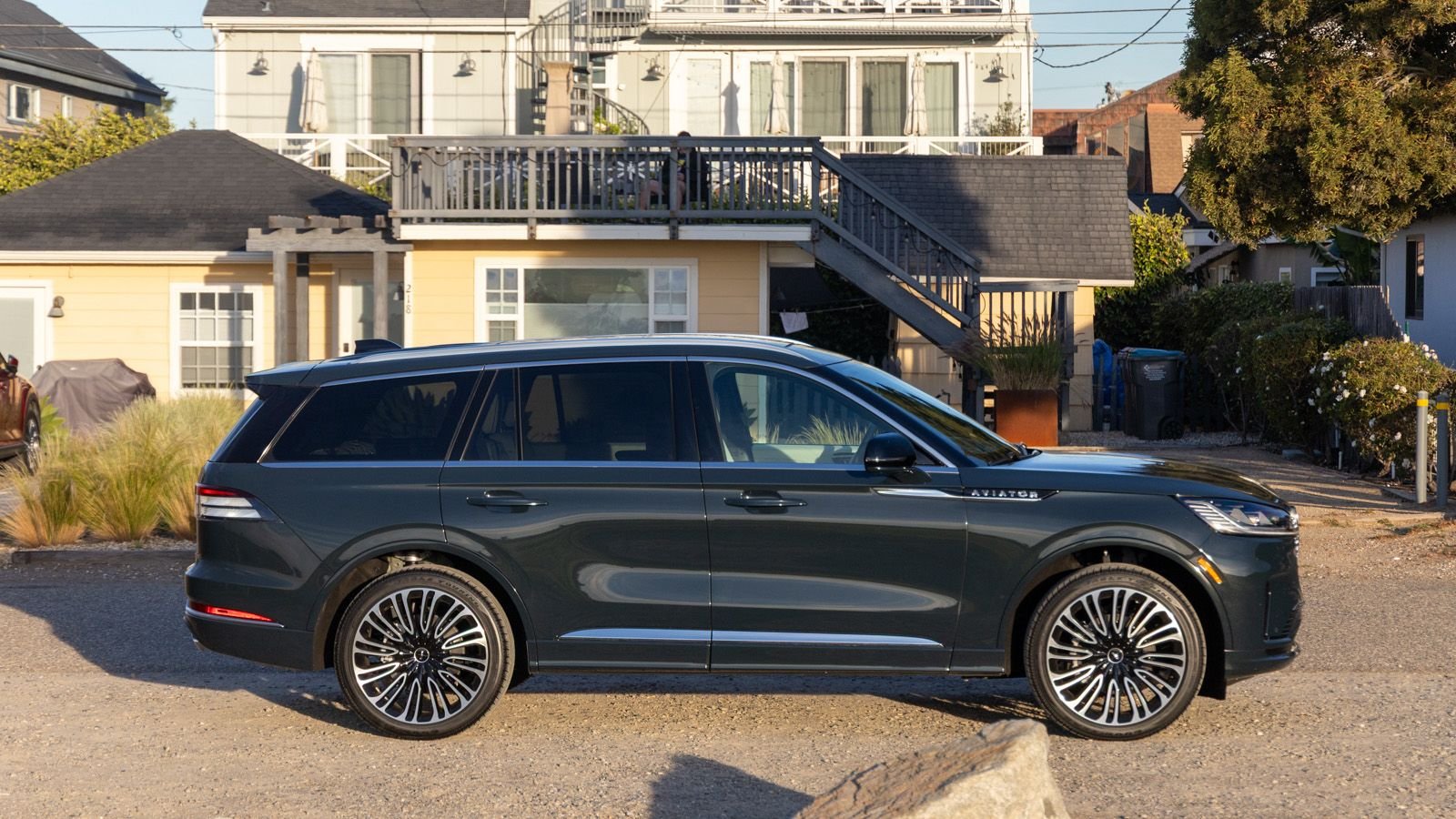
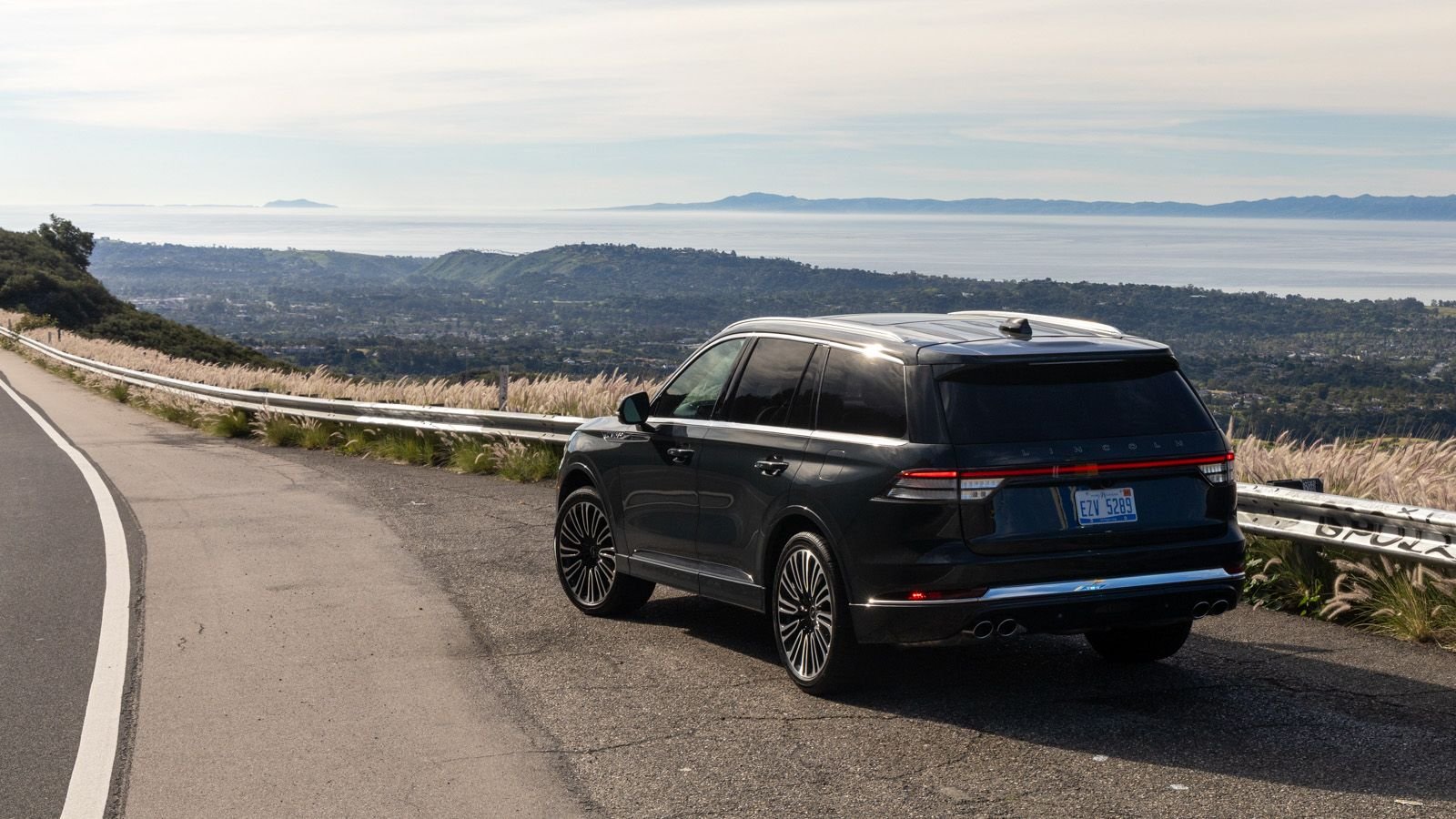
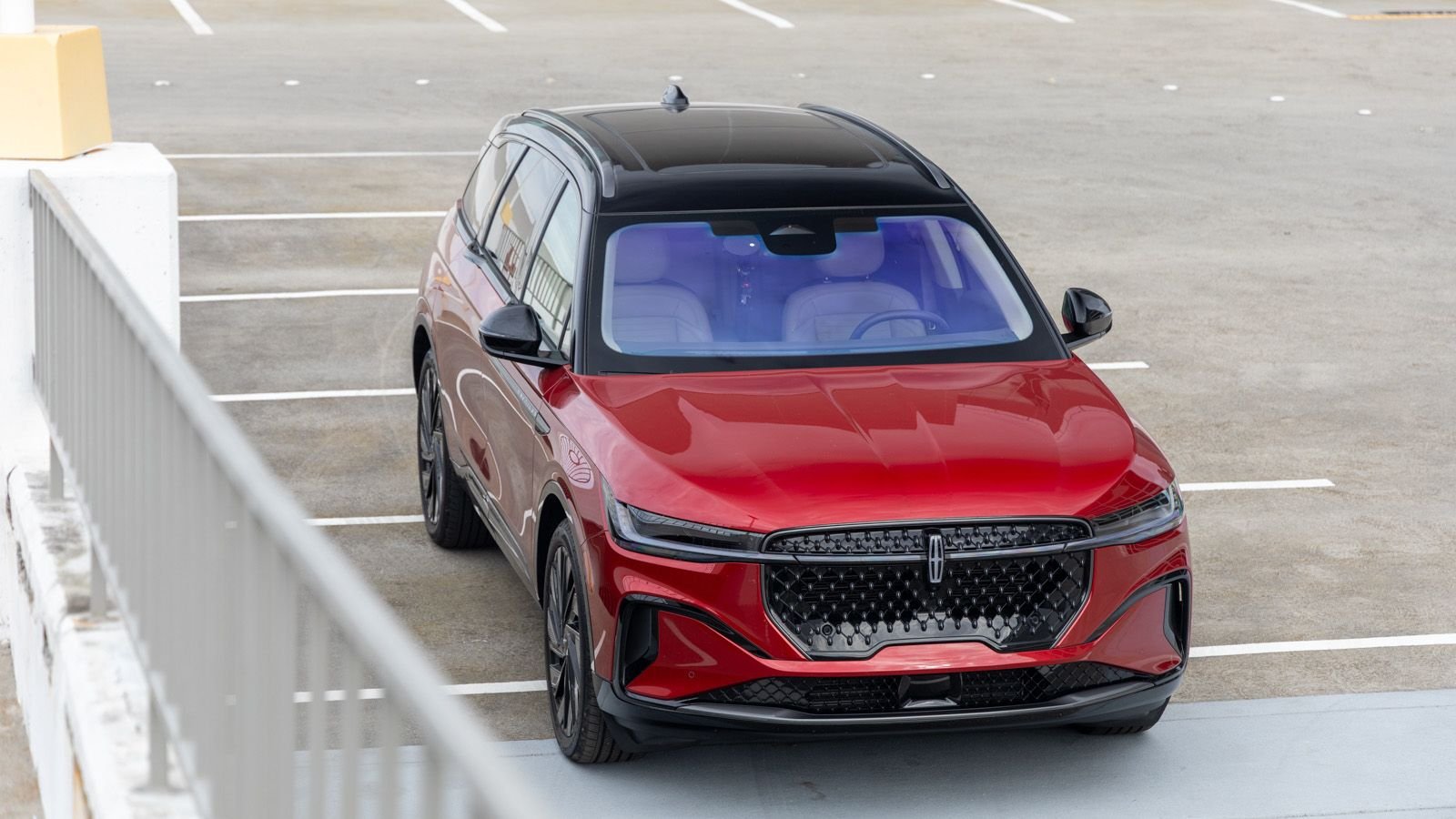


A Trilogy of Luxury Lincolns Tested
American luxury automakers like Lincoln and Cadillac were once automotive and cultural icons. The ultimate status symbols for industry titans and executives rising through the ranks. But over the decades, as Americans gained access to premium European brands while (relatively) newer luxury monikers from Asia appeared, American luxury brands seem to have struggled to find their place in an increasingly crowded market.
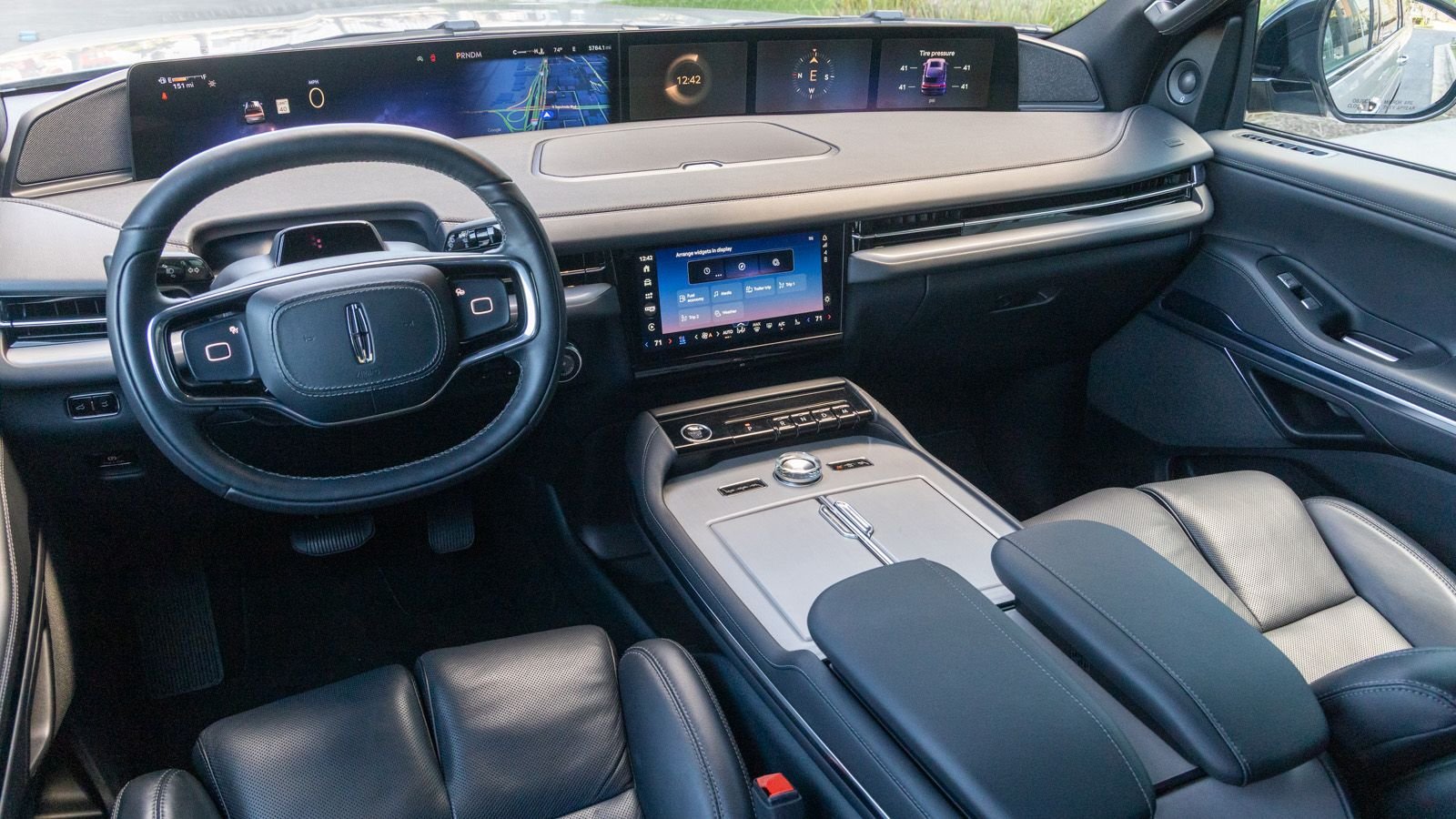
In other words, here in 2026, with all of the available luxury offerings, what does it really mean to drive a Lincoln? And are Lincolns worth the premium price over well-appointed Fords?
Over the last few months, I've spent roughly three weeks daily-driving a trilogy of new Lincoln models -- the full-sized body-on-frame Navigator, the seven-passenger Aviator, and the surprisingly spacious, five-seater Nautilus. Three genuinely luxurious SUVs I'd argue show how far Lincoln has reinvigorated what it means to offer value as a modern luxury vehicle. And so, based on these experiences, here are the 10 ways Lincoln is absolutely crushing its luxury SUV game, along with one major flaw holding them back.
1. Spectacular Seats
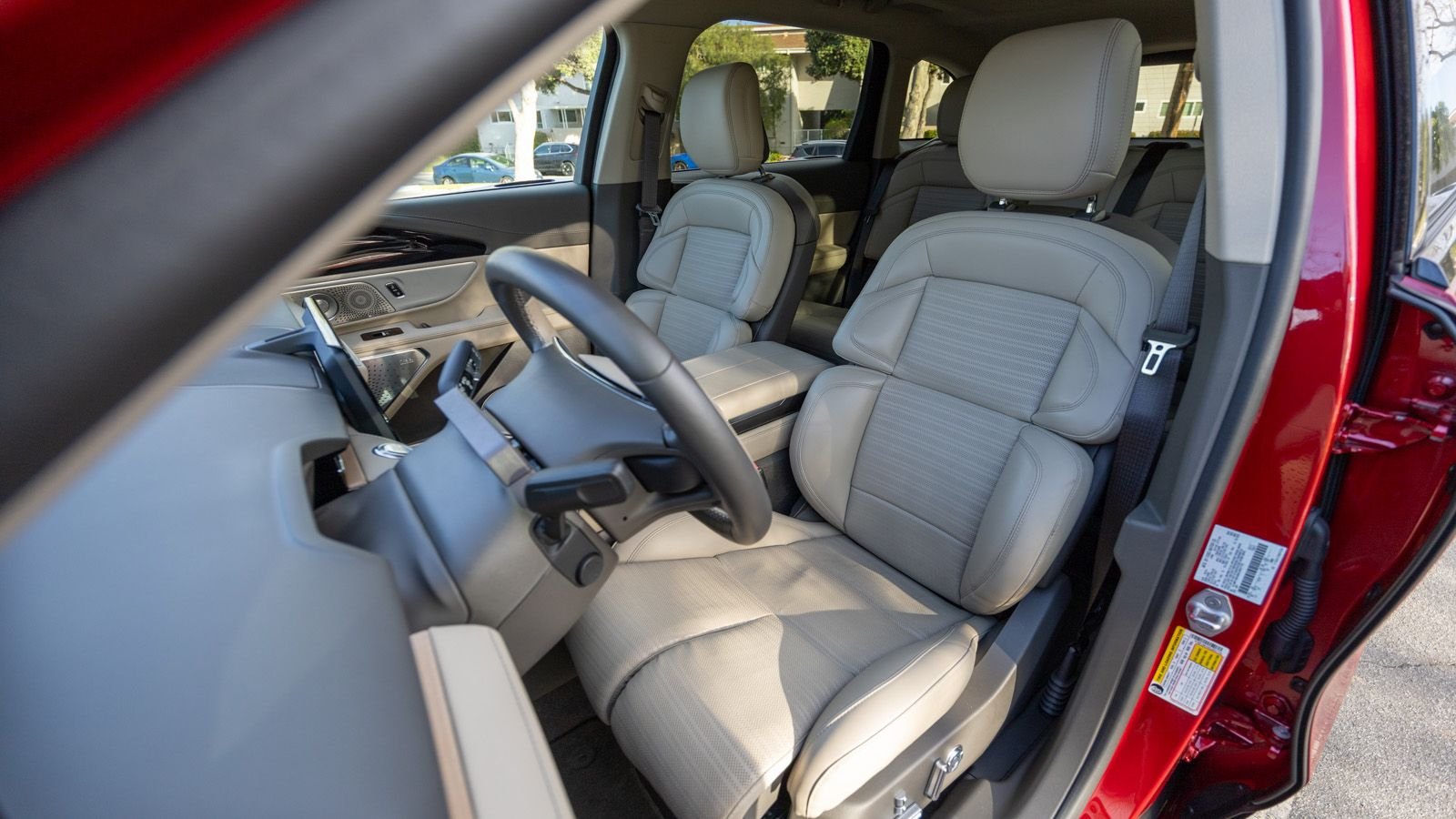
This might sound strange to start with something so specific, but that's because you can order a Navigator, Aviator, and Nautilus with similar front seats that offer 24-points of adjustment, plus heating, ventilation, and massaging built right in. To put it bluntly, these are some of the best seats on the market today, beating many other luxury brands. The leather itself is supple and soft, and, with all the adjustments, you can fit the seat to almost any body style. Want something ultra-supportive, like a Recaro out of a Mustang or Raptor? Or do you want something more like driving down the highway on your favorite reclining sofa? Your choice. These seats are terrific and nothing Ford offers can match them..
2. Worldclass Interiors
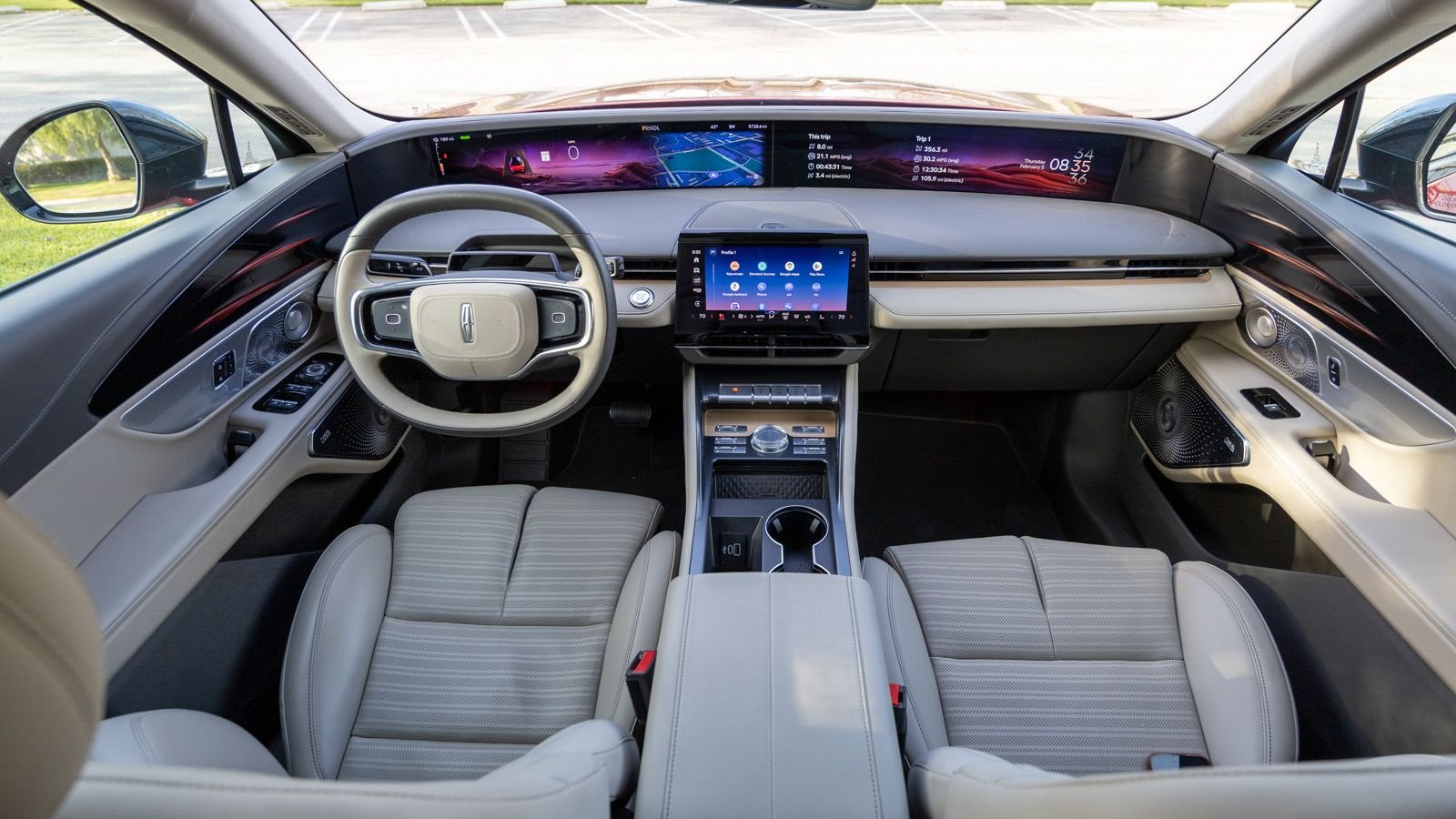
Inside, the new Lincolns feel like you've mixed up your reservation and ended up in something made over in Germany. No joke, the current generation of Lincoln interiors shames all but the very most expensive Lexus and Audi models. All of the touch surfaces are wrapped in leather with real wood and metal elements that would be at home in much more expensive models. Even the gear selection involves clicking what looks like piano keys, rather than a cheap-looking dial. Speaking of dials, on the Navigator and Nautilus, the volume knob is a clear crystal that looks like it was lifted from a Bentley or something upscale.
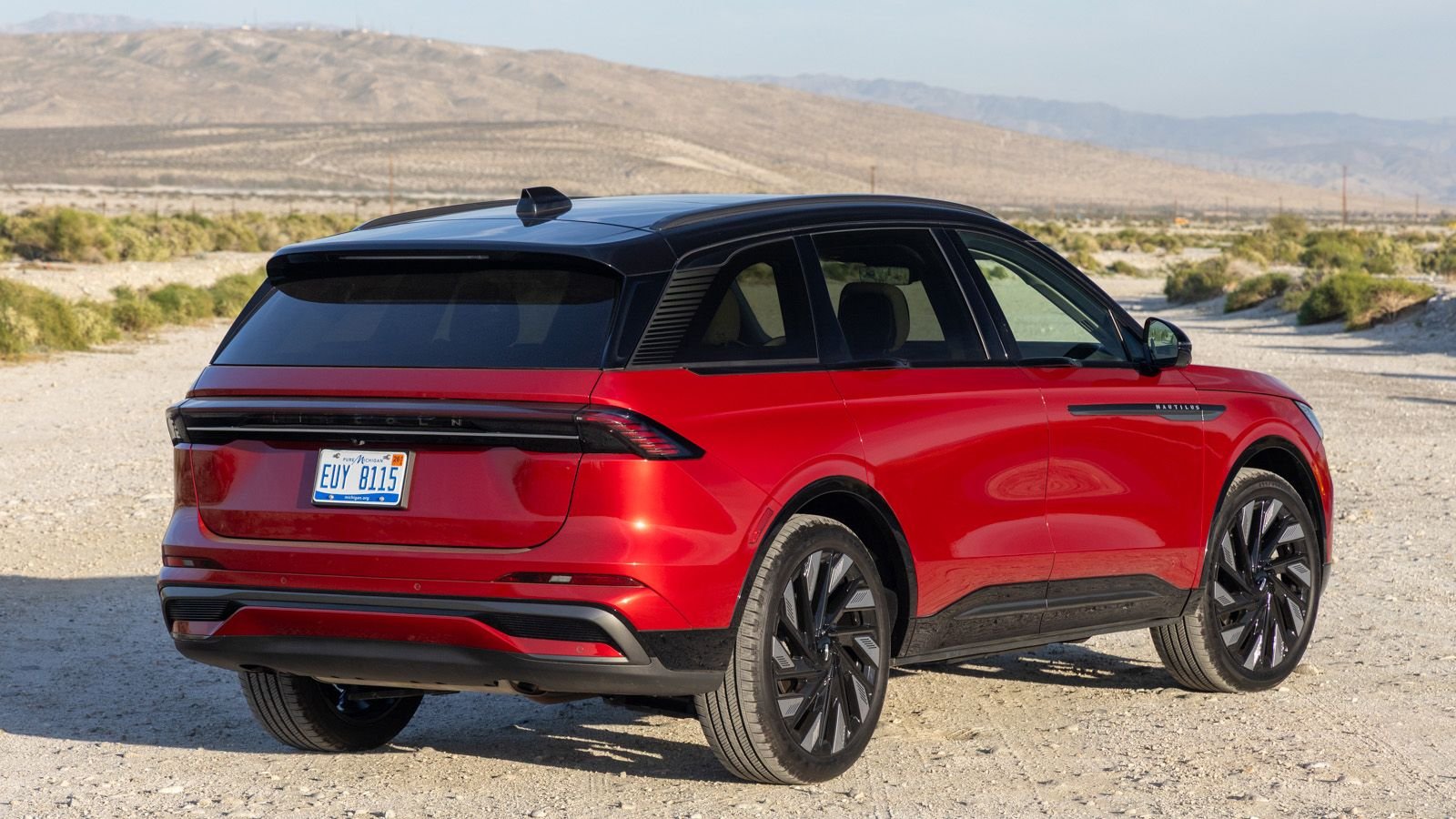
The Nautilus, particularly, stands out because it offers a very similar interior to the Navigator at roughly half the price.
3. Smart Technology
We'll talk about the screens in a moment, but the Lincolns are otherwise packed with technology. Wireless smartphone interfaces that integrate with the gauge cluster. Scent options in most of the models. Massaging seats, as we've discussed. Lightning signatures that put on a show as you approach or lock up your Lincoln. Ambient lighting inside. And the Revel sound systems are excellent. Tons of customization to add or take away surround sound processing, and very accurate tonal reproduction across a wide range of high, mid, and low frequencies. Lincolns, naturally, share the bones of their technology suites with Fords, but Lincolns have the best of the best (of the best).
4. Peak Screens Done Right
All three Lincolns feature the latest Google app-based variant of the Ford Motor Company infotainment systems. Overall, they're just a little smoother and quicker than the previous SYNC 4 and 4A systems. But the Navigator and Nautilus take things one step further by wrapping screens across the entire dash. To be fair, it's definitely a gimmick and a sign of the times. We have reached peak screens. But outside of some less-useful widgets taking up space, the result is something that feels integrated, authentic, and artful. There might be a screen everywhere you look, but it doesn't feel tacked on, and Lincoln uses its graphics -- which are never slow or frozen -- to enhance and overall sensation of relaxation, turning the daily commute into a day at the spa.
5. Refined Suspensions
Of the three Lincolns we tested, they each approach comfort and handling differently. The Navigator is a massive body-on-frame SUV that shares a platform with the Expedition and F-150. The Aviator and Nautilus are both unibody SUVs where the frame is integrated into the structure of the SUVs themselves.
And they all drive like a dream.
The Navigator hides its weight extremely well -- at least until sharp corners -- and is one of the smoothest body-on-frame vehicles on the market. Seriously, Lexus needs to have its GX and LX engineers study the Navigator. Ultimately, the Navigator feels like a modern take on driving iconic Lincolns from the 1960s and 1970s.
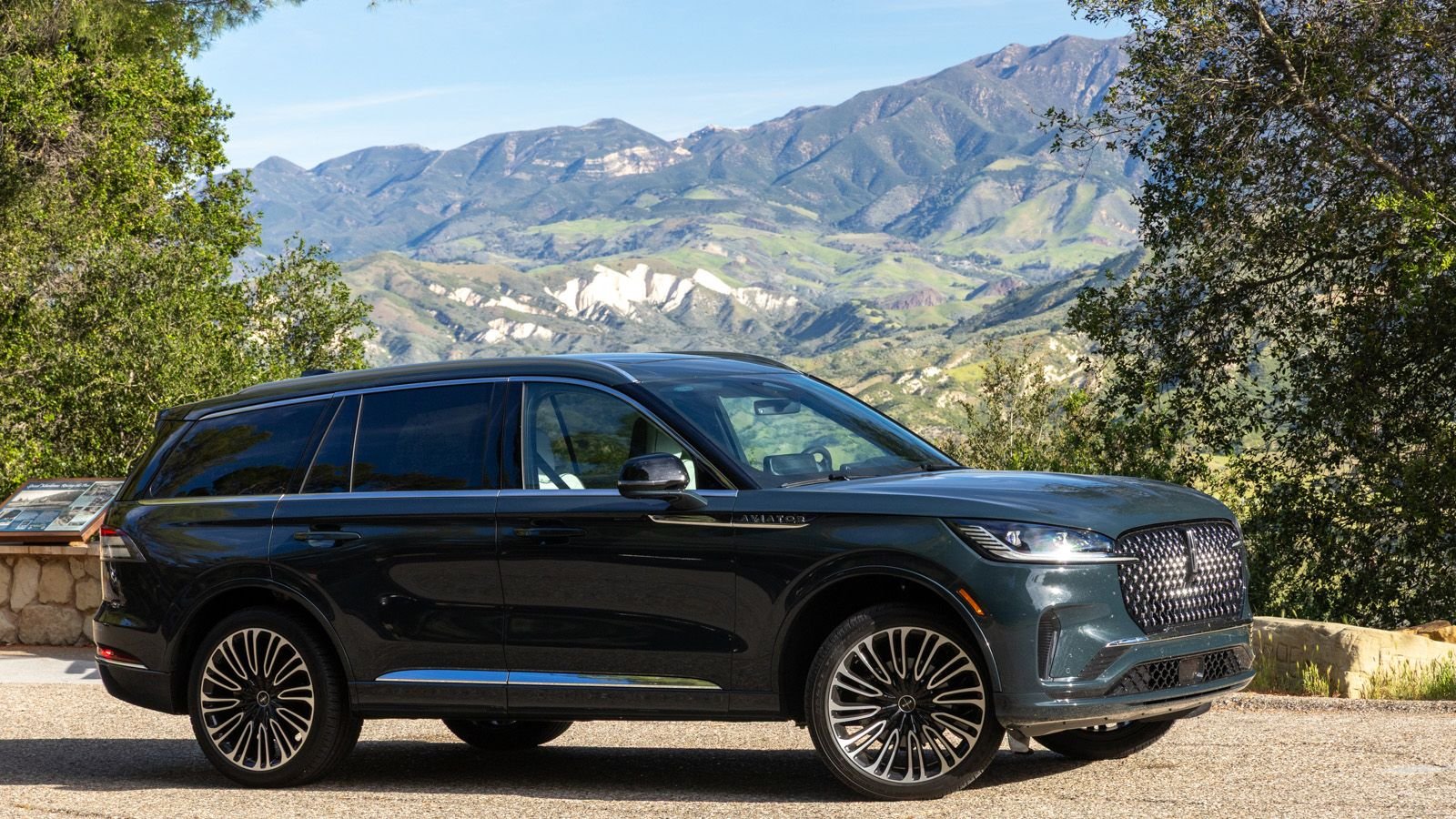
The Aviator -- built on a shared platform with the Explorer -- is sportier. It feels almost like a German SUV, hiding the road's worst imperfections while maintaining a tightness that allows the driver to be as playful as they want. The Nautilus might be the most comfortable. Built on a shared platform with the Maverick and Bronco Sport, the Nautilus is extremely comfortable, delivering a pillowy, luxury ride reminiscent of luxury cars from the 1980s. It's a touch too floppy-soft, at times, and suffers from more NVH than the others. But otherwise lovely.
Regardless, all of them offer a luxurious ride that some companies -- ahem, Lexus -- seem to have forgotten how to provide.
6. Upgraded Powertrains
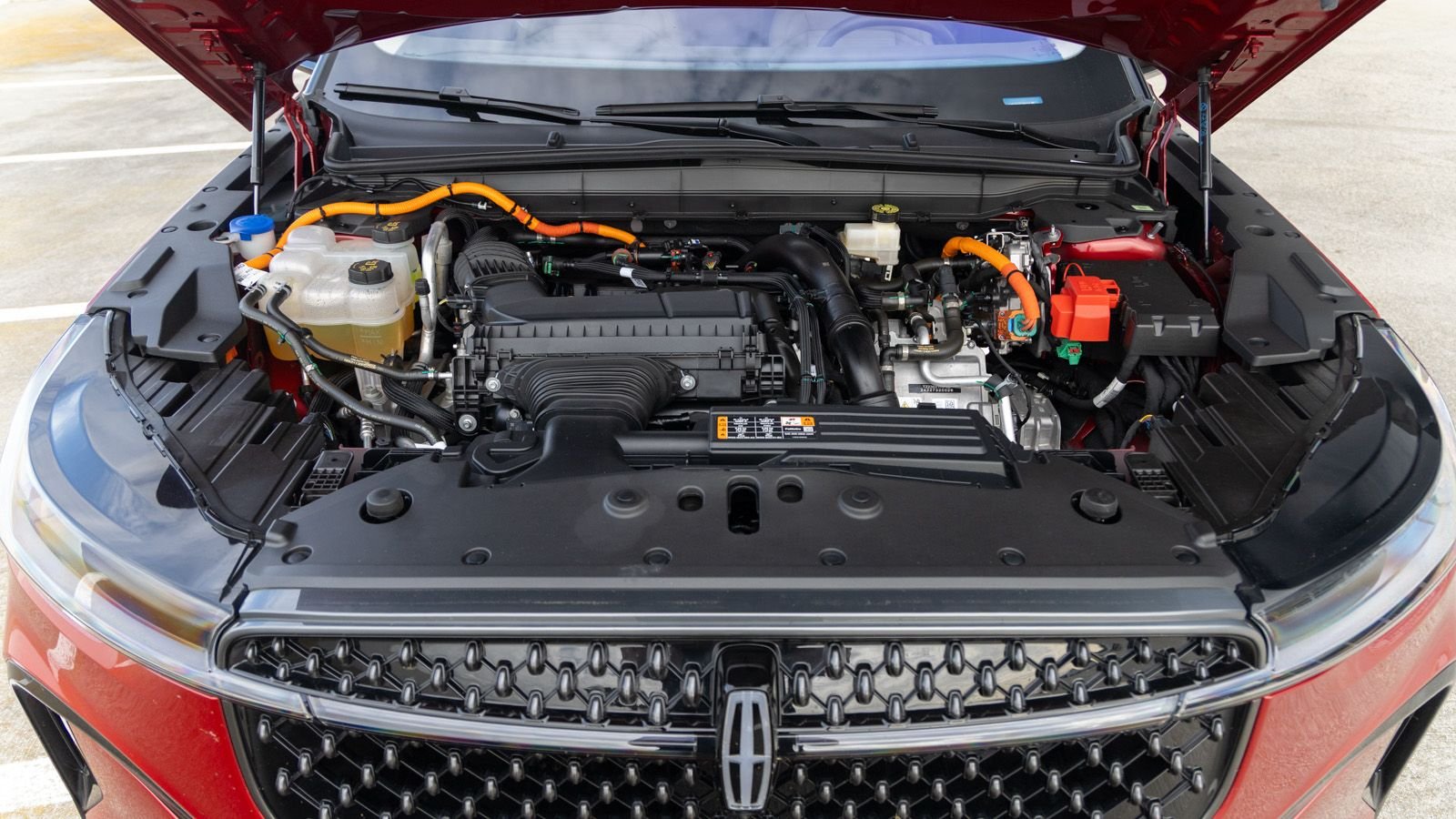
When you're driving a Lincoln, you don't have to suffer from a mediocre base engine. Case in point, with the Navigator, the High Output variant of the twin-turbocharged 3.5L EcoBoost V6 is standard, making 440 hp and 510 lb-ft of torque. Over in the Aviator, it gets the 400-horsepower 3.0L twin-turbo EcoBoost V6 from the Ranger Raptor and Explorer ST as its only motor. And with the Nautilus, you can either snag a 250-horsepower 2.5L turbocharged EcoBoost 4 cylinder (the premium engine in the Bronco Sport and Maverick), or step up to the 300-horsepower hybrid iteration, which is both quicker and more fuel efficient. I call that a win-win.
7. Slick Styling
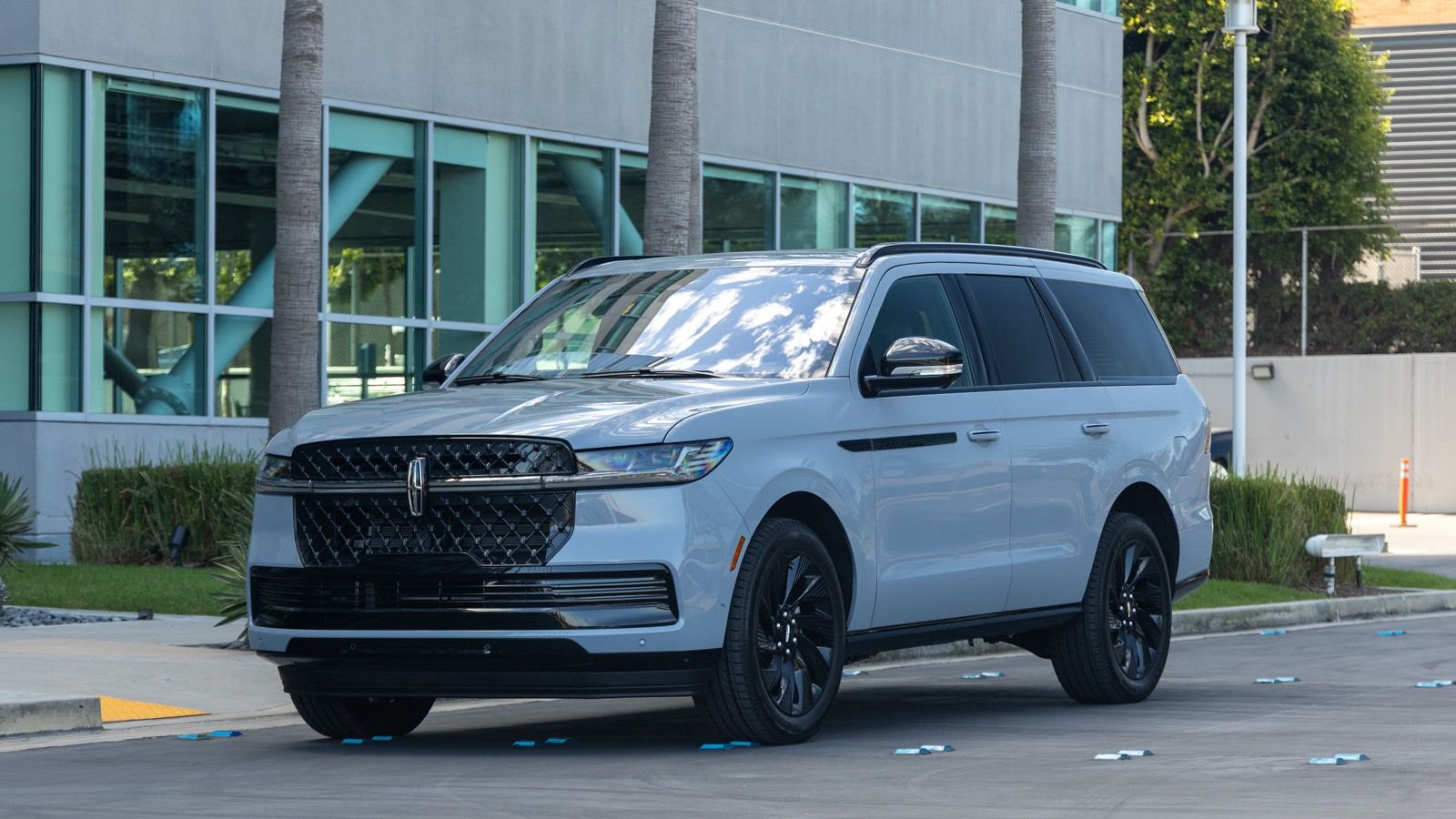
Looks are always subjective, but Lincoln is really killing it with sharp, classy designs that transfer across their entire SUV lineup. The grilles especially aren't too big or too small, and each one is filled with little Lincoln logos. The exterior lighting is also great, with coast-to-coast daytime running lights that illuminate when you approach and/or lock the vehicle. Plus each of the SUVs have a swooping, flowing rooflines along with large, dramatically styled wheel designs.
8. Enhanced Warranties
When you buy a regular SUV from someone like Ford, you get a 3-Year/36,000-mile bumper-to-bumper warranty along with a 5-Year/60,000-mile powertrain warranty. Not bad, by any means. It's the industry standard.
But when you step up to a luxurious Lincoln SUV, you get a 4-Year/50,000-mile bumper-to-bumper warranty plus a 6-year/70,000-mile powertrain warranty, giving you more time and/or more miles without the worry of having to pay for an untimely manufacturer defect.
That said, some Lincolns even come with included maintenance...
9. Black Label Maintenance
Buying a Black Label Lincoln, like the Aviator we just tested, isn't just a trim level or an options package. It's also a key to unlocking a more luxurious service agreement with many included perks. These include four years (or 50,000 miles) of complimentary maintenance, remote vehicle delivery, pickup & delivery for service with loaners, anytime car washes, plus extra Rewards Points (that you can use to buy more Lincolns!), an annual curated gift, early access to new collections, and exclusive awards. Naturally, some of that is useless rubbish. Still, it seems like a pretty good value tucked into the price of a highly optioned model.
Either way, the Lincoln ownership experience is far more luxurious than what you'll get with brands like Ford.
10. BlueCruise Commuting
Not a Lincoln exclusive, of course. But much like its Ford siblings, all three Lincoln SUVs that we tested include various iterations of the company's BlueCruise hands-free driving system. What is BlueCruise, you ask? We've got a full primer right over HERE.
TLDR: many modern cars include a new version of cruise control called Adaptive Cruise Control. This not only lets you set a speed, but also a follow-distance behind any vehicle that's in front of you. These systems often include lane-centering technology that keeps your vehicle centered between detectable lanes on the highway. With these two features activated, your car will essentially drive itself, but you have to keep your hands on the wheel at all times.
BlueCruise goes one step further.
On most divided highways here in the U.S., BlueCruise allows you to go hands-free in stop-and-go as well as highway speed traffic. You have to keep your eyes on the road, of course (there's a camera watching you), but BlueCruise will drive you down the highway and, depending on the version, keep you away from larger vehicles, and even change lanes to pass slower traffic.
It doesn't work off the freeway, but for highway commutes, it works really well, save for places with a lot of merging lanes or construction zones with damaged lane markings. Overall, BlueCruise is a big stress reducer that makes commuting and road trips as relaxing as they can be. (Plus, BlueCruise is a much better driver than most humans these days.)
The One Problem?
It doesn't feel like enough people know about how good Lincoln has become.
Like many automakers, Lincoln struggled during the pandemic years with annual sales dropping into the low 80K range for 2023. And although the company has been back over 100K units sold for 2024 and 2025, the company is well below its high watermark when the brand sold over 200K vehicles in both 1989 and 1990. Much of this comes down to selling fewer models, a challenge Lincoln may face again as it drops the Corsair from its lineup. And, one could argue that Ford's own luxury game has improved dramatically on models like the F-Series, Explorer, and Expedition, which likely cuts into sales.
Still, it seems like Lincoln is flying under the radar amongst luxury buyers who are more likely to buy something from Europe or Asia than the U.S. But given our experiences over the last few months, we'd humbly argue that Lincoln is back in a big way, producing genuinely high-end, luxury SUVs that are also a joy to drive around town or over longer adventures.
Images: Michael S. Palmer