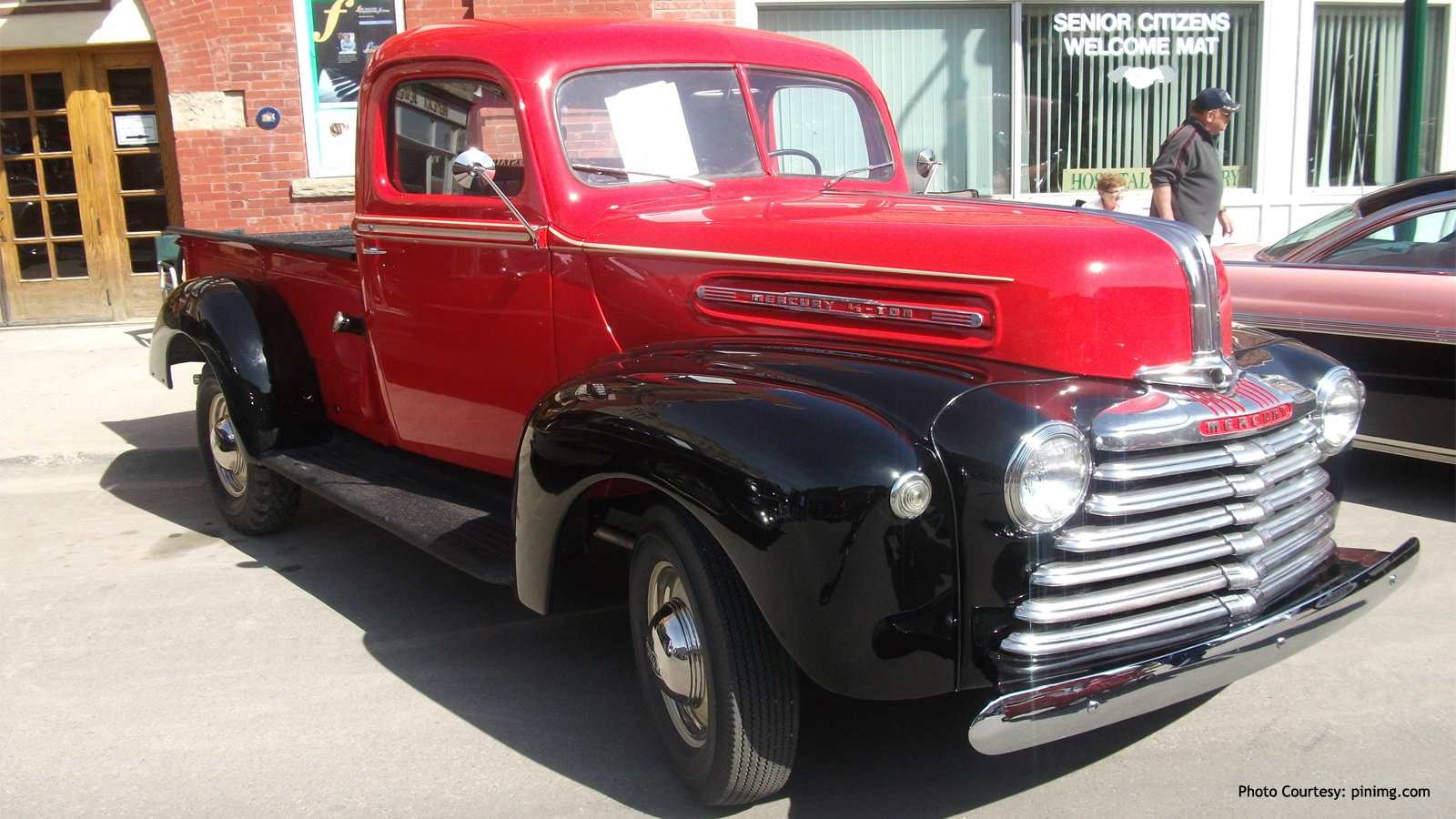
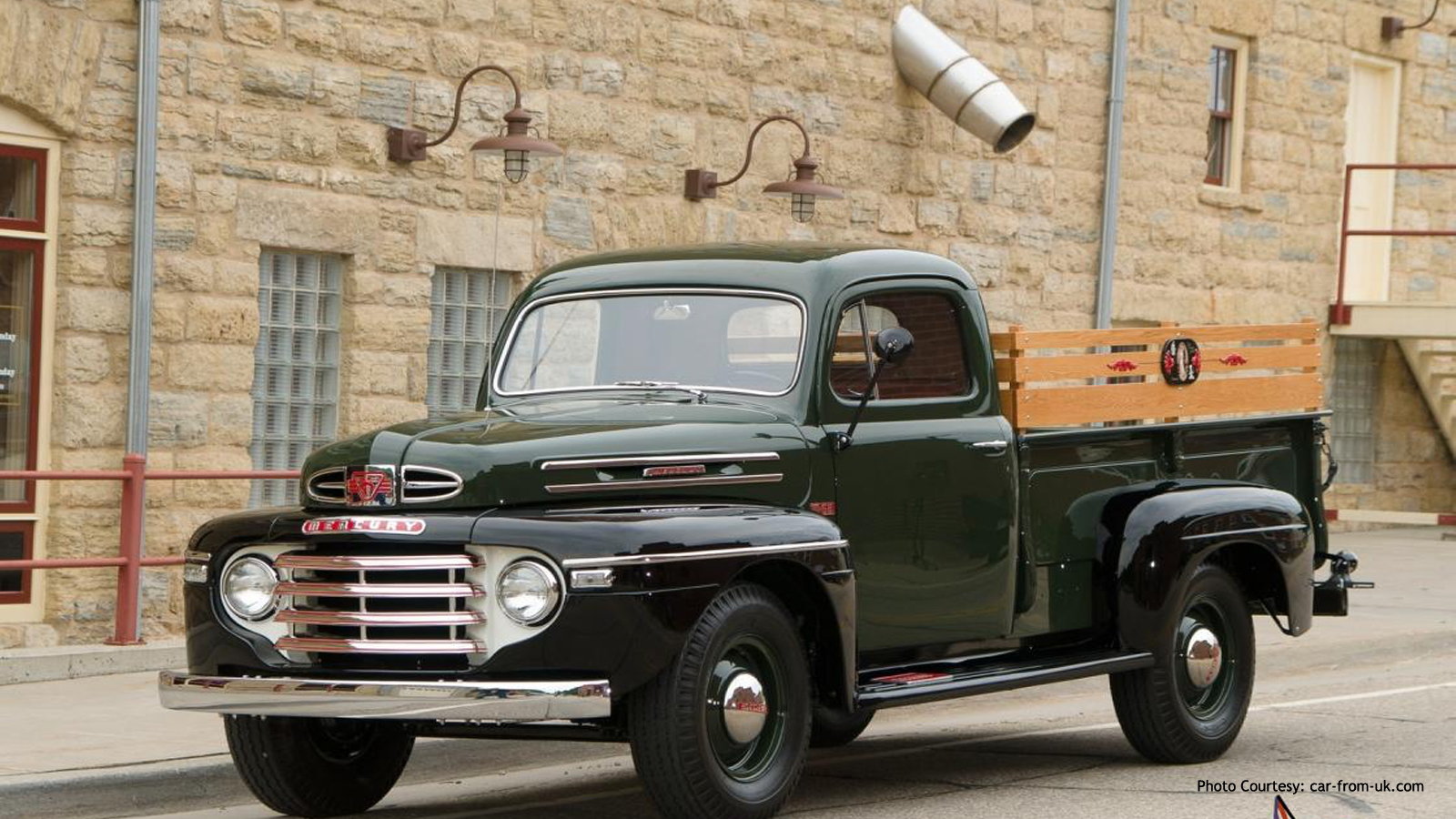
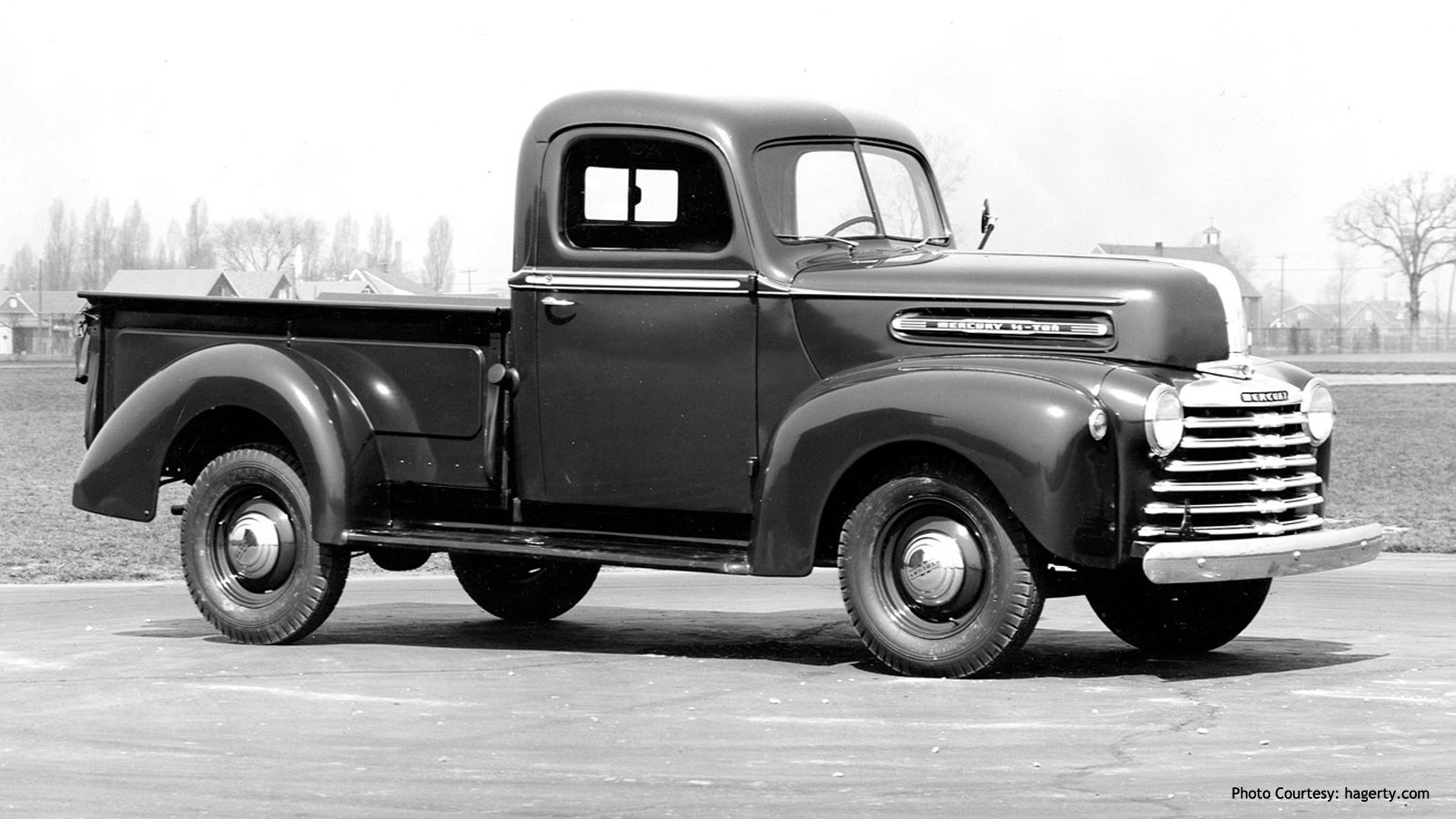
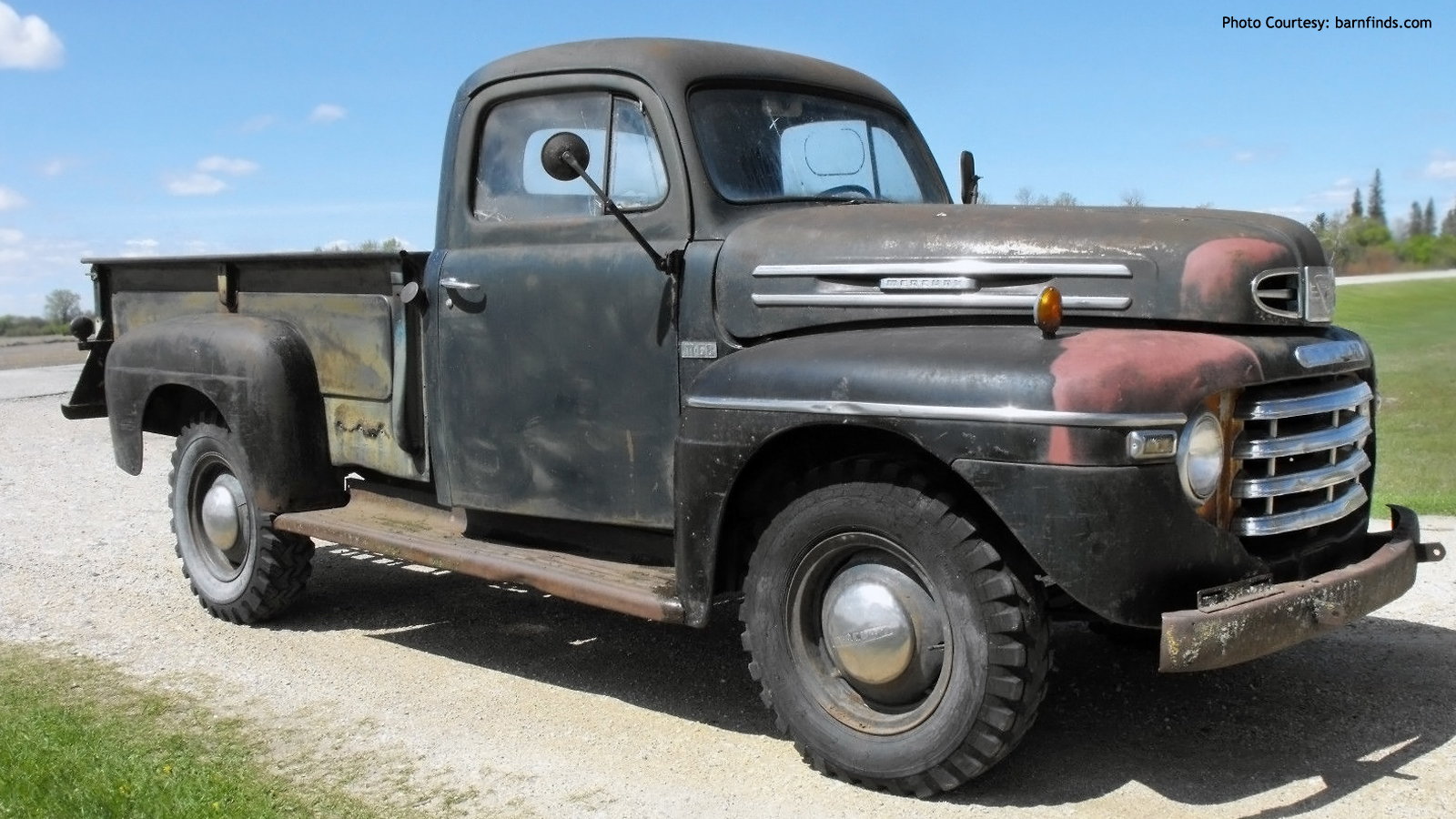
If you were around Canada in the '40s, '50s, or the '60s, then you may have seen these Canadian Mercury trucks cruising the streets.
1. Appearance in Canada
The Mercury trucks first appeared in Canada in April of 1946. Canada offered their trucks at a much lower price than the USA, which is due to the lower living expenses, as well as the lower taxes. The similar Ford trucks that were selling in the USA were quite identical, but the taxes added 20% to the sticker price.
>>Join the conversation on the 10 Facts About the Canadian Mercury Trucks here in the Ford-Truck forum.
2. Canadian Mercury Dealers
The smaller Canadian towns had either Ford Monarch dealerships, or Lincoln Mercury dealers, but they didn't have both. The Canadian dealers that targeted the low-price market sold the Meteor, which is a Ford-like Mercury, while Ford dealers sold the Monarch to the higher-class market, which is a Mercury clone.
>>Join the conversation on the 10 Facts About the Canadian Mercury Trucks here in the Ford-Truck forum.
3. Canadian Made Mercury Trucks
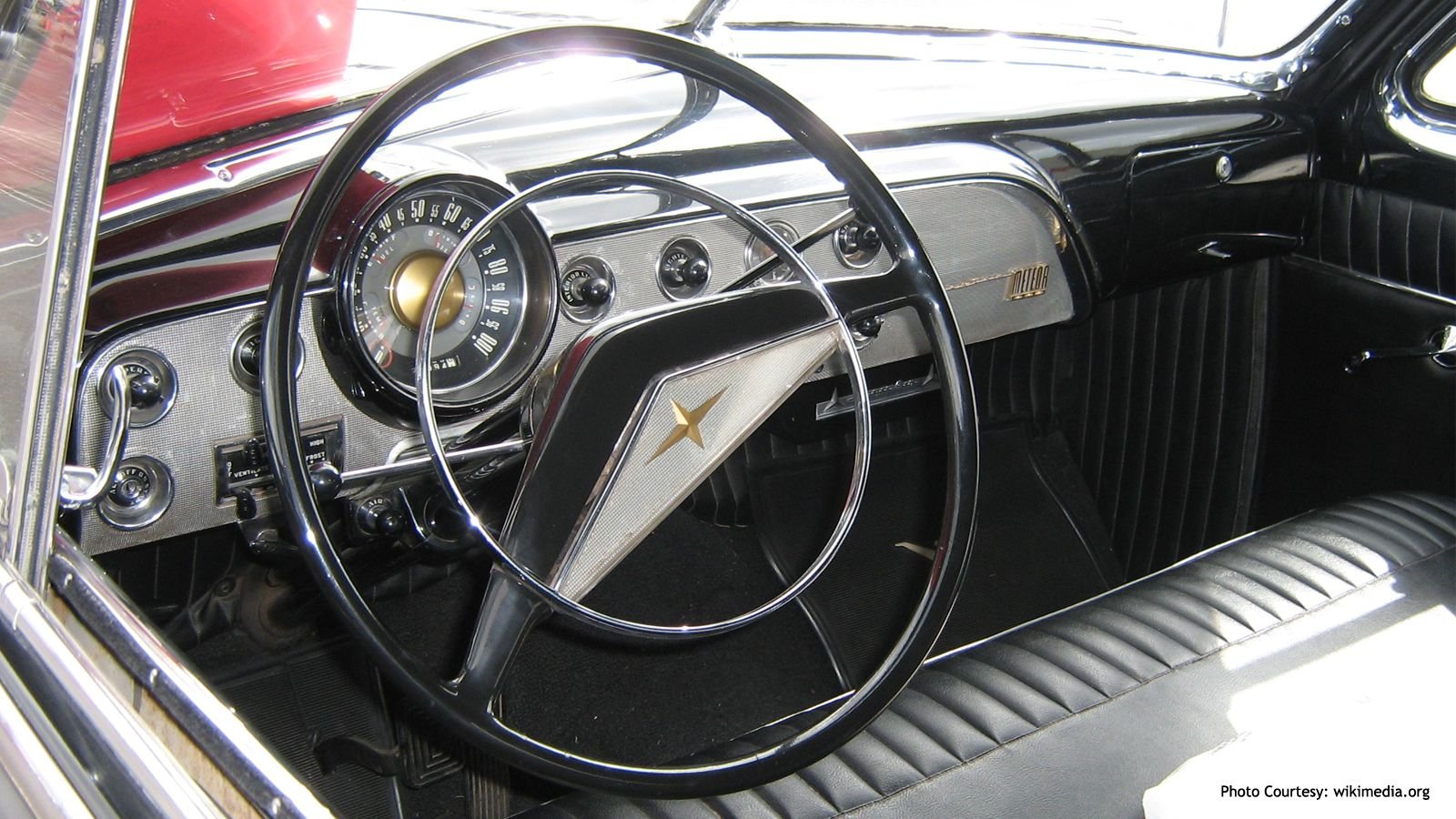
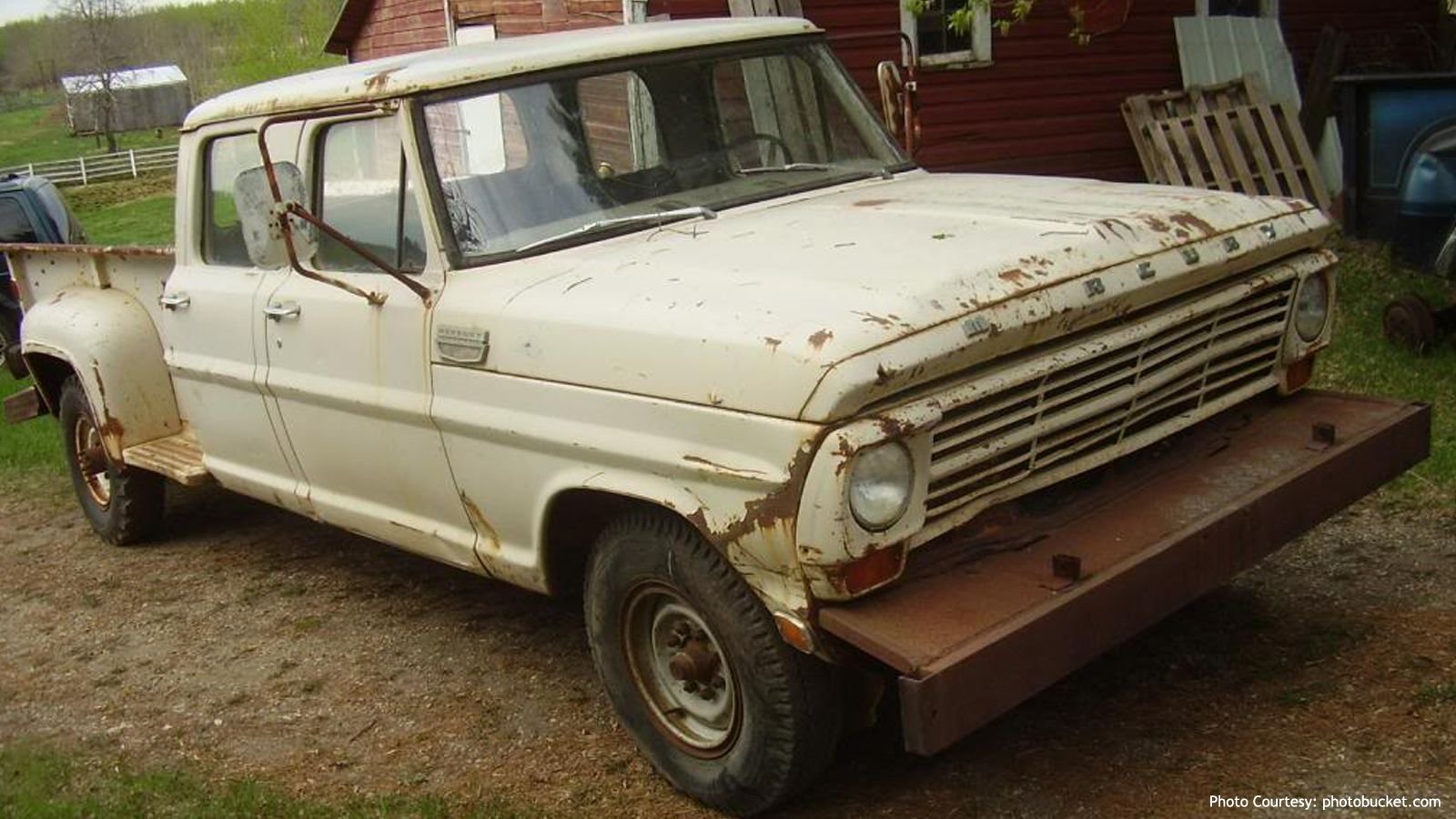
The Canadian-made Mercury trucks differed cosmetically from the USA's Fords. The Mercury had a grey, marble look to its dashboard trim, while Ford used a tan color. The Canadian Mercury trucks used heavily-chromed grilles, as well as heavily-chromed bumpers, while the Ford trucks offered more of a plain look, influenced by the pre-war models.
>>Join the conversation on the 10 Facts About the Canadian Mercury Trucks here in the Ford-Truck forum.
4. Post War Vehicles
In 1949, Mercury completely redid their trucks. For the postwar trucks, Mercury got all-new sheet metal for their trucks, which was similar to the American Fords. Prior to the war, the trucks featured the Monarch name on them, but in 1949, the Meteor made its first appearance.
>>Join the conversation on the 10 Facts About the Canadian Mercury Trucks here in the Ford-Truck forum.
5. Nomenclature
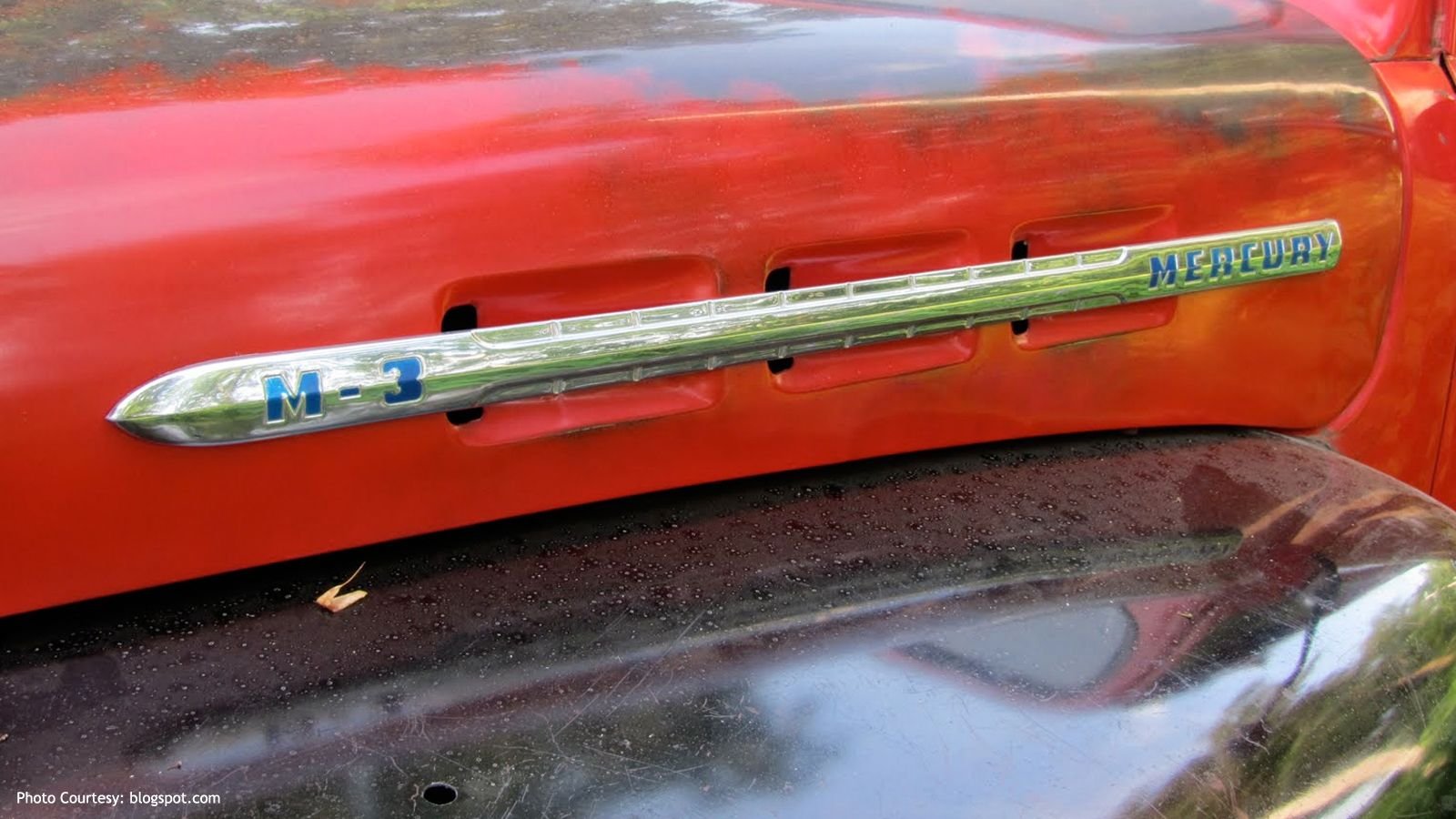
In 1948, Ford debuted their trucks' nomenclature, which were the F-1, F-2, F-3, etc. Canada used the same concept, but they changed the F to an M, which stood for Mercury. The number next to the letter stood for the truck's weight rating, minus the zeros. For instance, the M-68 meant the gross weight rating is 6,800 pounds.
>>Join the conversation on the 10 Facts About the Canadian Mercury Trucks here in the Ford-Truck forum.
6. Canadian Truck Mechanicals
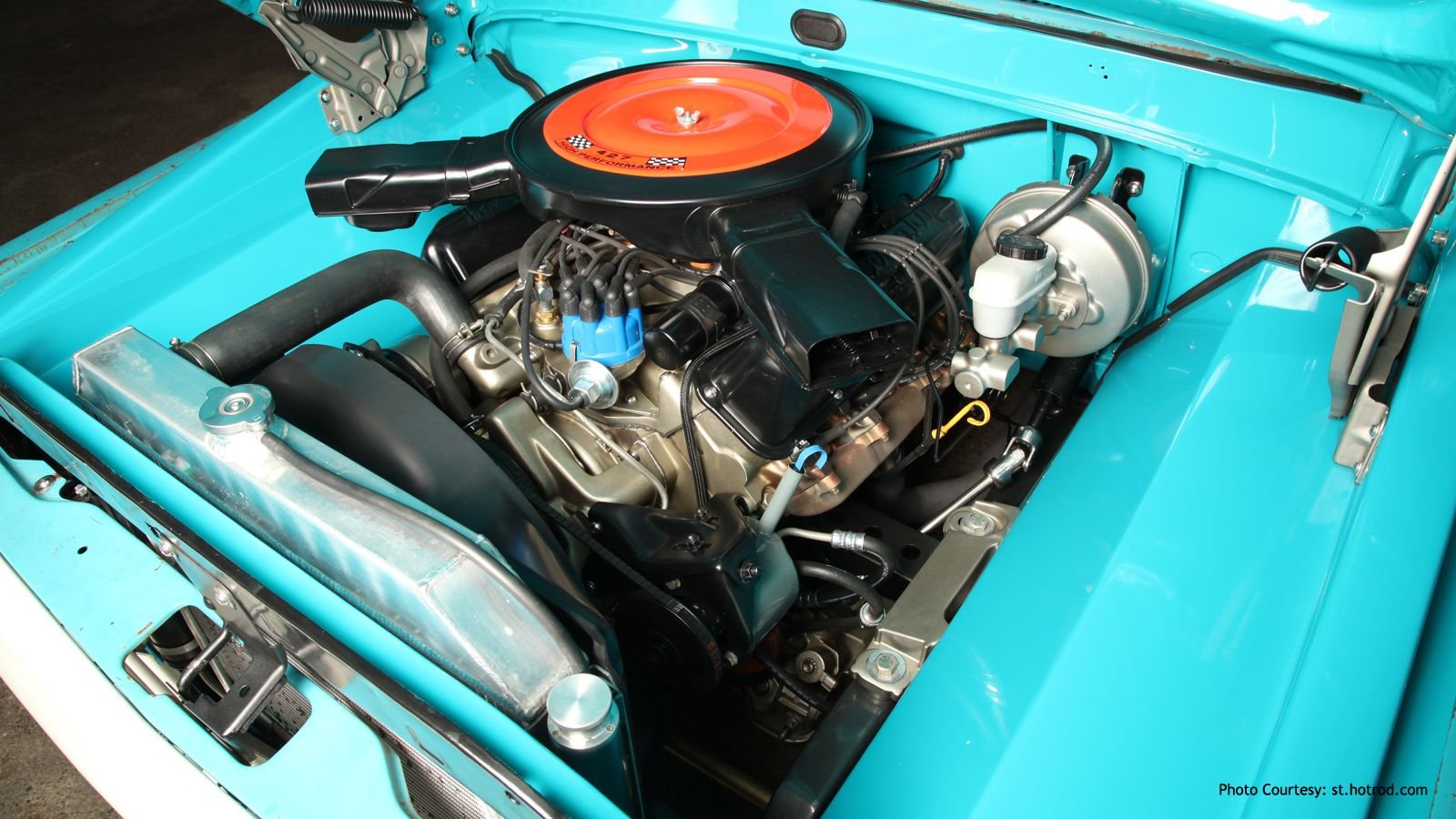
The Canadian market had less engine options in their Mercury trucks than the USA, mainly because they were selling one-tenth as many trucks as the American market. From the start until 1954, the Mercury trucks were only offered with V8 engines. In 1956, the first six-cylinder engine was finally offered in the Canadian Mercury trucks.
>>Join the conversation on the 10 Facts About the Canadian Mercury Trucks here in the Ford-Truck forum.
7. Mercury Meteor Ranchero
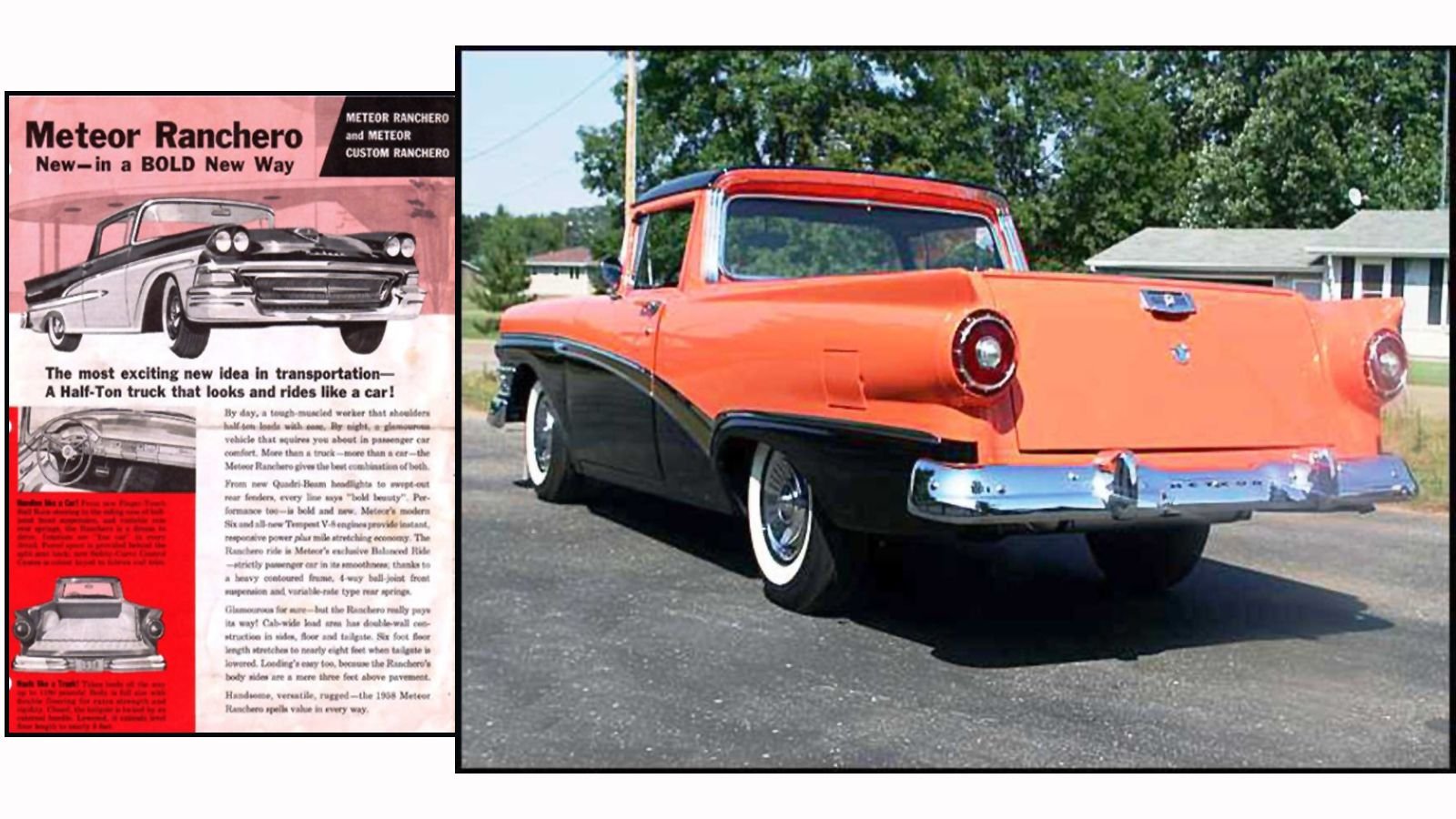
The Meteor was introduced to the Canadian market in the fall of 1956 with the slogan "all dressed up and everywhere to go", and in 1957-58 they got a Ranchero truck version. The car/truck was long, low and wider than the predecessor with a wraparound bumper and a fancy pair of bumper guards that looked like a bulldog's underbite. Under the hood was one of two engine choices, either 4.6-liter (272 cubic inch) Y-block V8 or the 3.6-liter (223 cubic inch) straight six. Less than 1000 of these unique trucks were built.
>>Join the conversation on the 10 Facts About the Canadian Mercury Trucks here in the Ford-Truck forum.
8. Dual Marketing Network
The Canadian Mercury trucks reached the end of their lives when the USA and Canada eliminated the Dual Marketing Network with the Automotive Trade Agreement. After the agreement was eliminated in 1968, the Mercury trucks started getting produced in Ohio, but their logos quickly changed from the Mercury logo to the Ford logo.
>>Join the conversation on the 10 Facts About the Canadian Mercury Trucks here in the Ford-Truck forum.
9. Sales Demographics
It was no secret that the majority of car sales happened in the USA, and since the Mercury trucks were never sold in America, their numbers didn't do too well. The Mercury trucks were offered, however, in Canada, Mexico, and a few other parts of the world.
>>Join the conversation on the 10 Facts About the Canadian Mercury Trucks here in the Ford-Truck forum.
10. Current Value
The Mercury trucks are considered rare finds nowadays; in fact, some people don't know their histories at all because they weren't popular in the USA. If you find a Canadian Mercury truck, consider buying it, as it will only rise in value. These trucks are worth up to $60,000 if they are completely restored. Of course, since it is quite difficult to price a classic rare-find like this, the price can vary based on the condition.
>>Join the conversation on the 10 Facts About the Canadian Mercury Trucks here in the Ford-Truck forum.
For information on maintenance and repairs of your Ford truck, visit our How-To section by clicking here.