






CAN'T STOP TOOTING

Thread Starter
|
Trailering

Joined: May 2024
Posts: 23
Likes: 2
CAN'T STOP TOOTING
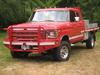
Hey guys! Still working on 78 F150 351M. First, background... Started resurrecting dad's old Ford this summer. It sat in a field for about a decade after he died, until I dragged it home. Since then, and with the help of some REALLY smart dudes in this Forum, I've got it running AND moving without being pushed, pulled, or dragged. But she won't quit tooting! Little toots, but kinda stinky. I've already...cleared out of fuel, Replaced fuel pump (twice actually 🙄 and filter, of courseRebuilt carb according to the specifications and the much more useful post by fmc400
Plugs and wires
Cap and rotor
timed to 8°BTDC
checked for vacuum leaks
Changed oil and filter after the first replacement fuel pump crapped out and puked fuel into my crankcase
coolant flush (because it needed it)
Pcv valve
Egr was already deleted
I forgot to add that the backfiring gets more frequent when it's in gear. Even before it got ditched in a field, it leaked so much type F that (i'm pretty sure) my dad was buying tranny fluid in bulk, so after I got the motor running, I didn't put it in gear for the first time until a week ago. As soon as I did, the truck bogged down and sputtered out like it was starving. It took me a bit to find the fuel pump problem because I'd only installed it a few months before, when I first brought the truck home, so it had manged to dump a lot (like, A LOOOOT) of fuel into the oil before I realized. Even after the oil and filter change, I can still smell gas in it. I thought that might be the problem, but I'm just not convinced. So, I thought I'd ask the experts before dumping money into an issue that isn't the issue.
I'm open to any suggestions. Thanks guys!
and filter, of courseRebuilt carb according to the specifications and the much more useful post by fmc400 Plugs and wires
Cap and rotor
timed to 8°BTDC
checked for vacuum leaks
Changed oil and filter after the first replacement fuel pump crapped out and puked fuel into my crankcase
coolant flush (because it needed it)
Pcv valve
Egr was already deleted
I forgot to add that the backfiring gets more frequent when it's in gear. Even before it got ditched in a field, it leaked so much type F that (i'm pretty sure) my dad was buying tranny fluid in bulk, so after I got the motor running, I didn't put it in gear for the first time until a week ago. As soon as I did, the truck bogged down and sputtered out like it was starving. It took me a bit to find the fuel pump problem because I'd only installed it a few months before, when I first brought the truck home, so it had manged to dump a lot (like, A LOOOOT) of fuel into the oil before I realized. Even after the oil and filter change, I can still smell gas in it. I thought that might be the problem, but I'm just not convinced. So, I thought I'd ask the experts before dumping money into an issue that isn't the issue.
I'm open to any suggestions. Thanks guys!
Thread Starter
|
Trailering
Joined: May 2024
Posts: 23
Likes: 2
Yeah, I'm going to do it again tomorrow afternoon. Was just hoping to get a diagnosis on the root cause in the meantime.
Moderator & parts slinger


Joined: Feb 2007
Posts: 50,150
Likes: 5,785
From: S/W Missouri, Polk county

I suspect extremely low oil pressure could be a sign.
When you mix gasoline with engine oil in your crank bearings, it significantly reduces the oil's lubricating properties, leading to increased friction between the moving parts of the engine, which can result in rapid wear and damage to the crank bearings, potentially causing engine failure if not addressed promptly.
Key points about mixing gas and oil in crank bearings:
Causes of Gas Mixing with Oil:
What to do if you suspect gas in your engine oil:
When you mix gasoline with engine oil in your crank bearings, it significantly reduces the oil's lubricating properties, leading to increased friction between the moving parts of the engine, which can result in rapid wear and damage to the crank bearings, potentially causing engine failure if not addressed promptly.
Key points about mixing gas and oil in crank bearings:
- Reduced Viscosity:
Gasoline is a thinner fluid than engine oil, so when mixed, it significantly lowers the oil's viscosity, making it less effective at creating a protective film on bearing surfaces. - Increased Friction:
With a thinner oil film, more friction occurs between the crankshaft and bearings, causing excessive wear and potential scoring. - Deterioration of Additives:
The additives in engine oil, designed to enhance lubrication and protect against wear, can be compromised when mixed with gasoline. - Potential Engine Damage:
Continued operation with a mixture of gas and oil can lead to significant damage to not only the crank bearings but also other engine components like cylinder walls and piston rings.
Causes of Gas Mixing with Oil:
- Faulty Carburetor:
A faulty carburetor can allow fuel to leak into the crankcase, mixing with the engine oil. - Fuel Pump Issues:
Problems with the fuel pump can also lead to excessive fuel delivery, causing fuel to mix with the oil.
What to do if you suspect gas in your engine oil:
- Check Oil Level and Appearance:
Regularly check your engine oil level and observe its color and consistency. If it appears unusually thin or has a strong gasoline odor, it may be contaminated. - Change Oil Immediately:
If you suspect gas in your oil, change it immediately with fresh, clean engine oil. - Investigate the Cause:
Identify the source of the fuel leak and have it repaired by a qualified mechanic.
Trending Topics
Thread Starter
|
Trailering
Joined: May 2024
Posts: 23
Likes: 2
I suspect extremely low oil pressure could be a sign.
When you mix gasoline with engine oil in your crank bearings, it significantly reduces the oil's lubricating properties, leading to increased friction between the moving parts of the engine, which can result in rapid wear and damage to the crank bearings, potentially causing engine failure if not addressed promptly.
Key points about mixing gas and oil in crank bearings:
Causes of Gas Mixing with Oil:
What to do if you suspect gas in your engine oil:
When you mix gasoline with engine oil in your crank bearings, it significantly reduces the oil's lubricating properties, leading to increased friction between the moving parts of the engine, which can result in rapid wear and damage to the crank bearings, potentially causing engine failure if not addressed promptly.
Key points about mixing gas and oil in crank bearings:
- Reduced Viscosity:
Gasoline is a thinner fluid than engine oil, so when mixed, it significantly lowers the oil's viscosity, making it less effective at creating a protective film on bearing surfaces. - Increased Friction:
With a thinner oil film, more friction occurs between the crankshaft and bearings, causing excessive wear and potential scoring. - Deterioration of Additives:
The additives in engine oil, designed to enhance lubrication and protect against wear, can be compromised when mixed with gasoline. - Potential Engine Damage:
Continued operation with a mixture of gas and oil can lead to significant damage to not only the crank bearings but also other engine components like cylinder walls and piston rings.
Causes of Gas Mixing with Oil:
- Faulty Carburetor:
A faulty carburetor can allow fuel to leak into the crankcase, mixing with the engine oil. - Fuel Pump Issues:
Problems with the fuel pump can also lead to excessive fuel delivery, causing fuel to mix with the oil.
What to do if you suspect gas in your engine oil:
- Check Oil Level and Appearance:
Regularly check your engine oil level and observe its color and consistency. If it appears unusually thin or has a strong gasoline odor, it may be contaminated. - Change Oil Immediately:
If you suspect gas in your oil, change it immediately with fresh, clean engine oil. - Investigate the Cause:
Identify the source of the fuel leak and have it repaired by a qualified mechanic.
FTE Stories
Ford Trucks for Ford Truck Enthusiasts

AEV FXL Super Duty - the Super Duty Raptor Ford Doesn't Make
Brett Foote
Lobo Vs Lobo: Proof the F-150 Lobo Should Be Even Lower!
Michael S. Palmer
Ford's 2001 Explorer Sportsman Concept Looks For a New Home
Verdad Gallardo
10 Best Ford Truck Engines We Miss the Most!
Joe Kucinski
2026 Shelby F-150 Off-Road: Better Than a Raptor R?
Brett Foote
2027 Super Duty Carhartt Package First Look: 12 Things You NEED to Know!
Michael S. Palmer
10 Most Surprising 2026 Ford Truck Features!
Joe Kucinski
Top 10 Ford Trucks Coming to Mecum Indy 2026
Brett Foote
5 Best / 5 Worst Ford Truck Wheels of All Time
Joe Kucinski
Thread
Thread Starter
Forum
Replies
Last Post
chirkware
1967 - 1972 F-100 & Larger F-Series Trucks
26
Apr 9, 2019 01:08 AM
Jourdan_D
1973 - 1979 F-100 & Larger F-Series Trucks
8
Jun 20, 2013 10:53 AM
FarmerBill
1973 - 1979 F-100 & Larger F-Series Trucks
7
Jan 31, 2011 04:12 PM